May 21, 2026
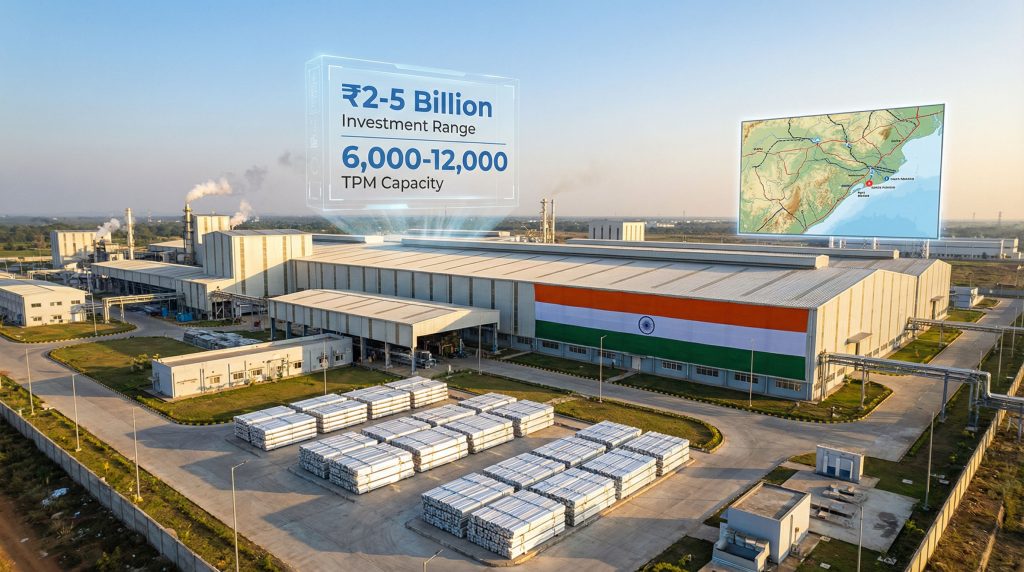
The landscape of metal manufacturing across Eastern India continues to evolve through strategic capacity enhancements that reshape regional production capabilities. Modern aluminium facilities operate within complex industrial ecosystems where technological advancement, market demand, and infrastructure development converge to create opportunities for significant operational expansion. Understanding these dynamics requires examining how contemporary manufacturing enterprises leverage existing assets while integrating advanced production methodologies to meet growing market requirements, with particular focus on aluminium expansion in Khordha.
Understanding Aluminium Manufacturing Expansion in Eastern India's Industrial Corridors
The Strategic Importance of Odisha's Aluminium Manufacturing Landscape
Odisha stands as India's primary aluminium production hub, contributing approximately 50-60% of the nation's primary aluminium capacity according to the Ministry of Mines. This concentration reflects the state's abundant bauxite reserves, established industrial infrastructure, and proximity to major transportation networks including Paradip Port, which handles over 125 million tonnes of cargo annually.
The state's manufacturing landscape supports integrated production facilities that process raw materials through finished conductor systems. These operations benefit from established supply chains connecting mining regions in districts like Balangir, Kalahandi, and Rayagada with downstream processing facilities. The geographic concentration creates operational efficiencies through reduced transportation costs and streamlined logistics networks.
Key advantages of Odisha's aluminium manufacturing sector include:
• Proximity to bauxite mining operations reducing raw material transportation costs
• Established power generation infrastructure supporting energy-intensive aluminium processing
• Skilled workforce with experience in metal manufacturing and processing operations
• Government policy framework supporting industrial development through single-window clearance mechanisms
• Access to port infrastructure enabling efficient export capabilities
Key Factors Driving Industrial Investment in Eastern India's Metal Sector
Industrial expansion in Eastern India's metal manufacturing sector responds to multiple converging factors including infrastructure development requirements, renewable energy transmission needs, and government policy initiatives. The National Infrastructure Pipeline and renewable energy commitments targeting 500 GW capacity by 2030 create sustained demand for specialized conductor systems and transmission equipment.
Furthermore, market demand patterns indicate growing requirements for advanced conductor technologies including AACSR (Aluminium Alloy Conductor Steel Reinforced), ACAR (Aluminium Conductor Alloy Reinforced), and ACSS (Aluminium Conductor Steel Supported) systems. These specialized products serve critical applications in high-voltage power transmission, renewable energy integration, and smart grid development projects across urban and industrial zones.
Investment decisions reflect confidence in long-term market fundamentals driven by India's electrification initiatives, industrial growth, and infrastructure modernization programs. The regulatory environment supports manufacturing expansion through streamlined approval processes and industrial policy frameworks designed to encourage capacity enhancement projects. Additionally, decarbonisation benefits create new opportunities for sustainable aluminium production methodologies.
Infrastructure Requirements for Large-Scale Aluminium Production Facilities
Large-scale aluminium expansion projects require comprehensive infrastructure supporting power supply, water management, transportation networks, and waste processing systems. Facilities processing 5,000 tonnes per month typically consume significant electrical power for rolling mills, wire drawing operations, and stranding systems used in conductor manufacturing.
Transportation infrastructure proves critical for raw material delivery and finished product distribution. Successful facilities maintain proximity to rail networks and highway systems enabling efficient movement of aluminium ingots, processing consumables, and completed conductor systems to customer locations throughout India.
Environmental compliance systems include air quality management, water treatment facilities, and waste heat recovery systems meeting regulatory standards while supporting operational efficiency. Modern facilities integrate sustainability measures including energy recovery systems and recycling capabilities to minimize environmental impact while maintaining production capacity.
When big ASX news breaks, our subscribers know first
What Makes Khordha District Attractive for Metal Manufacturing Investments?
Geographic Advantages and Transportation Networks
Khordha district's strategic location within Odisha provides manufacturers with access to multiple transportation modes including road, rail, and port facilities. The district sits approximately 150 kilometers from Paradip Port, enabling efficient export operations for finished aluminium products while maintaining reasonable transportation costs for raw material delivery.
The region's industrial infrastructure includes established power transmission networks, water supply systems, and telecommunications facilities supporting large-scale manufacturing operations. These foundational elements reduce initial capital requirements for new facility development while ensuring operational reliability for continuous production processes.
Transportation advantages in Khordha district:
• Highway connectivity to major urban centers including Bhubaneswar and Cuttack
• Rail network access for bulk material transportation
• Proximity to Paradip Port for export operations
• Regional distribution networks serving eastern and northeastern Indian markets
Proximity to Raw Material Sources and Port Access
The district's location provides manufacturers with efficient access to bauxite mining regions within Odisha while maintaining connection to national aluminium supply networks. This geographic positioning reduces raw material transportation costs while ensuring supply chain reliability for continuous production operations.
Port access through Paradip facilitates both import operations for specialized equipment and export capabilities for finished products. The port's multi-cargo handling capabilities support diverse manufacturing requirements including heavy machinery transportation and bulk material shipments.
Meanwhile, manufacturing facilities benefit from established supplier networks providing consumables, maintenance services, and technical support within reasonable geographic proximity. This ecosystem reduces operational costs while supporting rapid response for production requirements and equipment maintenance needs. Understanding permitting process insights proves essential for navigating regulatory requirements effectively.
Government Policy Framework Supporting Industrial Development
Odisha's industrial development policies provide structured support for manufacturing expansion through the State Level Single Window Clearance Authority (SLSWCA) mechanism. This framework streamlines regulatory approvals while ensuring environmental compliance and safety standards for large-scale manufacturing projects.
The policy environment includes incentives for capacity enhancement projects, employment generation initiatives, and technology modernization programs. These measures support private sector investment while advancing the state's manufacturing competitiveness in national and international markets.
Regional development initiatives focus on creating industrial clusters that support supplier development, workforce training, and infrastructure enhancement. These comprehensive approaches create favorable conditions for sustained manufacturing growth while supporting broader economic development objectives.
How Do Modern Aluminium Expansion Projects Transform Regional Manufacturing?
Production Capacity Planning and Phased Implementation Strategies
Contemporary aluminium expansion projects typically follow phased implementation strategies that integrate new production capacity with existing operational systems. This approach minimizes production disruption while allowing manufacturers to validate market demand before completing full capacity installation.
Phased expansion enables manufacturers to incorporate technological improvements throughout the implementation process, ensuring final production systems reflect current industry standards. The methodology also supports workforce development by allowing gradual skill building as new equipment becomes operational.
Typical phases in aluminium expansion projects:
• Phase 1: Infrastructure preparation including power, water, and waste management systems
• Phase 2: Installation of primary processing equipment including rolling mills and wire drawing systems
• Phase 3: Integration of finishing equipment including stranding systems and quality control apparatus
• Phase 4: Production optimization and workforce training completion
Technology Integration in Contemporary Aluminium Processing
Modern aluminium facilities integrate advanced conductor manufacturing technologies producing specialized products for power transmission applications. AACSR conductors combine aluminium alloy strands with steel core reinforcement, providing higher tensile strength than conventional aluminium conductors while maintaining electrical conductivity characteristics.
ACAR conductor systems utilize aluminium alloy construction with alloy reinforcement providing improved corrosion resistance and mechanical strength. These products serve medium-voltage transmission applications where environmental durability and long-term reliability prove critical for system performance.
ACSS conductor technology enables high-temperature operation capabilities allowing increased transmission capacity without requiring infrastructure upgrades. These systems support renewable energy integration by facilitating higher capacity transmission from generation sources to distribution networks.
| Conductor Type | Core Material | Primary Application | Key Advantage |
|---|---|---|---|
| AACSR | Steel reinforced | High-voltage transmission | Superior tensile strength |
| ACAR | Alloy reinforced | Medium-voltage systems | Enhanced corrosion resistance |
| ACSS | Steel supported | High-capacity transmission | High-temperature operation |
Supply Chain Optimization for Wire and Conductor Manufacturing
Integrated manufacturing facilities optimise supply chains by consolidating processing stages from primary aluminium through finished conductor systems. This vertical integration reduces intermediate handling costs while improving quality control throughout production processes.
Rolling mills convert primary aluminium ingots into wire rod specifications suitable for subsequent drawing operations. Wire drawing systems reduce material diameter to precise specifications required for conductor strand manufacturing. Stranding operations combine multiple wire strands into finished conductor configurations meeting electrical and mechanical performance requirements.
Quality control systems monitor material properties throughout processing stages ensuring finished products meet international standards including IEEE, ASTM, and IEC specifications. Integrated testing capabilities verify electrical conductivity, mechanical strength, and dimensional accuracy before product shipment.
Economic Impact Assessment of Multi-Billion Rupee Aluminium Investments
Employment Generation Across Technical and Support Functions
Large-scale aluminium expansion projects generate significant employment opportunities spanning technical production roles, engineering support functions, and administrative positions. A facility adding 5,000 tonnes per month capacity typically creates 300+ direct employment positions across multiple skill levels and functional areas.
Technical positions include production operators managing rolling mills, wire drawing equipment, and stranding systems requiring specialised training in aluminium processing methodologies. Quality assurance roles encompass laboratory technicians, testing specialists, and inspection personnel ensuring product compliance with industry standards.
Employment structure in modern aluminium facilities:
• Production Operations (80-120 positions): Equipment operators, process technicians, production supervisors
• Quality Assurance (30-50 positions): Laboratory technicians, testing specialists, compliance officers
• Maintenance Engineering (40-60 positions): Mechanical technicians, electrical specialists, process engineers
• Logistics Operations (40-60 positions): Material handlers, warehouse operators, inventory management
• Administrative Support (30-50 positions): HR personnel, safety officers, administrative staff
Regional Economic Multiplier Effects and Supplier Development
Manufacturing investments generate economic multiplier effects extending beyond direct employment through supplier development, service sector growth, and increased local economic activity. Large facilities require ongoing supplies of consumables, maintenance services, and support functions provided by regional suppliers.
Secondary employment creation occurs through logistics services, food service providers, security services, and professional services supporting facility operations. These indirect employment opportunities often equal or exceed direct manufacturing positions while contributing to broader regional economic development.
Supplier development initiatives create opportunities for local enterprises providing specialised services including equipment maintenance, spare parts supply, and technical support services. This ecosystem development strengthens regional manufacturing capabilities while reducing operational costs for primary manufacturers.
Revenue Implications for State and Local Government Bodies
Industrial expansion projects generate significant tax revenue for state and local governments through multiple channels including corporate taxes, employment-related taxes, and indirect taxes from increased economic activity. Manufacturing facilities also contribute through utility fees, property taxes, and regulatory fees supporting government operations.
Investment in manufacturing infrastructure often stimulates additional government investment in supporting infrastructure including road improvements, utility expansion, and educational facility development. These complementary investments create positive feedback effects supporting continued economic growth and industrial development.
Regional economic development supported by manufacturing expansion attracts additional investment from related industries, creating industrial cluster effects that amplify economic benefits over extended timeframes. These cumulative impacts support sustained regional growth beyond the initial investment period. Understanding investment strategy insights helps stakeholders maximise these benefits.
Technical Specifications and Production Methodologies in Modern Aluminium Facilities
Advanced Conductor Technologies: AACSR, ACAR, and ACSS Systems
Advanced conductor systems serve specialised applications requiring superior performance characteristics compared to conventional aluminium conductors. AACSR technology incorporates high-strength steel core strands surrounded by aluminium alloy conductors, creating composite systems with enhanced tensile strength while maintaining excellent electrical conductivity.
ACAR conductor construction utilises aluminium alloy strands throughout the conductor cross-section, providing uniform corrosion resistance and mechanical properties. This technology proves particularly valuable in coastal environments where corrosion resistance requirements exceed capabilities of standard aluminium conductors.
Modern aluminium conductors serve critical infrastructure needs including renewable energy transmission, smart grid development, and high-voltage power distribution networks across urban and industrial zones.
ACSS conductor systems enable operation at elevated temperatures up to 200°C compared to 75°C limits for conventional aluminium conductors. This capability allows existing transmission lines to carry increased electrical loads without requiring tower upgrades or additional transmission corridors.
Technical specifications for advanced conductor systems:
• AACSR Applications: Long-span transmission lines, high-mechanical-stress installations, severe weather environments
• ACAR Applications: Medium-voltage distribution, coastal installations, urban distribution networks
• ACSS Applications: High-capacity transmission, renewable energy integration, load growth accommodation
Quality Control Standards and International Certification Requirements
Modern aluminium conductor manufacturing requires compliance with multiple international standards ensuring product performance and safety characteristics. IEEE Standard 1591 specifies performance requirements for overhead transmission conductor systems including mechanical and electrical properties.
ASTM standards define material specifications and testing methodologies for conductor components including B524 for ACAR conductors, B789 for ACSS systems, and related specifications for steel reinforcement materials. IEC 61089 provides international specifications for conductor design and performance requirements.
Quality control processes include raw material verification, in-process testing, and finished product validation ensuring compliance with applicable standards. Testing capabilities encompass tensile strength measurement, electrical resistance verification, and dimensional accuracy confirmation throughout production operations.
Energy Efficiency Considerations in Large-Scale Operations
Energy efficiency considerations prove critical for large-scale aluminium processing operations due to high electrical power requirements for rolling, drawing, and stranding operations. Modern facilities integrate energy recovery systems capturing waste heat from processing operations for facility heating or preheating applications.
Variable frequency drive systems optimise motor operations for wire drawing and rolling equipment, reducing energy consumption while improving process control capabilities. Power factor correction systems minimise electrical demand charges while improving overall facility electrical efficiency.
Facility design incorporates energy-efficient lighting, HVAC systems, and compressed air systems minimising auxiliary power requirements. These integrated approaches reduce operational costs while supporting environmental compliance objectives and sustainability initiatives.
What Are the Key Success Factors for Aluminium Expansion Projects?
Regulatory Approval Processes and State-Level Clearance Mechanisms
Successful aluminium expansion in Khordha requires navigation of comprehensive regulatory approval processes encompassing environmental clearances, industrial licensing, and state-level development approvals. The State Level Single Window Clearance Authority (SLSWCA) mechanism in Odisha streamlines these processes by coordinating multiple regulatory requirements through unified review procedures.
Environmental compliance requires detailed impact assessments addressing air quality, water management, and waste disposal considerations. Facilities must demonstrate compliance with pollution control standards while implementing monitoring systems ensuring ongoing environmental performance.
Industrial licensing processes verify technical capabilities, financial resources, and management competency required for successful project implementation. These evaluations ensure proposed projects meet safety standards while supporting broader industrial development objectives.
Environmental Compliance and Sustainability Integration
Environmental compliance encompasses multiple operational aspects including air emission controls, water treatment systems, and solid waste management programs. Modern facilities integrate environmental management systems meeting ISO 14001 standards while supporting continuous improvement in environmental performance.
Sustainability initiatives include energy efficiency programs, waste reduction strategies, and recycling capabilities supporting circular economy principles. These measures often provide operational cost reductions while meeting regulatory requirements and customer expectations.
Water management systems include treatment capabilities for process water recycling and stormwater management. Air quality control systems address particulate emissions and process-related air contaminants ensuring compliance with national and state air quality standards.
Market Demand Analysis and Customer Acquisition Strategies
Market demand analysis focuses on power transmission requirements, infrastructure development projects, and renewable energy expansion programs driving conductor demand. Customer acquisition strategies target utility companies, transmission system operators, and electrical contractors requiring specialised conductor products.
Product differentiation through advanced conductor technologies creates competitive advantages in markets requiring superior performance characteristics. Technical support capabilities including application engineering and installation guidance strengthen customer relationships while supporting market expansion.
Long-term supply agreements with major customers provide revenue stability supporting project financing while ensuring capacity utilisation. Customer diversification strategies reduce market concentration risks while expanding geographic market coverage. Recognising industry innovation trends helps position companies advantageously.
The next major ASX story will hit our subscribers first
Investment Analysis Framework for Eastern India's Metal Manufacturing Sector
Capital Allocation Strategies for Production Capacity Enhancement
Capital allocation strategies for aluminium expansion in Khordha balance production capacity requirements with financial efficiency considerations. Phased implementation approaches enable manufacturers to optimise capital deployment while validating market demand throughout project development.
Equipment selection processes evaluate technological capabilities, operational efficiency, and maintenance requirements ensuring optimal long-term performance. Modern manufacturing systems incorporate automation capabilities reducing labour requirements while improving product quality and consistency.
Financial structuring considerations include debt-equity ratios, working capital requirements, and cash flow projections supporting sustainable operations. Access to competitive financing enables manufacturers to implement expansion projects while maintaining financial flexibility for market opportunities.
| Investment Range | Typical Capacity | Employment Impact | Regional Significance |
|---|---|---|---|
| ₹1-2 Billion | 3,000-6,000 TPM | 200-400 jobs | District-level impact |
| ₹2-5 Billion | 6,000-12,000 TPM | 400-800 jobs | State-level significance |
| ₹5+ Billion | 12,000+ TPM | 800+ jobs | National strategic importance |
Risk Assessment for Large-Scale Industrial Projects
Risk assessment frameworks address multiple categories including market risks, operational risks, regulatory risks, and financial risks affecting project success. Market risk analysis evaluates demand projections, competitive dynamics, and pricing trends influencing revenue generation capabilities.
Operational risks encompass equipment reliability, workforce availability, and supply chain disruptions affecting production capabilities. Risk mitigation strategies include preventive maintenance programs, workforce development initiatives, and supplier diversification programs.
Regulatory risks involve changes in environmental standards, industrial policies, and trade regulations affecting operational requirements and costs. Compliance management systems ensure ongoing adherence to regulatory requirements while monitoring potential changes requiring operational adjustments.
Return on Investment Projections and Performance Metrics
Return on investment projections incorporate revenue forecasts, operating cost estimates, and capital recovery timelines supporting investment decisions. Performance metrics include capacity utilisation rates, product quality indicators, and customer satisfaction measures.
Financial performance indicators encompass gross margins, operating margins, and return on invested capital providing comprehensive assessment of project success. Operational performance metrics include production efficiency, quality yield rates, and equipment availability supporting continuous improvement initiatives.
Market performance indicators track customer retention rates, market share development, and competitive positioning supporting strategic planning and business development activities. These comprehensive metrics enable management teams to optimise operations while identifying growth opportunities. Exploring bauxite project benefits provides additional context for raw material considerations.
Future Outlook for Aluminium Manufacturing in Odisha's Industrial Ecosystem
Market Demand Projections for Power Transmission and Infrastructure
Market demand projections indicate sustained growth in conductor requirements driven by renewable energy expansion, grid modernisation projects, and urban infrastructure development. India's commitment to 500 GW renewable capacity by 2030 creates significant transmission requirements necessitating advanced conductor technologies.
Infrastructure development programs including smart city initiatives, industrial corridor projects, and transportation electrification generate additional demand for specialised aluminium products. These applications require conductor systems meeting enhanced performance requirements including high-temperature operation and superior corrosion resistance.
Export market opportunities include neighbouring countries developing electrical infrastructure and transmission capabilities. Regional trade agreements and infrastructure financing initiatives support market expansion beyond domestic requirements while diversifying customer bases.
Technology Evolution and Industry 4.0 Integration Opportunities
Technology evolution in aluminium manufacturing incorporates automation systems, digital monitoring capabilities, and predictive maintenance technologies improving operational efficiency while reducing costs. Industry 4.0 integration enables real-time production monitoring, quality control automation, and supply chain optimisation.
Digital technologies including IoT sensors, data analytics platforms, and artificial intelligence applications support predictive maintenance, quality optimisation, and energy management. These capabilities reduce operational costs while improving product consistency and customer satisfaction.
Advanced manufacturing technologies including additive manufacturing applications, robotic systems, and advanced materials science create opportunities for product innovation and process optimisation. These developments support competitive advantages while addressing evolving customer requirements.
Competitive Positioning Within India's Aluminium Value Chain
Competitive positioning strategies focus on technological capabilities, product quality, customer service, and cost competitiveness supporting market leadership positions. Vertical integration strategies enable comprehensive cost control while ensuring quality throughout production processes.
Research and development initiatives support product innovation addressing emerging market requirements including higher performance conductors, specialised applications, and environmentally sustainable products. Technical collaboration with customers and research institutions accelerates innovation while ensuring market relevance.
Strategic partnerships with suppliers, customers, and technology providers strengthen competitive positioning while accessing specialised capabilities and market opportunities. These collaborative approaches support sustainable growth while managing competitive pressures effectively.
Frequently Asked Questions About Aluminium Expansion Projects
What factors determine the success of large-scale aluminium investments?
Success factors for large-scale aluminium investments include market demand validation, technological capability, operational efficiency, and financial management. Market demand analysis ensures adequate customer requirements supporting capacity utilisation while competitive pricing maintains market position.
Technological capabilities encompassing equipment reliability, process optimisation, and quality control systems ensure product performance meeting customer requirements. Operational efficiency through workforce development, maintenance programs, and supply chain management controls costs while ensuring reliable production.
Financial management including capital structure optimisation, working capital management, and cost control supports sustainable operations while providing returns to investors. Regulatory compliance ensures ongoing operational permits while environmental management supports community relations and sustainability objectives.
How do regulatory approvals impact project timelines and costs?
Regulatory approval processes typically require 6-18 months for comprehensive clearances including environmental assessments, industrial licensing, and state-level development approvals. Single window clearance mechanisms reduce timeline requirements while ensuring comprehensive regulatory review.
Environmental clearance processes require detailed impact assessments, mitigation planning, and monitoring system implementation. These requirements add costs for consulting services, monitoring equipment, and compliance systems while ensuring environmental protection.
Early engagement with regulatory authorities, comprehensive documentation preparation, and experienced project management reduce approval timelines while ensuring compliance requirements. Proactive environmental planning and community engagement support smoother approval processes.
What are the typical employment patterns in modern aluminium facilities?
Modern aluminium facilities typically employ 50-60 personnel per 1,000 tonnes monthly capacity across production operations, quality control, maintenance, logistics, and administrative functions. Technical positions require specialised training in aluminium processing while support roles encompass various skill levels.
Production operations personnel include equipment operators, process technicians, and production supervisors requiring 2-4 years relevant experience or specialised training programs. Quality control positions require technical education in materials testing and quality assurance methodologies.
Maintenance and engineering positions require specialised skills in mechanical systems, electrical controls, and process engineering supporting equipment reliability and process optimisation. Career development opportunities include advanced technical training and management development programs. Furthermore, Vedanta's recent facility developments demonstrate the scale of employment generation possible in the region.
This analysis is based on publicly available information and industry knowledge. Investment decisions should consider additional factors including detailed market analysis, financial projections, and professional consultation. Market conditions and regulatory requirements may change affecting project viability and investment outcomes.
Ready to Capitalise on India's Aluminium Manufacturing Boom?
Discovery Alert's proprietary Discovery IQ model delivers real-time alerts on significant ASX mineral discoveries, empowering subscribers to identify actionable opportunities in the metals and mining sector ahead of the broader market. Explore how major mineral discoveries can drive substantial returns by visiting Discovery Alert's dedicated discoveries page and begin your 14-day free trial today to secure your competitive advantage in the evolving commodities landscape.