
June 30, 2026
Understanding Global Aluminium Market Fundamentals
Industrial metals markets operate within complex webs of supply constraints, technological shifts, and macroeconomic pressures that create persistent volatility patterns. The LME aluminium price increase March 2026 reflects deeper structural imbalances that have been building across global production networks for several years. These market tensions stem from a combination of energy cost pressures affecting smelter operations, evolving environmental regulations reshaping production economics, and shifting demand patterns driven by electrification trends across multiple industries.
Primary aluminium production remains one of the most energy-intensive industrial processes, consuming approximately 13-15 megawatt hours per tonne of finished metal. This energy intensity creates direct correlations between regional electricity costs and smelter profitability, particularly affecting Western hemisphere operations where energy markets have experienced significant volatility. When electricity costs exceed sustainable thresholds, typically around $40-50 per megawatt hour for older smelting technology, production curtailments become economically necessary.
China's position as the world's dominant aluminium producer, accounting for approximately 57% of global primary production, means that policy decisions within Chinese industrial planning frameworks create ripple effects across international markets. Recent capacity management initiatives have focused on consolidating production within more efficient, environmentally compliant facilities while restricting expansion of older, more polluting operations. These policy frameworks don't represent project-specific support but rather broader regulatory approaches to industrial modernisation.
Regional Smelter Economics Under Pressure
Western aluminium smelters face a complex calculus involving electricity procurement costs, carbon pricing mechanisms, and labour expenses that differ significantly from Asian production economics. European smelters additionally contend with the Carbon Border Adjustment Mechanism (CBAM), which creates additional cost structures for carbon-intensive production processes. These regulatory frameworks establish price floors for European-produced aluminium while potentially creating premium structures for lower-carbon production methods.
North American smelter operations benefit from relatively stable natural gas and hydroelectric power supplies in certain regions, but face challenges from aging infrastructure and higher labour costs compared to international competitors. The economic sustainability of individual smelters depends heavily on long-term power purchase agreements, with many facilities requiring electricity costs below $35 per megawatt hour to maintain competitive operating margins.
Furthermore, these regional challenges are compounded by growing energy transition challenges that affect power grid stability and pricing structures across multiple jurisdictions.
When big ASX news breaks, our subscribers know first
How Do Exchange Inventory Dynamics Signal Price Direction?
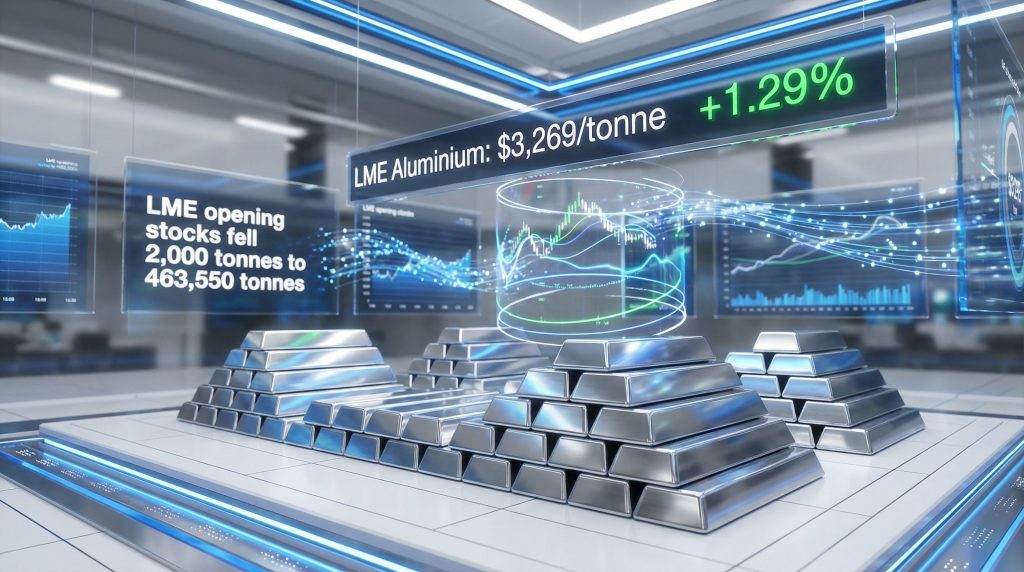
Exchange inventory movements serve as real-time indicators of immediate supply-demand balance, with the London Metal Exchange warehouse system providing the most transparent view of available metal stocks. The LME aluminium price increase March 2026 coincided with significant inventory drawdowns that suggest accelerating consumption relative to production inputs.
Critical Inventory Metrics (March 3, 2026):
| Inventory Component | Current Level | Daily Change | Percentage Change | Market Signal |
|---|---|---|---|---|
| Opening Stocks | 463,550 tonnes | -2,000 tonnes | -0.43% | Steady drawdown |
| Live Warrants | 375,525 tonnes | -45,325 tonnes | -10.77% | Accelerated consumption |
| Cancelled Warrants | 86,025 tonnes | +43,325 tonnes | +101.46% | Delivery preparation |
The dramatic 101.46% increase in cancelled warrants within a single trading session indicates substantial preparation for physical metal withdrawal from exchange warehouses. Cancelled warrants represent registered metal that warehouse owners have designated for removal, typically preceding actual delivery to end-users by several days or weeks depending on logistics arrangements.
Warehouse Financing Dynamics
LME warehouse financing structures create complex incentives affecting metal availability and pricing. When contango conditions exist (future prices higher than spot prices), financial incentives encourage metal storage in exchange warehouses through financing deals that can lock up significant quantities for extended periods. Conversely, backwardation conditions (spot prices exceeding futures) encourage warehouse stock drawdowns as financing deals become uneconomical.
The current inventory dynamics suggest a shift toward backwardation, where immediate metal commands premium pricing relative to future delivery contracts. This structure typically emerges during periods of supply tightness or unexpected demand surges, creating positive feedback loops that can sustain elevated pricing levels. For investors seeking exposure to these market dynamics, a comprehensive commodity investment guide can provide valuable insights into available instruments.
Why March 2026 Represents a Critical Inflection Point
Seasonal demand patterns in aluminium markets typically create predictable cycles, but March 2026 presents an unusual convergence of multiple demand drivers coinciding with constrained supply availability. The timing reflects post-Chinese New Year production normalisation overlapping with Western hemisphere industrial restocking cycles.
Q1 Industrial Demand Acceleration
First-quarter demand patterns historically show strength across multiple aluminium-consuming sectors. Automotive manufacturers typically increase aluminium procurement during Q1 to support model year transitions and lightweight vehicle initiatives. Construction sectors in temperate climates resume activity levels following winter slowdowns, creating incremental demand for architectural and structural aluminium applications.
Sector-Specific Demand Drivers:
- Automotive lightweight trends: Increasing aluminium content per vehicle, averaging 400-500 pounds per passenger car
- Construction recovery: Post-winter restocking across roofing, siding, and window frame applications
- Packaging seasonality: Beverage can production increases ahead of spring and summer consumption seasons
- Renewable energy infrastructure: Solar mounting systems and wind turbine components driving specialised demand
The confluence of these seasonal factors with existing supply constraints creates conditions where relatively modest demand increases can generate disproportionate price responses, explaining the magnitude of recent price movements. However, these trends must also be viewed against broader macroeconomic pressures, including US‐China trade impacts that continue to shape global commodity flows.
What Are the Key Price Drivers Behind $3,269/Tonne Levels?
The specific $3,269 per tonne cash offer price achieved on March 3, 2026, represents multiple converging factors creating upward price pressure across the aluminium complex. This price level reflects both immediate supply tightness and forward-looking concerns about sustained production constraints.
Forward Curve Analysis
LME Aluminium Contract Structure (March 3, 2026):
| Contract Period | Bid Price (USD/t) | Offer Price (USD/t) | Daily Change | Term Structure Signal |
|---|---|---|---|---|
| Cash Settlement | 3,267 | 3,269 | +1.29% | Immediate tightness |
| 3-Month Forward | 3,260 | 3,260.5 | +0.87% | Near-term strength |
| December 2027 | 3,132 | 3,137 | -0.03% | Long-term normalisation |
The forward curve structure reveals a $132 per tonne discount from current cash prices to December 2027 futures, suggesting market expectations of supply normalisation over longer timeframes. However, the relatively modest discount indicates continued structural support for elevated pricing rather than expectations of dramatic price corrections.
For real-time market data and additional context on these price movements, traders often reference LME aluminium pricing directly from the exchange's official platform.
Financial Market Positioning Impact
Speculative positioning in aluminium futures markets can amplify price movements during periods of fundamental tightness. Large speculative funds often establish positions based on technical analysis patterns, momentum factors, and relative value comparisons across commodity sectors. When fundamental supply tightness coincides with technically-driven buying, the combination can create sustained upward price momentum.
Currency dynamics also influence dollar-denominated aluminium pricing, particularly when the US Dollar Index experiences volatility. A weakening dollar typically supports higher commodity prices as international buyers gain purchasing power, while dollar strength can create headwinds for price appreciation.
How Do Inventory Levels Signal Market Tightness?
Current LME inventory levels relative to consumption patterns provide crucial insights into market balance and potential price sustainability. The 2,000-tonne daily decline in opening stocks, while seemingly modest, represents significant consumption when extrapolated across weekly and monthly periods.
Historical Context of Stock Drawdowns
Typical LME aluminium inventory cycles range from 350,000 to 800,000 tonnes, with levels below 400,000 tonnes historically associated with elevated pricing and supply concerns. Current levels near 463,550 tonnes approach the lower end of this historical range, particularly when considering the velocity of recent drawdowns.
"The combination of falling total stocks and surging cancelled warrants suggests physical supply tightness that could sustain elevated pricing for several weeks or months, depending on production responses."
Days of Consumption Coverage
Global primary aluminium consumption approximates 65-70 million tonnes annually, translating to roughly 180,000-190,000 tonnes per day of worldwide consumption. Current LME stocks represent approximately 2.4-2.6 days of global consumption, though LME warehouses serve primarily as marginal supply sources rather than primary distribution channels.
The more relevant metric involves LME stocks as a percentage of seaborne trade and spot market transactions, where current levels suggest tighter availability for immediate delivery requirements. This scarcity premium can persist until either demand destruction occurs at elevated price levels or additional supply sources reach market.
In addition to exchange data, comprehensive market intelligence from sources like Trading Economics provides broader economic context for these inventory dynamics.
What Does Forward Curve Structure Reveal About Market Expectations?
The shape and evolution of the aluminium forward curve provide insights into market participant expectations about future supply-demand balance. Current curve structure shows mild backwardation in nearby contracts transitioning to modest contango in longer-dated futures.
Backwardation Signals and Economic Implications
Near-term backwardation (spot prices exceeding futures) typically indicates immediate supply tightness relative to expected future availability. The $8.5-9 per tonne premium of cash prices over 3-month contracts suggests market willingness to pay premium for immediate delivery versus waiting for future supply.
This backwardation structure incentivises inventory drawdowns and discourages storage, creating positive feedback loops that can sustain elevated spot pricing. However, the relatively modest magnitude suggests markets expect supply responses to emerge within quarterly timeframes.
Long-Term Price Expectations
The $137 per tonne discount from current cash to December 2027 futures implies market expectations of price normalisation over 18-24 month timeframes. This forward pricing reflects anticipated supply responses, demand equilibration, and resolution of current supply chain constraints.
Scenario Analysis Framework:
| Price Scenario | Probability | Key Assumptions | Timeframe |
|---|---|---|---|
| Sustained Elevation | 35% | Supply constraints persist, demand growth | 6-12 months |
| Gradual Normalisation | 45% | Moderate supply response, stable demand | 12-18 months |
| Sharp Correction | 20% | Demand destruction, rapid supply increase | 3-6 months |
The next major ASX story will hit our subscribers first
How Do Macroeconomic Factors Influence Aluminium Pricing?
Broader macroeconomic conditions create the operating environment within which aluminium supply and demand fundamentals interact. Interest rate policies, currency movements, and inflation dynamics all influence both production costs and consumption patterns across aluminium end-use sectors.
Central Bank Policy Transmission
Monetary policy decisions affect aluminium markets through multiple transmission mechanisms. Higher interest rates increase financing costs for inventory holding, potentially encouraging destocking and creating downward price pressure. Conversely, lower rates can stimulate economic activity and infrastructure investment, supporting aluminium demand growth.
Currency policy coordination between major economies influences trade flows and regional price competitiveness. When major currencies diverge significantly, arbitrage opportunities emerge that can redirect aluminium trade patterns and affect regional supply-demand balances.
Infrastructure Investment and Electrification Trends
Government infrastructure spending programmes increasingly emphasise renewable energy deployment, electric vehicle charging networks, and grid modernisation projects that require substantial aluminium inputs. These policy-driven demand sources tend to be less price-sensitive than traditional applications, providing support for elevated pricing levels. Moreover, the broader sustainability transformation across industrial sectors continues to reshape aluminium demand patterns.
Electrification Aluminium Intensity:
- Electric vehicles: 380-400 kg aluminium per vehicle (vs. 150-180 kg for ICE vehicles)
- Solar installations: 15-20 kg aluminium per kW of capacity
- Wind turbines: 3-5 tonnes aluminium per MW of capacity
- Grid infrastructure: Aluminium conductor requirements growing 3-5% annually
What Are the Risk Factors for Sustained Price Elevation?
Several factors could potentially disrupt current price elevation and create downward pressure on aluminium valuations. Understanding these risk factors helps market participants assess the sustainability of current pricing levels and potential volatility scenarios.
Supply Response Mechanisms
Higher aluminium prices create economic incentives for production increases, both through restarting curtailed capacity and optimising existing operations. However, aluminium smelter restarts typically require 3-6 months of preparation time and substantial capital investment, creating lag effects between price signals and supply responses.
Energy cost fluctuations can rapidly alter smelter economics, particularly for operations with variable electricity pricing arrangements. If natural gas or electricity costs decline substantially, previously uneconomical capacity could return to market more quickly than traditional restart timeframes suggest. Additionally, projects like bauxite project benefits demonstrate how upstream supply developments can influence the broader market outlook.
Demand Destruction Thresholds
Price-sensitive aluminium applications include packaging, some construction applications, and cost-focused automotive components. If prices sustain above $3,500-3,600 per tonne, substitution to alternative materials or design changes could reduce aluminium consumption in these sectors.
"Historical analysis suggests aluminium demand destruction begins when prices exceed 15-20% above long-term production cost curves for sustained periods exceeding 6 months."
Geopolitical and Trade Policy Risks
Trade policy changes, tariff adjustments, or sanctions affecting major producing regions could disrupt established trade flows and price discovery mechanisms. Similarly, unexpected policy changes in China's capacity management approach could rapidly increase global supply availability.
How Should Market Participants Position for March 2026 Volatility?
Current market conditions suggest continued volatility as supply-demand imbalances work toward resolution. Different market participants face distinct risk profiles and optimal positioning strategies depending on their role in the aluminium value chain.
Producer Hedging Considerations
Primary aluminium producers benefit from current elevated pricing but face decisions about forward sales and hedging strategies. Selling forward production at current price levels provides revenue certainty but potentially sacrifices upside participation if prices continue rising.
Recommended producer strategies:
- Partial forward selling: Hedge 40-60% of near-term production to secure elevated pricing
- Collar strategies: Establish price floors while maintaining upside participation
- Rolling hedges: Gradually add forward sales as prices reach resistance levels
Consumer Purchasing Optimisation
Aluminium consumers face the opposite challenge of securing supply at reasonable costs while managing price volatility risk. Current market conditions favour strategic inventory building if storage capabilities and financing costs permit.
Consumer risk management approaches:
- Forward contracting: Lock in supply availability even at elevated prices
- Inventory buffer building: Increase strategic stock levels during supply tightness
- Alternative material evaluation: Assess substitution options for price-sensitive applications
Investment Implications Across Asset Classes
The LME aluminium price increase March 2026 creates investment implications across multiple asset classes, from direct commodity exposure to equity securities of companies with significant aluminium exposure.
Aluminium Equity Sector Performance
Primary aluminium producers typically exhibit high operational leverage to underlying metal prices, with earnings sensitivity often exceeding price movement percentages. Integrated producers with upstream bauxite or alumina assets may show different risk-return profiles compared to pure smelting operations.
Downstream processors and fabricators face margin pressure from rising input costs, though some may benefit from inventory holding gains during price appreciation periods. The timing and magnitude of these effects depend on specific contract structures and hedging policies.
Portfolio Allocation Considerations
Commodity exposure through aluminium provides portfolio diversification benefits during inflationary periods, though price volatility creates risk management challenges. Currency hedging becomes particularly important for international investors given the dollar-denominated nature of LME pricing.
Risk Management Parameters:
- Position sizing: Limit aluminium exposure to 2-5% of total portfolio value
- Volatility monitoring: Expect 20-30% annualised price volatility during supply tightness
- Correlation awareness: Monitor relationships with broader commodity indices and equity markets
Strategic Outlook for Aluminium Market Evolution
The March 2026 aluminium market environment represents a complex intersection of supply constraints, seasonal demand patterns, and macroeconomic factors that create both opportunities and risks for market participants. The $3,269 per tonne price level reflects genuine supply-demand imbalances rather than purely speculative positioning, suggesting potential sustainability of elevated pricing in the near term.
Critical factors supporting continued price elevation include persistent inventory drawdowns, limited near-term supply response capabilities, and structural demand growth from electrification trends. However, risks of demand destruction at extreme price levels and eventual supply responses create uncertainty about longer-term price trajectories.
Market participants should prepare for continued volatility while maintaining focus on fundamental supply-demand drivers rather than short-term price movements. The resolution of current market imbalances will likely occur gradually over 6-18 month timeframes, creating opportunities for strategic positioning across the aluminium value chain.
This analysis is for informational purposes only and does not constitute investment advice. Commodity markets involve substantial risk of loss, and past performance does not guarantee future results. Market participants should conduct their own due diligence and consult with qualified professionals before making investment decisions.
Interested in Profiting from Commodity Market Volatility?
Discovery Alert's proprietary Discovery IQ model delivers real-time alerts on significant ASX mineral discoveries, instantly identifying actionable opportunities ahead of market movements like the aluminium price surge analysed above. Explore how historic discoveries have generated substantial returns and begin your 14-day free trial today to position yourself ahead of the next major market opportunity.