June 7, 2026
What Factors Drive Aluminum Smelter Restart Timelines?
Industrial machinery failures create cascading effects throughout global supply chains, but few disruptions illustrate these complexities better than transformer breakdowns in primary aluminum production. The intricate dance between repair feasibility, replacement procurement, and market dynamics shapes recovery timelines in ways that extend far beyond simple equipment replacement schedules.
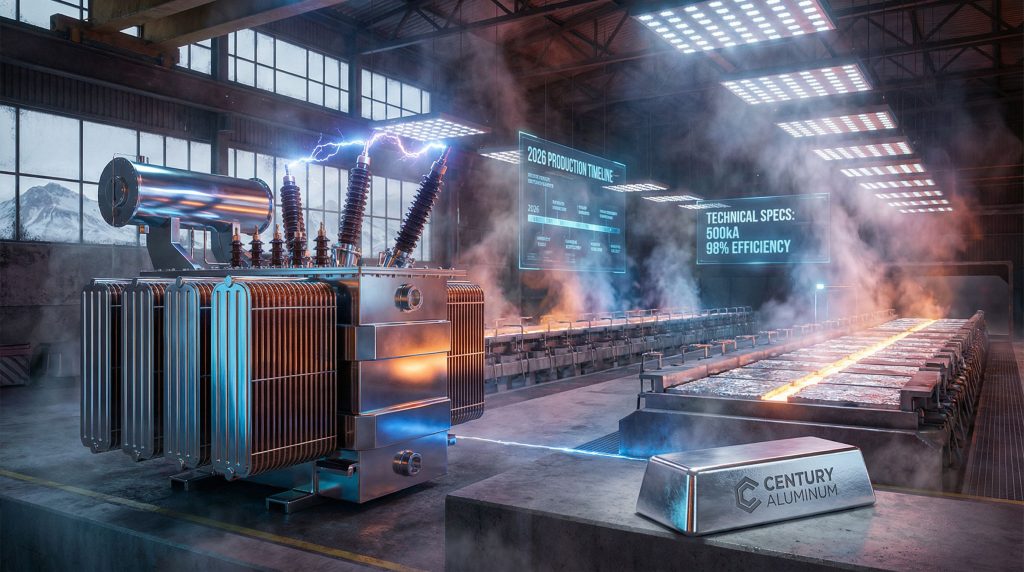
When Century Aluminum's Grundartangi facility experienced critical electrical equipment failure in October 2025, the initial response followed standard industry protocols: assess damage, evaluate repair options, and initiate replacement procurement. However, the evolution from an 11-12 month recovery timeline to a six-month accelerated restart demonstrates how engineering innovation can overcome supply chain constraints.
Critical Infrastructure Dependencies in Primary Aluminum Production
Primary aluminum smelting operations demand uninterrupted electrical supply due to the continuous nature of electrolytic reduction processes. A 320,000 metric ton annual facility like Grundartangi requires specialized high-voltage transformers capable of handling massive electrical loads while maintaining operational stability across 24/7 production cycles.
The transformer failure assessment protocol involves comprehensive diagnostic testing including dissolved gas analysis, winding resistance measurements, and thermal imaging evaluation. This technical evaluation determines whether equipment damage remains localized and repairable, or whether systemic failure necessitates complete replacement.
For Century Aluminum Iceland smelter restart planning, the engineering team's determination that damaged transformers could be restored to operational specification represented a critical decision point. Rather than waiting 18+ months for replacement units, the repair pathway enabled production resumption by April 2026.
Furthermore, these energy transition challenges are driving industry innovation trends across the sector. Key infrastructure factors affecting restart timelines include:
• Electrical grid stability requirements for continuous smelting operations
• Power quality specifications necessary for electrolytic aluminum production
• Backup system availability during equipment restoration periods
• Specialized workforce requirements for high-voltage equipment maintenance
The technical complexity of transformer repair versus replacement creates a fundamental risk-reward calculation. Repaired units typically cost 30-50% less than new equipment but introduce residual operational risk that must be balanced against production recovery urgency.
Economic Threshold Analysis for Production Resumption
Current aluminum futures pricing at $3,017.25 per ton provides substantial margin above typical smelter break-even economics, which generally range between $1,800-$2,200 per ton depending on facility-specific energy costs. This pricing environment creates strong economic incentive for accelerated restart timelines.
The break-even analysis framework for Century Aluminum Iceland smelter restart considers multiple cost components:
• Energy costs (Iceland's geothermal advantage provides 40-60% savings versus European grid power)
• Labor force retention costs during extended shutdowns
• Equipment maintenance expenses for idled production lines
• Opportunity cost of lost production during market strength periods
Iceland's unique geothermal energy infrastructure provides Century with a significant competitive advantage. While European aluminum producers face electricity costs of $150-200 per MWh, Grundartangi benefits from stable geothermal power pricing typically 40-60% below continental European rates.
This energy cost arbitrage becomes particularly valuable during periods of European energy price volatility, as experienced during winter 2021-2022 when multiple European smelters curtailed production due to unsustainable electricity costs.
When big ASX news breaks, our subscribers know first
How Do Electrical Equipment Failures Impact Global Aluminum Supply Chains?
Single-point failures in concentrated industrial infrastructure can generate disproportionate market effects, as demonstrated by Century Aluminum Iceland smelter restart delays pushing European aluminum premiums to $356 per ton, representing one-year highs.
The Grundartangi facility's two-thirds capacity reduction eliminated approximately 213,000 metric tons of annual European supply, representing roughly 5-6% of regional primary aluminum production. This supply constraint immediately tightened spot market availability and elevated regional premium pricing.
Cascade Effects on Regional Premium Pricing
European aluminum premium escalation reflects the concentrated nature of primary production infrastructure. With European annual production totalling approximately 3.5-4 million metric tons, Grundartangi represents 8-9% of regional capacity when operating at full production levels.
Premium pricing mechanisms during supply disruptions include:
• Spot market competition among industrial buyers for limited available supply
• Geographic arbitrage opportunities as buyers source from alternative regions
• Inventory acceleration by downstream manufacturers anticipating continued constraints
• Contract renegotiation dynamics as long-term agreements become difficult to fulfil
In addition, the four-month duration of premium elevation (October 2025 through February 2026) demonstrates the persistence of supply-demand imbalances when major production capacity remains offline. Unlike commodity price volatility, which often reflects speculative sentiment, regional premiums directly correlate with physical supply availability.
Century's Q4 2025 shipments declined 14% from Q3 levels, indicating both the production impact and customer inventory management responses during the outage period. This shipment reduction forced industrial consumers to compete for alternative supply sources at elevated premiums.
Strategic Inventory Management During Supply Disruptions
Industrial aluminum consumers typically employ three response strategies when faced with announced extended outages:
1. Inventory Acceleration Strategy
Manufacturing companies stockpile aluminum before announced capacity reductions take effect, creating short-term demand spikes that exacerbate spot market tightness.
2. Geographic Source Diversification
Buyers shift procurement to Russian, Middle Eastern, or Asian aluminum suppliers, though transportation costs and delivery timelines can offset premium savings.
3. Spot Market Premium Acceptance
Companies unable to secure alternative sourcing accept elevated premiums rather than curtail manufacturing operations, particularly in high-margin end-use applications like aerospace or automotive components.
The $356 per ton European premium during Century Aluminum Iceland smelter restart delays represents a significant cost increase for downstream manufacturers. A typical aluminum-intensive manufacturing facility consuming 10,000 tons annually faces $3.56 million in additional procurement costs during premium elevation periods.
What Are the Technical Complexities of Transformer Repair vs. Replacement?
High-voltage transformer manufacturing represents one of the most specialised segments of industrial equipment production, with lead times extending 12-18 months under normal market conditions. The decision matrix between repair and replacement involves technical feasibility, cost differentials, and operational risk tolerance.
Century's experience illustrates how engineering assessment can identify repair opportunities that dramatically reduce recovery timelines. The transformation from 11-12 month replacement schedules to six-month repair completion demonstrates the value of comprehensive damage evaluation protocols.
Engineering Assessment Methodologies
Transformer damage classification requires systematic evaluation across multiple technical dimensions:
| Assessment Category | Evaluation Method | Repair Feasibility Indicator |
|---|---|---|
| Oil Quality Analysis | Dissolved Gas Analysis (DGA) | Low gas concentration suggests repairable damage |
| Winding Integrity | Resistance Measurements | Consistent readings indicate structural soundness |
| Insulation Performance | Voltage Withstand Testing | Successful testing enables operational certification |
| Thermal Performance | Infrared Imaging | Uniform temperature distribution confirms repair viability |
The engineering determination that Grundartangi's damaged transformers qualified for repair rather than replacement reduced the Century Aluminum Iceland smelter restart timeline by approximately six months, enabling Line 2 restart by April 2026 rather than Q4 2026.
Quality assurance protocols for refurbished transformers require comprehensive testing to ensure operational reliability equivalent to new equipment standards. This includes thermal cycle testing to confirm performance stability under continuous operational stress.
Manufacturing Bottlenecks in Specialised Industrial Equipment
Global transformer production capacity faces unprecedented strain from data centre expansion requirements. Data centres typically demand 50+ MW dedicated power infrastructure, necessitating specialised high-capacity transformers that compete directly with industrial aluminum smelter equipment specifications.
Manufacturing constraint factors affecting delivery timelines include:
• Raw material availability (electrical steel, copper windings, specialised insulation materials)
• Production capacity allocation between data centre and industrial applications
• Quality certification requirements for different end-use applications
• Transportation logistics for oversized industrial equipment
However, these energy security challenges are driving companies to pursue industry consolidation strategies to improve operational resilience.
Major transformer manufacturers including ABB, Siemens, and Eaton have prioritised data centre orders due to higher profit margins and contractual penalty structures, extending industrial equipment delivery schedules significantly beyond historical norms.
The Q4 2026 delivery timeline for Century's replacement transformers, despite November 2025 order placement, reflects these market dynamics rather than technical manufacturing constraints.
How Does Century Aluminum's Portfolio Strategy Address Operational Risk?
Geographic diversification across energy-advantaged locations creates operational resilience against single-point failures while enabling strategic capital allocation toward highest-return assets. Century's portfolio strategy demonstrates disciplined risk management through both facility distribution and asset optimisation.
The company's production capacity spans multiple regulatory jurisdictions and energy cost structures, reducing exposure to regional disruptions while maintaining access to competitive power sources essential for aluminum smelting economics.
Geographic Diversification Analysis
Century's production capacity distribution provides strategic flexibility:
| Facility | Annual Capacity | Energy Source | Competitive Advantage |
|---|---|---|---|
| Grundartangi, Iceland | 320,000 metric tons | Geothermal | 40-60% energy cost savings vs. European grid |
| Mt. Holly, South Carolina | 50,000+ metric tons | TVA Hydroelectric | Carbon-free, cost-competitive power |
| Caribbean Operations | Operational (capacity research required) | Various | Alternative regulatory frameworks |
This geographic dispersion enabled Century to maintain operational stability during European energy crises, while European competitors curtailed production due to unsustainable electricity costs during winter 2021-2022.
The coordinated restart strategy linking Grundartangi Line 2 restart with Mt. Holly capacity expansion in April 2026 demonstrates strategic capital deployment maximising operational leverage and supply chain momentum.
Asset Optimisation Through Strategic Divestiture
The February 2026 sale of Century's Hawesville facility to TeraWulf represents strategic portfolio optimisation, monetising underutilised industrial assets while data centre operators seek grid-connected electrical infrastructure.
Strategic divestiture rationale includes:
• Capital reallocation toward higher-efficiency operations with superior energy economics
• Real estate monetisation for industrial sites with alternative development potential
• Operating cost reduction by eliminating marginal-return facility maintenance expenses
• Focus enhancement on geographically advantaged production locations
TeraWulf's acquisition of Hawesville reflects data centre industry demand for existing electrical infrastructure capable of supporting technology facility requirements. The sale proceeds enable Century to concentrate investment in facilities demonstrating 15-25% EBITDA margins at current aluminum pricing levels.
This asset optimisation strategy positions Century for improved financial performance as the Century Aluminum Iceland smelter restart returns the company's highest-margin production capacity to full operational status.
What Market Dynamics Influence Aluminum Smelter Viability in 2026?
Current aluminum market conditions create favourable economics for primary smelter operations, with futures pricing at $3,017.25 per ton providing substantial margins above typical break-even thresholds. This pricing environment supports aggressive restart timelines and capacity expansion decisions across the industry.
Energy cost pressures continue shaping global aluminum production geography, with facilities accessing low-cost renewable power sources maintaining competitive advantages over grid-dependent operations. The structural shift toward renewable energy integration creates both opportunities and challenges for continuous aluminum production requirements.
Energy Cost Pressures on Primary Aluminum Production
Electricity cost differentials across major producing regions:
• Iceland (Geothermal): $50-70 per MWh
• Norway (Hydroelectric): $60-80 per MWh
• Middle East (Natural Gas): $40-60 per MWh
• European Grid Power: $150-200 per MWh
• US Southeast (Nuclear/Hydro): $80-120 per MWh
These cost differentials explain aluminum industry migration toward renewable energy locations and the strategic value of facilities like Grundartangi with access to stable, low-cost geothermal power. The Century Aluminum Iceland smelter restart benefits directly from this energy cost arbitrage opportunity.
Carbon pricing mechanisms across European markets add additional cost pressure to grid-dependent aluminum production. EU Emissions Trading System pricing averaging €75-85 per ton CO2 creates further competitive disadvantage for coal or natural gas-powered smelters compared to renewable energy facilities.
Trade Policy Impact on Domestic Production Economics
US aluminum import tariffs provide protective frameworks supporting domestic smelting capacity, though electricity costs remain the primary determining factor for operational viability. The effectiveness of tariff protection becomes evident when energy-disadvantaged facilities shutdown despite trade barriers.
Import substitution trends in North American aluminum markets include:
• Automotive sector preference for domestic supply chain security
• Aerospace applications requiring specialised alloy specifications
• Beverage container manufacturing benefiting from transportation cost advantages
• Construction industry demand supporting regional production
Century's expected 2026 annual shipments of 630,000 tons represent only a 2.6% decline versus prior year levels despite the extended Iceland outage, demonstrating portfolio resilience and strategic market positioning.
How Do Production Restart Announcements Affect Aluminum Market Sentiment?
Forward curve adjustments based on capacity return timelines create immediate price discovery mechanisms as traders and industrial consumers adjust hedging strategies. The acceleration of Century Aluminum Iceland smelter restart timelines from Q4 2026 to April 2026 represents 213,000 metric tons of supply returning to market approximately six months earlier than anticipated.
Market psychology during supply transitions reflects the complex interaction between physical supply availability, forward contract positioning, and speculative sentiment about broader industry capacity utilisation trends.
Price Discovery Mechanisms During Supply Transitions
Aluminum forward curve responses to restart announcements:
• Immediate premium compression as announced supply increases reduce spot market tightness
• Forward month adjustments reflecting expected production ramp timelines
• Volatility increases as market participants reassess supply-demand balance projections
• Hedging strategy modifications by both producers and consumers
The European aluminum premium decline from $356 per ton highs following Century's restart announcement demonstrates how production guidance updates create immediate market responses even before physical supply returns.
Consequently, industrial consumers modify procurement strategies based on restart timelines, often reducing spot market purchasing and increasing forward contract coverage when reliable supply return dates become available.
Investor Perception of Operational Resilience
Stock price sensitivity to production guidance updates reflects multiple valuation factors:
• Cash flow recovery timelines from restored production capacity
• Operational risk assessment based on equipment reliability and maintenance protocols
• Market share protection during extended outage periods
• Capital allocation efficiency in addressing infrastructure failures
Century's ability to accelerate restart timelines through engineering innovation rather than increased capital expenditure demonstrates operational management capabilities that typically receive positive investor reception.
Credit rating implications of extended facility outages include potential covenant compliance concerns and cash flow stability questions, making restart timeline acceleration particularly valuable from a financial risk management perspective.
The next major ASX story will hit our subscribers first
What Strategic Lessons Emerge from Century's Operational Challenges?
The transformation of an 11-12 month equipment replacement timeline into a six-month repair and restart schedule illustrates the value of comprehensive engineering assessment during industrial equipment failures. Rather than defaulting to replacement procurement, systematic evaluation of repair feasibility can identify significant timeline acceleration opportunities.
Supply chain resilience building requires multi-layered approaches combining geographic diversification, equipment redundancy planning, and strategic vendor relationships capable of supporting emergency response requirements.
Infrastructure Redundancy Planning
Preventive maintenance optimisation strategies for aluminum smelters include:
• Condition monitoring systems with real-time diagnostic capabilities for critical equipment
• Predictive maintenance scheduling based on equipment performance data rather than calendar intervals
• Backup system implementation for transformers and other single-point failure components
• Equipment standardisation across facilities to enable component interchangeability
The implementation of dissolved gas analysis monitoring systems can provide early warning indicators of transformer degradation, enabling scheduled maintenance before catastrophic failures occur. For instance, these data-driven operations approaches are becoming increasingly critical for operational resilience.
Risk mitigation through equipment standardisation creates opportunities for spare part inventory optimisation and maintenance expertise consolidation across facility networks.
Supply Chain Resilience Building
Strategic partnership development with specialised equipment manufacturers can reduce emergency procurement timelines through preferential scheduling and technical support availability. Century's experience demonstrates the importance of maintaining relationships with multiple transformer suppliers and repair specialists.
Vendor diversification strategies for critical components:
• Multiple approved suppliers for transformers and electrical equipment
• Regional supplier networks reducing transportation lead times
• Technical service partnerships providing rapid damage assessment capabilities
• Emergency response protocols enabling accelerated procurement and installation
The data centre industry's competition for transformer manufacturing capacity highlights the importance of diversified vendor relationships and alternative sourcing strategies for industrial aluminum producers.
Navigating Aluminum Industry Volatility Through Strategic Adaptation
Century Aluminum's experience with the Grundartangi facility demonstrates how operational flexibility and strategic decision-making can transform potential crisis situations into manageable disruptions with accelerated recovery timelines.
The company's ability to reduce restart timelines by six months through engineering innovation, while simultaneously executing strategic asset optimisation through facility divestiture, illustrates comprehensive operational management during industry volatility.
Key Takeaways for Industry Stakeholders
Production flexibility emerges as competitive advantage during market disruption periods. Companies maintaining multiple production locations with diverse energy cost structures can better navigate regional supply chain constraints and regulatory changes.
Technology investment priorities for operational stability should emphasise condition monitoring systems and predictive maintenance capabilities that can prevent catastrophic equipment failures while optimising maintenance scheduling and cost control.
Market positioning strategies during supply disruptions require balancing immediate customer service obligations against long-term strategic positioning. Century's expected 2026 production recovery to 630,000 tons demonstrates effective portfolio management despite extended facility outages.
The Century Aluminum Iceland smelter restart timeline acceleration from Q4 2026 to April 2026 represents approximately $64 million in additional revenue opportunity based on current aluminum pricing, illustrating the financial impact of operational innovation during equipment recovery situations.
"This analysis is based on publicly available information and company guidance as of February 2026. Aluminum market conditions, production timelines, and financial projections involve inherent uncertainties and should not be considered as investment advice. Industrial facility restart timelines can be affected by unforeseen technical complications, supply chain disruptions, or market condition changes."
Interested in the Next Major Aluminium Discovery?
Discovery Alert's proprietary Discovery IQ model delivers real-time alerts on significant aluminium and industrial metals discoveries across ASX markets, helping investors identify actionable opportunities before broader market recognition. With major commodity producers facing supply constraints and infrastructure challenges, understanding why historic discoveries can generate substantial returns becomes crucial for positioning ahead of market movements.