June 15, 2026

The aluminum supply crisis stands at a critical juncture where decades of operational optimization have created a production ecosystem that operates with minimal redundancy. Unlike manufacturing sectors that can rapidly adjust output levels, aluminum production relies on continuous high-temperature processes that cannot be easily interrupted without significant economic consequences. This fundamental characteristic creates cascading vulnerabilities throughout the global supply network that become amplified during periods of geopolitical instability.
Energy Dependencies Create Systematic Production Constraints
The aluminum smelting process requires extraordinary amounts of electrical power, making it one of the most energy-intensive industrial operations globally. Each facility operates massive electrolytic cells that must maintain continuous operation to prevent costly shutdowns. When smelters reduce capacity or halt operations, the restart process involves complex technical procedures that can extend over many months.
Modern aluminum production facilities face three primary operational challenges that contribute to supply vulnerabilities. Furthermore, these challenges are interconnected with broader mining industry evolution trends affecting the sector:
- Continuous operation requirements that prevent flexible production adjustments during market disruptions
- Geographic clustering in regions with access to low-cost electricity, creating concentration risks
- Capital-intensive infrastructure that requires long-term planning horizons for capacity expansion
The interconnected nature of aluminum supply chains means that disruptions at any level create ripple effects throughout the global market. Transportation bottlenecks, power grid instabilities, or raw material shortages can force production facilities to operate below optimal capacity for extended periods.
When big ASX news breaks, our subscribers know first
Maritime Chokepoints Threaten Global Aluminum Flows
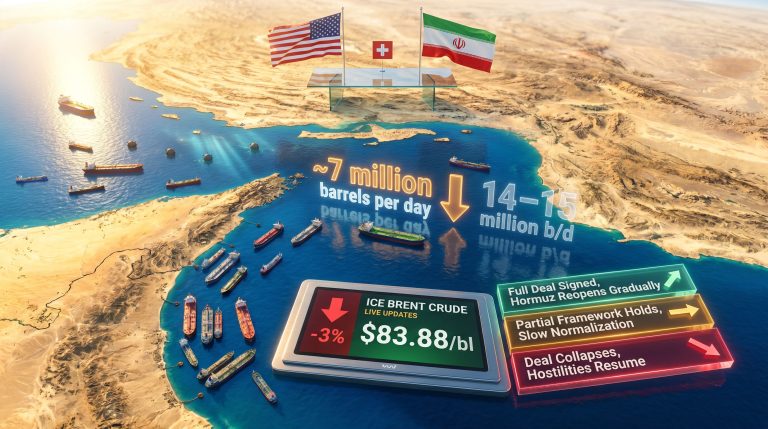
Strategic waterways serve as critical arteries for aluminum trade, with the Strait of Hormuz representing one of the most significant potential disruption points. According to Reuters Senior Metals Columnist Andy Home, aluminum markets face what he characterises as a slow-burn supply crisis that will prove difficult to resolve. This assessment reflects the gradual nature of supply constraints rather than sudden market shocks.
The vulnerability of maritime aluminum trade stems from several structural factors. In addition, these vulnerabilities are compounded by geopolitical tensions:
- Limited alternative routing options when primary shipping lanes become inaccessible
- Increased transportation costs when cargo must be diverted to longer routes
- Port capacity constraints at alternative facilities lacking specialised aluminum handling equipment
Middle Eastern production facilities contribute significantly to global aluminum output, making the region's export infrastructure critical for maintaining supply balance. When geopolitical tensions affect shipping through key maritime passages, the aluminum market experiences immediate pressure as traders anticipate potential shortages.
Regional conflicts can force aluminum producers to halt or reduce operations, particularly at facilities that depend on export markets for revenue generation. The complexity of restarting idled smelting capacity means that even temporary geopolitical disruptions can create extended supply deficits.
China's Production Policies Shape Global Market Dynamics
China's aluminum sector operates under environmental regulations and capacity controls that limit the country's ability to increase production in response to global supply shortages. These policy frameworks create structural constraints within the world's largest aluminum-producing nation, affecting global supply elasticity.
Moreover, China production policy decisions significantly influence the aluminum supply crisis. The Chinese government's approach to aluminum production management includes:
- Environmental compliance requirements that restrict smelter operations in certain regions
- Energy consumption targets that limit production expansion regardless of market demand
- Industrial policy priorities that emphasise domestic consumption over export growth
China's domestic aluminum consumption continues expanding across multiple sectors, including construction, automotive manufacturing, and renewable energy infrastructure. This internal demand growth reduces the volume of aluminum available for export markets, creating additional pressure on global supply chains.
The scale of China's aluminum industry means that policy decisions within the country have immediate global implications. When Chinese facilities reduce output due to environmental regulations or energy constraints, other producing regions cannot quickly compensate for the lost capacity.
Price Volatility Reflects Underlying Supply Tensions
Aluminum futures markets demonstrate heightened volatility as traders respond to supply uncertainty and inventory drawdowns. The physical aluminum market shows signs of tightness through increased premiums and reduced availability for immediate delivery contracts.
However, this price volatility mirrors trends seen across commodity markets, including oil price volatility and other metals affected by trade tensions.
Key Market Indicators:
| Metric | Current Trend | Market Impact |
|---|---|---|
| LME Warehouse Stocks | Declining | Reduced inventory buffers |
| Regional Premiums | Increasing | Higher physical delivery costs |
| Forward Curve Structure | Backwardation | Near-term supply shortage expectations |
Exchange warehouse inventories have experienced significant withdrawal patterns as consumers draw down available stocks. This inventory depletion creates reduced buffers against future supply disruptions and contributes to price volatility.
Furthermore, automotive manufacturers are accelerating stockpiling efforts amid ongoing supply chain disruptions.
Current aluminum market conditions reflect a fundamental shift from surplus to deficit, with physical delivery premiums reaching levels that indicate genuine supply constraints rather than speculative positioning.
The aluminum price response to supply pressures demonstrates the market's recognition that current constraints may persist longer than typical cyclical adjustments. Forward pricing curves suggest that market participants expect elevated prices to continue until new production capacity becomes available.
How Do Trade Wars Impact Aluminum Markets?
The aluminum supply crisis has been exacerbated by broader trade tensions affecting global commodity flows. Consequently, US-China trade impacts have created additional complexity in aluminum supply chains.
Tariff policies, particularly US steel-aluminum tariffs, have reshaped trade patterns and forced market participants to develop alternative sourcing strategies. These policy interventions create additional layers of supply chain complexity.
Infrastructure Investment Requirements for Supply Security
Addressing the aluminum supply crisis requires substantial capital investment in new smelting facilities and supporting infrastructure. The development timeline for aluminum production capacity spans multiple years due to complex permitting, construction, and commissioning processes.
New aluminum smelter development faces several challenges:
- Environmental impact assessments requiring extensive regulatory approval processes
- Access to reliable electricity supply at competitive industrial rates
- Transportation infrastructure for raw material inputs and finished product shipment
- Skilled workforce availability for specialised smelting operations
The capital intensity of aluminum production creates barriers to rapid capacity expansion. Individual smelting facilities require hundreds of millions in investment, with construction periods extending over several years before reaching full operational capacity.
Regional governments recognise the strategic importance of domestic aluminum production capability but face competing priorities for infrastructure investment funding. The long-term nature of aluminum projects requires sustained policy support throughout development cycles.
Alternative Supply Strategies and Market Adaptation
Industries dependent on aluminum are implementing supply chain diversification strategies to reduce vulnerability to future disruptions. These approaches include developing relationships with multiple suppliers across different geographic regions and adjusting inventory management practices.
Supply Chain Resilience Measures:
- Multi-regional sourcing agreements to reduce dependence on single production areas
- Strategic inventory management balancing carrying costs against supply security
- Long-term contract structures providing price stability and guaranteed allocation
- Recycling capacity investment to increase secondary aluminum availability
Secondary aluminum production from recycled materials offers partial relief from primary smelting constraints. However, recycled aluminum cannot fully substitute for primary production due to quality requirements and limited scrap availability relative to total demand.
Material substitution analysis reveals limited alternatives to aluminum in many applications due to the metal's unique combination of properties including corrosion resistance, conductivity, and strength-to-weight ratio.
The next major ASX story will hit our subscribers first
Future Outlook for Global Aluminum Supply Balance
The aluminum supply crisis requires a multifaceted resolution approach involving capacity expansion, infrastructure development, and supply chain optimisation. Market participants expect the current supply deficit conditions to persist until sufficient new production capacity becomes operational.
Timeline for Supply Normalisation:
| Development Phase | Duration | Key Requirements |
|---|---|---|
| Project Planning | 2-3 years | Regulatory approval, financing |
| Construction | 3-4 years | Infrastructure, equipment installation |
| Commissioning | 6-12 months | Testing, optimisation |
| Full Capacity | 1-2 years | Operational refinement |
Industry analysts project that resolving the current aluminum supply constraints will require sustained investment in production capacity across multiple regions. The geographic distribution of new capacity development will influence future supply chain resilience and reduce dependence on individual producing areas.
Demand growth projections for aluminum continue showing strong fundamentals driven by electrification trends, lightweight automotive applications, and renewable energy infrastructure development. This sustained demand growth compounds the challenge of achieving supply-demand balance.
What Long-term Solutions Are Available?
The aluminum supply crisis represents a structural shift requiring long-term strategic responses rather than short-term market adjustments. Stakeholders across the aluminum value chain must adapt to a new reality where supply security considerations play an increasingly important role in operational and investment decisions.
For instance, investment in recycling infrastructure and technology development could provide sustainable solutions to supply constraints. Additionally, regional production capacity development reduces dependence on vulnerable supply routes.
Disclaimer: This analysis is based on publicly available information and market observations. Aluminum markets are subject to significant volatility and geopolitical influences that may affect actual outcomes differently than projected. Readers should conduct independent research and consult qualified professionals before making investment or business decisions based on this information.
Ready to Capitalise on Commodity Market Disruptions?
Discovery Alert's proprietary Discovery IQ model delivers real-time notifications on significant ASX mineral discoveries, transforming complex market data into actionable investment opportunities during periods of supply chain uncertainty. Begin your 14-day free trial today and gain the market-leading advantage needed to identify emerging opportunities before broader market recognition.