
July 10, 2026
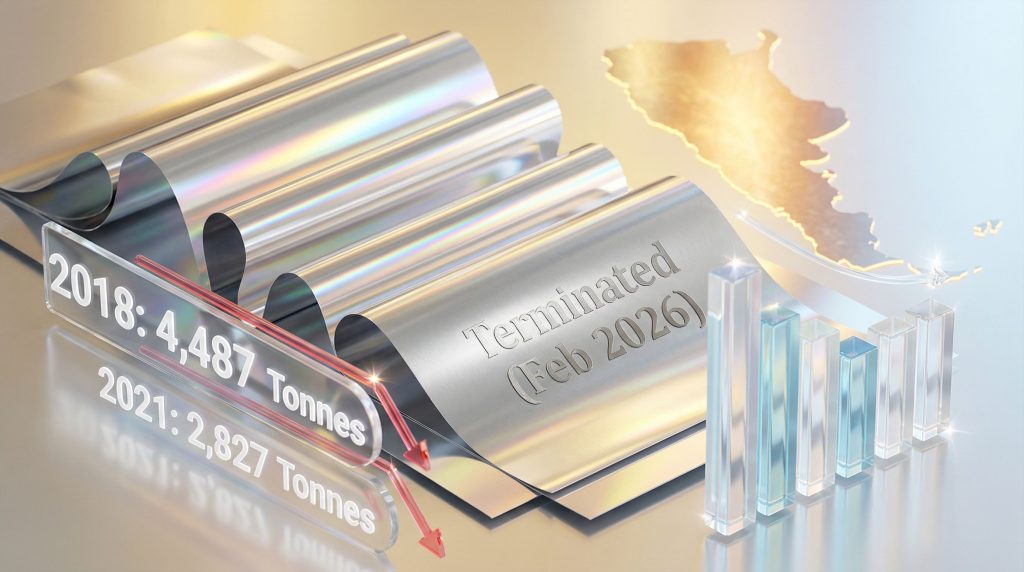
International trade policy operates within complex frameworks where economic protection meets consumer welfare considerations. The World Trade Organization's anti-dumping mechanisms create structured pathways for countries to balance domestic industry protection against market competition principles. Understanding why did argentina end anti-dumping duties on chinese aluminium foils requires examining how tariffs impact markets and broader economic forces. These regulatory frameworks establish five-year review cycles that prevent indefinite protectionism while allowing temporary market intervention when unfair pricing practices threaten local producers.
What Economic Forces Drive Anti-Dumping Policy Reversals in Latin America?
Trade defense reversals across Latin American markets reflect evolving economic priorities where governments reassess the balance between industrial protection and consumer benefits. Argentina's February 2026 termination of Chinese aluminum foil duties through Resolution 172/2026 demonstrates how economic circumstances can shift dramatically within standard five-year protection periods. Furthermore, the broader implications of US economy tariffs influence regional trade policy decisions.
Understanding the WTO Framework for Trade Defense Measures
The World Trade Organization permits anti-dumping measures under Article VI of the General Agreement on Tariffs and Trade, allowing member states to impose protective duties when foreign goods enter markets below fair value and cause demonstrable injury to domestic industries. These measures require rigorous evidence including price undercutting documentation, market share analysis, and profitability impact assessments.
Anti-dumping investigations must establish three critical elements:
• Dumping margin calculation – Export price versus normal value differential
• Material injury evidence – Quantified harm to domestic producers
• Causal relationship – Direct link between dumped imports and industry damage
• Public interest consideration – Broader economic impact beyond protected industry
How Five-Year Review Cycles Shape Protection Strategies
Under WTO Anti-Dumping Agreement Article 11.3, protective measures automatically expire after five years unless governments conduct sunset reviews proving continued necessity. This mandatory expiration mechanism prevents permanent trade barriers while allowing renewal when dumping persists and injury would likely recur without protection.
Argentina's 2020-2026 protection period for aluminum foil followed this standard timeline, with Resolution 88/2020 establishing the initial 28% duty rate based on calculated dumping margins. The February 2026 termination occurred precisely at the five-year automatic expiration point, indicating no domestic industry petition for renewal.
Market Concentration vs. Consumer Price Impact Analysis
Economic forces driving policy reversals often centre on shifting cost-benefit calculations where initial protection objectives become counterproductive. When import volumes decline substantially and domestic prices remain artificially elevated, governments face pressure to restore market competition for downstream user industries. Additionally, understanding how tariffs affect commodity stocks provides insight into broader market dynamics.
Key Economic Indicators for Policy Reversal:
| Factor | Protection Phase | Reversal Trigger |
|---|---|---|
| Import Volume | Declining due to duties | Sustained suppression achieved |
| Domestic Prices | Stabilised above dumped levels | Artificially inflated vs. global rates |
| Market Competition | Reduced foreign pressure | Limited competitive alternatives |
| Consumer Impact | Secondary consideration | Primary policy concern |
When big ASX news breaks, our subscribers know first
How Do Bilateral Trade Dynamics Influence Aluminum Market Access?
Bilateral trade relationships between manufacturing exporters and resource-rich importers create structural dependencies that influence anti-dumping policy decisions. China's position as a major processed aluminum exporter intersects with Argentina's primary aluminum production capacity to create complementary trade patterns that governments must navigate carefully. Consequently, analysing the US–China trade war reveals similar dynamics affecting global trade relationships.
China's Manufacturing Cost Advantages in Processed Aluminum Products
China's aluminum processing industry benefits from large-scale production economies that enable competitive export pricing across multiple product categories. The integration of primary smelting, rolling, and fabrication operations within industrial clusters reduces per-unit costs for manufactured goods including foil, sheets, and semi-finished products.
Manufacturing advantages include:
• Scale economies – Large production volumes reducing fixed cost allocation
• Vertical integration – Combined smelting and processing operations
• Infrastructure efficiency – Established supply chain networks
• Technology deployment – Advanced rolling and fabrication equipment
Argentina's Primary Production vs. Downstream Processing Gap
Argentina maintains significant primary aluminum production capacity through smelting operations but operates a smaller downstream processing industry relative to domestic demand for manufactured aluminum products. This structural imbalance creates import dependence for processed goods while potentially competing in global metal markets.
The processing gap influences trade policy by:
• Creating natural import demand for manufactured products
• Limiting domestic industry injury claims in certain product categories
• Establishing complementary rather than directly competitive trade relationships
• Reducing political pressure for extended protection periods
Regional Supply Chain Dependencies in South American Markets
Regional aluminum trade patterns within South America create complex policy considerations where bilateral protection measures can disrupt established supply chains. Brazil's exclusion from Argentina's aluminum tube duties (maintaining 75.5% rates on Chinese imports) demonstrates selective protection strategies that maintain regional trade relationships while targeting specific country concerns.
Argentina-China Aluminum Trade Data (2018-2021):
| Year | Volume (Tonnes) | Value (USD Million) | Average Price (USD/Tonne) |
|---|---|---|---|
| 2018 | 4,487 | 16.63 | 3,706 |
| 2019 | 4,236 | 14.73 | 3,477 |
| 2020 | 3,491 | 11.66 | 3,340 |
| 2021 | 2,827 | 10.89 | 3,852 |
What Triggered Argentina's 2020 Anti-Dumping Investigation Against Chinese Foil?
Argentina's 2020 investigation launch followed established patterns where declining import prices coincided with increasing market penetration by Chinese suppliers. The formal investigation process required documented evidence of both dumping practices and material injury to domestic aluminum foil producers.
Price Undercutting Evidence and Domestic Industry Impact Assessment
The investigation period revealed sustained price pressure on domestic producers as Chinese aluminum foil entered Argentine markets at progressively lower unit values. Average import prices declined from $3,706 per tonne in 2018 to $3,340 per tonne in 2020, representing a 9.9% reduction during the investigation period.
Documented injury indicators included:
• Price undercutting – Chinese imports consistently priced below domestic production
• Market share erosion – Local producers losing sales volume to imports
• Profit margin compression – Domestic manufacturers unable to maintain pricing
• Production capacity underutilisation – Reduced manufacturing operations
Import Volume Analysis: 2018-2021 Decline Patterns
Import volume trends provided crucial evidence for both investigation initiation and subsequent policy reversal. The 22.2% volume decline from 2018 to 2020 (4,487 to 3,491 tonnes) continued through 2021, reaching 37% cumulative reduction to 2,827 tonnes.
This declining pattern suggested:
• Market correction – Natural adjustment to competitive pricing
• Demand substitution – Domestic production capturing market share
• Economic cycles – Broader economic factors affecting import demand
• Policy effectiveness – Anti-dumping measures achieving protective objectives
Local Producer Market Share Protection Mechanisms
Argentina's National Commission for Foreign Trade (CNCE) conducted technical injury assessments determining that domestic aluminum foil producers required protection from unfair Chinese pricing practices. The 28% duty rate applied to Free on Board export values represented calculated dumping margins necessary to neutralise price advantages.
"The investigation established that Chinese aluminum foil pricing created unsustainable competitive conditions for domestic manufacturers, justifying temporary protection measures under WTO-compliant anti-dumping procedures." – CNCE Report
Why Did Market Conditions Change Between 2020 and 2026?
Market dynamics evolved significantly during the five-year protection period as the intended objectives of import volume reduction and price stabilisation were achieved. By 2026, continued protection appeared counterproductive to broader economic interests including consumer welfare and downstream industry competitiveness. Understanding why did argentina end anti-dumping duties on chinese aluminium foils requires examining these changing market fundamentals.
Effectiveness of 28% Tariff Barriers on Import Substitution
The 37% cumulative import volume decline from 2018 to 2021 demonstrated that protective duties successfully reduced Chinese market penetration while allowing domestic producers to stabilise operations. This achievement of core protection objectives reduced justification for continued trade barriers.
Protection Effectiveness Metrics:
• Import suppression – Sustained volume reduction below pre-duty levels
• Price recovery – Unit values increased to $3,852/tonne by 2021
• Market stabilisation – Reduced volatility in domestic pricing
• Industry viability – Domestic producers maintained operations
Domestic Price Inflation vs. Global Aluminum Market Trends
Global aluminum price movements between 2020 and 2026 influenced Argentina's policy reassessment as London Metal Exchange prices reflected broader market conditions affecting input costs for downstream industries. Artificially elevated domestic prices through continued protection could disadvantage Argentine manufacturers using aluminum foil in packaging and industrial applications.
Economic considerations included:
• Input cost competitiveness – Downstream industry price pressures
• Consumer welfare – Broader economic benefits from market competition
• Export competitiveness – Argentine manufacturers' global positioning
• Inflation management – Domestic price level considerations
Competition Policy Concerns in Protected Markets
Extended protection periods can create market distortions where reduced competition leads to inefficiencies and higher consumer costs. Argentina's decision to terminate duties reflected recognition that continued protection might harm broader economic interests despite benefits for specific domestic producers.
What Makes Aluminum Tubes Different from Foil in Trade Defense Cases?
Product complexity and market behaviour differences between aluminum foil and tubes justify distinct trade defense approaches. While foil represents a standardised commodity product, tubes serve diverse industrial applications creating more complex injury analysis requirements.
Product Complexity and End-Use Application Analysis
Aluminum foil (HS Code 7607) functions as a commodity product with standardised specifications primarily serving packaging applications. Aluminum tubes (HS Code 7608) represent semi-finished goods serving multiple downstream industries including automotive, construction, and machinery manufacturing.
Product Classification Differences:
| Characteristic | Aluminum Foil | Aluminum Tubes |
|---|---|---|
| HS Code | 7607.11.90 | 7608 |
| Thickness | 0.021-0.2mm | Variable wall thickness |
| Applications | Packaging, food industry | Automotive, construction, machinery |
| Market behaviour | Stable demand patterns | Cyclical industrial demand |
| Production complexity | Standardised rolling | Diverse extrusion/drawing processes |
Import Volume Volatility Patterns for Tube Products
Aluminum tube imports displayed significantly more volatile patterns compared to foil's steady decline, complicating injury analysis and policy decisions. The 58.9% volume decline from 2018 to 2020 (482 to 198 tonnes) followed by 97.5% recovery in 2021 (391 tonnes) suggests cyclical rather than sustained dumping impacts.
Tube Import Volatility Analysis:
| Year | Volume (Tonnes) | Value (USD Million) | Price Volatility |
|---|---|---|---|
| 2018 | 482 | 1.91 | Baseline |
| 2019 | 344 (-28.6%) | 1.89 (-1.0%) | Moderate decline |
| 2020 | 198 (-58.9%) | 0.88 (-54.0%) | Sharp contraction |
| 2021 | 391 (+97.5%) | 2.14 (+143%) | Strong recovery |
75.5% Duty Levels: Proportionality in Trade Defense
The 75.5% duty rate on Chinese aluminum tubes significantly exceeds the 28% foil duty, reflecting calculated dumping margins specific to tube product categories. Higher duty rates suggest more severe price undercutting evidence in tube markets, justifying continued investigation despite foil duty termination.
This differential treatment demonstrates:
• Product-specific analysis – Individual dumping margin calculations
• Market condition assessment – Distinct competitive dynamics
• Injury threshold variations – Different impact levels across products
• Policy sophistication – Nuanced rather than blanket protection approaches
How Do Sunset Reviews Function in International Trade Law?
WTO sunset review mechanisms provide structured frameworks for reassessing anti-dumping measures at mandatory five-year intervals. These procedures balance trade liberalisation principles with legitimate industry protection needs through evidence-based policy evaluation.
Automatic Expiration Mechanisms for Anti-Dumping Measures
Article 11.3 of the WTO Anti-Dumping Agreement establishes automatic termination unless governments demonstrate continued dumping likelihood and injury recurrence probability. This default expiration approach places burden of proof on protection advocates rather than trade liberalisation supporters.
Sunset Review Requirements:
• Initiated review – Government or industry petition before expiration
• Continued dumping evidence – Ongoing unfair pricing practices
• Injury likelihood assessment – Probable harm if duties removed
• Public interest consideration – Broader economic impact evaluation
Changed Circumstances Analysis Requirements
WTO jurisprudence recognises changed circumstances doctrine allowing duty termination before five-year expiration when fundamental market conditions shift. Argentina's aluminum foil case potentially qualifies under this framework given substantial import volume decline and price stabilisation.
Changed circumstances may include:
• Market structure evolution – Competitive landscape transformation
• Producer behaviour modification – Exporter pricing practice changes
• Economic condition shifts – Broader macroeconomic factors
• Policy objective achievement – Protection goals successfully met
Industry Petition Rights and Renewal Procedures
Domestic industries maintain rights to petition for duty renewal before sunset review deadlines, requiring comprehensive evidence of continued dumping and injury threats. The absence of such petitions in Argentina's foil case suggests industry acceptance of market condition changes, explaining why did argentina end anti-dumping duties on chinese aluminium foils without significant domestic opposition.
The next major ASX story will hit our subscribers first
What Are the Economic Implications of Removing Trade Barriers?
Trade barrier removal creates ripple effects across multiple economic sectors as competitive pressures return and price levels adjust to global market conditions. Argentina's foil duty termination will likely benefit downstream users while potentially challenging domestic producers.
Consumer Price Benefits in Packaging and Industrial Sectors
Downstream industries utilising aluminum foil inputs should experience cost reductions as import competition returns and domestic prices adjust downward. Packaging manufacturers, food processors, and industrial users will benefit from expanded supplier options and competitive pricing.
Potential cost savings include:
• Direct input costs – Lower aluminum foil purchase prices
• Supply chain flexibility – Multiple supplier options
• Quality competition – Improved product specifications through competition
• Innovation incentives – Technology advancement pressure
Competitive Pressure on Domestic Aluminum Processing
Domestic aluminum foil producers will face renewed competitive pressure requiring operational efficiency improvements and potential market repositioning. Companies may need to focus on product differentiation, customer service excellence, or niche market segments to maintain viability.
Strategic responses may involve:
• Cost structure optimisation – Operational efficiency improvements
• Product differentiation – Value-added offerings development
• Market segmentation – Focus on specialised applications
• Service enhancement – Customer relationship strengthening
Import Volume Projection Models Post-Liberalisation
Import volumes will likely stabilise at moderate levels rather than returning to pre-2020 peaks as market conditions have evolved. Economic modelling suggests gradual import recovery constrained by established domestic supply relationships and transportation costs.
Projected market scenarios:
• Gradual recovery – Imports increase to 3,500-4,000 tonnes annually
• Price convergence – Domestic prices align closer to global levels
• Market share stabilisation – Balanced competition between imports and domestic production
• Supply chain integration – Optimal sourcing mix development
Could Argentina Reimpose Anti-Dumping Duties in the Future?
WTO trade defense rules permit duty reimposition if new dumping evidence emerges and domestic industry injury can be demonstrated. Argentina retains policy flexibility to respond to future unfair trade practices while operating within established international legal frameworks.
WTO-Compliant Reinvestigation Triggers
Future anti-dumping investigations require fresh evidence of dumping practices and material injury, independent of previous case history. Changed market conditions since 2026 would necessitate new data collection and analysis rather than relying on historical findings.
Reinvestigation requirements include:
• New dumping evidence – Current pricing practice documentation
• Fresh injury analysis – Recent impact assessment on domestic industry
• Market condition evaluation – Updated competitive landscape analysis
• Public interest assessment – Broader economic impact consideration
Domestic Industry Injury Threshold Requirements
WTO injury standards require demonstrable harm including price undercutting, production volume decline, market share loss, or profitability deterioration. Future investigations would need contemporary evidence rather than historical data from previous protection periods.
Regional Trade Agreement Considerations with China
Argentina's broader economic relationship with China through various cooperation agreements could influence future trade defense decisions. Bilateral investment projects and commodity export relationships may create political considerations affecting anti-dumping policy implementation. The Argentina-China aluminum trade dynamics demonstrate these complex bilateral relationships.
What Does This Signal for Latin American Trade Policy Trends?
Argentina's selective approach to trade defense termination reflects sophisticated policy analysis prioritising economic efficiency over blanket protectionism. This nuanced framework may influence regional trade policy development across Latin American markets.
Balancing Industrial Protection with Consumer Welfare
Modern trade policy increasingly weighs domestic industry protection against broader consumer benefits and economic competitiveness. Argentina's decision demonstrates evolution toward evidence-based policy making rather than automatic protection renewal.
Policy balance considerations:
• Industry viability – Domestic production capability maintenance
• Consumer welfare – Price level and choice availability
• Economic efficiency – Resource allocation optimisation
• Competitive positioning – Global market integration benefits
Resource Sector Export Focus vs. Manufacturing Import Dependence
Resource-rich Latin American economies often prioritise export competitiveness in commodities while accepting import dependence for manufactured goods. This strategic positioning influences trade defense policy toward selective rather than comprehensive protection.
Regional Integration vs. Global Supply Chain Access
Latin American trade policy trends reflect tension between regional integration objectives and global supply chain participation. Selective protection strategies like Argentina's aluminum approach allow countries to maintain both regional relationships and global market access.
"Argentina's differential treatment of aluminum foil versus tubes demonstrates sophisticated case-by-case analysis rather than blanket protectionism, prioritising market competition and consumer benefits over indefinite industrial protection."
Frequently Asked Questions About Anti-Dumping Policy Changes
What is the standard duration for anti-dumping measures globally?
WTO rules establish five years as the maximum initial duration for anti-dumping duties, with automatic expiration unless sunset reviews demonstrate continued necessity. This timeframe balances temporary protection needs with trade liberalisation principles.
How do developing countries balance industrial protection with trade liberalisation?
Developing economies typically employ selective protection strategies targeting strategic industries while maintaining market access for essential imports. Argentina's approach exemplifies this balance through product-specific analysis rather than broad-based protection.
What role do sunset reviews play in preventing permanent trade barriers?
Mandatory sunset reviews ensure anti-dumping measures remain temporary and evidence-based rather than becoming permanent protectionist tools. This mechanism promotes dynamic trade policy responsive to changing economic conditions. In essence, understanding why did argentina end anti-dumping duties on chinese aluminium foils requires examining these systematic review processes.
Disclaimer: This analysis presents educational information about international trade policy mechanisms and specific country case studies. Trade policy decisions involve complex economic and political considerations that may change rapidly. Readers should consult official government sources and legal experts for current regulatory information and specific compliance requirements.
Looking for Your Next Aluminium Investment Opportunity?
Discovery Alert's proprietary Discovery IQ model delivers real-time notifications on significant ASX mineral discoveries, including aluminium and other base metals that could benefit from shifting global trade dynamics. With major policy changes affecting international commodity markets, subscribers gain instant access to actionable trading opportunities powered by advanced AI analysis of daily ASX announcements. Begin your 14-day free trial today and position yourself ahead of market-moving discoveries.