August 6, 2026
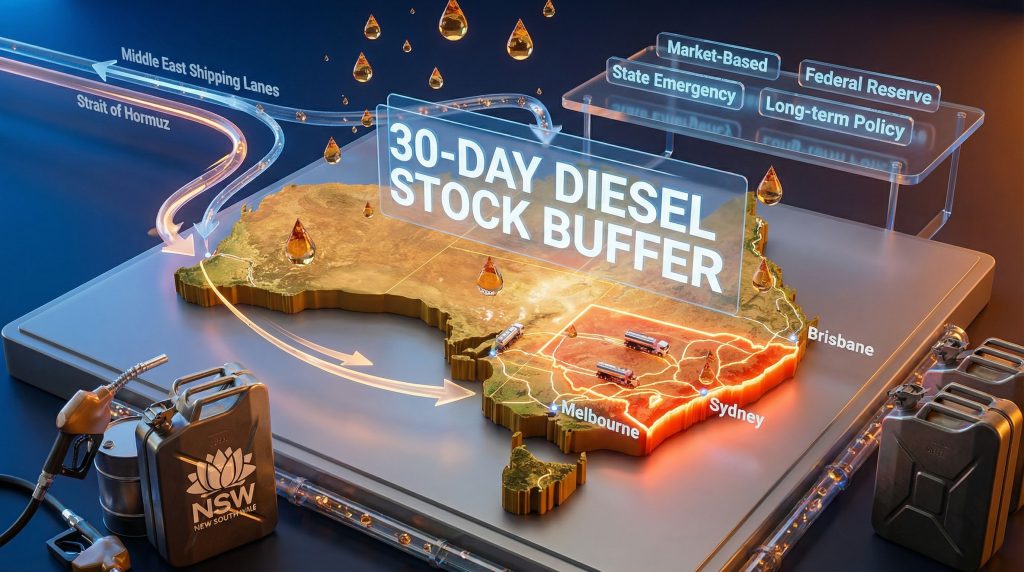
Australia's energy infrastructure operates within an intricate web of global supply chains, import dependencies, and strategic reserves that can be disrupted by geopolitical events thousands of kilometers away. When fuel stations run out of diesel in NSW, they reveal fundamental vulnerabilities in distribution networks while testing the effectiveness of emergency response mechanisms across multiple levels of governance.
Understanding Australia's Fuel Supply Chain Vulnerabilities
Critical Dependencies in Australia's Diesel Distribution Network
Australia's fuel distribution system exhibits distinct structural weaknesses that become apparent during supply disruptions. As of March 2026, over 107 fuel stations across NSW experienced diesel shortages, with independent retailers bearing the brunt of supply constraints compared to major integrated suppliers.
The crisis highlighted how independent fuel retailers, who source their fuel from importers rather than maintaining direct supply contracts, face disproportionate exposure during shortages. When supply chains tighten, importers implement rationing mechanisms that prioritise existing contractual commitments, leaving non-contracted buyers with limited access to fuel supplies.
Current fuel stock levels across Australia reveal the narrow margins within which the system operates:
- Gasoil: 30 days at normal consumption rates
- Gasoline: 37 days at normal consumption rates
- Jet fuel: 29 days at normal consumption rates
These inventory levels, while meeting minimum requirements, provide limited buffer against demand spikes or supply disruptions. The concentration of storage facilities in major ports creates regional vulnerabilities, particularly for inland areas dependent on road transport for fuel distribution.
The Role of Panic Buying in Amplifying Supply Disruptions
Consumer behaviour during energy crises transforms manageable supply constraints into acute shortages through demand amplification effects. During the March 2026 crisis, panic buying significantly outstripped available supply, creating a feedback loop that accelerated station closures across NSW.
Sales velocity data reveals the magnitude of demand spikes during crisis periods. Typical sales levels for gasoline and diesel doubled within just 10 days during early March 2026, overwhelming distribution networks designed for normal consumption patterns.
Factors contributing to panic buying behaviour include:
- Media coverage of initial shortages creating widespread awareness
- Uncertainty about duration and severity of supply constraints
- Limited public information about government response measures
- Regional variation in supply chain resilience and recovery timelines
This consumer response pattern demonstrates how psychological factors can transform limited supply disruptions into systemic shortages, highlighting the importance of communication strategies during energy emergencies. The severe fuel shortages affected over 100 stations across New South Wales, underlining the scale of the crisis.
When big ASX news breaks, our subscribers know first
How Do Global Events Impact Local Fuel Availability in Australia?
Middle East Supply Chain Disruption Analysis
The March 2026 NSW diesel shortage exemplified how distant geopolitical conflicts can rapidly affect Australian fuel markets. The US-Iran conflict, beginning February 28, 2026, created cascading effects throughout global energy supply chains that ultimately reached Australian consumers.
Furthermore, the US‑China trade war impact on global markets has intensified pressures on energy supply chains worldwide. These geopolitical tensions create a volatile environment for international fuel trade.
Iranian drone attacks on regional refineries on March 19, 2026, directly impacted global supply capacity:
| Location | Facility | Capacity | Impact |
|---|---|---|---|
| Qatar | Ras Laffan complex | 305,000 b/d | Extensive damage to Pearl GTL and LNG facilities |
| Kuwait | Mina al-Ahmadi | 346,000 b/d | Fires reported, operational status unclear |
| Kuwait | Mina Abdullah | 454,000 b/d | Unit struck, fire damage |
| Saudi Arabia | Samref Yanbu | 400,000 b/d | Drone strike confirmed |
The Strait of Hormuz disruption particularly affected global markets, as approximately 20% of EU and UK fuel imports passed through this critical shipping route in 2025. This chokepoint vulnerability demonstrates how regional conflicts can create worldwide supply chain disruptions.
European diesel price impacts reflected global market stress:
- Diesel cargoes from ARA hub reached $69.17/barrel premium to North Sea Dated crude on March 18, 2026
- This represented the second-highest premium on market records
- Refining margins more than doubled since the conflict began
Strategic Petroleum Reserve Utilisation Framework
Australia's strategic response mechanism involves coordinated release of domestic reserves to stabilise markets during supply disruptions. On March 13, 2026, the Australian government authorised the release of up to 762 million litres (4.8 million barrels) of gasoline and gasoil from domestic reserves.
This release operated through the Minimum Stockholding Obligation (MSO) framework, reducing required stock levels for affected companies and effectively increasing market supply. The 30-day strategic diesel stock buffer provides a crucial stabilisation tool during short-term disruptions.
Reserve release decision-making considers multiple factors:
- Current stock levels relative to consumption patterns
- Duration and severity of supply disruptions
- Regional distribution of shortages
- Coordination with state-level emergency responses
The timing of reserve releases proves critical, as early intervention can prevent panic buying while delayed responses may allow shortages to become entrenched in consumer behaviour patterns. However, the OPEC production impact on global prices continues to influence Australian fuel markets significantly.
What Emergency Powers Can State Governments Use During Fuel Shortages?
NSW Energy and Utilities Administration Act Provisions
NSW Premier Chris Minns declared an energy supply emergency on March 20, 2026, utilising specific powers under the state's Energy and Utilities Administration Act. This legislation provides comprehensive authority to manage fuel distribution during crisis periods.
The Act grants the Premier authority to implement several emergency measures:
- Distribution Control: Direct fuel distribution to specific regions based on priority needs
- Mandatory Supplier Allocation: Force suppliers to sell fuel to designated customers
- Business Control Authority: Assume operational control of businesses that supply fuel
- Regional Coordination: Coordinate with federal authorities and neighbouring states
These powers represent significant government intervention in market operations, designed for use when normal market mechanisms prove insufficient to ensure essential service continuity. The legislation balances emergency authority with procedural safeguards to prevent misuse.
Federal vs. State Response Coordination
Australia's multi-tiered governance structure requires coordination between federal strategic reserves and state emergency powers during fuel crises. The federal government established a national fuel supply taskforce to produce supply outlooks and coordinate response measures across jurisdictions.
Federal response mechanisms include:
- Strategic reserve releases through MSO adjustments
- Industry consultation and compliance monitoring
- Interstate fuel movement coordination
- Long-term supply security policy development
State-level responses focus on:
- Regional distribution management
- Emergency services fuel prioritisation
- Consumer communication and public safety
- Local supply chain monitoring
This division of responsibility allows tailored responses while maintaining national coordination, though it can create complexity in implementation during rapidly evolving crises.
Which Regions and Industries Face the Greatest Risk During Diesel Shortages?
Agricultural Sector Vulnerability Assessment
Agricultural operations depend heavily on diesel fuel for machinery operations, transport, and seasonal activities. NSW's agricultural sector faces particular vulnerability during diesel shortages due to timing coincidence with critical farming activities.
Winter sowing season requirements create specific vulnerabilities:
- Large-scale machinery operations require guaranteed fuel supplies
- Remote locations limit alternative fuel source access
- Time-sensitive planting schedules cannot accommodate delays
- Food security implications multiply shortage impacts
Regional agricultural areas often rely on independent fuel retailers with limited storage capacity, making them particularly susceptible to supply chain disruptions that affect smaller operators disproportionately.
Transport and Logistics Impact Scenarios
Australia's declining domestic crude oil production intensifies reliance on imported fuels, creating systemic vulnerability across transport networks. Domestic crude production declined from 277,000 b/d in 2011 to 61,000 b/d in 2025, fundamentally altering the country's energy security profile.
Heavy vehicle fleet constraints during shortages create cascading effects:
- Interstate freight movement disruptions
- Regional supply chain bottlenecks
- Economic multiplier effects across industries
- Essential service delivery complications
The concentration of economic activity in major urban centres increases vulnerability to transport disruptions, as regional areas depend on road freight for most consumer goods and industrial supplies. Consequently, the energy exports challenges facing Australia have become increasingly apparent during such disruptions.
How Effective Are Market-Based vs. Regulatory Solutions for Fuel Security?
Price Mechanism Response Analysis
Market-based price signals provide rapid allocation mechanisms during shortages, but their effectiveness depends on consumer elasticity and availability of substitutes. European diesel markets during the March 2026 crisis demonstrated how price mechanisms respond to supply constraints.
Price signal effectiveness varied by market segment:
- ICE April gasoil: $1,347.75/tonne, up 7% from previous day close
- Front-month gasoil premium: $157/tonne to second-month futures
- Diesel refining margins: More than doubled since conflict began
These price increases reflected supply scarcity while incentivising demand reduction and supply expansion. However, essential services and agricultural operations demonstrate limited price elasticity, reducing market mechanism effectiveness for these sectors. Moreover, the oil price movements during this period reflected broader global tensions affecting energy markets.
International regulatory responses varied significantly:
| Country | Measure | Implementation | Objective |
|---|---|---|---|
| Brazil | 50% export tax on diesel | March 12, 2026 | Retain domestic supply |
| Australia | Strategic reserve release | March 13, 2026 | Stabilise market supply |
| NSW | Emergency powers declaration | March 20, 2026 | Direct distribution control |
Rationing and Allocation System Design
Regulatory solutions provide direct allocation control but require substantial administrative infrastructure and enforcement mechanisms. Rationing systems typically prioritise essential services while managing civilian access through quotas or restrictions.
Historical precedent analysis suggests several design principles:
- Clear priority hierarchies for different user categories
- Transparent allocation criteria and appeal processes
- Enforcement mechanisms with appropriate penalties
- Regular review and adjustment procedures
Implementation challenges include administrative complexity, enforcement costs, and potential for black market development. Success depends heavily on public cooperation and perceived fairness of allocation criteria.
What Long-Term Strategies Can Strengthen Australia's Fuel Resilience?
Domestic Refining Capacity Enhancement
Australia extended its Fuel Security Services Payment (FSSP) program through June 30, 2030, maintaining operational capacity at the country's two remaining refineries. This policy framework demonstrates commitment to domestic refining capability despite challenging economic conditions.
Updated FSSP parameters effective March 20, 2026:
- Subsidy level: A$0.018/litre (unchanged)
- Eligibility threshold: Increased to A$15.90/barrel margin (from A$7.30/barrel)
- Margin cap: A$13/barrel (up from A$7.30/barrel)
- Total funding package: A$2.3 billion for refinery upgrades and fuel storage
Current refinery operations demonstrate modest profitability:
| Operator | Location | Capacity | 2025 Production | Refining Margins |
|---|---|---|---|---|
| Viva Energy | Geelong, VIC | 120,000 b/d | 99,000 b/d | A$9.90/barrel |
| Ampol | Lytton, QLD | 109,000 b/d | 95,000 b/d | A$10.34/barrel |
The program balances market viability with strategic security objectives, providing subsidies when margins fall below sustainable levels while maintaining incentives for efficient operations.
Alternative Fuel Transition Pathways
Long-term fuel security increasingly depends on diversifying energy sources and reducing petroleum dependency across transport sectors. Electric vehicle adoption, biofuel development, and hydrogen infrastructure represent key transition pathways.
Transition strategy considerations include:
- Infrastructure development timelines: Charging networks, hydrogen production, biofuel facilities
- Technology adoption curves: Consumer acceptance, cost competitiveness, performance characteristics
- Industrial transition requirements: Heavy transport, agricultural machinery, remote operations
- Grid capacity and renewable energy integration: Supporting increased electricity demand
The federal government's resistance to implementing rationing during the March 2026 crisis reflected confidence in market mechanisms and strategic reserve adequacy. This approach prioritises supply chain resilience over direct market intervention. Additionally, lithium industry innovations are contributing to the development of alternative energy storage solutions that may reduce future fuel dependencies.
The next major ASX story will hit our subscribers first
Frequently Asked Questions About NSW Diesel Shortages
How Many Fuel Stations Actually Ran Out of Diesel?
At least 107 fuel stations across NSW experienced diesel shortages during the March 2026 crisis, with independent retailers disproportionately affected compared to major brand stations. Recovery timelines varied by location and supplier relationships, with most stations resuming normal operations within one week of the emergency declaration.
Will Fuel Rationing Be Implemented in NSW?
The Australian federal government resisted implementing formal rationing measures, instead establishing a national fuel supply taskforce to monitor supply conditions and coordinate responses. State emergency powers remain available for future crises if market-based solutions prove insufficient.
How Do Australia's Fuel Reserves Compare Internationally?
Australia maintains strategic reserves meeting international standards, with 30-day diesel stocks at normal consumption rates. International Energy Agency guidelines recommend 90-day import cover, which Australia achieves through a combination of domestic stocks and international coordination agreements.
Key Takeaways: Building Resilient Fuel Supply Systems
The March 2026 NSW diesel shortage revealed both vulnerabilities and strengths in Australia's fuel security framework. Supply chain diversification, early intervention capabilities, and coordinated emergency responses proved crucial in managing the crisis.
Strategic Response Framework Effectiveness:
| Response Level | Mechanism | Implementation Timeline | Crisis Effectiveness |
|---|---|---|---|
| Market-Based | Price signals, voluntary allocation | Immediate | Moderate |
| Federal Strategic | Reserve release, MSO adjustment | 3-7 days | High |
| State Emergency | Distribution controls, mandatory sales | 24-48 hours | High |
| Long-term Policy | Refinery incentives, diversification | 2-10 years | Very High |
Critical success factors for fuel security include:
- Early warning systems: Monitoring global supply chain risks and market indicators
- Flexible response mechanisms: Combining market-based and regulatory tools
- Regional coordination: Managing interstate fuel movements and shared resources
- Communication strategies: Preventing panic buying through transparent information sharing
The crisis demonstrated that Australia's fuel security depends on maintaining strategic reserves, supporting domestic refining capacity, and developing alternative energy infrastructure. Future resilience requires balancing immediate response capabilities with long-term transition strategies toward energy diversification.
This analysis is based on publicly available information and market reports. Fuel security policies continue evolving in response to changing global conditions and technological developments. Readers should consult current government sources for the latest policy information and emergency procedures.
Looking for Energy Security Investment Opportunities?
Discovery Alert's proprietary Discovery IQ model delivers real-time alerts on significant mineral discoveries across energy-critical commodities, helping investors identify actionable opportunities in lithium, uranium, copper, and rare earth elements that underpin Australia's energy transition. With fuel security vulnerabilities highlighting the importance of domestic resource development, subscribers gain immediate access to discoveries that could transform Australia's energy independence landscape through rapid market insights and analysis.