June 16, 2026
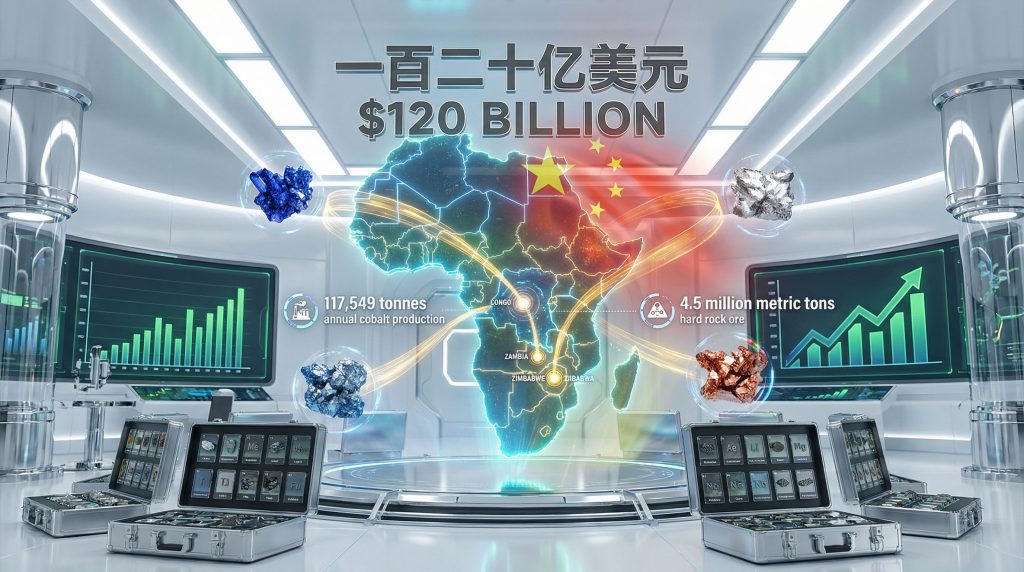
Beijing's investment in critical minerals represents a transformative force reshaping global resource markets and geopolitical dynamics. Through systematic acquisition strategies exceeding $120 billion since 2023, China has fundamentally altered access to materials essential for renewable energy, electric vehicles, and advanced manufacturing. This comprehensive approach demonstrates the evolving intersection of critical minerals energy security and strategic resource diplomacy.
The emergence of comprehensive mineral acquisition strategies represents more than opportunistic investment—it signals a fundamental shift toward resource diplomacy and economic leverage through strategic positioning. Understanding these evolving dynamics becomes critical for navigating transformed commodity markets and geopolitical landscapes.
Beijing's Investment in Critical Minerals: Scale and Strategic Architecture
China's systematic approach to securing critical mineral resources represents one of the most comprehensive resource acquisition campaigns in modern economic history. Through carefully orchestrated investments, Beijing has fundamentally altered the global landscape for materials essential to renewable energy transitions. The scale reflects what analysts describe as a big pivot in critical minerals strategy, positioning China at the centre of global supply chains.
According to Beijing's massive $120 billion critical minerals push, these investments operate through sophisticated financing mechanisms, primarily via China Exim Bank. The strategy combines resource extraction rights with substantial infrastructure development commitments across multiple continents.
The scale of Beijing's investment in critical minerals extends across four primary material categories: lithium, copper, nickel, and rare earth elements. These investments demonstrate advanced processing methodology combining multiple production stages.
Key Investment Metrics:
- Total overseas mining and processing investments: $120 billion since 2023
- Rare earth refining control: 90% of global operations
- Battery component processing dominance: 90% of global capacity
- Lithium processing control: 60% of global capacity
- Investment timeline: Concentrated surge between 2023-2026 with commitments through 2040
Processing Facility Technical Specifications
The technical sophistication of these operations demonstrates advanced processing methodology combining multiple production stages. Zimbabwe's lithium operations exemplify this integrated approach through Zhejiang Huayou Cobalt's comprehensive processing complex.
Stage 1 Processing Capabilities:
- Hard rock ore processing capacity: 4.5 million metric tons annually
- Initial investment: $300 million (commissioned 2023)
- Lithium concentrate output: 450,000 metric tons annually
Stage 2 Value-Added Processing:
- Lithium sulphate production facility investment: $400 million (commissioned 2025)
- Annual lithium sulphate output: 50,000+ metric tons
- Integration benefit: Direct battery manufacturing supply chain
Vertical Integration Strategy Implementation
Beijing's approach seeks to establish what strategists term vertical integration dominance—controlling the complete pathway from ore extraction through finished product manufacturing. This differs fundamentally from traditional commodity trading relationships where producers sell raw materials to international processors. Furthermore, this strategy deliberately creates dependencies in Western supply chains.
By controlling processing of critical minerals essential to renewable energy and electric vehicles, China positions itself to influence global energy transition timelines and technological development pathways. Access to battery materials becomes a non-military instrument of statecraft, reflecting broader mining industry evolution trends.
When big ASX news breaks, our subscribers know first
Geographic Concentration and Resource Corridor Development
The geographic distribution of Beijing's investment in critical minerals reflects deliberate corridor development strategy rather than dispersed global investments. China constructs an integrated African resource corridor spanning West, Central, and Southern Africa.
| Country | Primary Resource | Investment Amount | Key Project | Production Capacity |
|---|---|---|---|---|
| Democratic Republic of Congo | Cobalt, Copper | $7 billion (through 2040) | Kisanfu (CMOC); Sicomines JV | 117,549 tonnes cobalt (2025) |
| Zimbabwe | Lithium | $700 million | Arcadia processing complex | 50,000+ tonnes lithium sulphate |
| Zambia | Copper | $1 billion | Southeast Ore Body (CNMC) | 100,000-110,000 tonnes copper concentrate |
| Guinea | Iron Ore | $3.2 billion | Simandou (Chinalco) | Development phase |
| Mali | Lithium | $1.8 billion | Goulamina (Jiangxi Ganfeng) | Development phase |
Democratic Republic of Congo Operations
CMOC Group Limited operates the Kisanfu cobalt project, completing its first phase in 2023. The company first gained DRC foothold through acquiring a majority stake in the Tenke Fungurume Mine from Freeport-McMoRan in 2016. This strategic acquisition positioned CMOC to become the world's largest cobalt and copper producer.
CMOC Production Metrics:
- 2025 cobalt output: 117,549 tonnes (record achievement)
- 2026 cobalt target: 100,000-120,000 tonnes
- 2026 copper production target: 760,000-820,000 tonnes
- Market position: Surpassing Glencore in global cobalt production
The Sino-Congolaise des Mines joint venture exemplifies the minerals-for-infrastructure model. Chinese consortium holds 68% stake while DRC's Gécamines maintains 32%. Under revised agreements, Chinese partners committed $7 billion in infrastructure investment through 2040, covering roads, hospitals, and power grid improvements.
Zambian Copper Belt Integration
China's CNMC became the first Chinese firm to invest in Zambia's copper assets following privatisation, acquiring Chambishi Copper Mine in 1998. The 2018 Southeast Ore Body expansion project involved nearly $1 billion investment, featuring high-level digitalisation and automation through partnerships with Sandvik Mining and Rock Technology.
Technical Specifications:
- Annual copper concentrate production: 100,000-110,000 tonnes
- Technology integration: Advanced automation and digitalisation systems
- Operational timeline: Active since 2018 with ongoing expansion
- Strategic significance: Establishes technological dependencies on Chinese-integrated systems
Infrastructure-Resource Exchange Mechanisms
The infrastructure-resource integration model combines simultaneous infrastructure development with resource extraction rights. This approach fills real infrastructure gaps across developing economies while rapidly securing long-term supply agreements with minimal Western competitive interference. Moreover, these mechanisms reflect broader industry consolidation trends across global mining markets.
Joint Venture Structural Framework
The DRC Sicomines model demonstrates sophisticated ownership structures balancing host country sovereignty with operational control. Recent restructuring in March 2026 reinforced Chinese commitment to infrastructure development while maintaining resource access.
Sicomines Operational Structure:
- Chinese consortium ownership: 68% stake
- DRC Gécamines ownership: 32% stake
- Infrastructure commitment: $7 billion through 2040
- Mining rights: Large-scale open-pit copper and cobalt mines in Lualaba Province
- Geographic scope: Multiple high-grade mines across DRC's mineral-rich regions
Processing Localisation Strategy
Recent expansion into local processing indicates transition from raw material extraction to value-capture at source. This strategy creates technology dependencies and manufacturing expertise concentration within Chinese-controlled facilities while generating tax revenue and employment in host nations.
Morocco's upcoming battery manufacturing facility by Gotion High-Tech represents strategic expansion beyond Africa's traditional role as raw material supplier. The $5.6 billion investment in Kenitra creates the continent's first Chinese-owned battery gigafactory, establishing vertical integration from African mines to global electric vehicle markets.
Strategic Chokepoint Creation and Market Control
Beijing's investment in critical minerals creates functional chokepoints where export controls, supply chain modifications, or pricing adjustments can be implemented with minimal alternative pathways available. The concentration of 90% rare earth refining globally means virtually all critical minerals pass through Chinese-controlled processing infrastructure.
DRC Market Concentration Analysis
China controls over 70% of DRC's active cobalt and copper mines, creating unprecedented concentration in single-country resource production. DRC produces approximately 70% of global cobalt supply, meaning Chinese control over DRC operations influences worldwide battery manufacturing capabilities. In addition, this concentration pattern extends across multiple resource categories.
Market Control Indicators:
- DRC cobalt production dominance: 70% of global supply
- Chinese mining control in DRC: 70% of active operations
- Processing integration: Extraction through battery manufacturing stages
- Supply agreement duration: Commitments extending through 2040 and beyond
Technology Transfer and Dependency Creation
Partnerships with equipment manufacturers such as Sandvik Mining and Rock Technology provide digitalisation and automation capabilities while establishing technical dependencies on Chinese-integrated systems. These technology partnerships reduce operational costs while creating long-term service and upgrade dependencies.
The systematic approach combines immediate supply security objectives with strategic geopolitical positioning, extending beyond simple resource extraction to encompass entire value chains from raw material extraction through processing to finished product manufacturing. Furthermore, the Zijin Mining expansion exemplifies how individual companies execute these broader strategic objectives.
Execution Advantages and Competitive Positioning
Beijing's state-backed financing through entities like China Exim Bank enables rapid decision-making without lengthy regulatory approval processes that Western companies navigate. The centralised decision-making structure allows coordination between resource acquisition, infrastructure development, and strategic positioning goals.
Speed and Decision-Making Benefits
Chinese Model Advantages:
- Rapid project approval and implementation
- State-backed financing eliminating private sector constraints
- Integrated approach combining mining, processing, and infrastructure
- Long-term strategic planning aligned with national objectives
- Minimal regulatory hurdles compared to Western democratic processes
Western Challenges:
- Complex regulatory approval requirements
- Private sector financing limitations and quarterly performance pressures
- Environmental and social governance compliance costs
- Fragmented decision-making across multiple stakeholders
- Shorter investment horizons driven by shareholder returns
Financial Mechanism Sophistication
The minerals-for-infrastructure financing model creates parallel benefits: host countries receive critical infrastructure improvements while China secures long-term resource access and processing rights. These arrangements typically stipulate minimum annual purchase volumes at negotiated prices, protecting China from supply shocks while guaranteeing market access.
China Exim Bank financing enables comprehensive project packages including mining equipment, processing facilities, transportation infrastructure, and supporting services. This integrated approach reduces per-project infrastructure costs while increasing Chinese strategic control through technological and financial dependencies.
Host Country Trade-offs and Economic Implications
Several host countries are taking on significant debt tied to these projects, with places like Djibouti and Angola already carrying heavy external debt loads linked to Chinese financing. The economic spillover has often fallen short of expectations as Chinese operators frequently bring their own labour and materials.
Debt Sustainability Concerns
High-Risk Indicators:
- Djibouti debt-to-GDP ratio: 77% with Chinese creditors
- Angola Chinese loan exposure: $25 billion secured by oil revenues
- Zambia revenue pledging: Copper earnings against infrastructure debt
- Sri Lanka precedent: Port facilities transferred to Chinese control due to debt service difficulties
Limited Local Economic Benefits
The infrastructure provision generates political goodwill, making it difficult for host governments to renegotiate terms or redirect resources to Western entities. However, technology transfer and local employment generation remain limited due to Chinese preference for importing equipment and skilled labour.
Economic Impact Assessment:
- Job creation: Primarily in extraction rather than value-added processing
- Technology transfer: Limited due to proprietary process protection
- Local sourcing: Minimal equipment and materials procurement from host countries
- Revenue generation: Export earnings offset by debt service obligations
The next major ASX story will hit our subscribers first
Western Counter-Strategies and Alternative Development
Western nations implement comprehensive counter-strategies addressing both supply chain diversification and domestic capacity building. These initiatives aim to reduce dependence on Chinese-controlled processing while developing alternative resource partnerships.
US Critical Minerals Security Initiative
Domestic Capacity Building:
- Defense Production Act funding: $2.8 billion
- Rare earth processing facility development programmes
- Strategic reserve establishment following petroleum reserve models
- University and private sector research partnerships
International Partnership Development:
- Minerals Security Partnership with allied nations
- Alternative supply chain financing mechanisms
- Technology sharing agreements for processing capabilities
- Joint stockpiling arrangements for supply security
European Union Critical Raw Materials Act
The EU's €22.5 billion investment across 47 strategic projects includes €3 billion fast-track funding for urgent developments. The initiative targets 10% domestic processing by 2030 while establishing strategic partnership agreements with resource-rich nations.
Innovation Focus Areas:
- Advanced recycling technologies development
- Substitution material research programmes
- Circular economy integration initiatives
- Reduced material intensity in manufacturing processes
Investment Implications and Market Opportunities
Beijing's comprehensive critical minerals strategy creates both direct exposure opportunities and alternative supply chain investment potential. Understanding these dynamics becomes essential for navigating transformed commodity markets and identifying emerging opportunities.
Research from China's multibillion minerals investment track record indicates significant market transformation across resource-dependent economies.
Direct Exposure Investment Strategies
Major Resource Companies with Chinese Partnerships:
- Ivanhoe Mines: Kamoa-Kakula copper complex partnership with Zijin Mining
- Freeport-McMoRan: Historical DRC operations experience through Tenke Fungurume
- Glencore: Diversified critical minerals exposure across multiple regions
Infrastructure and Technology Enablers:
- Mining equipment manufacturers with African operations
- Port and logistics companies serving resource corridors
- Renewable energy developers for mining operations
- Technology companies developing material substitutes
Alternative Supply Chain Opportunities
Western-Backed Development Projects:
- North American lithium processing facilities
- Australian rare earth separation plants
- European battery recycling operations
- Substitution technology development companies
Emerging Market Considerations:
- Resource nationalism risks in host countries
- Environmental compliance cost increases
- Labour rights and social responsibility requirements
- Technology transfer restrictions and sanctions exposure
Future Evolution Through 2030
Beijing's investment in critical minerals strategy will likely evolve through technology integration, market expansion, and adaptation to geopolitical pressures. Advanced processing capabilities, AI-driven optimisation, and automated facility deployment will enhance operational efficiency while maintaining strategic control.
Technology Integration Scenarios
Advanced Processing Capabilities:
- AI-driven mineral extraction optimisation systems
- Automated processing facility deployment
- Integrated renewable energy systems for operations
- Waste reduction and environmental compliance technologies
Market Expansion Opportunities:
- South American lithium triangle development
- Australian rare earth partnership negotiations
- Central Asian mineral corridor establishment
- Arctic region resource exploration initiatives
How Will Geopolitical Tensions Affect Future Expansion?
Potential friction areas include export control implementation, technology transfer restrictions, environmental standard enforcement, and labour rights requirements. Chinese operators will likely adapt through joint venture structures with local partners, enhanced transparency standards, environmental technology integration, and community benefit sharing mechanisms.
Strategic Adaptation Elements:
- Joint venture structures increasing local ownership
- Enhanced transparency and governance standards
- Environmental technology integration for compliance
- Community benefit sharing mechanisms
- Diplomatic engagement for political risk mitigation
Long-term Strategic Implications
Beijing's systematic $120 billion critical minerals investment campaign represents fundamental transformation in global resource control dynamics. This comprehensive approach combines immediate supply security with long-term geopolitical positioning, creating both opportunities and vulnerabilities across international markets.
The success of this strategy depends on maintaining political stability in host countries, managing debt sustainability concerns, and adapting to evolving Western counter-strategies. For investors and policymakers, understanding these dynamics becomes essential for navigating the transformed landscape of critical materials markets through 2030 and beyond.
The ultimate outcome will likely determine commodity prices, global energy transition pace, technological development direction, and geopolitical power distribution in the coming decade. As these investments mature and processing capabilities expand, the strategic implications will reshape not just resource markets but the fundamental architecture of global economic relationships.
Want to Stay Ahead of Critical Minerals Market Movements?
Discovery Alert's proprietary Discovery IQ model delivers real-time alerts on significant ASX mineral discoveries, instantly empowering subscribers to identify actionable opportunities ahead of the broader market. Begin your 14-day free trial today and secure your market-leading advantage whilst China's strategic investments continue reshaping global commodity dynamics.