
July 24, 2026
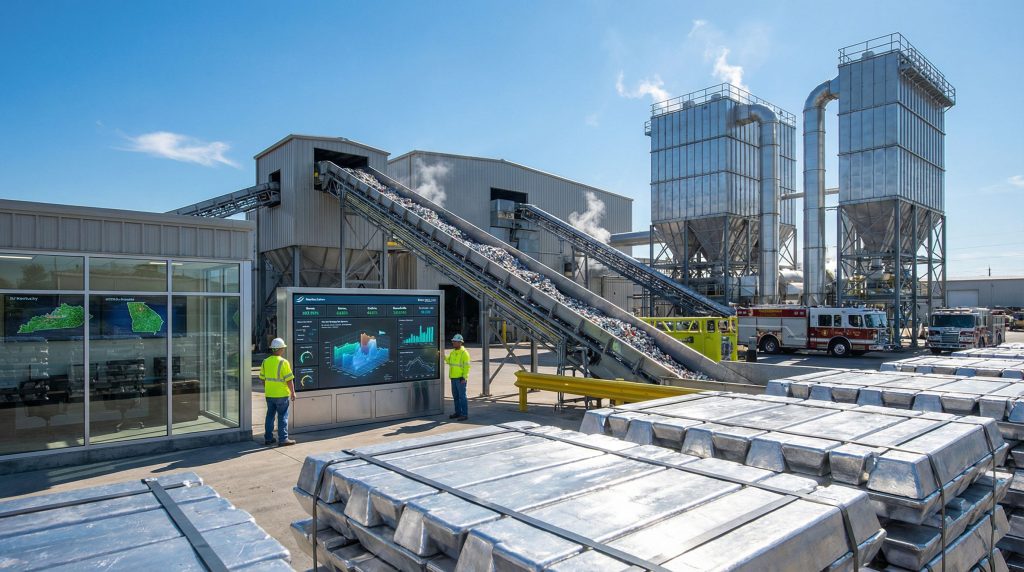
The blast halts novelis plant operations in georgia incident at the Greensboro facility on March 1, 2026, underscores critical vulnerabilities in modern aluminum processing operations. Industrial safety systems face mounting scrutiny as aluminum processing facilities worldwide grapple with evolving dust explosion risks and operational complexity. Modern baghouse dust collection equipment, whilst essential for environmental compliance, presents unique hazard profiles that demand sophisticated predictive maintenance benefits and emergency response capabilities. Furthermore, the intersection of recycling operations, automated systems, and skeleton crew staffing creates vulnerability points that extend far beyond individual facility boundaries.
Understanding Baghouse System Failures in Metal Processing
Baghouse dust collection systems represent critical safety infrastructure in aluminum recycling operations, yet their failure modes can trigger catastrophic industrial incidents. The Novelis Georgia facility explosion demonstrates how equipment malfunctions cascade through interconnected processing zones, highlighting the importance of data-driven operations in modern metal processing environments.
Technical Breakdown of Dust Collection Equipment Malfunction
Greene County Emergency Management Director Joe Bashore identified that the explosion originated from baghouse equipment and caused significant structural damage to the closest building. The incident resulted in secondary fires spreading to aluminium scrap stockpiles and conveyor belt systems, illustrating the rapid escalation potential inherent in metal processing environments.
Baghouse systems operate by drawing particulate-laden air through fabric filter bags, concentrating combustible aluminium dust in confined spaces. These systems process dust generated during:
• Metal cutting and shredding operations
• Casting processes involving molten aluminium
• Ingot handling and cooling procedures
• Material transfer via conveyor systems
Aluminium particulate matter presents exceptional ignition hazards due to its low minimum ignition energy of 1-5 millijoules and high combustion velocity once ignited. The dust characteristics create explosion thresholds between 20-40 g/m³, significantly lower than many other industrial dusts.
Role of Aluminium Particulate Accumulation
The combustion reaction of aluminium dust (4Al + 3O₂ → 2Al₂O₃ + heat) generates extremely high temperatures exceeding 3,000 Kelvin with exceptional violence. Industry data indicates aluminium dust explosions achieve Kst values of 80-150 bar·m/s, classifying them among the most severe industrial explosion hazards.
Historical precedent demonstrates the catastrophic potential of similar failures. The West Pharmaceutical Services incident in 2003 killed six workers when inadequate dust removal protocols contributed to a baghouse explosion. Similarly, the Imperial Sugar Refinery explosion in Port Wentworth, Georgia, resulted in 14 fatalities and 38 injuries when dust handling systems failed.
Comparison with Similar Industrial Incidents
| Incident | Year | Facility Type | Casualties | Primary Cause |
|---|---|---|---|---|
| West Pharmaceutical | 2003 | Pharmaceutical | 6 killed | Baghouse maintenance gaps |
| Imperial Sugar | 2008 | Food processing | 14 killed, 38 injured | Dust handling system failure |
| Novelis Georgia | 2026 | Aluminium processing | 0 injuries | Baghouse equipment malfunction |
When big ASX news breaks, our subscribers know first
Emergency Response Protocol Effectiveness
The successful evacuation of all 16 workers from the Novelis facility without injuries demonstrates effective immediate response procedures, yet reveals critical considerations for skeleton crew operations during reduced staffing periods. Recent reports from Fox5 Atlanta detailed the extensive emergency response required for this major fire incident.
Evacuation Procedures for Skeleton Crew Operations
Skeleton crew staffing presents distinct emergency response challenges:
• Limited redundancy in emergency coordination roles
• Reduced capacity for simultaneous equipment monitoring
• Potential delays in hazard detection and external communication
• Geographic dispersion of personnel across large facility footprints
OSHA Process Safety Management standards (29 CFR 1910.119) mandate enhanced protocols for facilities operating with minimal crews, including automated monitoring systems and redundant alarm networks. However, understanding mining permitting basics becomes crucial when evaluating regulatory compliance frameworks.
Fire Suppression Systems Performance
The rapid fire spread across multiple operational zones suggests challenges in automated suppression effectiveness. The incident affected building structures, aluminium scrap areas, and conveyor systems, indicating either:
• Absence of suppression systems in all affected zones
• Insufficient capacity to contain fire spread
• System damage from the initial explosion
NFPA 13 standards for sprinkler installation specify enhanced protection requirements for facilities handling combustible metals, particularly in dust collection areas and scrap storage zones.
Production Disruptions and Supply Chain Impact
The Greensboro facility's role in used beverage can (UBC) recycling creates supply chain vulnerabilities extending throughout North American aluminium processing networks. Consequently, this incident demonstrates how individual facility failures can cascade through interconnected industrial systems.
Beverage Can Manufacturing Dependencies
The facility processes UBC materials and 5182 scrap aluminium used specifically for beverage can end manufacturing. This specialised material stream feeds directly into Novelis rolling mills for sheet production serving beverage industry customers.
According to the Aluminium Association, approximately 50% of all beverage cans worldwide contain recycled aluminium content. In North America, 44.5 million tons of aluminium beverage cans circulated in 2024, with recycling rates reaching 46.0% in 2023.
The UBC recycling process follows a critical sequence:
- Collection and sorting of used beverage containers
- Shredding into small metal fragments
- Density separation to remove contaminants
- Melting in induction furnaces at approximately 660°C
- Casting into ingot form (typically 500+ kg units)
- Transport to rolling facilities for sheet production
Casting Operations Redistribution Strategy
Novelis management indicated the company would leverage three Kentucky facilities (Berea, Guthrie, Russellville) and one New York location (Oswego) to absorb Greensboro production volumes. This redistribution strategy faces significant constraints given prior operational disruptions.
The Oswego facility experienced multiple fires in Q4 2025 that disrupted hot-rolling mill operations and automotive sheet production. This prior incident demonstrates that available spare capacity cannot be presumed across the alternative facility network.
Redistribution Requirements:
• Additional furnace operating hours at receiving facilities
• Increased cooling and conditioning capacity
• Extended shift operations or overtime protocols
• Enhanced transportation logistics for 500+ kg ingot shipments
Broader Industrial Safety Implications
The blast halts novelis plant operations in georgia incident highlights systematic vulnerabilities in aluminium processing risk assessment and operational continuity planning across the industry. Moreover, it reflects broader industry innovation trends affecting safety protocols in metal processing operations.
Aluminium Processing Risk Assessment Framework
NFPA 664 standards recommend quarterly visual inspections for baghouse systems, with specific requirements for:
• Automatic pulse-cleaning systems with pressure monitoring
• Daily dust removal to non-combustible containers
• Isolated exhaust systems with spark detection
• Prominent hazard identification on all dust collection equipment
Industry compliance with these standards varies significantly, with many facilities operating legacy equipment predating current safety protocols. The specific maintenance history and compliance status of the Greensboro baghouse system remain undisclosed.
Operational Continuity Planning Considerations
Equipment Monitoring Systems:
Modern aluminium processing facilities increasingly deploy:
• Real-time pressure monitoring in dust collection systems
• Automated temperature alerts in baghouse operations
• Particle size analysis for dust accumulation assessment
• Remote monitoring capabilities for skeleton crew operations
Insurance and Liability Frameworks:
Industrial accidents involving dust explosions typically trigger:
• Property damage assessments for equipment replacement
• Business interruption claims for production losses
• Regulatory investigation processes by OSHA and state authorities
• Premium adjustments for high-risk operational profiles
Aluminium Market Dynamics and Competitive Impact
The production disruption creates ripple effects throughout regional aluminium markets, particularly in scrap metal pricing and competitive positioning. Argus Media reports indicate that the blast halts novelis plant operations in georgia has broader implications for aluminium market dynamics.
Scrap Metal Pricing Implications
UBC and 5182 scrap demand-supply balance shifts when major processing capacity goes offline. Regional pricing variations typically emerge within 2-3 weeks following capacity constraints, as alternative processors adjust purchasing strategies.
Historical Price Response Patterns:
| Disruption Type | Typical Price Impact | Duration |
|---|---|---|
| Single facility shutdown | 3-8% regional premium | 4-12 weeks |
| Multi-facility disruption | 10-15% price increase | 3-6 months |
| Market-wide capacity constraint | 15-25% sustained increase | 6+ months |
Competitive Landscape Adjustments
Market share redistribution among aluminium processors accelerates during capacity disruptions. Customer contract fulfilment strategies become critical competitive differentiators, particularly for beverage industry accounts with rigid delivery schedules.
Customer Relationship Management:
• Force majeure clause activation in supply agreements
• Alternative sourcing arrangements with competing processors
• Pricing adjustments reflecting transportation and logistics premiums
• Long-term capacity planning reassessment by major customers
Recovery Timeline and Reconstruction Planning
Industrial facility recovery from dust explosion incidents typically requires 6-18 months depending on structural damage extent and regulatory approval processes. However, implementing sustainability transformation principles during reconstruction can enhance long-term operational resilience.
Damage Assessment and Equipment Replacement
Baghouse system replacement involves:
• Engineering assessment of structural integrity
• Equipment procurement with enhanced safety specifications
• Installation and commissioning under regulatory oversight
• Testing and certification before operational restart
Regulatory Approval Processes:
OSHA investigations following dust explosion incidents typically require:
• Root cause analysis documentation
• Corrective action plans addressing identified deficiencies
• Enhanced safety protocol implementation
• Third-party safety audits before restart authorisation
Production Ramp-Up Strategies
Facility recommissioning follows phased restart procedures:
- Structural repairs and equipment installation
- Safety system testing and certification
- Workforce retraining on updated procedures
- Limited production trials under enhanced monitoring
- Full capacity restoration following performance validation
Quality control measures during recommissioning include enhanced aluminium ingot specifications and customer approval processes for resumed shipments.
The next major ASX story will hit our subscribers first
Long-Term Strategic Implications
The incident catalyses broader industry reassessment of supply chain resilience and safety infrastructure investment priorities. Furthermore, it demonstrates the interconnected nature of modern industrial operations and their vulnerability to single-point failures.
Supply Chain Resilience Enhancement
Diversification Strategies:
• Geographic distribution of critical processing assets
• Redundant capacity planning across facility networks
• Strategic partnerships with alternative processors
• Emergency response protocols for capacity disruptions
Investment in Safety Infrastructure
Capital allocation priorities shift toward:
• Advanced monitoring systems for real-time hazard detection
• Automated suppression technology for dust explosion prevention
• Redundant safety systems minimising single points of failure
• Predictive maintenance programmes for critical equipment
Financial Impact Assessment:
| Investment Category | Typical Cost Range | ROI Timeline |
|---|---|---|
| Baghouse system upgrade | $2-5 million | 3-5 years |
| Advanced monitoring | $500K-1.5 million | 2-3 years |
| Enhanced suppression | $1-3 million | Immediate risk reduction |
| Predictive maintenance | $200K-800K annually | 1-2 years |
The blast halts novelis plant operations in georgia represents a critical case study in industrial safety management and supply chain vulnerability assessment. As the aluminium processing industry continues expanding recycling capacity to meet environmental mandates, the lessons learned from this incident will influence safety protocol development and operational resilience planning across the sector. In addition, this incident highlights the critical importance of comprehensive risk management strategies in modern industrial operations.
This analysis is for informational purposes only and should not be considered as investment advice. Industrial accidents involve complex factors and recovery timelines may vary significantly from historical precedents. Readers should consult relevant regulatory authorities and industry professionals for facility-specific safety assessments.
Ready to Capitalise on Industrial Metal Market Disruptions?
Discovery Alert's proprietary Discovery IQ model delivers real-time notifications on significant mineral discoveries across the ASX, helping investors identify actionable opportunities when industrial disruptions create supply chain volatility in the metals sector. Start your 14-day free trial today and discover why major mineral discoveries can generate substantial returns during periods of market uncertainty.