June 7, 2026
Understanding Capacity Constraints in Modern Steel Markets
Industrial capacity utilisation patterns fundamentally shape commodity pricing across global markets, with steel representing one of the most volatile sectors due to complex production economics and supply chain dependencies. Manufacturing industries operating with constrained capacity often demonstrate enhanced pricing power, particularly when raw material costs escalate simultaneously. This dynamic becomes especially pronounced in geographically isolated markets where import competition faces logistical barriers and domestic producers maintain strategic advantages through proximity to end users.
The relationship between production capacity and market pricing reflects broader economic principles of supply and demand equilibrium, yet steel markets exhibit unique characteristics due to high capital intensity, long investment cycles, and regulatory frameworks that influence competitive positioning. Understanding these capacity-driven pricing mechanisms provides critical insights for industrial buyers, investors, and supply chain managers navigating volatile commodity environments.
When big ASX news breaks, our subscribers know first
Structural Dynamics of UK Hot-Rolled Coil Pricing
Import Dependency and Market Segmentation
UK hot-rolled coil markets demonstrate distinct structural characteristics compared to Continental European benchmarks, primarily driven by elevated import penetration and constrained domestic production capacity. Current market conditions reflect these fundamental differences through significant pricing volatility and supply allocation mechanisms. Furthermore, these dynamics are influenced by broader US‑China trade war impacts on global steel flows.
Market Share Distribution Analysis:
| Pricing Component | UK Market | Continental Europe |
|---|---|---|
| Import Competition Share | >60% | 35-40% |
| Domestic Production Capacity | Constrained post-2024 | Stable/expanding |
| Raw Material Dependency | High import reliance | Mixed sourcing |
| Regional Pricing Power | Variable by proximity | Integrated networks |
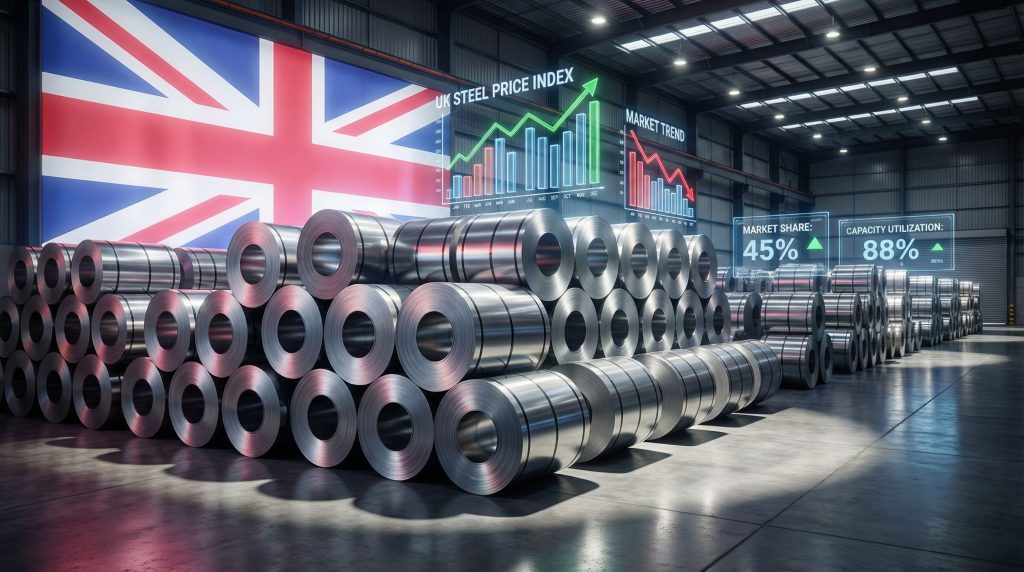
The UK market's vulnerability to external supply disruptions became evident in March 2026 when Tata Steel UK HRC price increase announcements reflected fundamental supply-demand imbalances. Service centers received fresh offers at approximately £620 per tonne delivered West Midlands, representing a substantial £125 per tonne increase from previous levels near £540-550 per tonne.
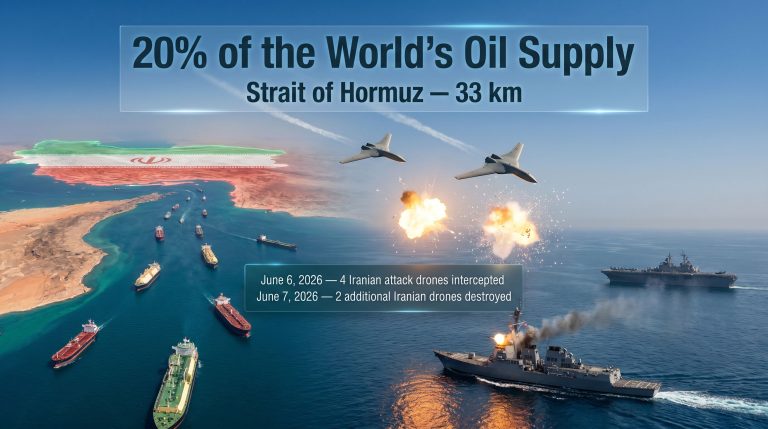
This pricing adjustment demonstrates how import-dependent markets respond to external supply shocks. Iranian slab export disruptions due to geopolitical conflicts reduced available semi-finished material that previously competed with domestic production. European mills simultaneously shifted strategies toward importing semi-finished materials rather than expanding domestic output, fundamentally altering competitive dynamics in UK markets.
Regional Distribution Networks and Logistics
Service center inventory management strategies reveal important insights about regional market structure and pricing transmission mechanisms. The West Midlands pricing benchmark reflects the UK's manufacturing concentration, where proximity to automotive and general manufacturing clusters provides domestic producers with transportation cost advantages over imported material.
Key Regional Factors:
• Manufacturing cluster density in West Midlands creates localised demand concentration
• Transportation costs from ports to inland manufacturing centers favour domestic supply
• Service center stocking strategies adjust based on price volatility expectations
• Customer relationship management becomes critical during allocation constraints
Trading activity increased significantly following price announcements, with buyers actively purchasing HRC stock at higher price levels. This behaviour indicates market acceptance of new pricing structures despite the substantial increase magnitude, suggesting constrained supply alternatives and urgent demand requirements.
Raw Material Cost Transmission Mechanisms
Slab Procurement Challenges and Global Sourcing
Raw material cost components directly influence UK steel pricing through multiple transmission channels, with slab procurement representing the most significant variable cost element for domestic producers. Current market conditions demonstrate how global supply disruptions create cascading effects through regional pricing structures. Additionally, iron ore demand insights suggest further cost pressures may emerge from upstream supply chain constraints.
Primary Cost Drivers (Q1 2026):
• Slab availability constraints following Iranian export disruptions
• Zinc coating material cost escalation affecting galvanised products
• Energy cost differentials between UK and European production
• Transportation and logistics cost components for imported inputs
Hot-dip galvanised steel pricing experienced even more pronounced increases of £140-150 per tonne for Q2 2026, indicating zinc cost inflation beyond base steel production expenses. This differential pricing reflects how coating material costs compound base metal price pressures, creating amplified volatility in downstream products.
The implementation of staggered price increases demonstrates strategic cost management approaches. Rather than imposing immediate full increases, producers applied £40 per tonne increases for May and June, with remaining adjustments phased subsequently. This approach balances margin protection requirements with customer relationship preservation during volatile periods.
Carbon Pricing and Environmental Compliance Costs
European mills' preference for importing semi-finished material over expanding domestic production reflects carbon pricing mechanism impacts on production economics. Emissions allowance costs create economic incentives favouring imports over domestic production expansion, fundamentally altering competitive positioning between domestic and international suppliers.
This dynamic illustrates how environmental regulations influence commodity pricing through indirect mechanisms. When carbon costs make domestic production expansion economically unfavourable, reduced domestic supply creates pricing leverage for existing producers while simultaneously increasing import dependency. However, the shift towards renewable energy transitions in mining and steel production may eventually reduce these cost pressures.
Market Concentration and Competitive Positioning
Domestic Supply Constraints and Pricing Power
UK steel market concentration enables significant pricing leverage despite high import competition levels. Tata Steel UK's successful implementation of substantial Tata Steel UK HRC price increase demonstrates how capacity constraints translate into market power, even in import-dependent markets. Furthermore, this pricing power is enhanced by US steel tariff impacts that affect global steel trade flows.
Allocation Strategy Indicators:
• Selective customer allocation based on historical relationships
• Complete allocation restrictions for certain customers in specific months
• Differentiated pricing implementation timelines by customer segment
• Volume commitments tied to price acceptance mechanisms
Some customers received no HRC allocation for April 2026, whilst others accessed staggered pricing with £95 per tonne initial increases. These allocation variations indicate sophisticated customer segmentation strategies where producers leverage supply scarcity to optimise both pricing and customer portfolio management.
Customer Concentration Risk and Negotiation Leverage
The differentiation between customers receiving immediate allocations versus those facing supply restrictions reveals how market concentration creates negotiation advantages for dominant producers. Geographic proximity to key manufacturing regions enhances this leverage through reduced logistics costs and supply certainty benefits.
Service centers actively trading increased volumes at higher prices demonstrate supply chain acceptance of new pricing levels. This behaviour suggests limited alternative sourcing options and critical inventory requirements that justify higher procurement costs despite demand uncertainty.
Global Trade Flow Impacts and Supply Security
International Supply Chain Disruption Effects
Global trade pattern changes significantly influence UK steel pricing through multiple interconnected mechanisms. Geopolitical disruptions affecting traditional supply sources create ripple effects that extend well beyond directly impacted regions. In addition, iron ore pricing trends indicate that upstream cost pressures may persist through 2026.
Supply Chain Vulnerability Factors:
• Middle Eastern slab export disruptions reduce European supply alternatives
• Asian shipping cost volatility affects landed prices for finished products
• Currency exchange rate fluctuations impact import competitiveness
• Trade policy modifications create uncertainty about future access conditions
The elimination of Iranian slab exports created particular challenges for European mills that previously relied on this cost-competitive supply source. This disruption forced these producers to compete for alternative slab sources, driving up input costs and reducing their ability to compete on pricing in UK markets.
Import Competition Dynamics and Sourcing Shifts
Pending quota modifications and elevated Asian shipping costs are expected to drive buyers toward European sourcing alternatives in coming months. This shift reflects how transportation cost volatility and trade policy uncertainty influence sourcing decisions beyond basic commodity price comparisons.
Risk-adjusted total cost calculations increasingly favour regional supply sources when shipping costs escalate and delivery reliability becomes uncertain. These factors enhance domestic producers' competitive positioning even when base production costs remain higher than international alternatives.
Demand Pattern Analysis and End-Use Sector Dynamics
Construction Industry Demand Cycles
UK HRC demand patterns reflect the complex interplay between multiple end-use sectors, with construction representing a significant portion of total consumption. Seasonal variations and project pipeline dynamics create predictable demand cycles that interact with supply constraints to influence pricing volatility.
Sector-Specific Demand Characteristics:
• Construction activity correlates with weather patterns and project scheduling
• Automotive manufacturing requires consistent supply with tight quality specifications
• General manufacturing demand varies with broader economic activity levels
• Export market opportunities depend on competitive positioning and logistics costs
Current low demand environment conditions contrast with successful Tata Steel UK HRC price increase implementation, suggesting supply constraints override demand weakness in determining market pricing. This dynamic illustrates how capacity limitations can maintain pricing power even during demand softness periods.
Product Differentiation and Service Levels
Sheet steel pricing remained as low as £540 per tonne despite HRC increases, indicating product differentiation strategies and inventory positioning effects on pricing transmission. Service centers maintain different pricing approaches for various product forms based on processing requirements and customer specifications.
This price differentiation demonstrates how value-added processing and customer service levels create pricing insulation from base commodity cost fluctuations. Companies providing additional processing services or maintaining strategic inventory positions can maintain margin stability during volatile input cost periods.
The next major ASX story will hit our subscribers first
Investment Implications and Strategic Considerations
Capacity Investment and Modernisation Strategies
Ongoing capacity rationalisation in UK steel markets creates both challenges and opportunities for industrial participants. Blast furnace closures reduce total supply capacity whilst potentially improving efficiency for remaining producers through reduced competition and enhanced capacity utilisation rates.
Strategic Investment Priorities:
• Electric arc furnace technology adoption for operational flexibility
• Energy efficiency improvements to reduce carbon footprint and costs
• Logistics network optimisation for competitive delivery capabilities
• Customer relationship management systems for allocation optimisation
Electric arc furnace transitions typically involve temporary capacity reductions during conversion periods, creating short-term supply constraints that benefit existing producers through enhanced pricing power. However, EAF operations require different raw material sourcing strategies and energy cost structures that may influence long-term competitive positioning.
Risk Management and Procurement Optimisation
Industrial buyers face complex decision frameworks when managing steel procurement during volatile pricing periods. Portfolio diversification across domestic and import suppliers provides supply security benefits whilst potentially increasing total procurement costs through multiple supplier relationships.
Procurement Strategy Considerations:
• Long-term contract structures versus spot market exposure balancing
• Inventory optimisation during price volatility periods
• Supplier relationship investment for allocation priority positioning
• Financial hedging instruments for commodity price risk mitigation
Forward purchasing decisions become critical during periods of supply uncertainty and price increases. Service centers and end-users must balance inventory carrying costs against potential further price increases and supply allocation restrictions.
Future Market Outlook and Structural Evolution
Technology Adoption and Production Efficiency
Modernisation investments across UK steel facilities aim to improve operational efficiency whilst reducing environmental impact. These improvements typically require multi-year implementation periods with varying impacts on production capacity and cost structures during transition phases.
Automation and process optimisation technologies can enhance productivity whilst reducing labour costs and improving product quality consistency. However, implementation timelines often extend beyond immediate market volatility periods, meaning near-term pricing dynamics remain influenced by existing capacity constraints.
Regulatory Framework Evolution
Environmental regulations and carbon pricing mechanisms will likely intensify, creating additional cost pressures for domestic production whilst potentially providing protection against imports from regions with less stringent environmental standards. These regulatory trends may enhance domestic producers' competitive positioning over time.
Safety and quality standard updates require ongoing compliance investments that influence production costs. Planning permission processes for capacity expansion projects can extend project timelines, creating longer periods of constrained supply during demand growth phases.
Furthermore, Tata Steel's latest price adjustments reflect ongoing market consolidation trends, whilst global HRC pricing data suggests continued volatility across international markets. Consequently, the UK steel market's Tata Steel UK HRC price increase represents broader structural shifts affecting global steel trade flows.
Disclaimer: This analysis is based on publicly available market data and industry reports. Steel pricing involves significant volatility and multiple risk factors. Industrial buyers and investors should conduct comprehensive due diligence and consider professional advice when making procurement or investment decisions. Market conditions and pricing dynamics can change rapidly based on geopolitical events, trade policies, and economic conditions beyond the scope of this analysis.
Could Your Portfolio Benefit From Instant ASX Discovery Alerts?
Discovery Alert's proprietary Discovery IQ model delivers real-time notifications on significant ASX mineral discoveries, transforming complex geological data into immediate investment opportunities for both short-term traders and long-term investors. Begin your 14-day free trial today and position yourself ahead of market movements that could impact commodity sectors and industrial supply chains.