May 21, 2026
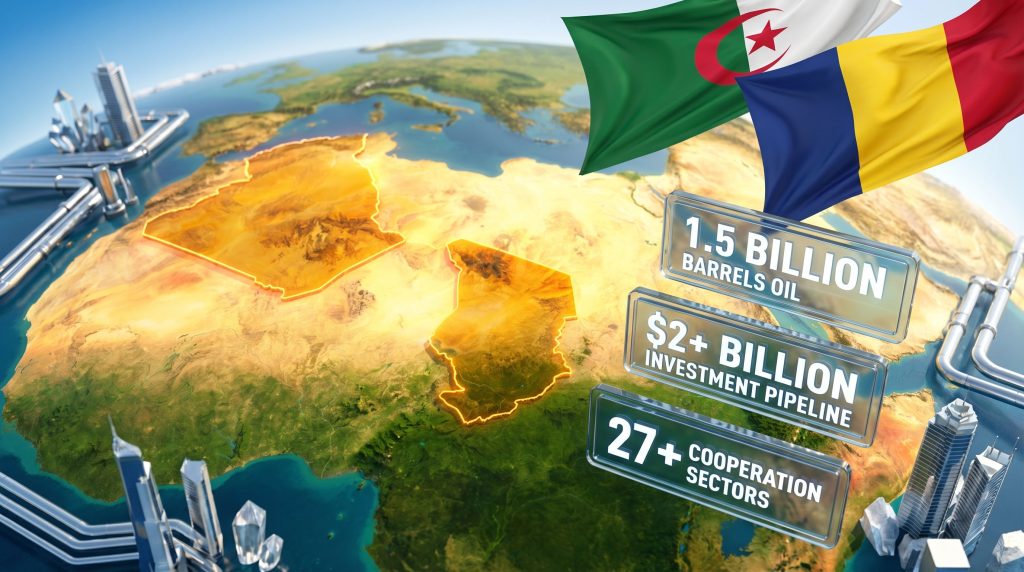
The evolving landscape of African diplomacy demonstrates how traditional bilateral relationships are transforming into comprehensive strategic partnerships that transcend historical boundaries. The recent Chad and Algeria cooperation agreements exemplify this shift, establishing frameworks that could fundamentally reshape regional collaboration models across Central and North African regions while addressing shared challenges through innovative diplomatic approaches.
Understanding Strategic Partnership Evolution in Central-North Africa
The diplomatic engagement between Chad and Algeria represents a sophisticated recalibration of regional cooperation frameworks that extends far beyond routine bilateral agreements. This comprehensive partnership encompasses multiple strategic dimensions that could fundamentally reshape how Central and North African nations approach collaborative development, security coordination, and economic integration.
Recent diplomatic activities demonstrate a systematic approach to regional engagement, with Algeria positioning itself as a key facilitator for enhanced Sahel cooperation. The framework established through these Chad and Algeria cooperation agreements creates precedent for multi-sector partnerships that address both immediate security concerns and long-term economic development objectives across traditional geographical boundaries.
Core Partnership Mechanisms:
• Joint Commission for Cooperation (fourth formal session completed)
• Political and diplomatic consultation protocols
• Multi-sector memorandums of understanding
• Visa facilitation for diplomatic personnel
• Economic partnership development frameworks
The agreements signed in April 2026 during President Mahamat Idriss Déby Itno's state visit to Algeria established formal cooperation across seven primary sectors: communication, public works, youth development, animal health, pharmaceuticals, industrial development, and trade facilitation.
When big ASX news breaks, our subscribers know first
Infrastructure Development and Industrial Capacity Building
Infrastructure development represents a cornerstone of the Chad-Algeria cooperation framework, with particular emphasis on projects that enhance regional connectivity and support industrial capacity building. The partnership addresses critical infrastructure gaps that have historically limited economic integration between Central and North African regions.
Priority Development Sectors:
| Sector | Framework Type | Strategic Focus | Regional Impact |
|---|---|---|---|
| Public Works | Memorandum of Understanding | Cross-border infrastructure | Enhanced connectivity |
| Communication Systems | Bilateral Agreement | Information sharing protocols | Regional coordination |
| Industrial Development | Cooperation Framework | Manufacturing capacity | Economic diversification |
| Pharmaceutical Industry | Partnership Agreement | Healthcare supply chains | Medical security |
The public works cooperation framework specifically targets infrastructure projects that facilitate cross-border movement and economic activity. These initiatives complement broader regional infrastructure development efforts, including transportation networks and communication systems that support enhanced economic integration within the global mining landscape.
Industrial capacity building receives particular attention through the pharmaceutical cooperation framework, which addresses healthcare supply chain vulnerabilities that have historically challenged both nations. This sector-specific partnership creates opportunities for technology transfer, manufacturing capacity development, and regulatory framework harmonisation.
The pharmaceutical cooperation framework represents a strategic approach to healthcare supply chain security that could serve as a model for other African regional partnerships seeking to enhance medical manufacturing capabilities.
Energy Resources and Mineral Development Coordination
Energy sector cooperation forms a critical component of the Chad-Algeria partnership, particularly given both nations' significant hydrocarbon resources and strategic positions within African energy networks. The agreements create frameworks for enhanced coordination on energy infrastructure development and resource extraction partnerships.
Chad's energy sector presents substantial development opportunities, with proven oil reserves and ongoing exploration activities for additional hydrocarbon deposits. The nation's energy infrastructure has historically faced challenges related to processing capacity, transportation networks, and international market access.
Algeria's role as a major energy exporter and its established infrastructure networks create opportunities for enhanced cooperation on energy development projects. Furthermore, the partnership particularly emphasises coordination on regional energy infrastructure that could benefit both nations and contribute to broader African energy security objectives.
Energy Cooperation Priorities:
• Regional pipeline infrastructure development
• Oil and gas processing capacity enhancement
• Renewable energy project coordination
• Energy transportation network optimisation
• Technical expertise sharing agreements
The Trans-Saharan Gas Pipeline project represents a significant regional energy infrastructure initiative that connects Nigerian gas resources to European markets through Niger and Algeria. This project demonstrates the potential for large-scale regional energy cooperation that transcends bilateral relationships and creates continental-scale infrastructure networks.
However, these developments occur within a complex environment where the DRC cobalt export ban influences regional resource strategies and global trade tensions shape international partnerships.
Security Coordination and Regional Stability Frameworks
Security cooperation represents a fundamental pillar of the Chad and Algeria cooperation agreements, addressing shared challenges related to regional stability, counter-terrorism efforts, and border security coordination. The agreements establish formal mechanisms for intelligence sharing, joint security operations, and coordinated responses to regional threats.
The Sahel region faces multiple security challenges that require coordinated international responses, including extremist group activities, trafficking networks, and instability spillover from conflicts in neighbouring regions. These challenges necessitate enhanced cooperation between regional powers capable of providing security support and coordination.
Security Cooperation Mechanisms:
• Intelligence sharing protocols for cross-border threats
• Joint border security operations coordination
• Counter-terrorism information exchange systems
• Regional peacekeeping support frameworks
• Crisis response coordination mechanisms
The partnership addresses trafficking networks that operate across porous regional borders, including weapons trafficking, narcotics transportation, and human trafficking operations. Coordinated responses to these challenges require sustained cooperation between security services and intelligence agencies from both nations.
In addition, climate-related security challenges receive attention through the partnership framework, particularly addressing population movements and resource conflicts that result from environmental degradation and climate change impacts across the Sahel region. This approach aligns with broader initiatives such as the Congo mining security partnership which addresses similar regional stability concerns.
Diplomatic Mobility and Institutional Coordination
The visa exemption agreement for diplomatic and service passport holders creates enhanced diplomatic mobility that facilitates regular consultation and coordination between Chad and Algeria government officials. This institutional mechanism supports the broader partnership by enabling more frequent and efficient diplomatic engagement.
Diplomatic consultation protocols established through the partnership create formal channels for regular high-level dialogue on regional issues, economic cooperation, and security coordination. These mechanisms ensure sustained political commitment to partnership implementation and provide frameworks for addressing challenges that may emerge during cooperation initiatives.
Enhanced Diplomatic Engagement:
• Streamlined visa procedures for government officials
• Regular consultation mechanisms for policy coordination
• Joint commission meetings for partnership oversight
• Crisis communication protocols for rapid response
• Business delegation facilitation agreements
The political and diplomatic consultation agreement creates formal structures for ongoing dialogue between the two nations, ensuring that cooperation initiatives receive sustained political support and coordination. These institutional mechanisms represent essential infrastructure for long-term partnership success.
Regional Integration and Multi-Country Engagement Patterns
Algeria's systematic engagement with multiple Sahel nations during early 2026 demonstrates a coordinated approach to regional partnership development that extends beyond bilateral cooperation to encompass broader regional integration objectives. Agreements with Burkina Faso, Niger, and Chad create a network of partnerships that could facilitate enhanced regional coordination.
This multi-country engagement pattern suggests strategic intent to establish Algeria as a key facilitator for Sahel region cooperation, leveraging its economic resources, infrastructure capabilities, and geographic position to support regional stability and development initiatives.
Regional Partnership Network:
• Burkina Faso agreements (February 2026)
• Niger cooperation frameworks (March 2026)
• Chad comprehensive partnership (April 2026)
• Coordinated sectoral approaches across partnerships
• Regional infrastructure development coordination
The systematic timing of these agreements suggests coordinated diplomatic strategy rather than independent bilateral initiatives. This approach creates opportunities for coordinated regional development projects, enhanced security cooperation, and integrated economic development initiatives that benefit multiple nations simultaneously.
Consequently, these patterns reflect broader trends in mining industry evolution and regional cooperation frameworks that are reshaping African diplomatic relationships.
The next major ASX story will hit our subscribers first
Economic Integration and Trade Facilitation Mechanisms
Trade facilitation represents a core objective of the Chad and Algeria cooperation agreements, with specific mechanisms designed to reduce barriers to bilateral commerce, enhance investment flows, and create frameworks for joint economic initiatives. These arrangements address historical challenges that have limited economic integration between Central and North African regions.
The partnership creates opportunities for enhanced agricultural trade, given Chad's agricultural production capabilities and Algeria's market access networks. Industrial cooperation agreements facilitate technology transfer and joint venture development across multiple manufacturing sectors.
Trade Enhancement Initiatives:
• Customs procedure harmonisation for bilateral trade
• Investment protection agreements for cross-border projects
• Joint venture facilitation frameworks
• Technology transfer coordination mechanisms
• Regional supply chain integration initiatives
Economic cooperation extends to service sectors, including the air transport services agreement that creates frameworks for enhanced regional connectivity. These transportation agreements support broader economic integration by reducing travel costs and improving access to regional markets.
Moreover, the pharmaceutical industry cooperation creates opportunities for joint manufacturing initiatives, technology transfer, and regional supply chain development. This sector-specific cooperation could serve as a model for enhanced regional integration in high-value manufacturing industries.
Implementation Challenges and Success Factors
Successful implementation of comprehensive partnership agreements requires sustained institutional capacity, adequate financial resources, and continued political commitment from both participating nations. Historical challenges with similar regional cooperation initiatives highlight the importance of realistic implementation timelines and adequate support mechanisms.
Critical Success Factors:
• Sustained political commitment across government transitions
• Adequate financial resources for infrastructure projects
• Technical expertise availability for complex initiatives
• Regulatory framework harmonisation capabilities
• Civil society engagement and support mechanisms
Capacity constraints represent significant challenges for comprehensive partnership implementation, particularly for large-scale infrastructure projects that require substantial technical expertise and financial resources. Addressing these constraints requires coordinated approaches that may involve international development partners and technical assistance programs.
Furthermore, regional stability prerequisites cannot be overlooked, as security challenges could significantly impact partnership implementation. The agreements themselves address security cooperation, but broader regional stability remains essential for successful long-term economic cooperation and infrastructure development.
How Will Geopolitical Dynamics Shape Partnership Success?
The Chad-Algeria partnership emerges within a complex geopolitical environment characterised by shifting international influence patterns across the Sahel region. Traditional external partnerships are evolving as African nations seek enhanced South-South cooperation and reduced dependency on former colonial powers.
Regional power dynamics reflect broader continental trends toward enhanced African integration and cooperation, with established regional powers like Algeria playing increasingly important roles in facilitating cooperation and development initiatives. This trend aligns with African Union objectives for enhanced continental integration and economic cooperation.
Strategic Positioning Benefits:
• Enhanced regional leadership roles for both nations
• Diversified international partnership portfolios
• Strengthened regional security cooperation networks
• Economic integration advancement opportunities
• Reduced dependency on external development partners
The partnership demonstrates how African nations can leverage their respective strengths to create mutually beneficial cooperation frameworks that address shared challenges while advancing individual national development objectives. This model could inform similar regional cooperation initiatives across other African regions.
Long-Term Strategic Vision and Continental Integration
The Chad and Algeria cooperation agreements represent more than bilateral partnership; they contribute to broader continental integration objectives outlined in the African Continental Free Trade Area and other continental cooperation initiatives. By strengthening regional value chains and reducing trade barriers, the partnership supports continental economic integration.
Long-term success will depend on the partnership's ability to demonstrate tangible benefits for citizens of both nations, including improved economic opportunities, enhanced security, and better access to essential services. These outcomes require sustained implementation efforts and continued political commitment across multiple government levels.
Regional cooperation initiatives succeed when they create measurable improvements in citizen welfare, economic opportunity, and regional stability, rather than serving primarily as diplomatic achievements.
The partnership's emphasis on technical cooperation, infrastructure development, and institutional capacity building suggests recognition that sustainable cooperation requires investment in the foundational capabilities necessary for long-term success.
Future Development Scenarios:
• Expansion to additional regional partners
• Integration with continental cooperation frameworks
• Development of regional value chain networks
• Enhanced South-South cooperation models
• Reduced dependency on external development assistance
For instance, President Tebboune has emphasised that the achievements with Chad mark a significant step toward comprehensive strategic partnership, reflecting the broader vision for regional cooperation.
The Chad and Algeria cooperation agreements establish important precedent for comprehensive regional partnerships that address multiple sectors simultaneously while creating institutional mechanisms for sustained cooperation. Success in implementing these agreements could catalyse similar partnerships across other African regions, contributing to continental integration objectives and enhanced regional stability.
Please note: This analysis is based on publicly available information and should not be considered as investment advice. Regional cooperation initiatives involve multiple risk factors including political stability, economic conditions, and implementation capacity that could significantly impact outcomes. Readers should conduct independent research and consult with appropriate professionals before making any decisions based on this analysis.
Want to Stay Ahead of African Resource Developments?
Mining and resource partnerships like those between Chad and Algeria often signal significant opportunities for astute investors, particularly as new exploration territories open up across Africa. Discovery Alert's proprietary Discovery IQ model instantly identifies major ASX mineral discoveries, helping subscribers position themselves ahead of the market when companies announce breakthroughs in emerging regions. Begin your 14-day free trial at Discovery Alert to gain immediate access to real-time mining discovery alerts and secure your competitive advantage in the evolving global resources landscape.