
June 11, 2026
Understanding Chile's Mining Safety Crisis
Chile's mining safety regulations face unprecedented scrutiny following the recent Chilean copper mine collapse at El Teniente, as enforcement mechanisms struggle to adapt to the evolving complexity of modern underground operations. The regulatory framework governing workplace safety in the mining sector has remained largely unchanged since 2011, despite mounting evidence that current penalty structures may be insufficient to drive meaningful behavioural change among major mining corporations. This disconnect between regulatory intent and operational reality has become increasingly apparent as Chile's mining industry grapples with ageing infrastructure, seismic challenges, and the intricate web of contractor relationships that define contemporary mining operations.
When big ASX news breaks, our subscribers know first
Understanding Chile's Mining Safety Enforcement Framework
Chile's mining safety enforcement operates through a sophisticated dual-liability system that distinguishes between the responsibilities of principal mining companies and their contracted workforce providers. This regulatory architecture reflects decades of policy evolution designed to address the complex employment structures that characterise large-scale mining operations throughout the country.
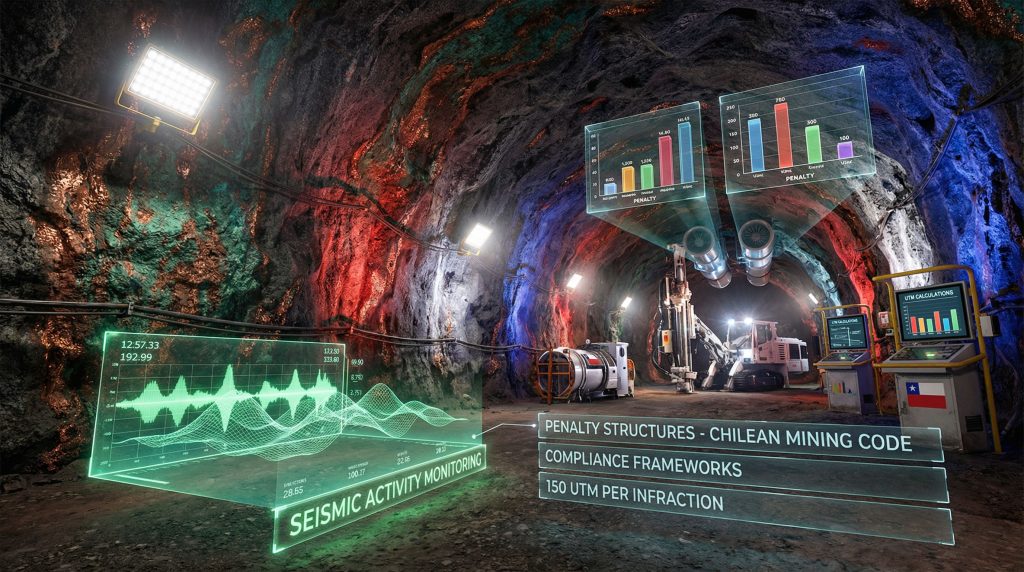
The enforcement mechanism relies heavily on calculations using the Unidad Tributaria Mensual (UTM), Chile's inflation-adjusted tax unit. Under current regulations, serious workplace violations can trigger penalties reaching up to 150 UTM per infraction, equivalent to approximately $11,000 USD at current valuations. However, regulatory scholars and safety advocates have consistently questioned whether these monetary thresholds provide adequate deterrent effects for major mining corporations with substantial revenue streams.
A striking example of this enforcement gap emerged from a 2007 fatal construction site collapse, which resulted in a 340 UTM penalty, roughly $26,000 in contemporary terms. This penalty was more than double the current maximum per-infraction threshold, highlighting how enforcement standards may have actually weakened over time rather than strengthened in response to evolving safety challenges.
Furthermore, the regulatory framework's effectiveness has been called into question by a comprehensive 2011 Chilean House of Representatives investigative commission. The commission's findings explicitly stated that existing fine structures may not adequately incentivise comprehensive safety investments by major mining operations. Despite these clear recommendations for enhanced penalty structures, legislative proposals to increase fines for serious or fatal workplace accidents have consistently failed to gain traction over the past 15 years.
Key Enforcement Statistics:
- Maximum penalty per violation: $11,000 USD (150 UTM)
- Historical precedent (2007): $26,000 USD (340 UTM)
- Legislative reform timeline: No progress since 2011 recommendations
- Current deterrent effectiveness: Questioned by regulatory experts
How Contractor Liability Rules Shape Mining Safety Accountability
The recent El Teniente mine incident provides crucial insights into how Chile's contractor liability framework operates in practice. On July 31, 2025, a magnitude 4.3 seismic event triggered a rock burst at the world's largest underground copper mine, resulting in six contract worker deaths and multiple injuries. The subsequent regulatory investigation revealed significant disparities in how penalties were distributed between the principal company and its contractors.
Labour ministry inspection records obtained through public records requests show that Codelco faced approximately $20,000 in fines, while three contractors were collectively penalised roughly $87,000. This 4.35x differential reflects Chile's intentional policy framework where contractor firms, as direct employers, bear primary responsibility for operational compliance duties including immediate incident notification and worker protection measures.
Principal Company Responsibilities
Under Chile's regulatory structure, principal companies like Codelco maintain accountability for:
- Seismic monitoring protocol development and system integration
- Emergency response coordination frameworks across multiple contractor teams
- Workplace suspension authority during hazardous conditions
- Overarching safety system design and implementation standards
Contractor-Specific Obligations
Direct contractor responsibilities encompass more immediate operational requirements:
- 24-hour mandatory incident reporting to labour authorities
- Worker-specific risk assessments and job assignment verification
- Compliance documentation and safety briefing protocols
- Direct employer liability for workforce protection measures
The El Teniente investigation revealed critical failures across multiple contractor operations:
| Contractor | Primary Violations | Key Finding |
|---|---|---|
| Zublin (Strabag subsidiary) | Failed 24-hour death reporting requirement | Knew of fatality within 2 hours but didn't notify authorities until following evening |
| SalfaCorp unit | Inadequate seismic hazard assessment | Failed to immediately report fatal accident; insufficient worker protection measures |
| Constructora Gardilcic | Improper worker job assignments | Put workers in jobs they were not cleared to perform; weak rock burst risk assessment |
These findings illuminate a critical enforcement challenge: while principal companies face penalties for systemic design failures, contractors bear the brunt of regulatory sanctions for operational compliance gaps. This structure may inadvertently create incentives for principal companies to transfer safety compliance risks to contractor firms rather than investing in comprehensive safety system improvements.
What Seismic Risk Management Standards Apply to Underground Operations
Chilean mining regulations mandate comprehensive seismic monitoring systems that integrate real-time geological assessment with operational decision-making protocols. However, the Chilean copper mine collapse exposed significant gaps between regulatory requirements and practical implementation capabilities.
Labour inspectors found that Codelco lacked complete written procedures showing how seismic warnings were used to decide whether work should stop or be restricted. This finding is particularly significant given that Codelco stated its seismic alert response system was active on the day of the accident, indicating that the monitoring technology was functioning but the protocols for translating warnings into operational decisions were inadequate.
Critical Regulatory Components Required
Chilean regulations establish several mandatory elements for seismic risk management:
- Magnitude-based operational thresholds for work suspension decisions
- Communication protocols for underground personnel notification
- Equipment positioning and worker location tracking systems
- Post-event safety verification procedures before work resumption
The El Teniente investigation revealed additional enforcement gaps that extended beyond the initial seismic event. Inspectors documented that Codelco violated labour rules when workers were found entering, or preparing to enter, underground areas while the mine-wide suspension remained in force. This finding suggests that even when appropriate safety protocols are activated, enforcement mechanisms may be insufficient to ensure compliance across complex multi-contractor operations.
Production Impact and Economic Considerations
The mine shutdown and subsequent slow restart had significant economic implications, with Codelco reporting that the disruption cut copper output by tens of thousands of metric tons during a period of tight global supply. This production impact underscores the tension between safety compliance and economic pressures that may influence decision-making in high-stakes mining environments.
Consequently, Codelco implemented several safety enhancements including:
- Enhanced safety briefings at shift starts
- Improved underground communication systems for real-time coordination
- Stepped up worker location verification checks
- Reviewed protective equipment protocols and deployment procedures
Why Current Penalty Structures Face Legislative Scrutiny
The adequacy of Chile's current penalty framework has been a subject of intense debate since the 2011 House of Representatives investigative commission report. The commission's explicit finding that existing fine structures may not adequately incentivise comprehensive safety investments has proven prophetic in light of subsequent incidents like the Chilean copper mine collapse.
Historical Context and Reform Challenges
The commission's 2011 report stated that it is essential to raise the size of fines in order to effectively deter companies from violating mining permitting challenges and safety regulations. This recommendation came in response to earlier mining disasters and represented a consensus view among regulatory experts that monetary penalties needed to be recalibrated to match the scale and revenue capacity of modern mining operations.
However, legislative reform efforts have consistently stalled due to several competing factors:
- Industry resistance to increased regulatory compliance costs
- Economic competitiveness concerns regarding mining sector profitability
- International investment considerations and comparative regulatory environments
- Legislative prioritisation challenges with other policy objectives
Comparative Penalty Analysis
The El Teniente case provides a concrete example of how current penalties may fail to achieve deterrent objectives. Codelco's approximately $20,000 fine represents minimal financial exposure relative to the company's operational scale and revenue streams. For context, state-owned Codelco is one of the world's largest copper producers, making the penalty equivalent to a minor administrative cost rather than a meaningful financial deterrent.
Labour advocates and worker safety specialists have consistently argued that such small penalties carry insufficient deterrent force for major employers. The economic calculus is straightforward: if the cost of potential penalties is significantly lower than the cost of comprehensive safety system upgrades, companies may rationally choose to accept occasional fines rather than invest in prevention.
International Pressure and Standards
Chile's position as a global copper production leader adds complexity to penalty reform discussions. The country must balance enhanced safety enforcement with maintaining competitive advantages that attract international mining investment. In addition, global mining safety concerns have heightened scrutiny on Chile's regulatory framework following recent incidents across the industry. This tension has contributed to the legislative stagnation that has persisted since 2011, as policymakers struggle to find an appropriate balance between worker protection and economic competitiveness.
International Mining Safety Standards and Regulatory Comparisons
Chile's regulatory approach exists within a global context of varying mining safety standards and enforcement mechanisms. While specific comparative data requires careful verification from multiple jurisdictions, several key principles distinguish different regulatory approaches worldwide.
Revenue-Based Penalty Structures
Some jurisdictions have moved toward penalty frameworks that scale with company revenue or operational capacity, ensuring that fines maintain proportional deterrent effects regardless of corporate size. This approach addresses the fundamental challenge that fixed monetary penalties may become ineffective against large-scale operations.
Mandatory Independent Auditing
International best practices increasingly emphasise independent safety auditing requirements that go beyond self-reported compliance metrics. These frameworks require third-party verification of safety systems and protocols, reducing the reliance on company-generated compliance documentation.
Integrated Technology Standards
Advanced mining jurisdictions have begun mandating specific technological capabilities for real-time monitoring and emergency response systems. These requirements go beyond general procedural mandates to establish concrete technical standards for equipment and integration capabilities.
Furthermore, examining industry evolution trends reveals how technological advancement is reshaping safety requirements across different jurisdictions. The integration of artificial intelligence and real-time monitoring systems has created new possibilities for preventive safety measures.
The next major ASX story will hit our subscribers first
What Enforcement Gaps Emerged in the El Teniente Investigation
The comprehensive investigation into the El Teniente incident revealed multiple systemic weaknesses in Chile's mining safety enforcement framework. These findings extend beyond the immediate causes of the accident to illuminate broader challenges in regulatory oversight and compliance verification.
Communication Protocol Deficiencies
Inspectors documented significant gaps in communication protocols between surface operations and underground personnel. The investigation found that emergency notification systems failed to ensure timely information flow across multiple contractor teams, contributing to confusion during the critical post-incident period.
Documentation and Reporting Failures
Multiple contractors violated the mandatory 24-hour incident reporting requirement, with some delays extending well beyond the regulatory timeline. These failures were particularly concerning given that immediate reporting is critical for implementing emergency safety measures to protect remaining workers.
Specific Reporting Violations Documented:
- Zublin: Knew of worker fatality within 2 hours but delayed notification until following evening
- SalfaCorp: Failed to immediately report fatal accident to authorities
- Gardilcic: Late accident reporting and delayed injury report filing
Risk Assessment Documentation Gaps
Inspectors found that contractor risk assessments did not adequately account for seismic hazards, despite operating in a seismically active region with known geological risks. This finding suggests that current risk assessment protocols may be insufficient for the complex geological conditions present in Chile's ageing underground mines.
Worker Assignment and Qualification Verification
The investigation revealed that some contractors put workers in jobs they were not cleared to perform, indicating failures in pre-assignment qualification verification protocols. This finding highlights the challenge of maintaining consistent safety standards across multiple contractor organisations with varying internal procedures and training programmes.
How Policy Reforms Might Address Mining Safety Governance
The El Teniente incident has intensified discussions about comprehensive regulatory framework modernisation that could address both immediate enforcement gaps and long-term policy development objectives. Several reform approaches have emerged from regulatory analysis and international best practice research.
Escalating Penalty Structures
Reform proposals include penalty frameworks that scale based on company revenue thresholds, ensuring that fines maintain proportional deterrent effects regardless of corporate size. This approach would address the fundamental challenge that current fixed monetary penalties may become ineffective against large-scale operations like Codelco.
Enhanced Technology Integration Requirements
Policy discussions have focused on mandatory real-time seismic monitoring technology standards that go beyond current procedural requirements. These proposals would establish concrete technical specifications for equipment integration and data processing capabilities, reducing reliance on subjective procedural compliance.
Integrated Accountability Frameworks
Reform advocates have proposed modifications to Chile's dual-liability system that would create more balanced accountability between principal companies and contractors. These frameworks aim to ensure that principal companies cannot simply transfer safety compliance risks to contractor firms without maintaining substantive responsibility for systemic safety outcomes.
However, implementing claims framework insights from other jurisdictions suggests that successful reform requires careful consideration of existing legal structures and stakeholder interests.
Criminal Liability Expansion
Some reform proposals include expanding criminal liability provisions for serious safety violations, moving beyond purely administrative penalties to include potential criminal consequences for safety system failures that result in worker deaths or serious injuries.
The Role of International Mining Companies in Safety Standard Evolution
Global mining corporations operating in Chile often implement safety standards that exceed local regulatory minimums, driven by multiple factors including home country requirements, insurance conditions, and stakeholder pressure. This creates a complex regulatory environment where policy development must balance local enforcement capabilities with international best practice expectations.
Corporate Social Responsibility Drivers
International mining companies face increasing pressure from shareholders and stakeholders to demonstrate operational excellence in safety performance. This pressure often results in voluntary adoption of enhanced safety protocols that go beyond minimum regulatory requirements, creating informal standards that may influence future policy development.
Insurance and Financing Conditions
International insurance and financing arrangements frequently require mining operations to meet specific safety performance metrics that exceed local regulatory minimums. These market-driven requirements can create de facto safety standards that influence operational practices independent of formal regulatory frameworks.
Technology Transfer and Innovation
Global mining companies often serve as vectors for technology transfer and innovation in safety systems. Their adoption of advanced monitoring and emergency response technologies can demonstrate feasible implementation pathways for enhanced regulatory standards while providing practical examples of effective safety system integration.
Moreover, implementing sustainable mining practices has become increasingly important for companies seeking to maintain operational licences and stakeholder trust across multiple jurisdictions.
Recent Developments and Executive Action
In addition to ongoing legislative discussions, recent political developments may influence the trajectory of mining safety reform. The consideration of executive mining permits in other jurisdictions has highlighted the potential for rapid regulatory change through executive action rather than lengthy legislative processes.
This development has prompted discussions among Chilean policymakers about whether similar executive mechanisms could be employed to implement enhanced safety requirements without waiting for comprehensive legislative reform. For instance, Chilean mine safety reports continue to demonstrate the urgency of implementing improved safety protocols across the industry.
Regulatory Framework Modernisation Imperatives
The El Teniente incident represents a critical juncture for Chilean mining safety governance, highlighting the urgent need for comprehensive regulatory framework evaluation that addresses both immediate enforcement gaps and long-term policy development objectives. Effective mining safety governance requires integrated approaches that align penalty structures with deterrent objectives while supporting Chile's position as a global copper production leader.
Future policy development must carefully balance multiple competing considerations including technological advancement integration, international competitiveness factors, and the evolving nature of mining operations in seismically active regions. The challenge lies in creating regulatory frameworks that are robust enough to ensure worker safety while flexible enough to accommodate the dynamic nature of modern mining operations.
The lessons learned from the Chilean copper mine collapse extend beyond national borders, offering insights for mining safety governance worldwide. As the global demand for copper continues to grow, driven by renewable energy infrastructure and electric vehicle adoption, the imperative for effective safety governance becomes increasingly critical for maintaining sustainable mining operations that protect both workers and production capacity.
Disclaimer: This analysis is based on publicly available information and should not be considered as investment advice. Mining operations involve inherent risks, and regulatory frameworks are subject to change. Readers should conduct their own research and consult with qualified professionals before making investment decisions.
Ready to Capitalise on the Next Major Mining Discovery?
Discovery Alert's proprietary Discovery IQ model delivers real-time alerts on significant ASX mineral discoveries, instantly empowering investors to identify actionable opportunities ahead of the broader market. Understand why major mineral discoveries can lead to substantial returns by exploring historic examples of exceptional outcomes, then begin your 14-day free trial today to position yourself ahead of the market.