
August 12, 2026
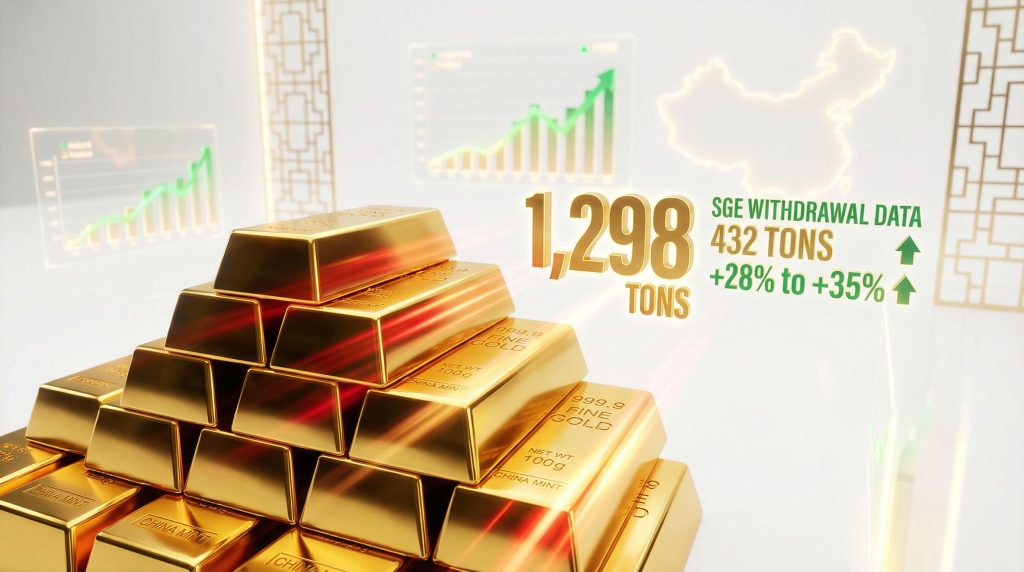
China's gold consumption has become a critical barometer for understanding global precious metals markets, as evolving economic conditions and consumer behaviour patterns reshape traditional demand structures. The nation's transformation from primarily jewelry-focused consumption toward sophisticated investment strategies reflects broader changes in household wealth management approaches during periods of unprecedented market volatility. Furthermore, this shift demonstrates how regional economic factors and cultural considerations intersect with modern portfolio diversification principles to create unique market dynamics.
The intersection of rising inflation pressures, currency debasement concerns, and geopolitical tensions has created an environment where traditional asset allocation models are being reconsidered. Central banks worldwide have accelerated their precious metal accumulation strategies, while retail investors increasingly view physical assets as essential portfolio components rather than speculative investments.
Within this global context, regional consumption patterns reveal distinct characteristics that reflect local economic conditions, cultural preferences, and regulatory frameworks. Understanding these regional dynamics provides crucial insights into broader market trends and the evolution of precious metal demand structures in the modern financial landscape.
Understanding China's Gold Market Dynamics in a Shifting Economic Landscape
China's position in global precious metals markets extends far beyond simple consumption statistics. The nation represents approximately 10-12% of worldwide gold demand according to World Gold Council data, establishing it as the second-largest consumer market globally. This market position reflects both the scale of China's economy and the deep-rooted cultural significance of precious metals in Chinese society.
The current pricing environment has created unprecedented challenges for Chinese consumers. Gold jewelry now commands prices exceeding 1,529 yuan (approximately US$221) per gram at major retailers, representing a dramatic increase from 890 yuan per gram recorded during the same period in 2025. This 72% year-over-year price escalation in yuan-denominated terms has fundamentally altered purchasing patterns across different demographic segments.
The Scale of Chinese Gold Demand in Global Context
China's gold consumption operates within a complex ecosystem that encompasses jewelry manufacturing, investment demand, and industrial applications. The nation's manufacturing capabilities have positioned it as both a major consumer and producer, creating unique market dynamics that differ significantly from pure importing nations.
The domestic market structure includes multiple distribution channels ranging from traditional jewelry retailers to modern investment platforms. Shanghai Gold Exchange serves as the primary wholesale market, while retail access has expanded through banking partnerships and digital investment platforms. This infrastructure development has democratized access to precious metal investments across urban and rural populations.
Recent market data reveals that consumption patterns respond differently to gold price surge compared to Western markets. Despite record-high international gold prices reaching US$5,600 per ounce in late January 2026 before moderating to approximately US$5,000, Chinese consumers have demonstrated remarkable price tolerance, suggesting strong underlying demand fundamentals.
Economic Uncertainty as a Catalyst for Precious Metal Investment
The perception of gold as a safety net amid economic uncertainty has become increasingly prominent among Chinese households. This shift reflects broader concerns about currency stability, real estate market volatility, and the need for wealth preservation strategies that operate independently of traditional financial instruments.
Economic uncertainty manifests in various forms across different regions of China. Manufacturing centres experience volatility related to export demand fluctuations, while service-oriented urban economies face different challenges related to domestic consumption patterns. These regional variations create distinct precious metal demand profiles that reflect local economic conditions.
The integration of precious metal investments into household financial planning represents a sophisticated evolution in Chinese consumer behaviour. Rather than purely speculative trading, many consumers now view gold allocation as a fundamental component of long-term wealth protection strategies, similar to pension planning or insurance coverage.
Demographic Shifts Driving Consumer Behaviour
Demographic transitions across China are reshaping precious metal consumption patterns in multiple dimensions. Urban migration continues to influence purchasing power distribution, while generational differences create varying attitudes toward physical asset ownership versus digital investment alternatives.
The expanding middle class in tier-2 and tier-3 cities represents a significant growth driver for precious metal demand. These consumers often have different price sensitivity profiles compared to tier-1 city residents, creating opportunities for product innovation and market segmentation strategies.
Educational levels and financial literacy also influence consumption patterns. Higher education levels correlate with increased interest in investment-grade products rather than traditional jewelry purchases, contributing to the structural shift in product demand mix.
When big ASX news breaks, our subscribers know first
How Investment Patterns Are Reshaping China's Gold Consumption Profile
The transformation reflects a fundamental shift from traditional jewelry-focused consumption toward investment-oriented demand. This evolution demonstrates sophisticated market adaptation as consumers respond to both price pressures and expanding product availability.
Investment product accessibility has expanded dramatically through banking partnerships and digital platforms. White-collar workers increasingly allocate savings to gold-linked investment funds, while physical gold bars and coins attract investors seeking direct ownership of precious metals. This diversification of demand sources has created more resilient market fundamentals.
The Historic Shift from Jewelry to Investment Products
Market data indicates a significant reallocation of demand across product categories. Investment-grade products including gold bars and coins now represent approximately 43% of total consumption volume, while traditional jewelry demand has contracted to roughly 36% of market share. This represents a historic inversion of traditional consumption patterns.
| Investment Category | 2025 Volume | Year-over-Year Change | Market Share |
|---|---|---|---|
| Gold Bars & Coins | 432 tons | +28% to +35% | 43% of total |
| Jewelry Demand | 360 tons | -25% to -32% | 36% of total |
| ETF Holdings | 110-248 tons | 100%+ growth | 11-25% of total |
The expansion of exchange-traded fund options has provided institutional-quality investment access to retail participants. These products offer liquidity advantages and storage convenience compared to physical ownership, attracting investors who prioritise flexibility over direct possession. Moreover, this growth aligns with broader gold market performance trends observed globally.
Product innovation has emerged as a key market response to evolving consumer preferences. Gold-linked wealth management products, fractional ownership programmes, and digital gold certificates provide alternatives that accommodate different investment objectives and capital constraints.
Exchange-Traded Fund Inflows Signal Institutional Confidence
The dramatic growth in ETF holdings, with volume increases exceeding 100% year-over-year, reflects both retail investor adoption and institutional confidence in precious metal allocations. These inflows demonstrate sophisticated understanding of portfolio diversification principles among Chinese investors.
ETF products traded on Shanghai and Shenzhen exchanges offer yuan-denominated exposure to gold price movements without the complexities of international currency conversion. This accessibility has enabled broader participation from investors who previously lacked convenient precious metal investment options.
The expansion of fund product options includes both physically-backed and synthetic gold exposure vehicles. Physically-backed funds provide direct metal ownership benefits, while synthetic products offer enhanced liquidity and lower transaction costs for tactical trading strategies. Additionally, understanding the broader ETF investment guide provides context for these developments.
Physical Gold Hoarding Versus Financial Instruments
Despite the growth in financial instruments, physical gold accumulation remains significant across various demographic segments. Direct ownership provides psychological benefits and eliminates counterparty risks associated with financial products, appealing to investors prioritising absolute security.
Storage infrastructure development has supported physical gold demand growth. Banking partnerships, private vault services, and home storage solutions provide options that accommodate different security preferences and investment scales.
The choice between physical and financial gold exposure often reflects individual risk tolerance and investment objectives. Long-term wealth preservation strategies typically favour physical ownership, while tactical allocation adjustments benefit from the liquidity advantages of financial instruments.
What Price Volatility Reveals About Chinese Consumer Resilience
The response of Chinese consumers to unprecedented price volatility provides crucial insights into demand elasticity and purchasing power sustainability. Despite gold prices reaching historic peaks near US$5,600 per ounce before moderating to US$5,000, consumption levels have demonstrated remarkable resilience.
The 72% year-over-year price increase in yuan terms has not resulted in proportional demand destruction, suggesting either substantial purchasing power reserves or strong conviction regarding long-term value appreciation. This price tolerance contrasts with typical consumer goods demand patterns and indicates precious metals occupy a unique position in household financial planning.
Record-High Price Tolerance and Purchasing Power
Consumer behaviour analysis reveals sophisticated adaptation strategies rather than simple demand reduction. Market participants have demonstrated willingness to absorb significant price increases while maintaining allocation priorities, suggesting gold purchases represent needs-based rather than discretionary spending for many households.
The maintenance of purchasing activity at record price levels indicates either exceptional wealth accumulation across Chinese households or fundamental shifts in risk perception that justify premium pricing acceptance. This resilience provides strong support for market stability during future price corrections.
Regional variations in price tolerance reflect local economic conditions and demographic characteristics. Manufacturing centres with migrant worker populations show different price sensitivity profiles compared to service-oriented urban markets, creating diverse demand patterns across geographic regions. These patterns provide insight into gold price forecast developments.
Alternative Product Innovation in Response to Cost Pressures
Market innovation has emerged as a primary response mechanism to price pressures. The development and popularisation of gold-plated silver jewelry demonstrates sophisticated consumer adaptation that preserves value proposition while reducing capital requirements.
In manufacturing hubs such as Dongguan, gold-plated silver products have gained significant traction among migrant workers seeking Lunar New Year gifts. These alternatives provide aesthetic appeal and value retention characteristics while operating at accessible price points for lower-income demographics.
Product development continues to expand across multiple categories. Fractional gold ownership programmes, layaway purchasing plans, and gold accumulation savings accounts provide structured approaches to precious metal acquisition that accommodate budget constraints while maintaining investment objectives.
Regional Variations in Price Sensitivity Across Economic Zones
Economic geography significantly influences price sensitivity patterns across China's diverse regional markets. Tier-1 cities with higher average incomes demonstrate greater price tolerance compared to manufacturing centres and rural areas where price constraints operate more restrictively.
Manufacturing regions experience unique demand dynamics related to seasonal employment patterns and migrant worker income cycles. These areas show concentrated purchasing activity during specific periods, particularly surrounding major holidays when workers return to home provinces with accumulated savings.
Service sector economies in major metropolitan areas exhibit more consistent demand patterns with less dramatic seasonal variation. These markets support premium product categories and demonstrate greater adoption of investment-oriented precious metal products compared to traditional jewelry-focused consumption.
Why Central Bank Policy Reinforces Retail Gold Accumulation
The People's Bank of China's monetary policy stance and reserve management strategies create important spillover effects on retail precious metal demand. Central bank actions influence both currency stability perceptions and the relative attractiveness of alternative asset classes.
Household wealth protection strategies increasingly incorporate precious metals as hedges against potential currency debasement or financial system instability. These defensive allocations reflect sophisticated understanding of monetary policy implications and their potential impact on traditional savings vehicles.
People's Bank of China Reserve Strategy Analysis
Central bank reserve accumulation patterns provide signals regarding official attitudes toward precious metal holdings. According to Trading Economics data, China's official gold reserves represent a substantial portion of total foreign exchange holdings, indicating strategic importance placed on precious metal diversification.
The PBOC's approach to reserve diversification influences market sentiment and validates precious metal investment strategies among institutional and retail participants. Official accumulation provides implicit endorsement of gold's role in portfolio risk management and currency hedging applications.
Reserve policy coordination with broader monetary objectives creates complex interactions between official actions and private market behaviour. Understanding these relationships requires analysis of PBOC communications, policy guidance, and balance sheet developments over extended time periods.
Monetary Policy Implications for Household Wealth Protection
Interest rate policies and liquidity management decisions directly impact the relative attractiveness of precious metal investments compared to deposit accounts and fixed-income securities. Low real interest rates enhance the appeal of non-yielding assets that provide inflation protection and currency hedging benefits.
Capital flow regulations and foreign exchange policies influence domestic gold demand by affecting alternative investment options. Restrictions on overseas investment create domestic demand for assets that provide geographic and currency diversification characteristics.
The relationship between monetary policy and household saving behaviour creates feedback loops that amplify precious metal demand during periods of financial uncertainty. These dynamics demonstrate the importance of policy coordination in managing market stability and consumer confidence.
Currency Hedging Through Precious Metal Diversification
Yuan exchange rate volatility and long-term currency trends influence precious metal demand as households seek portfolio protection against potential devaluation risks. Gold provides currency-neutral wealth storage that operates independently of domestic monetary conditions.
Capital account restrictions limit direct foreign currency holdings for most Chinese households, making precious metals an accessible alternative for achieving currency diversification objectives. This regulatory environment enhances gold's appeal as a practical hedging instrument. These considerations align with developing investment strategies for market volatility.
The development of yuan-denominated gold products provides convenient access to precious metal exposure while maintaining compliance with capital control regulations. These instruments offer currency hedging benefits without requiring complex international investment structures.
How Cultural Traditions Intersect with Modern Investment Strategy
The integration of cultural practices with contemporary investment approaches creates unique market dynamics in China's precious metals sector. Traditional gift-giving customs and social status considerations continue to influence purchasing decisions alongside modern portfolio management principles.
Lunar New Year celebrations represent the most significant seasonal demand driver, as millions of migrant workers return to home provinces with gifts including gold jewelry and ornaments. This cultural practice creates predictable demand patterns that support market stability during specific calendar periods.
Lunar New Year Gifting Patterns and Seasonal Demand Cycles
Gift-giving traditions during Lunar New Year celebrations generate substantial temporary demand increases that can strain supply chains and influence short-term pricing dynamics. Migrant workers typically allocate significant portions of annual savings to purchase presents for relatives and prospective partners.
The seasonal nature of this demand creates opportunities for retailers to develop specialised product offerings and marketing strategies. Limited edition items, gift packaging services, and financing options help capture increased consumer spending during holiday periods.
Cultural significance attached to gold gifts extends beyond monetary value to encompass wishes for prosperity and good fortune. This symbolic importance creates price-insensitive demand segments that maintain purchasing activity despite market volatility.
Intergenerational Wealth Transfer Through Physical Assets
Traditional approaches to intergenerational wealth transfer increasingly incorporate precious metals as reliable stores of value that preserve purchasing power across decades. Older generations often view physical gold as superior to financial instruments for long-term value preservation.
Family financial planning strategies frequently include gold accumulation as insurance against economic disruption or currency instability. These defensive allocations reflect historical experience with monetary system changes and economic volatility.
The physical nature of gold holdings provides psychological benefits for wealth transfer planning, offering tangible assets that recipients can directly control and manage. This characteristic appeals to families seeking maximum security for inherited wealth.
Social Status Markers in China's Evolving Class Structure
Precious metal ownership continues to serve social signalling functions within China's evolving class structure. Gold jewelry and ornaments demonstrate financial success and social respectability, influencing purchasing decisions beyond pure investment considerations.
The expanding middle class increasingly views gold purchases as necessary investments in social capital and status recognition. These considerations create demand segments that prioritise product visibility and brand recognition over pure financial returns.
Regional variations in social status markers reflect local cultural preferences and economic conditions. Urban professionals may prefer investment-grade products, while rural communities continue to emphasise traditional jewelry and ornamental items.
What Shanghai Gold Exchange Data Reveals About Market Fundamentals
Shanghai Gold Exchange withdrawal patterns provide crucial insights into physical demand strength and market structure evolution. These metrics serve as reliable indicators of genuine consumption versus speculative trading activity.
Total withdrawals during 2025 reached 1,298 tons, representing an 11% decrease compared to the previous year. However, January 2026 withdrawals of 126 tons showed a 1% year-over-year increase, suggesting demand stabilisation despite elevated price levels.
Withdrawal Patterns as Indicators of Physical Demand Strength
SGE withdrawal data reflects actual physical delivery to end users rather than paper trading activity, providing accurate measurement of genuine consumption demand. This metric eliminates speculative noise and focuses on fundamental market drivers.
| Period | Withdrawal Volume | Year-over-Year Change | Market Context |
|---|---|---|---|
| 2025 Total | 1,298 tons | -11% | Price appreciation impact |
| January 2026 | 126 tons | +1% | Seasonal demand recovery |
| Pre-2020 Average | ~950 tons annually | Baseline comparison | Historical demand levels |
The comparison with pre-2020 averages demonstrates that current withdrawal levels remain elevated despite recent moderation. This suggests structural demand increases that persist beyond cyclical price movements and seasonal variations.
Monthly withdrawal patterns reveal seasonal demand cycles that correspond with major cultural celebrations and economic calendar events. Understanding these patterns helps predict market dynamics and supply chain requirements.
Import-Export Balance and Global Supply Chain Integration
China's role in global precious metal supply chains extends beyond domestic consumption to include refining, processing, and re-export activities. The nation's infrastructure capabilities position it as a crucial hub for international gold flows.
Import data reflects both domestic consumption requirements and industrial processing demand for export markets. This dual function creates complex supply-demand relationships that influence domestic market conditions and pricing dynamics.
Export activities primarily involve refined products and manufactured jewelry destined for international markets. These operations generate foreign exchange earnings while supporting domestic employment in precious metal processing industries.
Wholesale Market Infrastructure Supporting Retail Access
The SGE serves as the primary price discovery mechanism for domestic gold markets, establishing benchmark rates that influence retail pricing across all distribution channels. This centralised structure ensures market transparency and reduces regional price disparities.
Banking partnerships with SGE enable retail investors to access wholesale pricing through various investment products. These relationships democratise precious metal investment opportunities and expand market participation beyond traditional jewelry purchases.
Infrastructure development continues to enhance market access through digital trading platforms, mobile applications, and integrated banking services. These technological improvements reduce transaction costs and improve liquidity for all market participants.
The next major ASX story will hit our subscribers first
Which Economic Indicators Predict Future Gold Consumption Trends
Economic forecasting for precious metal demand requires analysis of multiple indicators that influence household wealth, risk perception, and investment behaviour. GDP growth rates, inflation trends, and currency stability measures provide crucial predictive information.
Real estate market performance significantly impacts gold demand as households adjust asset allocation strategies based on property investment returns. Housing market stress often correlates with increased precious metal allocation as investors seek portfolio diversification.
Correlation Analysis Between GDP Growth and Precious Metal Demand
Historical data reveals complex relationships between economic growth and China's gold consumption that vary across different growth phases and market conditions. Moderate growth periods often support increased precious metal demand as rising incomes enhance purchasing power.
Rapid economic expansion may reduce gold demand relative to other investment alternatives that offer higher returns. Conversely, economic slowdowns typically increase precious metal appeal as investors prioritise capital preservation over growth.
Regional economic performance variations create localised demand patterns that reflect specific industry concentrations and employment stability. Manufacturing regions show different correlation patterns compared to service-oriented economies.
Real Estate Market Stress and Alternative Asset Allocation
Property market volatility influences precious metal demand as households reassess traditional wealth storage strategies. Real estate market stress often triggers increased interest in alternative assets that provide portfolio diversification benefits.
The relationship between property prices and gold demand reflects broader wealth management trends and household financial planning evolution. Declining real estate returns enhance the relative attractiveness of precious metal investments.
Geographic variations in property market performance create regional differences in gold demand that correspond with local housing market conditions. Cities experiencing property market difficulties often show increased precious metal investment activity.
Manufacturing Sector Performance Impact on Disposable Income
Manufacturing employment levels and wage trends directly influence precious metal demand in industrial regions where factory workers represent significant consumer segments. Employment stability affects both current purchasing power and long-term savings accumulation.
Export demand fluctuations impact manufacturing sector performance and worker income levels, creating cyclical patterns in precious metal consumption that reflect international trade conditions. These relationships provide leading indicators for demand forecasting.
Industrial policy changes and regulatory developments in manufacturing sectors influence employment prospects and income growth, affecting household ability to allocate funds to precious metal investments over extended periods.
How China's Gold Appetite Influences Global Precious Metal Markets
China's substantial market presence creates significant spillover effects on international precious metal pricing and supply chain dynamics. The nation's consumption patterns influence global market sentiment and investment flows across multiple geographic regions.
Price discovery mechanisms in Chinese markets interact with international trading centres to establish global benchmark rates. Shanghai Gold Exchange pricing often leads regional Asian markets and influences arbitrage opportunities between different trading venues.
Price Discovery Mechanisms and International Market Integration
The integration of Chinese precious metal markets with global trading systems creates complex price relationships that reflect both local demand conditions and international market sentiment. Time zone differences enable continuous price discovery across global trading sessions.
Currency conversion mechanisms between yuan-denominated and dollar-denominated gold markets create arbitrage opportunities and influence capital flows between different market segments. These relationships affect both wholesale and retail pricing structures.
Market integration continues to deepen through technological developments and regulatory coordination between Chinese authorities and international exchanges. Enhanced connectivity improves price efficiency and reduces regional market segmentation.
Supply Chain Disruption Risks for Global Jewelry Industries
China's position as both a major consumer and processor of precious metals creates potential bottleneck risks for global jewelry supply chains. Disruptions in Chinese operations can cascade through international manufacturing networks.
The concentration of refining and processing capabilities in Chinese facilities makes global markets vulnerable to regulatory changes or operational disruptions that affect production capacity and output quality standards.
Supply chain resilience planning increasingly incorporates Chinese market dynamics as essential risk factors that require monitoring and contingency preparation across international precious metal industries.
Central Bank Reserve Competition and Geopolitical Implications
Central bank accumulation trends in China influence global reserve competition and affect precious metal availability for private markets. Official sector demand creates additional price support and reduces supply available for commercial consumption.
Geopolitical considerations regarding reserve diversification strategies influence Chinese precious metal policies and their interaction with international monetary system developments. These factors create long-term demand trends that extend beyond cyclical market movements.
The coordination between Chinese central bank policies and broader economic strategies affects global precious metal markets through both direct reserve accumulation and indirect influence on private sector demand patterns.
What Regional Economic Policies Mean for Gold Market Evolution
Provincial economic development strategies and regional policy variations create diverse precious metal demand patterns that reflect local priorities and resource allocation decisions. These policy differences influence market segmentation and product development opportunities.
Urban development policies affect disposable income distribution and wealth accumulation patterns that directly influence precious metal consumption capacity. Infrastructure investment and industrial development create regional economic growth variations.
Provincial Wealth Distribution and Consumption Disparities
Income inequality between provinces creates distinct precious metal market segments with different price sensitivity and product preferences. Coastal regions typically demonstrate higher consumption volumes and premium product demand.
Regional development policies influence long-term wealth accumulation trends and affect household capacity for precious metal investment over extended periods. These trends provide important forecasting information for market development planning.
Migration patterns between provinces affect demand distribution and create seasonal consumption variations that correspond with worker movement and income transfer patterns across different geographic regions.
Urban-Rural Income Gaps Reflected in Precious Metal Access
The persistent income gap between urban and rural populations creates significant disparities in precious metal market access and product availability. Rural consumers often rely on different distribution channels and product categories.
Financial infrastructure development in rural areas affects precious metal investment accessibility and influences household participation in formal precious metal markets versus informal trading networks.
Policy initiatives to reduce urban-rural income gaps may influence future precious metal demand patterns as rural purchasing power increases and product access improves through infrastructure development.
Industrial Policy Coordination with Financial Market Development
Industrial policy priorities affect regional economic performance and employment levels that influence precious metal consumption capacity. Manufacturing promotion policies create concentrated demand in specific geographic areas.
Financial market development policies enhance precious metal investment accessibility and product innovation opportunities. Banking sector regulations influence product offerings and distribution channel development.
The coordination between industrial development and financial sector policies creates synergies that support precious metal market growth and expand consumer access to investment opportunities.
Where China's Gold Market Trends Point for 2026 and Beyond
Forward-looking analysis suggests several key trends that will likely shape China's precious metal markets over the medium term. Demographic transitions, technological adoption, and policy evolution represent primary drivers of market development.
The structural shift toward investment products appears likely to persist as financial literacy improves and product accessibility expands. This trend supports long-term market stability and reduces dependence on traditional jewelry consumption patterns.
Demographic Transition Impact on Long-term Demand Patterns
Population ageing trends will influence precious metal demand through changing household financial planning priorities and intergenerational wealth transfer patterns. Older demographics typically prefer physical asset allocation strategies.
Urbanisation continues to affect consumption patterns as rural populations migrate to cities and adopt different purchasing behaviours. Urban consumers typically show greater interest in investment products compared to traditional jewelry purchases.
Educational attainment increases correlate with sophisticated investment behaviour and enhanced interest in precious metal portfolio allocation strategies. Rising education levels support market development and product innovation opportunities.
Digital Currency Integration and Physical Asset Preferences
Central bank digital currency (CBDC) development may influence household preferences regarding physical versus digital asset holdings. Some consumers may increase physical gold allocation as a hedge against digital currency adoption.
Technology integration in precious metal trading and ownership continues to enhance market accessibility while preserving the appeal of physical asset ownership for risk management purposes.
The balance between digital convenience and physical security considerations will likely influence product development and distribution strategies as technology adoption accelerates across all demographic segments.
International Trade Relationship Effects on Precious Metal Strategy
Trade policy developments affect economic stability and currency relationships that influence precious metal demand as households adjust portfolio strategies based on international economic conditions. As noted by Reuters reporting on consumption trends, shifts in consumption patterns reflect broader economic adjustments.
Supply chain relationships with international precious metal markets continue to evolve based on trade agreements and diplomatic developments that affect import-export dynamics and pricing relationships.
Long-term economic integration trends will influence market development and product innovation as Chinese precious metal markets become increasingly connected with global financial systems and trading networks. Furthermore, analysis from Gold.org on China's market dynamics provides additional insights into these evolving patterns.
Future Outlook Summary:
- Q1 2026 momentum supported by seasonal gifting and safe-haven demand continues to drive market activity
- Structural shift toward investment products likely to persist as financial infrastructure develops and consumer sophistication increases
- Price sensitivity may moderate jewelry recovery timeline as consumers adapt to elevated cost structures
- Central bank accumulation expected to continue supporting market floor through official sector demand
Disclaimer: This analysis contains forward-looking statements and market predictions that involve uncertainties and risks. Precious metal investments carry inherent volatility risks, and past performance does not guarantee future results. Economic forecasts and market projections should be considered alongside individual financial circumstances and risk tolerance. Readers should conduct independent research and consider professional financial advice before making investment decisions.
Further exploration of precious metals market dynamics can be pursued through educational content and market analysis from various financial research institutions and commodity market specialists for additional perspectives on Asian gold consumption trends.
Ready to Capitalise on the Next Major Mineral Discovery?
Discovery Alert instantly alerts investors to significant ASX mineral discoveries using its proprietary Discovery IQ model, turning complex mineral data into actionable insights. Understand why historic discoveries can generate substantial returns by exploring major mineral finds that have delivered exceptional market outcomes, then begin your 14-day free trial today to position yourself ahead of the market.