July 3, 2026
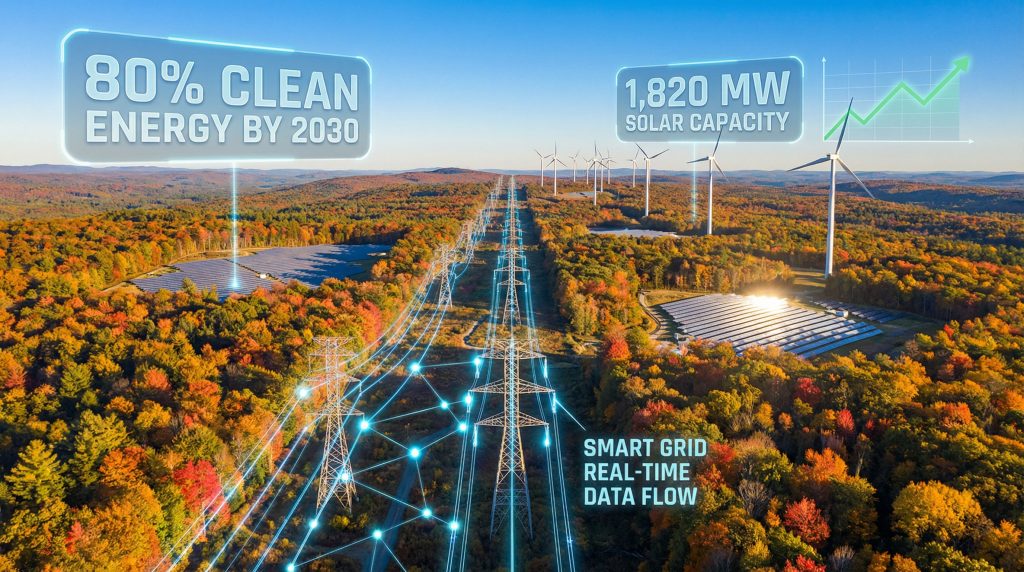
Mining companies worldwide are embracing comprehensive renewable energy strategies as part of a broader CMP energy transition to 100% renewable systems that fundamentally reshape operational frameworks. This transformation extends beyond simple fuel substitution, requiring comprehensive infrastructure overhauls, strategic partnerships, and long-term financial commitments that align with global energy transition and security objectives.
Strategic Energy Transition Models in Modern Mining Operations
The shift toward renewable energy in mining represents one of the most significant operational transformations in the industry's modern history. Companies pursuing CMP energy transition to 100% renewable strategies must navigate complex technical, financial, and logistical challenges that extend far beyond traditional energy procurement decisions.
Renewable Energy Integration Challenges
Mining operations face unique energy demands that distinguish them from other industrial sectors. Continuous processing requirements, remote locations, and high-intensity equipment create specific challenges for renewable integration:
- Load consistency requirements across 24-hour operational cycles
- Remote infrastructure limitations in areas with limited grid connectivity
- Energy storage system investments to manage renewable intermittency
- Backup power redundancy to prevent production interruptions
The technical complexity of achieving 100% renewable energy in mining operations requires sophisticated battery energy storage systems (BESS) that can maintain continuous power during low renewable generation periods. Furthermore, these systems represent significant capital investments but provide long-term operational cost stability.
Recent advancements in battery recycling breakthrough technologies are reducing the lifecycle costs of energy storage systems. Consequently, mining companies can now implement more cost-effective renewable transition strategies.
Financial Framework for Renewable Transition
The economic justification for renewable energy transitions extends beyond simple cost comparisons. Mining companies must evaluate multiple financial factors when committing to long-term renewable contracts:
Key Financial Considerations:
| Factor | Impact Assessment | Timeline |
|---|---|---|
| Contract Duration | 15+ year commitments | Long-term stability |
| Capital Investment | BESS and infrastructure | Immediate impact |
| Operational Savings | Reduced fossil fuel costs | Ongoing benefits |
| Carbon Credits | Emission reduction value | Market dependent |
Companies transitioning to renewable energy typically secure power purchase agreements spanning 15 years or more, providing cost certainty while enabling renewable energy developers to finance and construct necessary infrastructure projects. However, these long-term commitments require careful investment strategy insights to manage financial risks effectively.
When big ASX news breaks, our subscribers know first
Environmental Impact Assessment and Carbon Reduction Metrics
The environmental benefits of mining industry renewable transitions create measurable impacts that extend beyond individual company operations. When major mining operations eliminate fossil fuel dependencies, the cumulative effect contributes substantially to national and international carbon reduction objectives.
Quantifying Emission Reductions
Comprehensive renewable energy transitions in mining can generate significant carbon footprint reductions. Industry analysis suggests that major mining operations converting to 100% renewable energy can eliminate hundreds of thousands of tonnes of CO₂ equivalent emissions annually.
These reductions translate into tangible environmental equivalents:
- Removing tens of thousands of vehicles from circulation
- Equivalent carbon sequestration from millions of planted trees
- Eliminating fossil fuel consumption comparable to circumnavigating the globe thousands of times
Alignment with National Climate Objectives
Mining companies pursuing comprehensive renewable energy strategies directly support national carbon neutrality commitments. For instance, Australia's grid now relies on renewable energy as much as coal, demonstrating the feasibility of large-scale renewable transitions.
Countries with significant mining sectors, particularly those targeting 2050 carbon neutrality, benefit substantially when major extractive operations eliminate fossil fuel dependencies.
The mining industry's transition to renewable energy creates structural, permanent emission reductions that advance national decarbonisation goals without relying on carbon offset mechanisms.
Technology Integration and Infrastructure Development
Achieving CMP energy transition to 100% renewable requires sophisticated technological solutions that address the unique challenges of mining operations. The integration of solar power with battery storage systems represents a particularly critical component of successful transitions.
Solar Power and Battery Storage Systems
Modern renewable mining operations rely heavily on solar generation combined with advanced battery energy storage systems (BESS). These integrated solutions provide:
- Continuous power delivery during nighttime and low-solar periods
- Grid stability management for consistent operational requirements
- Peak demand optimisation to reduce energy costs
- Emergency backup capabilities during equipment maintenance
Battery storage technology has advanced significantly, with lithium-ion systems now capable of supporting multi-hour continuous operation during periods without renewable generation. These systems require substantial upfront investment but provide operational flexibility that traditional fossil fuel systems cannot match.
Grid Integration and Power Purchase Agreements
Successful renewable energy transitions typically involve partnerships with established renewable energy developers who construct dedicated infrastructure to serve mining operations. These arrangements often include:
- Dedicated solar installations sized specifically for mining energy requirements
- Transmission infrastructure development connecting renewable generation to mining sites
- Grid stability services ensuring consistent power quality
- Maintenance and operational support throughout contract duration
ESG Compliance and International Standards Alignment
Environmental, Social, and Governance (ESG) frameworks increasingly influence mining company valuations, financing access, and operational licences. Renewable energy transitions represent critical components of comprehensive ESG strategies that meet international standards and investor expectations.
International ESG Framework Compliance
Mining companies pursuing renewable energy transitions align with multiple international frameworks:
- UN Sustainable Development Goals related to clean energy and climate action
- Task Force on Climate-related Financial Disclosures (TCFD) reporting requirements
- Science-Based Targets initiative (SBTi) emission reduction commitments
- International Council on Mining and Metals (ICMM) sustainability principles
These alignments provide access to sustainable financing options, improve institutional investor relations, and enhance social licence to operate in environmentally sensitive regions. Additionally, renewable energy industrial precincts are becoming increasingly important for large-scale industrial decarbonisation efforts.
Supply Chain Sustainability Extension
Leading mining companies extend renewable energy requirements throughout their supply chains, creating multiplier effects that accelerate industry evolution trends. This approach includes:
- Contractor renewable energy requirements for major service providers
- Electromovilidad initiatives promoting electric vehicle adoption among suppliers
- Emission measurement and reduction policies for the entire value chain
- Collaborative sustainability programmes encouraging supplier-level innovations
Regional Economic Development and Community Impact
Renewable energy transitions in mining create significant regional economic opportunities beyond the direct environmental benefits. These transitions often catalyse broader clean energy development in remote regions where mining operations are located.
Local Economic Multiplier Effects
Major renewable energy projects serving mining operations create economic activity through:
- Construction employment during renewable infrastructure development
- Ongoing maintenance jobs for solar installations and battery systems
- Local procurement opportunities for support services and materials
- Skills development programmes training workers for renewable energy technologies
Remote mining regions often experience limited economic diversification opportunities, making renewable energy infrastructure development particularly valuable for long-term community sustainability. Moreover, green production initiatives demonstrate how mining regions can become centres of sustainable industrial activity.
Energy Security and Grid Stability Benefits
Mining operations with dedicated renewable energy systems contribute to regional grid stability by reducing demand on traditional power sources during peak periods. This creates benefits for surrounding communities through:
- Reduced grid congestion during high-demand periods
- Infrastructure development that can serve broader regional needs
- Technology demonstration effects encouraging additional renewable adoption
- Investment attraction for other clean energy projects
Risk Management and Operational Continuity
Transitioning to renewable energy requires comprehensive risk management strategies that address potential operational disruptions while maintaining production schedules and safety standards.
Operational Risk Mitigation Strategies
Mining companies implementing renewable transitions must address multiple operational risks:
Technical Risks:
- Equipment reliability during extreme weather conditions
- Battery system degradation over contract periods
- Grid integration challenges during system transitions
- Maintenance access in remote locations
Financial Risks:
- Long-term contract obligations during commodity price volatility
- Technology obsolescence over 15+ year agreements
- Regulatory changes affecting renewable energy policies
- Currency fluctuations for international mining operations
Continuity Planning and Backup Systems
Successful renewable transitions maintain operational continuity through redundant systems and comprehensive backup planning. This typically includes:
- Hybrid energy systems combining multiple renewable sources
- Emergency backup generators for critical safety systems
- Staged transition approaches minimising operational disruptions
- Performance monitoring systems enabling proactive maintenance
The next major ASX story will hit our subscribers first
Future Industry Transformation Scenarios
The mining industry's renewable energy transition represents an early phase of broader sectoral transformation. Future developments may accelerate or modify current transition approaches based on technological advancement and policy evolution.
Technology Advancement Trajectories
Several technological developments could significantly impact future CMP energy transition to 100% renewable strategies:
- Battery cost reductions making storage systems more economically attractive
- Green hydrogen production for industrial process applications
- Advanced grid management systems optimising renewable integration
- Carbon capture and utilisation technologies for residual emissions
Policy and Regulatory Evolution
Government policies increasingly favour renewable energy adoption through:
- Carbon pricing mechanisms increasing fossil fuel costs
- Renewable energy mandates for industrial operations
- Tax incentives and subsidies supporting clean energy investment
- Environmental permitting advantages for sustainable operations
Investment Implications and Market Positioning
Mining companies successfully implementing comprehensive renewable energy transitions position themselves advantageously across multiple investment criteria that increasingly influence capital allocation decisions.
Institutional Investment Considerations
Renewable energy transitions address key institutional investor concerns:
- Climate risk mitigation reducing long-term operational vulnerabilities
- Regulatory compliance positioning ahead of potential carbon pricing implementation
- Cost structure stability through long-term renewable energy contracts
- Social licence maintenance in environmentally sensitive jurisdictions
Companies demonstrating credible renewable transitions often access capital at favourable terms while avoiding potential stranded asset risks associated with fossil fuel dependencies.
Market Differentiation and Competitive Advantage
Early adopters of comprehensive renewable energy strategies create competitive advantages through:
- Premium pricing opportunities for sustainably produced commodities
- Supply chain partnership preferences with environmentally conscious customers
- Regulatory favour in jurisdictions promoting clean energy adoption
- Talent attraction benefits appealing to environmentally motivated professionals
The mining industry's renewable energy transition represents a fundamental operational evolution rather than a simple energy procurement change. Companies successfully navigating this transition demonstrate that comprehensive sustainability transformations can deliver simultaneous environmental, economic, and operational benefits while positioning organisations advantageously for future regulatory and market developments.
Disclaimer: This analysis is based on publicly available information and industry trends. Investment decisions should be made based on comprehensive due diligence and professional financial advice. Future performance and policy developments may differ from current projections.
Ready to Invest in Sustainable Mining Companies?
Discovery Alert's proprietary Discovery IQ model delivers real-time notifications on significant ASX mineral discoveries, including companies implementing innovative renewable energy strategies that position them for long-term success. Begin your 14-day free trial today to identify actionable opportunities in the evolving sustainable mining sector ahead of the broader market.