
July 20, 2026
Understanding Zambia's Advanced Copper Exploration Methodologies
The evolution of copper exploration in Africa's mineral-rich corridors has fundamentally transformed from isolated prospect hunting to sophisticated district-scale targeting systems. This systematic approach leverages geological continuity across multiple license areas, particularly within Zambia's extensions of the Central African Copperbelt structure.
Modern district-scale copper exploration in Zambia represents a paradigm shift toward comprehensive geological assessment spanning entire structural corridors rather than individual deposits. This methodology prioritizes the identification and consolidation of mineral systems across multiple administrative districts, creating substantial exploration portfolios with enhanced discovery potential. Furthermore, understanding the mineral exploration importance becomes crucial when implementing such comprehensive strategies.
Geological Framework Integration
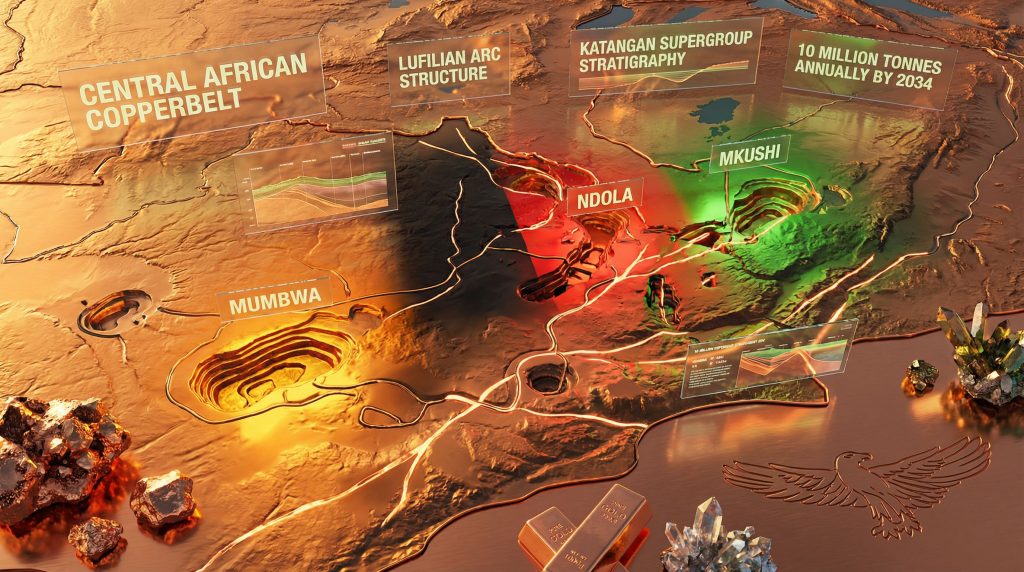
The technical foundation for district-scale copper exploration in Zambia centers on the Lufilian Arc structure, which hosts sedimentary copper systems across extensive geological terranes. These systems extend beyond traditional mining boundaries, creating opportunities for systematic corridor mapping and target identification.
| Structural Element | Exploration Application | Target Significance |
|---|---|---|
| Katangan Supergroup stratigraphy | Primary mineralization host | High-priority drilling zones |
| Fold-thrust structural systems | Fluid pathway controls | Secondary target development |
| Fault corridor intersections | Mineralization focus zones | Systematic sampling programs |
| Basement structural domes | Alternative target environments | Resource diversification |
The geological approach emphasises structural continuity assessment between established mineralised zones, infrastructure proximity optimisation for development scenarios, and regulatory framework alignment across multiple jurisdictional boundaries. Additionally, digital geological modeling techniques enhance the precision of these assessments.
When big ASX news breaks, our subscribers know first
Advanced Targeting Systems in Modern Copper Exploration
Contemporary exploration programs employ multi-phase targeting methodologies that integrate comprehensive datasets across extensive licence portfolios. These systematic approaches represent significant technological advancement over traditional prospect-scale exploration methods.
Phase-Based Exploration Frameworks
Initial Reconnaissance Phase:
- Comprehensive airborne geophysical surveys covering entire licence areas
- Regional structural interpretation identifying primary fault corridor systems
- Preliminary geological reconnaissance across priority structural zones
- Baseline geochemical sampling programs establishing anomaly patterns
Target Refinement Phase:
- Detailed structural and lithological mapping campaigns
- Expanded surface geochemical sampling with systematic grid coverage
- Target ranking protocols based on structural intersection analysis
- Integration of historical exploration data from adjacent mining operations
Validation and Testing Phase:
- Strategic drill program design across prioritised target zones
- Systematic drilling campaigns testing structural intersection hypotheses
- Preliminary resource estimation and geological modelling initiatives
- Economic evaluation frameworks supporting development planning
Technology Integration Protocols
Modern exploration programs integrate multiple technological approaches to optimise target identification and validation. In addition, the broader mining industry evolution continues to drive these technological advances.
Critical Technology Applications:
- High-resolution airborne magnetometry and gravity surveys for rapid structural mapping
- Advanced satellite imagery analysis for geological feature identification
- Real-time digital geological modelling platforms for target prioritisation
- Integrated data management systems supporting exploration decision-making
The integration of these technologies enables exploration teams to process vast datasets efficiently while maintaining systematic evaluation protocols across multiple districts simultaneously.
Primary Exploration Corridors in Zambia's Copper Expansion
Mumbwa District Greenfield Opportunities
The Mumbwa district represents Zambia's most significant greenfield copper exploration frontier, characterised by limited historical exploration and substantial discovery potential. This district offers exploration companies access to underexplored extensions of proven mineral systems.
Key Advantages:
- Strategic positioning within 30 kilometres of established copper deposits
- Four principal fault corridor systems identified through structural interpretation
- Copper-bearing stratigraphic sequences with favourable mineralisation vectors
- Minimal historical exploration providing significant discovery upside potential
The fault-controlled mineralisation model in Mumbwa suggests systematic targeting of structural intersections may reveal substantial copper resources within established geological frameworks. For instance, the Tamarack copper discovery demonstrates similar structural controls in successful copper exploration projects.
Ndola District Infrastructure-Adjacent Exploration
Ndola's exploration landscape emphasises proximity advantages to established mining operations and supporting infrastructure. This district provides exploration companies with reduced development risk through proven geological frameworks and operational precedents.
Strategic Benefits:
- Established copper-bearing Katangan Supergroup stratigraphy
- Demonstrated proximity to historic and active mining operations
- Comprehensive infrastructure supporting exploration and development activities
- Proven mineral system fertility reducing technical and geological risk
The brownfield-adjacent positioning in Ndola offers exploration companies access to extensions of proven copper systems while benefiting from established regional infrastructure and geological understanding.
Mkushi District System Continuity Targets
Mkushi exploration programs focus on geological continuity within structurally coherent mineral belts. This district provides opportunities for systematic evaluation of ground capable of supporting district-scale mineral development.
Exploration Characteristics:
- Contiguous positioning with established mineralised geological trends
- Structurally coherent belts representing extensions of proven mineral systems
- Flexible ownership structures enabling strategic consolidation opportunities
- Systematic evaluation potential supporting district-scale resource development
| District | Exploration Classification | Primary Advantages | Mineralisation Targets |
|---|---|---|---|
| Mumbwa | Greenfield discovery | High discovery potential | Fault-controlled systems |
| Ndola | Brownfield-adjacent | Infrastructure access | Stratigraphic continuity |
| Mkushi | System consolidation | Geological continuity | Structural belt extensions |
Licence Portfolio Strategies for District-Scale Programs
Strategic Licence Assembly Principles
Effective district-scale copper exploration in Zambia requires strategic licence portfolio construction balancing geological continuity, operational flexibility, and risk management across multiple districts and exploration environments.
Geological Continuity Requirements:
- Licence coverage spanning complete structural corridor systems
- Strategic positioning across fault intersection zones and structural controls
- Access to multiple geological environments within mineral systems
- Continuity with established mineral occurrences and historical operations
Operational Flexibility Considerations:
- Combination of wholly-owned licences and strategic joint venture arrangements
- Exclusive exploration rights within priority geological corridors
- Consolidation optionality within defined structural and administrative boundaries
- Phased advancement capabilities supporting systematic program development
Risk Management Integration:
- Geographic diversification across multiple exploration districts
- Portfolio balance between greenfield discovery and brownfield-adjacent targets
- Infrastructure proximity considerations for future development scenarios
- Regulatory jurisdiction distribution minimising administrative concentration risk
Regulatory Framework Navigation
Zambian copper exploration operates within established regulatory frameworks requiring comprehensive compliance across environmental, community, and technical reporting obligations. However, Zambia's mining sector continues to adapt its regulatory approach to support sector growth.
- Environmental impact assessment protocols for systematic exploration programs
- Community engagement requirements within traditional authority jurisdictions
- Technical reporting compliance for resource estimation and geological modelling
- Progressive licence advancement through clearly defined regulatory stages
Infrastructure Optimisation in Exploration Strategy
Transportation and Processing Infrastructure
District-scale exploration strategies prioritise infrastructure proximity to optimise future development scenarios and reduce capital requirements for advancing discovered resources toward production.
Transportation Network Advantages:
- Established road access enabling year-round exploration activities
- Rail connectivity supporting future concentrate transportation requirements
- Regional logistics networks providing port access for international markets
- Power grid proximity supporting processing facility development
Processing Infrastructure Benefits:
- Existing regional smelter capacity reducing development capital requirements
- Established concentrate treatment facilities providing processing optionality
- Available technical services supporting exploration and development activities
- Skilled workforce accessibility from adjacent mining operations
Economic Development Alignment
Contemporary exploration programs increasingly align with Zambia's broader economic development objectives, including copper production expansion targets and local content development requirements. Furthermore, Makor's Muli copper project exemplifies how district-scale opportunities contribute to national development goals.
The integration of exploration activities with national development goals creates opportunities for enhanced stakeholder engagement and regulatory support throughout project advancement phases.
Multi-District Program Management Strategies
Operational Continuity Frameworks
Managing effective district-scale copper exploration in Zambia requires sustained operational presence and systematic advancement protocols across multiple jurisdictions and geological environments.
Local Presence Development:
- Multi-year operating establishment within target exploration regions
- Comprehensive familiarity with regulatory processes and administrative requirements
- Strategic relationships with traditional leadership structures and community organisations
- Detailed understanding of district governance frameworks and decision-making protocols
Technical Team Integration:
- Geological expertise spanning multiple commodity systems and exploration environments
- Extensive exploration experience within African mining and regulatory contexts
- Project development capabilities supporting advancement from discovery through feasibility
- Corporate governance structures aligned with international reporting and compliance standards
Community Engagement Protocols:
- Structured consultation frameworks with traditional authority structures
- Environmental stewardship programs supporting sustainable exploration practices
- Local employment and skills development initiatives benefiting regional communities
- Transparent communication protocols regarding exploration activities and timelines
Resource Allocation Optimisation
Effective multi-district exploration programs require strategic resource deployment across diverse geological targets while maintaining operational efficiency and risk management protocols.
| Resource Category | Allocation Strategy | Optimisation Factors |
|---|---|---|
| Exploration Capital | Phased deployment protocols | Risk-adjusted return potential |
| Technical Personnel | Regional expertise integration | Local geological knowledge |
| Equipment Resources | Shared utilisation systems | Operational efficiency optimisation |
| Technology Platforms | Standardised integration | Data compatibility requirements |
The next major ASX story will hit our subscribers first
Investment Implications of District-Scale Exploration
Risk-Return Profile Analysis
District-scale copper exploration in Zambia presents distinct investment characteristics combining geographic diversification benefits with enhanced discovery potential across multiple target environments. Consequently, developing effective copper investment strategies requires understanding these district-scale approaches.
Risk Mitigation Factors:
- Geographic diversification across multiple exploration districts reducing single-asset dependency
- Portfolio approach minimising impact of individual prospect failure
- Infrastructure proximity reducing future development capital requirements
- Established geological frameworks lowering technical discovery risk
Return Enhancement Opportunities:
- Multiple discovery potential across diversified target portfolio
- Consolidation synergies within established mineral corridor systems
- Infrastructure leverage supporting accelerated development timelines
- Strategic positioning within expanding copper jurisdiction
Market Context and Development Scenarios
Zambian district-scale copper exploration benefits from favourable global market dynamics supporting copper demand growth and supply constraint concerns in established mining regions.
Future Development Pathways:
Successful exploration programs position companies for multiple advancement strategies:
- Independent resource development following discovery validation
- Strategic joint venture partnerships with major mining companies
- Asset consolidation opportunities within established mining corridors
- Strategic acquisition potential by larger copper producers seeking resource expansion
The combination of geological prospectivity, infrastructure advantages, and regulatory framework stability creates compelling investment opportunities for companies pursuing systematic district-scale copper exploration in Zambia's expanding mineral corridors.
Disclaimer: This analysis is for informational purposes only and does not constitute investment advice. Mineral exploration involves significant risks, and readers should conduct their own due diligence and consult with qualified professionals before making any investment decisions. Exploration success rates vary significantly, and there is no guarantee that exploration activities will result in commercially viable mineral discoveries.
Ready to Capitalise on Zambia's Next Major Copper Discovery?
Discovery Alert's proprietary Discovery IQ model delivers real-time alerts on significant copper discoveries across the ASX, instantly empowering subscribers to identify actionable opportunities ahead of the broader market. Begin your 14-day free trial today and secure your market-leading advantage in copper exploration investments.