May 21, 2026
The Technical Infrastructure Behind Modern Copper Mining Electrification
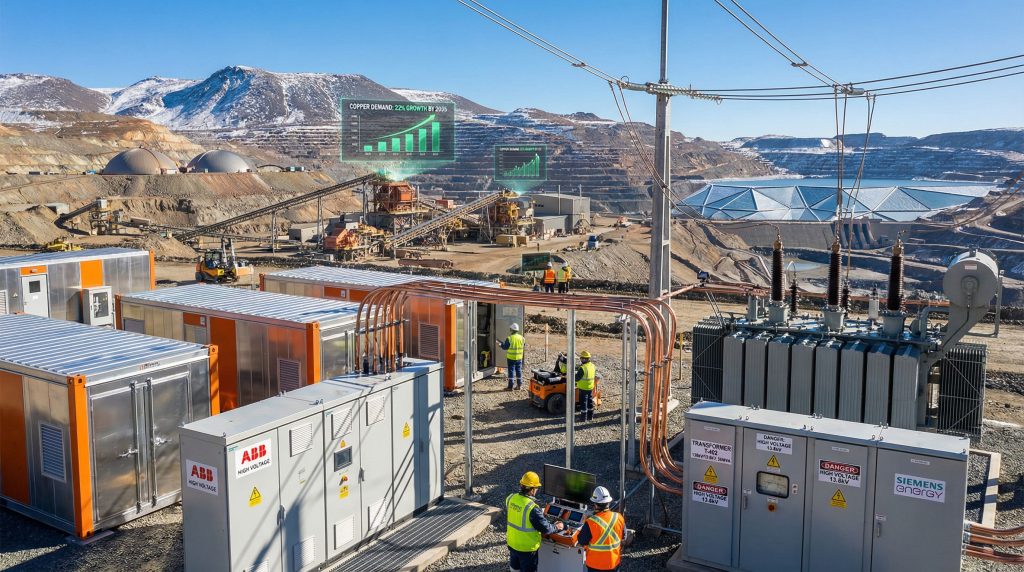
The copper mining industry stands at a technological crossroads where traditional extraction methods meet cutting-edge automation systems. As global demand for refined copper accelerates, driven by electrification initiatives worldwide, mining operations must evolve their infrastructure to match production requirements while maintaining environmental compliance. The implementation of ABB electrification automation at Aitik copper facility exemplifies this transformation, involving sophisticated electrical architectures, advanced control systems, and integrated automation platforms that fundamentally reshape how copper extraction facilities operate in challenging environments.
Understanding these technical foundations becomes crucial as the International Energy Agency projects a 22% increase in worldwide refined copper demand by 2035 under its Stated Policies Scenario. This surge creates unprecedented pressure on mining infrastructure, particularly in regions like northern Europe where sub-arctic conditions add complexity to electrical system deployment and maintenance protocols. Furthermore, the integration of ai-powered mining efficiency systems is becoming essential for maintaining competitive advantage.
When big ASX news breaks, our subscribers know first
Power Distribution Architecture for Harsh Environment Operations
Modern copper mining electrification relies on sophisticated power distribution networks designed to withstand extreme environmental conditions while delivering consistent performance. The backbone of these systems encompasses medium and low-voltage switchgear configurations that provide resilient electrical infrastructure capable of operating in temperature ranges from -40°C to +40°C without performance degradation.
Key components of mining electrification architecture include:
• Modular electrical housing (e-house) systems for rapid deployment
• Variable frequency drives optimised for mining equipment loads
• Transformer systems rated for high-capacity processing operations
• Integrated protection and control systems with remote monitoring capabilities
The modular approach to electrical infrastructure has revolutionised deployment timelines in mining operations. Pre-fabricated electrical enclosures allow for factory testing and quality assurance before installation, reducing on-site commissioning time while ensuring consistent performance standards across diverse environmental conditions. In addition, this approach supports data-driven mining operations that rely on real-time monitoring capabilities.
Climate-specific adaptations become particularly critical in sub-arctic mining environments. Electrical components must incorporate specialised insulation materials, heating elements for cold-weather operation, and weatherproofing strategies that maintain functionality during extreme temperature fluctuations common in northern mining regions.
Advanced Control System Integration in Mining Operations
Distributed Control Systems (DCS) represent the nervous system of modern mining electrification, providing centralised management capabilities that extend across entire facility operations. These platforms integrate real-time monitoring, predictive maintenance algorithms, and automated process control into unified operational frameworks. However, implementing ABB electrification automation at Aitik copper facility requires sophisticated integration protocols that address unique environmental challenges.
The integration of advanced control systems enables several critical operational capabilities:
Real-time Process Management:
• Continuous monitoring of equipment performance parameters
• Automated adjustment of operational variables for optimal efficiency
• Integration with safety systems for hazard prevention protocols
• Energy flow optimisation across facility electrical networks
Predictive Maintenance Integration:
• Machine learning algorithms analysing equipment condition data
• Early warning systems for component failure prediction
• Maintenance scheduling optimisation based on actual equipment condition
• Inventory management integration for spare parts planning
These control architectures support what industry professionals describe as zero-harm operational protocols, aligning with international tailings management standards while enabling scalable production capacity expansion. Consequently, many operations are exploring [mineral exploration insights](https://discoveryalert.com.au/mineral exploration-importance-2025-gold-copper/) to optimise resource allocation.
Tailings Management Through Automated Infrastructure
Modern tailings facilities represent critical infrastructure components requiring sophisticated monitoring and control systems. The complexity of these operations necessitates automated supervision capabilities that continuously assess dam performance, water management systems, and environmental compliance parameters.
Technical specifications for tailings automation include:
| System Component | Monitoring Parameters | Response Capabilities |
|---|---|---|
| Water Storage Systems | Level, quality, flow rates | Automated valve control |
| Dam Integrity Monitoring | Settlement, pore pressure | Early warning protocols |
| Environmental Compliance | pH, turbidity, discharge | Automated reporting systems |
| Recycling Operations | Flow optimisation, efficiency | Process adjustment protocols |
The Global Industry Standard on Tailings Management drives technical requirements for automated supervision systems. These standards mandate real-time diagnostic capabilities, predictive maintenance protocols, and comprehensive environmental monitoring that extends beyond traditional operational parameters.
Water recycling optimisation through automated systems can achieve efficiency improvements of 15-25% compared to traditional manual management approaches, though specific performance metrics depend on local water quality conditions and processing requirements. For instance, advanced electrification and automation solutions have demonstrated significant operational improvements in challenging mining environments.
Climate Adaptation Technologies for Northern Mining
Sub-arctic mining operations face unique technical challenges that require specialised equipment specifications and operational protocols. Temperature extremes, seasonal variability, and harsh weather conditions demand robust engineering solutions that maintain operational continuity throughout annual climate cycles.
Essential climate adaptation features include:
Thermal Management Systems:
• Insulated electrical enclosures with active heating systems
• Cold-weather oil specifications for transformer operations
• Cable routing and protection for freeze-thaw cycles
• Ventilation systems adapted for extreme temperature ranges
Environmental Protection Protocols:
• Weatherproof sealing systems for electrical components
• Corrosion-resistant materials for extended equipment life
• Snow load considerations for structural installations
• Ice prevention systems for critical operational equipment
The technical challenges of sub-arctic mining extend beyond simple temperature tolerance. Equipment must maintain precision control capabilities while operating in conditions that can fluctuate dramatically within short time periods. This requires sophisticated materials engineering and thermal management strategies that balance performance requirements with energy consumption considerations.
What Makes Northern Mining Electrification Unique?
The ABB electrification automation at Aitik copper facility showcases how modern mining operations address extreme climate challenges through innovative technology solutions. These implementations require specialised engineering approaches that account for unique environmental stressors while maintaining operational reliability throughout harsh winter conditions.
Predictive Maintenance Technologies in Mining Applications
Advanced diagnostic capabilities transform traditional maintenance approaches through data-driven insights that optimise equipment availability while reducing operational costs. These systems leverage multiple sensor technologies, machine learning algorithms, and integrated data analytics platforms to predict equipment failures before they occur.
Core predictive maintenance technologies include:
Sensor Integration Networks:
• Vibration analysis systems for rotating equipment monitoring
• Thermal imaging systems for electrical connection assessment
• Oil analysis integration for hydraulic and lubrication systems
• Current signature analysis for motor condition monitoring
Data Analytics Frameworks:
• Historical trend analysis for failure pattern identification
• Anomaly detection algorithms for unusual operating conditions
• Remaining useful life calculations for major components
• Maintenance cost optimisation through scheduling algorithms
The economic impact of predictive maintenance in mining operations can be substantial. Industry studies suggest that properly implemented predictive maintenance programmes can reduce unplanned downtime by 30-50% while extending equipment life by 15-20%. However, these benefits require initial investments in sensor infrastructure, data management systems, and personnel training programmes that support mining industry innovation.
The next major ASX story will hit our subscribers first
Production Scaling Through Modular Infrastructure
The increasing demand for copper production drives the need for scalable infrastructure solutions that can accommodate capacity expansion without complete system redesign. Modular electrification approaches enable mining operations to incrementally increase production capacity while maintaining operational efficiency and regulatory compliance.
Benefits of modular infrastructure design:
Deployment Advantages:
• Reduced installation timeframes through pre-fabricated components
• Quality assurance through factory testing protocols
• Standardised interfaces for simplified system integration
• Scalable architecture supporting future expansion requirements
Operational Benefits:
• Common spare parts inventory across system components
• Simplified maintenance procedures through standardisation
• Consistent performance characteristics across facility systems
• Upgrade pathways for technology advancement integration
The projected 22% increase in global copper demand by 2035 creates significant pressure for production capacity expansion across existing mining operations. Modular infrastructure approaches enable these expansions while minimising operational disruption and capital investment requirements compared to traditional expansion methodologies.
Energy Management and Operational Efficiency
Centralised energy management systems represent critical components of modern mining electrification, providing real-time optimisation of power distribution networks while reducing overall energy consumption. These systems integrate renewable energy sources, load balancing algorithms, and demand response capabilities into unified operational frameworks.
Energy optimisation capabilities include:
• Real-time load monitoring and distribution optimisation
• Integration with renewable energy systems for cost reduction
• Peak demand management through load shifting protocols
• Energy storage system integration for operational flexibility
The economic benefits of integrated energy management extend beyond simple cost reduction. Advanced energy management systems can reduce operational energy costs by 10-15% while improving system reliability and reducing environmental impact through optimised renewable energy integration. Moreover, sustainability integration trends are driving adoption of these technologies across the mining sector.
Safety Enhancement Through Automated Systems
Mining safety protocols benefit significantly from automation integration, with remote operation capabilities reducing personnel exposure to hazardous environments while maintaining operational effectiveness. Advanced safety systems incorporate multiple redundancy levels, fail-safe operational protocols, and emergency response capabilities.
Safety system components include:
Remote Operation Capabilities:
• Centralised control room operations for hazardous area equipment
• Automated shutdown protocols for emergency conditions
• Video monitoring systems for remote equipment supervision
• Communication systems for emergency response coordination
Risk Mitigation Systems:
• Gas detection systems with automated ventilation response
• Structural monitoring systems for excavation safety
• Environmental monitoring for regulatory compliance
• Personnel tracking systems for emergency response
The integration of safety systems with operational control platforms enables comprehensive risk management approaches that extend beyond traditional safety protocols while supporting regulatory compliance requirements. Furthermore, ABB electrification automation at Aitik copper facility demonstrates how integrated safety systems can achieve zero-harm operational objectives.
Underground Mining Electrification Evolution
Underground mining operations present unique electrification challenges due to space constraints, ventilation requirements, and safety considerations. Emerging technologies focus on battery-electric equipment integration, trolley system development, and underground power distribution network optimisation.
Key underground electrification developments include:
• Battery-electric equipment for emission reduction
• Trolley system infrastructure for mobile equipment power
• Underground charging station networks for electric vehicles
• Ventilation system integration with electrical infrastructure
The transition to underground electrification requires careful consideration of power distribution network design, emergency evacuation protocols, and maintenance accessibility. These systems must balance operational efficiency with safety requirements specific to confined underground environments.
How Do Underground Operations Differ?
Underground mining electrification presents unique challenges compared to open-pit operations. Ventilation requirements, space limitations, and emergency egress considerations necessitate specialised electrical design approaches that prioritise safety while maintaining operational effectiveness.
Future Technological Trends and Market Drivers
Emerging technologies continue reshaping mining electrification through artificial intelligence integration, advanced battery technologies, and smart grid connectivity. These developments promise further operational efficiency improvements while addressing evolving regulatory requirements and market demands.
Technology evolution pathways include:
Artificial Intelligence Integration:
• Autonomous equipment operation for improved safety
• Process optimisation through machine learning algorithms
• Predictive analytics for production planning optimisation
• Digital twin technologies for facility modelling and optimisation
Advanced Power Technologies:
• High-capacity battery systems for mobile equipment
• Wireless power transmission for equipment operation
• Microgrids for facility energy independence
• Smart grid integration for demand response participation
The competitive landscape for mining electrification continues evolving as technology providers develop increasingly sophisticated solutions. Investment in advanced electrification technologies represents both operational necessity and strategic advantage for mining operations seeking to maintain competitiveness in global copper markets.
Disclaimer: The technical specifications, performance metrics, and investment projections discussed in this analysis are based on industry trends and available public information. Actual performance and costs may vary significantly based on specific site conditions, regulatory requirements, and implementation approaches. Prospective investors and operators should conduct thorough due diligence and consult with qualified engineering professionals before making technology investment decisions.
Ready to Invest in the Next Major Copper Discovery?
Discovery Alert's proprietary Discovery IQ model delivers instant notifications on significant ASX mineral discoveries, empowering subscribers to identify actionable opportunities in the rapidly expanding copper market ahead of the broader market. Understand why major mineral discoveries can lead to substantial market returns by exploring Discovery Alert's dedicated discoveries page, and begin your 30-day free trial today to position yourself ahead of the competition.