June 10, 2026
The copper mining sector in Peru demonstrates remarkable technical achievement through operations that consistently deliver exceptional production volumes. Furthermore, copper output growth in MMG's Las Bambas mine exemplifies the sophisticated operational management required to maintain high-volume extraction while managing complex stakeholder relationships and technical challenges.
Modern copper mining operations require sophisticated approaches to resource extraction, processing efficiency, and operational continuity. Peru's mining sector demonstrates these principles through large-scale operations that integrate technical excellence with community engagement protocols. The country's position as a global copper producer relies on mines that can consistently deliver high-volume output while managing complex operational variables including geological constraints, processing optimization, and stakeholder relationships.
Mining operations achieving annual production volumes exceeding 400,000 tonnes represent significant engineering achievements that require coordinated systems across extraction, processing, and logistics. Understanding how these operations maintain production consistency provides insights into modern mining methodologies and the factors that enable sustained copper output growth in competitive global markets.
What Drives Las Bambas Mine's Exceptional Copper Output Performance?
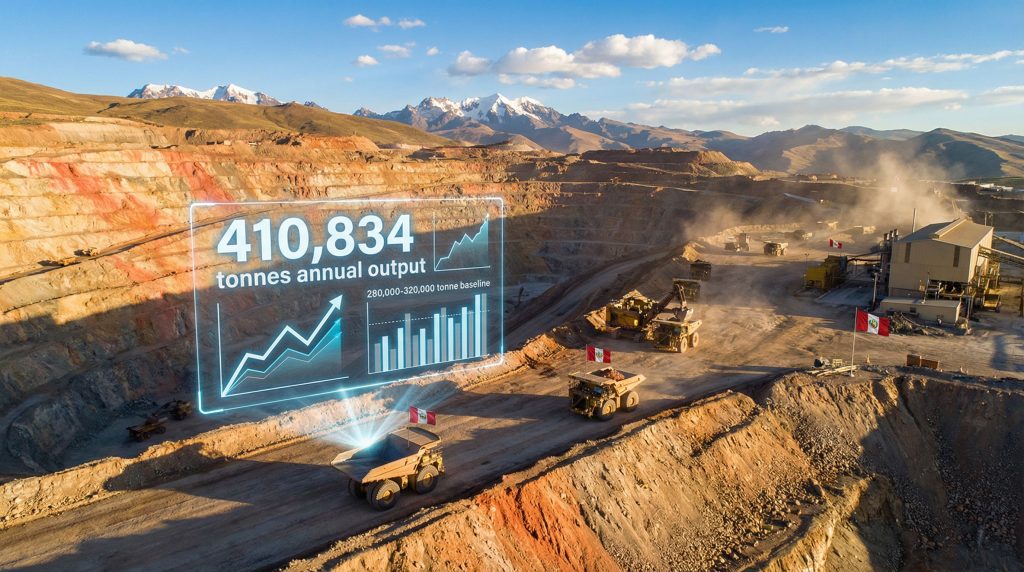
Las Bambas achieved remarkable 410,834 tonnes of copper concentrate production in 2025, representing a 27% year-over-year increase that positioned the operation among Peru's most productive mining facilities. This production milestone marked the second consecutive year of record output performance for the facility, demonstrating operational consistency that extends beyond single-year achievements.
Operational Excellence Metrics Behind Record Production Volumes
The mine's production success stems from integrated operational management systems that prioritise equipment reliability and processing continuity. MMG's operational approach includes maintaining comprehensive inventories of critical spare parts and consumables on-site, reducing potential downtime from supply chain disruptions. This inventory management strategy enables continuous operations even when external factors might otherwise interrupt production schedules.
Production optimisation at Las Bambas involves coordinated ore stockpile management that buffers operational continuity against mining schedule variations. These strategic reserves allow processing facilities to maintain steady throughput rates regardless of temporary extraction interruptions, contributing to the consistent output volumes that enabled the 2025 production record.
Mining Infrastructure Capacity Analysis
The facility's ability to exceed baseline production expectations reflects nameplate capacity utilisation approaching operational limits. Current production levels of 410,834 tonnes annually suggest the mine operates near maximum sustainable output under current infrastructure configurations. This capacity utilisation indicates that further production increases would likely require infrastructure expansion or processing efficiency improvements.
MMG's 2026 production guidance of 380,000-400,000 tonnes represents a cautious approach that builds operational contingency into planning. The forecasted range suggests management recognition of potential external constraints that could affect production continuity, reflecting lessons learned from historical operational disruptions.
Transportation logistics supporting concentrate delivery maintain consistency through diversified routing options and strategic stockpiling capabilities. The mine's location requires sophisticated logistics coordination to ensure concentrate reaches international markets efficiently, with backup systems designed to maintain delivery schedules during potential infrastructure disruptions.
When big ASX news breaks, our subscribers know first
How Do Las Bambas Production Numbers Compare to Global Copper Mining Leaders?
Ranking Analysis Among World's Largest Copper Operations
Las Bambas' 2025 production of 410,834 tonnes positions the operation within the upper tier of global copper mines by annual output volume. Within MMG's portfolio, Las Bambas contributes approximately 81% of total company copper production, demonstrating its significance as the company's flagship copper asset.
MMG's total copper portfolio achieved 506,899 tonnes in 2025, representing a 27% increase year-over-year across all operations. This growth was supported not only by Las Bambas but also by significant improvements at other facilities including a 36% surge at the Khoemacau mine in Botswana and an 18% increase at the Kinsevere operation in the Democratic Republic of Congo.
Global Copper Production Context (2025):
- Rio Tinto: 883,000 tonnes (11% increase, record output)
- MMG Total Portfolio: 506,899 tonnes (27% increase)
- Las Bambas (MMG): 410,834 tonnes (flagship operation)
- Treatment Charges Index: $71.50 per tonne (Asia Pacific, up from $69.80)
Peru's Copper Mining Landscape Positioning
Within Peru's copper mining sector, Las Bambas operates alongside other major facilities that collectively position the country as a leading global copper producer. The mine's production consistency contributes to Peru's reputation for reliable copper supply, particularly important for Asia-Pacific markets where Peruvian concentrates command premium treatment charges.
Market dynamics show that copper output growth in MMG's Las Bambas mine directly impacts regional concentrate availability and pricing structures. The facility's 27% production increase in 2025 contributed to global supply growth that occurred alongside similar increases from other major producers, creating supply-side pressures in international copper markets.
Additionally, the global copper supply forecast indicates that production from facilities like Las Bambas plays a crucial role in meeting increasing global demand. Export contribution from Las Bambas supports Peru's position in global copper trade, with the mine's concentrates typically destined for Asian smelting operations.
What Technical Factors Enable Las Bambas' Production Optimisation?
Geological Resource Management Strategies
Las Bambas benefits from geological characteristics that support sustained high-volume extraction rates. The ore body's structure enables efficient mining operations that maintain consistent grade delivery to processing facilities. Resource management protocols ensure optimal extraction sequencing that maximises recoverable copper content while maintaining operational safety standards.
Grade control methodologies at the facility involve continuous monitoring systems that track ore quality throughout the mining process. This real-time quality assessment enables processing facilities to adjust parameters for optimal concentrate production, contributing to the facility's ability to maintain consistent output volumes.
Resource depletion planning incorporates long-term sustainability considerations that balance current production optimisation with future operational continuity. The mine's approach to resource management considers both immediate production targets and longer-term extraction strategies that could support sustained operations.
Processing Technology Implementation
The facility employs comprehensive processing systems designed to maximise copper recovery from extracted ore. Processing efficiency improvements contribute directly to the increased output volumes achieved in 2025, with optimisation techniques focusing on concentrate quality consistency.
On-site inventory management systems support processing continuity through strategic stockpiling of critical consumables and spare parts. This approach reduces potential downtime from supply disruptions and enables maintenance scheduling that minimises production interruptions.
Water management systems at Las Bambas incorporate recycling and treatment capabilities that support continuous processing operations while meeting environmental compliance requirements. Efficient water utilisation contributes to overall operational sustainability and cost management.
How Does Community Relations Impact Las Bambas Mining Operations?
Social Licence Management Framework
Community engagement represents a critical operational factor that directly influences production continuity at Las Bambas. The mine's 2025 production success coincided with improved community relations that reduced operational disruptions compared to previous years when protests and blockades affected mining schedules.
MMG attributes operational stability to proactive community investment programmes designed to build stakeholder support. The company maintains active engagement protocols with local communities and government authorities to ensure smooth operations and mitigate external impacts that could affect production.
Social community investment initiatives create economic partnerships that align local interests with mining operations. These programmes focus on sustainable development that benefits local communities while supporting operational continuity necessary for consistent copper production.
Risk Mitigation Strategies for Operational Continuity
Las Bambas has historically experienced community unrest, sporadic protests and blockades that disrupted operations and affected production schedules. The facility's 2025 record output demonstrates the effectiveness of intensified community engagement in reducing these operational disruptions.
Presidential elections scheduled for April 2026 represent a recognised risk factor that management explicitly monitors for potential operational impacts. Political transition periods historically correlate with increased community activism, requiring proactive risk management strategies.
Alternative operational planning includes contingency protocols for maintaining production during potential external disruptions. These plans incorporate flexible scheduling, stockpile management, and alternative logistics routing to ensure operational resilience.
What Production Challenges Does Las Bambas Face in 2026?
Operational Risk Assessment
MMG's 2026 production guidance of 380,000-400,000 tonnes represents a 2.6-7.5% decline from 2025 record levels, reflecting management's assessment of potential operational challenges. This cautious approach builds contingency planning into production targets while maintaining flexibility for adjustment based on operating conditions.
Political cycle risks associated with Peru's presidential elections in April 2026 create uncertainty that management incorporates into operational planning. Historical precedent suggests that election periods can correlate with increased community activism and potential operational disruptions.
Key Risk Factors for 2026:
- Political Transition Risk: Presidential elections creating potential for community activism
- Commodity Price Pressure: High copper prices potentially increasing local stakeholder expectations
- Regional Infrastructure: Power instability affecting broader mining sector operations
- Weather-Related Disruptions: Adverse conditions potentially impacting mining schedules
Cost Management Under Market Volatility
Rising commodity prices create secondary pressure through increased expectations from local communities and workers who observe record-high copper market values. This dynamic potentially increases operational costs through higher community investment requirements and labour negotiations.
Energy cost management becomes increasingly critical as global power prices affect processing expenses. Las Bambas must balance cost optimisation with production targets while maintaining competitive positioning in international copper markets.
Inflation pressures affecting consumables, spare parts, and labour costs require comprehensive cost management strategies. The mine's ability to maintain production efficiency while managing cost inflation directly impacts profitability and long-term operational sustainability.
How Will Las Bambas Production Growth Affect Global Copper Markets?
Supply Chain Impact Analysis
Las Bambas' production increase contributes to global copper concentrate availability, influencing treatment charge dynamics in international markets. The facility's output of 410,834 tonnes represents material supply addition that affects pricing relationships between concentrate producers and smelting operations.
Treatment charge indices reflect supply-demand dynamics in concentrate markets, with the copper concentrates TC index reaching $71.50 per tonne in Asia-Pacific markets by January 2026. This pricing represents a $1.70 per tonne increase from the previous week, indicating market responsiveness to supply and demand variations.
Regional market dynamics in Asia-Pacific copper trading reflect the importance of reliable supply sources like Las Bambas. The mine's consistent production contributes to supply security for Asian smelting operations that depend on South American concentrate imports.
Future Production Trajectory Modelling
Production forecasting for Las Bambas incorporates both technical capacity constraints and external risk factors that could affect output volumes. The facility's demonstrated ability to achieve 410,834 tonnes establishes a baseline for future production potential under optimal operating conditions.
Technology adoption opportunities could enable productivity improvements that support production growth beyond current levels. However, such improvements would require capital investment and potentially infrastructure expansion to achieve sustained higher output rates.
Market demand projections suggest continued strong copper requirements that could support production optimisation investments at facilities like Las Bambas. The mine's strategic position in global copper supply chains positions it to benefit from sustained demand growth in key markets.
The next major ASX story will hit our subscribers first
What Investment Implications Emerge from Las Bambas Performance Data?
MMG's Portfolio Optimisation Strategy
Las Bambas' contribution of 81% of MMG's total copper production demonstrates the facility's strategic importance within the company's asset portfolio. The mine's consistent output provides stable cash flow generation that supports broader corporate investment strategies.
Capital allocation priorities for MMG increasingly focus on maintaining and optimising existing operations like Las Bambas rather than pursuing new development projects. This operational excellence approach maximises returns from proven assets while minimising development risks.
Portfolio diversification across multiple jurisdictions helps MMG balance country-specific risks while maintaining overall copper production growth. Las Bambas' performance supports this strategy by delivering reliable output from Peru's mining sector.
Copper Market Investment Considerations
Mine-specific production data from facilities like Las Bambas provides fundamental support for copper price analysis and investment decision-making. Consistent production growth from established operations contributes to supply-side market assessments.
Moreover, understanding copper exploration importance becomes crucial for investors seeking long-term exposure to the copper sector. Peru country risk factors require consideration in investment analysis, particularly regarding community relations and political stability.
Furthermore, copper investment strategies must account for operational excellence models demonstrated by facilities like Las Bambas. Environmental, social, and governance compliance requirements increasingly influence mining investment decisions.
Market Forces Shaping Copper Mining Performance
Price Dynamics and Production Economics
The relationship between copper prices and production decisions becomes increasingly complex as facilities approach capacity limits. Las Bambas' ability to maintain high output levels despite market volatility demonstrates the importance of operational efficiency in maximising revenue potential.
Copper price growth drivers continue to influence mining investment decisions and operational strategies. Higher commodity prices create opportunities for enhanced profitability but also increase stakeholder expectations and operational pressures.
Cost management strategies must balance production optimisation with market responsiveness. Facilities like Las Bambas that achieve consistent output provide stability in volatile market conditions, supporting long-term planning and investment decisions.
Strategic Positioning in Global Markets
Las Bambas' production consistency positions it as a reliable supplier in global copper concentrate markets. This reliability becomes increasingly valuable as market participants seek secure supply relationships amid geopolitical uncertainties.
The facility's geographic location in Peru provides strategic access to Asia-Pacific markets where copper demand continues growing. This positioning enables competitive transport costs and relationships with major smelting operations in the region.
Long-term supply agreements benefit from the operational track record demonstrated by Las Bambas. The facility's ability to meet production targets supports contract negotiations and premium pricing opportunities in international markets.
Frequently Asked Questions About Las Bambas Copper Production
What makes Las Bambas one of Peru's most significant copper mines?
Las Bambas achieved 410,834 tonnes of copper concentrate production in 2025, representing one of the largest annual outputs among Peruvian mining operations. The facility's consistent production growth, including a 27% year-over-year increase, demonstrates operational excellence that positions it among the country's most productive copper mining assets.
Its contribution to Peru's total copper export capacity and reliable delivery to international markets establish its significance within the national mining sector. Additionally, copper-uranium investment opportunities in similar operations attract international capital to Peru's mining sector.
How does Las Bambas manage community relations to ensure operational stability?
The mine implements proactive community investment programmes designed to build stakeholder support and maintain operational continuity. These initiatives include active engagement protocols with local communities and government authorities, focusing on sustainable development projects that create economic partnerships.
The facility's success in achieving record production in 2025 coincided with improved community relations that reduced operational disruptions compared to previous years when protests affected mining schedules. This approach demonstrates the critical importance of social licence management in modern mining operations.
What are the key technical factors driving production efficiency at Las Bambas?
Production optimisation relies on comprehensive inventory management systems that maintain critical spare parts and consumables on-site, reducing downtime risks. Strategic ore stockpiling enables continuous processing operations despite temporary extraction interruptions, while advanced processing systems maximise copper recovery rates.
The facility's approach to capacity utilisation, currently near operational limits at over 400,000 tonnes annually, demonstrates efficient resource management and infrastructure optimisation. These technical capabilities enable sustained high-volume production under challenging operating conditions.
How do Las Bambas production costs compare to industry benchmarks?
While specific cost data requires additional verification, Las Bambas operates within Peru's competitive mining cost environment that benefits from established infrastructure and skilled workforce availability. The facility's high production volumes enable economies of scale that support cost efficiency.
However, rising commodity prices create pressure through increased community expectations and labour costs. Energy price fluctuations and consumables inflation represent ongoing cost management challenges that affect overall operational economics across the mining sector.
Disclaimer: This analysis is based on publicly available information and should not be considered as investment advice. Copper mining operations involve significant risks including commodity price volatility, operational disruptions, and regulatory changes. Future production forecasts are subject to uncertainty and may differ materially from actual results.
Ready to Capitalise on the Next Major Copper Discovery?
Discovery Alert's proprietary Discovery IQ model provides instant alerts on significant ASX mineral discoveries, including copper exploration breakthroughs that could mirror the production excellence demonstrated by operations like Las Bambas. Begin exploring historic discovery returns to understand why early identification of major mineral finds can generate substantial market advantages, then start your 30-day free trial to position yourself ahead of the market.