June 19, 2026
Global commodity markets stand at a critical juncture where decades of underinvestment in mining infrastructure collide with unprecedented demand from technological transformation. The convergence of electrification mandates, artificial intelligence expansion, and geopolitical supply chain restructuring creates conditions not seen since the industrial revolutions of previous centuries. Understanding these macro forces requires examining how structural shifts in energy, technology, and manufacturing fundamentally alter resource consumption patterns, particularly through copper investment strategies that recognise these transformative trends.
The copper supercycle represents more than cyclical price appreciation. It reflects a permanent recalibration of global resource allocation driven by forces that will define the next several decades of economic development.
Understanding Supercycle Fundamentals and Current Market Positioning
Commodity supercycles differ fundamentally from traditional market cycles through their duration, underlying structural drivers, and economic impact magnitude. While typical commodity booms last two to five years driven by temporary supply disruptions or speculative activity, supercycles extend across decades, powered by permanent shifts in global economic structure.
The previous copper supercycle spanning 2000 to 2014 emerged from China's unprecedented industrialisation and urbanisation. Manufacturing capacity expansion, infrastructure development, and urban migration created sustained copper demand growth averaging 6-8% annually during peak years. This period established modern precedents for understanding how structural economic transformation translates into raw material requirements.
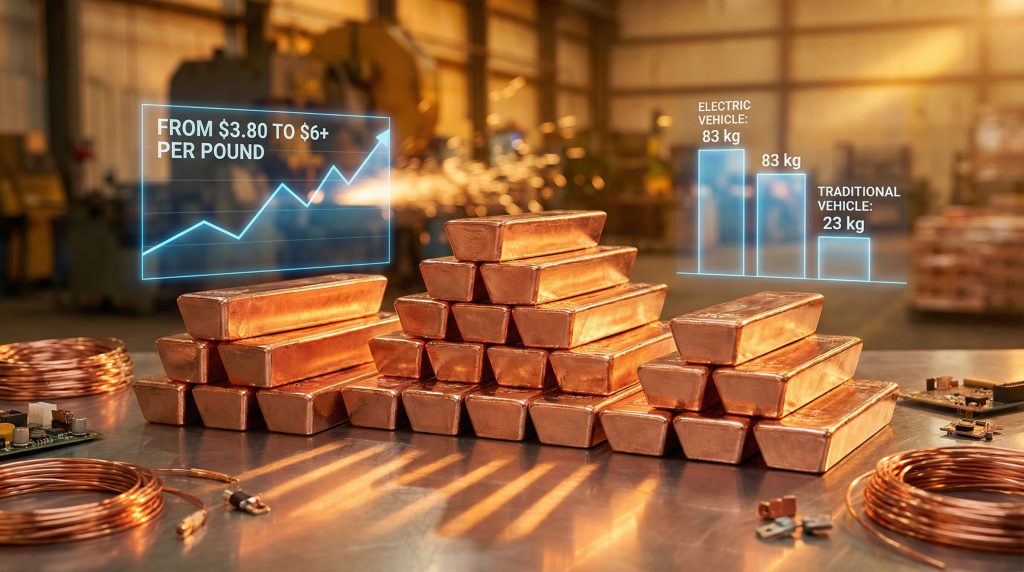
Current market dynamics suggest we have entered a new copper supercycle phase with distinct characteristics. Copper prices have climbed from approximately $3.80 per pound in early 2024 to approach $6.00 per pound as of February 2026, reflecting more than speculative momentum, as evidenced by record-high copper prices in major trading centres. Exchange inventories appear adequate on paper, yet physical market tightness has emerged across industrial supply chains.
Treatment charges, which represent processing fees paid by mines to smelters, have collapsed from historical norms above $80 per ton to below $20 per ton in many contracts. This collapse serves as a reliable indicator of physical copper concentrate scarcity, as smelters compete aggressively for available supply when material becomes scarce.
The fundamental difference between current conditions and the China-driven boom lies in demand source diversification. Rather than relying primarily on construction and traditional manufacturing, today's copper demand acceleration stems from multiple simultaneous transformations: electrification of transportation, renewable energy infrastructure, digital technology expansion, and defence sector modernisation.
When big ASX news breaks, our subscribers know first
Electrification Revolution Reshaping Global Demand Patterns
Transportation electrification represents the most visible driver of accelerated copper demand. Electric vehicles require approximately 83 kilograms of copper compared to 23 kilograms in internal combustion engine vehicles, creating a 3.6x demand multiplier for every vehicle electrified. With electric vehicle sales growth exceeding 25% annually in major markets, this single application category adds substantial incremental demand.
Beyond individual vehicles, transportation electrification includes commercial fleets, public transit systems, and charging infrastructure networks. Each charging station requires significant copper wiring for power delivery systems, while high-capacity fast-charging installations demand substantial electrical infrastructure upgrades.
| Application Type | Copper Content (kg) | Annual Growth Rate |
|---|---|---|
| Traditional Vehicle | 23 | Declining |
| Electric Vehicle | 83 | 25%+ |
| Wind Turbine (3MW) | 4,700 | 15%+ |
| Solar Installation (1MW) | 3,900 | 20%+ |
| Data Center (Medium) | 200,000+ lifetime | 18%+ |
Renewable energy infrastructure creates parallel demand acceleration. Wind turbines require approximately 4,700 kilograms of copper per 3-megawatt unit for generators, transformers, and grounding systems. Solar installations demand roughly 3,900 kilograms per megawatt for inverters, wiring, and connection systems. As renewable capacity additions exceed 300 gigawatts annually worldwide, these installations consume millions of tons of additional copper yearly.
Grid modernisation compounds electrification demand through infrastructure replacement and capacity expansion. Much of North America's electrical grid was constructed during the 1960s and 1970s using design standards inadequate for current loads and reliability requirements. Industry analyses suggest grid upgrades will require between $760 billion and $1.4 trillion in capital expenditures over the next 25 years, with copper representing a substantial portion of materials costs.
Digital Infrastructure and Artificial Intelligence Expansion
Data centers have emerged as unexpected major copper consumers due to artificial intelligence computational requirements. Modern facilities require extensive copper wiring for power distribution, cooling systems, and server connections. A medium-sized data center consumes hundreds of thousands of kilograms of copper over its operational lifetime, while hyperscale facilities can require millions of kilograms.
The artificial intelligence boom accelerates data center construction beyond historical trends. AI training and inference operations demand substantially more computational power than traditional data processing, requiring larger facilities with higher power densities. Each new generation of AI technology appears to require exponentially greater infrastructure investment, creating sustained copper demand growth, as emerging market analysis indicates this trend will intensify.
Telecommunications infrastructure modernisation adds another layer of demand through 5G network deployment and preparation for 6G technologies. Advanced wireless networks require denser base station deployment, fibre optic backbone expansion, and edge computing infrastructure, all incorporating significant copper components.
Supply-Side Constraints Creating Perfect Storm Conditions
The global copper supply outlook faces unprecedented constraints spanning exploration, development, and production phases. Exploration success rates have declined dramatically since the 1980s despite increased spending, as easily discoverable, high-grade deposits become increasingly rare. Major new discoveries now typically require 15 to 20 years from initial finding to commercial production, assuming successful permitting and development.
The mathematics of supply replacement are daunting. Industry analyses suggest the world needs approximately six giant tier-one copper mines to commence production annually through 2050 merely to maintain current supply levels, without accounting for demand growth. Tier-one mines produce over 200,000 tons annually and typically require multi-billion dollar investments with decade-plus development timelines.
"The global copper industry faces an unprecedented supply challenge where demand acceleration coincides with the exhaustion of easily developed reserves, creating conditions not experienced since the early industrial age."
Existing operations face escalating operational challenges. Many major copper mines operate deposits discovered over a century ago, with ore grades declining steadily as higher-grade zones become exhausted. Lower grades require processing larger volumes of rock to extract equivalent copper quantities, increasing energy consumption, water usage, and environmental impact per ton produced.
Water scarcity affects numerous major copper-producing regions, from Chile's Atacama Desert to Australia's interior mining districts. Water requirements for ore processing, dust suppression, and tailings management compete with agricultural and municipal needs, creating operational constraints and community tensions.
Production growth projections reflect these constraints. Furthermore, industry forecasts suggest global mine production may achieve 4.6% to 4.8% growth in 2026, but this rate is expected to decline thereafter as development projects face delays and existing mines mature. By contrast, demand growth appears likely to sustain rates above 3% annually for the foreseeable future.
Brownfield Expansion Limitations and Capital Allocation
Brownfield expansions, which historically provided cost-effective production increases by extending existing operations, face increasing limitations. Most major copper mines have already optimised their production profiles through previous expansions, leaving fewer opportunities for incremental capacity additions.
Capital allocation within the mining industry reflects decades of financial discipline following the commodity downturn of 2014-2016. Mining companies prioritise debt reduction and shareholder returns over aggressive expansion plans, creating structural underinvestment in new capacity development.
Environmental permitting processes have lengthened substantially across major mining jurisdictions. New projects face increasingly rigorous environmental impact assessments, community consultation requirements, and regulatory approval processes that can extend development timelines by several years.
Geopolitical Tensions Amplifying Market Dynamics
China's strategic pivot toward resource security creates fundamental shifts in global copper market dynamics. As the world's largest copper consumer and refiner, Chinese policy decisions significantly impact global supply availability. Recent export restrictions on copper and other strategic materials signal prioritisation of domestic supply security over international market optimisation, contributing to the US‑China trade tensions affecting commodity flows.
The Belt and Road Initiative represents China's systematic approach to securing resource supply chains through infrastructure investment and long-term supply agreements. Chinese entities have established significant positions in copper mining operations across Africa, South America, and Central Asia, potentially reducing supply availability to other markets during periods of tension.
Western governments increasingly view copper and other critical materials through national security frameworks. The United States has designated copper as a critical mineral, while European Union policies emphasise supply chain resilience and reduced dependence on potentially unreliable suppliers.
Regional Production Vulnerabilities and Political Risk
Major copper-producing regions face varying degrees of political instability and regulatory uncertainty. Chile and Peru together account for approximately 40% of global mine production, yet both countries experience ongoing political transitions that could affect mining policies and investment climates.
The Democratic Republic of Congo produces significant quantities of copper alongside cobalt, but operational disruptions from civil unrest, infrastructure limitations, and regulatory changes create supply uncertainties. Recent changes to mining taxation and export procedures demonstrate how quickly political decisions can affect supply availability.
Indonesia's evolving regulatory environment includes requirements for domestic processing of mineral ores, potentially restricting copper concentrate exports. These policies aim to develop domestic refining capacity but can create temporary supply disruptions as new facilities are constructed.
Trade policy uncertainties add volatility to copper markets through tariff implications and trade agreement modifications. The current US administration has implemented significant defence spending increases, reported at 50% above previous levels, creating additional demand while potentially affecting international trade relationships.
Economic Implications of Sustained Copper Shortages
Sustained copper shortages create cascading effects throughout global economic systems. Construction costs rise as copper-intensive materials become more expensive, affecting residential, commercial, and infrastructure project economics. Major infrastructure initiatives face budget overruns and timeline delays as material costs exceed original projections.
Manufacturing competitiveness becomes affected as higher copper prices increase production costs for electronics, appliances, industrial equipment, and machinery. Companies may defer expansion plans or relocate production to regions with more favourable input cost structures.
| Copper Price Level | Infrastructure Impact | GDP Growth Effect | Inflation Contribution |
|---|---|---|---|
| $6-8/lb | Moderate delays | -0.1% to -0.2% | +0.3% to +0.5% |
| $8-12/lb | Significant delays | -0.3% to -0.5% | +0.7% to +1.2% |
| $12+/lb | Project cancellations | -0.5%+ | +1.5%+ |
Energy transition timelines face potential delays as renewable energy project economics become compromised by higher material costs. Wind and solar installations may become less competitive relative to conventional energy sources, potentially slowing decarbonisation efforts.
Inflation transmission mechanisms operate through multiple channels. Direct price increases for copper-containing products affect consumer prices, while indirect effects include higher construction costs, increased manufacturing expenses, and elevated infrastructure development costs.
Central bank monetary policy responses to commodity-driven inflation create additional economic complexities. Higher interest rates designed to control inflation may simultaneously reduce economic activity and delay infrastructure investments that could eventually alleviate supply constraints.
Investment Positioning Strategies for the Copper Supercycle
Mining equity investments offer leveraged exposure to copper price appreciation through operational and financial leverage effects. Major diversified mining companies provide relatively stable exposure with geographic and commodity diversification, while junior exploration companies offer higher potential returns with correspondingly elevated risk profiles, particularly those engaged in mineral exploration trends across promising jurisdictions.
Geographic diversification within mining portfolios helps manage political and regulatory risks associated with individual countries or regions. Companies with operations across multiple jurisdictions reduce exposure to single-country policy changes or operational disruptions.
Environmental, social, and governance considerations increasingly influence mining investment decisions as stakeholders prioritise sustainable practices. Companies demonstrating superior ESG performance may command valuation premiums and face fewer operational disruptions from community or regulatory challenges.
Physical Copper Investment Vehicles and Considerations
Exchange-traded funds focused on copper provide direct price exposure without operational leverage or company-specific risks associated with mining equities. However, investors must consider storage costs, fund management fees, and potential tracking errors relative to spot copper prices.
Copper futures markets offer price exposure through standardised contracts, though investors face contango risk when future prices exceed spot prices. Futures require active management and understanding of contract rollover dynamics to maintain long-term positions effectively.
Direct physical copper ownership presents logistical challenges including storage, insurance, and transportation costs that may offset potential investment returns. Most individual investors find indirect exposure through funds or securities more practical than physical ownership.
Indirect Exposure Through Technology and Infrastructure
Copper-intensive technology companies offer indirect exposure while participating in demand-driving trends. Electric vehicle manufacturers, renewable energy equipment producers, and data centre operators benefit from the same technological transitions creating copper demand.
Infrastructure and construction companies with significant copper-using operations may experience margin pressure from higher input costs but could benefit from increased project activity driven by modernisation needs. Careful analysis of cost-pass-through capabilities helps identify companies likely to maintain profitability during copper price increases.
Recycling and urban mining companies represent potential beneficiaries of higher copper prices as secondary production becomes more economically attractive. These businesses may experience improved margins and expansion opportunities as copper prices rise above historical ranges.
The next major ASX story will hit our subscribers first
Recycling's Role in Supply-Demand Balance
Secondary copper production currently contributes approximately 4 million tons annually to global supply, representing roughly 15% of total copper consumption. Recycling rates vary significantly by application, with electrical wiring and plumbing systems offering higher recovery rates than electronics or smaller components.
Urban mining potential exists within ageing infrastructure systems containing substantial copper quantities. However, accessing this copper typically requires demolition or major renovation projects, limiting availability during periods of immediate supply shortage.
Technology improvements in sorting and processing increase recycling efficiency and reduce contamination levels in recovered copper. Advanced separation techniques allow recovery of copper from complex waste streams previously considered uneconomical to process.
What Makes Recycling Economics Viable During Price Surges?
Recycling economics become increasingly attractive as primary copper prices rise, creating incentives for expanded collection and processing activities. Higher prices justify transportation costs from remote locations and processing of lower-grade scrap materials.
Processing capacity constraints limit recycling expansion rates as existing facilities operate near full capacity. New recycling infrastructure requires significant investment and permitting processes that may take several years to complete.
Quality considerations affect recycled copper applications, as some high-specification uses require virgin material or carefully controlled recycling processes. Electronic applications often demand higher purity levels than available from mixed scrap sources.
Technology Disruption and Long-Term Demand Evolution
Substitution possibilities exist for certain copper applications, though technical and economic barriers limit widespread adoption. Aluminium offers potential substitution in electrical transmission applications, while fibre optic cables replace copper in certain telecommunications uses.
Advanced materials research explores alternatives including carbon nanotube conductors, graphene-based materials, and superconducting wires. However, commercial viability remains limited by production costs, manufacturing scalability, and performance characteristics under real-world conditions.
Efficiency improvements in copper utilisation could reduce demand intensity per unit of economic output. Smart grid technologies optimise power distribution, reducing waste and potentially decreasing total copper requirements for equivalent electrical service levels.
How Might Breakthrough Technologies Disrupt Demand?
Room-temperature superconductors represent the most significant potential demand disruption, as they could eliminate resistive losses in electrical transmission and reduce copper requirements dramatically. However, recent scientific breakthroughs have not yet achieved practical commercial applications.
Wireless power transmission technologies could reduce wired electrical infrastructure needs if successfully scaled for practical applications. Current wireless systems remain limited by efficiency concerns and transmission distance limitations.
Advanced battery chemistries might alter copper demand patterns through changes in electric vehicle architectures or energy storage system designs. However, most next-generation battery technologies continue requiring substantial copper for charging systems and electrical connections.
Risk Factors and Scenario Planning
Upside scenarios include accelerated electrification timelines driven by policy mandates or technological breakthroughs that reduce costs. Climate change urgency could prompt more aggressive renewable energy deployment, while artificial intelligence advancement may require greater data centre infrastructure investment than currently projected.
Supply disruption risks span operational, political, and natural disaster categories. Major mining operations face potential interruptions from labour disputes, equipment failures, environmental incidents, or geopolitical tensions affecting key producing regions.
Downside risks include global economic recession reducing industrial demand, breakthrough substitution technologies achieving commercial viability, or major new copper discoveries entering production faster than historically typical. Additionally, strategic investment opportunities must account for regulatory changes affecting mining operations globally.
Timeline and Probability Considerations
Near-term factors affecting copper markets through 2028 include current supply-demand fundamentals, geopolitical tensions, and macroeconomic conditions. These shorter-term influences create price volatility around longer-term structural trends.
Medium-term dynamics spanning 2028 to 2035 depend on new mine development success, technology adoption rates, and economic growth patterns. This period likely determines whether current supply constraints are resolved through increased production or demand destruction via substitution.
Long-term equilibrium beyond 2035 becomes increasingly difficult to predict as technological disruptions, resource depletion patterns, and economic structural changes introduce greater uncertainty. However, physical resource constraints suggest copper scarcity may persist absent major technological breakthroughs.
Navigating Investment Opportunities in the Copper Supercycle
The current copper supercycle presents distinct investment opportunities created by structural supply-demand imbalances that differentiate it from cyclical commodity rallies. Unlike previous booms driven primarily by speculation or temporary disruptions, this cycle emerges from permanent changes in global energy systems, technology infrastructure, and manufacturing patterns.
Successful positioning requires understanding the interplay between immediate market dynamics and longer-term structural forces. Geographic diversification across mining jurisdictions, careful evaluation of company-specific operational advantages, and realistic assessment of development timelines become critical factors in investment selection.
The convergence of electrification demands, digital infrastructure expansion, and supply chain security concerns creates multiple pathways for copper market participation. Whether through direct mining investments, technology sector exposure, or commodity-focused funds, investors can access this copper supercycle through various risk-return profiles aligned with individual investment objectives and timelines.
Disclaimer: This analysis is for informational purposes only and does not constitute investment advice. Commodity investments carry substantial risks including price volatility, regulatory changes, and operational uncertainties. Past performance does not guarantee future results. Investors should conduct their own research and consult qualified financial advisors before making investment decisions.
Want to Capitalise on Copper's Record-Breaking Rally?
Discovery Alert's proprietary Discovery IQ model delivers real-time alerts on significant copper discoveries across the ASX, instantly empowering subscribers to identify actionable opportunities ahead of the broader market. Begin your 14-day free trial today and secure your market-leading advantage whilst positioning yourself at the forefront of this historic commodity supercycle.