May 22, 2026
The Critical Energy Crisis Facing Global Ferrochrome Production
The global ferrochrome industry stands at a crossroads where energy costs determine survival. High-temperature smelting operations require massive electrical input, making power tariffs the single most critical factor in production economics. Furthermore, when industrial electricity rates exceed operational thresholds, entire sectors face extinction, creating supply chain disruptions that ripple through global manufacturing networks. The ongoing Glencore Merafe power tariff negotiations exemplify this challenge, representing a pivotal moment for South Africa's industrial future.
When big ASX news breaks, our subscribers know first
The Collapse and Potential Resurrection of South African Ferrochrome
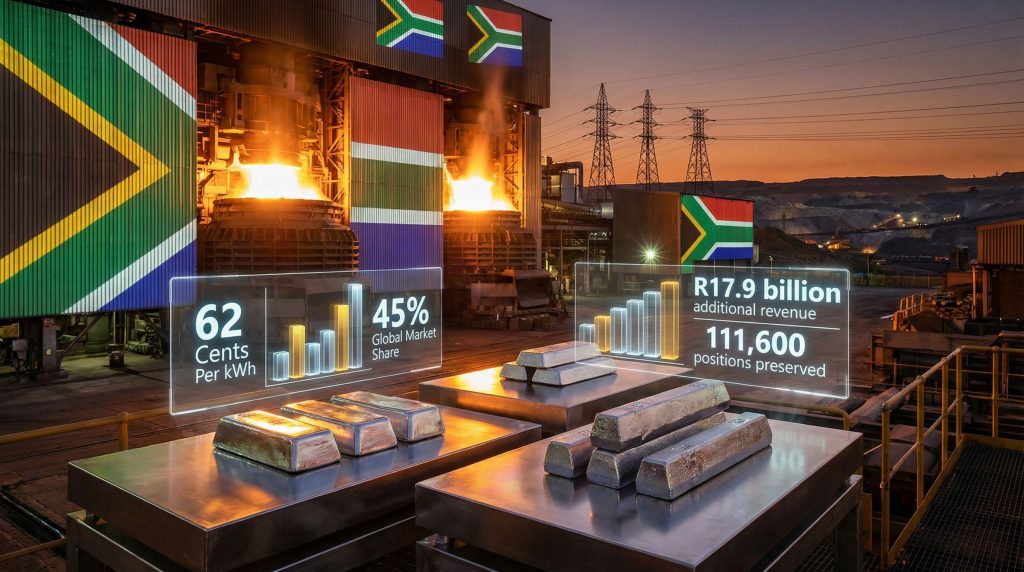
South Africa's ferrochrome sector has experienced a devastating contraction, with operational capacity plummeting from 66 furnaces to just 11 active units. This dramatic reduction represents more than industrial decline; it signals the near-collapse of a sector that historically supplied 45% of global ferrochrome production.
The crisis stems from electricity tariff structures that rendered South African operations uncompetitive against international producers. Previous rates of 87.74 c/kWh from January 2026 created unsustainable cost pressures, forcing operators to initiate closure procedures despite the strategic importance of their facilities. Moreover, this situation has prompted comprehensive tariff economic implications analysis across multiple sectors.
Energy-Intensive Manufacturing and Grid Dependencies
Ferrochrome production demands extraordinary energy consumption due to the high-temperature electric arc furnace requirements. The smelting process operates at temperatures exceeding 1,650°C, requiring consistent electrical supply with specific power quality parameters. Consequently, this makes ferrochrome facilities among the most energy-sensitive industrial operations globally.
The technical specifications extend beyond simple cost considerations. Furnace operations require stable voltage supply, minimal interruptions, and predictable load patterns that align with grid management requirements. These factors make ferrochrome smelters valuable baseload consumers for electricity utilities when operated under appropriate tariff structures.
Economic Framework of the 62 Cents Proposal
The proposed 62 c/kWh tariff represents a critical threshold calculation based on global competitiveness analysis. Industry assessments indicate that approximately 60 c/kWh constitutes the viability ceiling for South African ferrochrome operations, making the proposed rate marginally sustainable while providing minimal operational buffer. Additionally, this aligns with broader tariffs impact analysis affecting various industrial sectors.
Global Ferrochrome Production Cost Analysis
| Production Region | Electricity Rate (c/kWh) | Competitive Position | Market Share |
|---|---|---|---|
| South Africa (Current) | 87.74 | Uncompetitive | 45% (declining) |
| South Africa (Proposed) | 62 | Marginally viable | 45% (recovery potential) |
| China | 45-55 | Strong advantage | 35% |
| Kazakhstan | 40-50 | Significant advantage | 12% |
| India | 50-60 | Moderate advantage | 8% |
This comparison reveals the strategic importance of the Glencore Merafe power tariff negotiations. The proposed rate would restore basic competitiveness while remaining above the most advantaged global producers.
Financial Impact Projections Across Stakeholders
Eskom Revenue Optimization
- R17.9 billion additional annual revenue from restored industrial demand
- Enhanced load factor through high-volume, predictable consumption patterns
- Grid stability improvements from industrial baseload characteristics
- Reduced reliance on expensive peaking power during industrial demand periods
Government Fiscal Benefits
- R5.5 billion estimated benefit to national treasury through tax revenues
- R76 billion projected annual export earnings restoration
- Employment preservation across 111,600 positions (11,400 direct, 100,200 indirect)
- Foreign exchange earnings supporting balance of payments stability
These projections demonstrate the multiplier effects of industrial energy policy decisions, where tariff adjustments create cascading economic impacts across multiple stakeholders. Furthermore, this reflects broader mining industry trends toward energy cost optimization.
Strategic Positioning in Global Supply Chains
South Africa's dominance in ferrochrome production stems from geological advantages and established infrastructure. The country possesses approximately 70% of global chromite reserves, providing raw material security that competitors cannot replicate. However, this geological endowment creates natural cost advantages that electricity tariff optimization can unlock.
Market Concentration and Supply Security
The ferrochrome market exhibits high concentration levels, with South African operations historically supplying nearly half of global production. This concentration creates strategic vulnerabilities for downstream stainless steel manufacturers who depend on consistent ferrochrome supply.
Current production constraints in South Africa have created supply tightness that supports higher ferrochrome prices globally. Nevertheless, sustained production disruptions risk permanent market share loss as consumers develop alternative supply relationships or substitute materials.
Production Capacity Recovery Timeline
- Current status: 11 of 66 furnaces operational
- Phase 1 target: 45 furnaces by December 2026
- Phase 2 target: Additional 4 furnaces by end-2027
- Full recovery potential: Dependent on sustained tariff relief and market conditions
Risk Management and Negotiation Dynamics
The extension of closure deadlines to March 31, 2026, demonstrates sophisticated risk management by the joint venture. This approach maintains operational flexibility while creating negotiation pressure through credible shutdown threats. In addition, governments worldwide are developing tariff counter measures to protect domestic industries.
Regulatory Approval Complexities
NERSA's role as energy regulator involves balancing competing interests between industrial competitiveness and consumer protection. The regulator must evaluate whether special industrial tariffs create unfair cost burdens for other electricity users while considering broader economic benefits.
Critical Consideration: Regulatory approval requires demonstrating that industrial tariff relief generates net positive economic outcomes that justify potential cross-subsidization effects on other consumer categories.
Section 189 Retrenchment Processes
The invocation of Section 189 procedures creates legal framework for workforce reductions while maintaining negotiation leverage. This regulatory mechanism allows companies to pursue necessary restructuring while providing employees with legal protections and consultation rights.
Technical Considerations for Implementation
Successful tariff implementation requires coordination between multiple technical and operational systems. Power quality specifications for ferrochrome smelting include:
- Voltage stability: Minimal fluctuations to prevent furnace damage
- Harmonic management: Control of electrical distortions from high-power operations
- Load scheduling: Coordination with grid management for optimal system efficiency
- Backup power arrangements: Emergency protocols for supply interruptions
Grid Integration and Infrastructure Requirements
Restored ferrochrome production would require substantial grid infrastructure preparation. The electrical load from 45 operational furnaces represents significant demand that must be integrated carefully with grid planning and capacity allocation.
This integration process involves transformer capacity verification, transmission line adequacy assessment, and substation upgrade requirements. Consequently, the timing of production ramp-up must align with grid infrastructure readiness to prevent system instabilities.
The next major ASX story will hit our subscribers first
Precedent-Setting Implications for Industrial Policy
The Glencore Merafe power tariff negotiations establish important precedents for South African industrial energy policy. Success could create frameworks for supporting other energy-intensive sectors including aluminum smelting, steel production, and chemical manufacturing.
Comparative Analysis with International Industrial Policies
Many jurisdictions employ differentiated electricity pricing to maintain industrial competitiveness:
- Canada: Subsidized hydro power for aluminum smelting operations
- Norway: Industrial electricity agreements supporting metallurgical sectors
- Iceland: Geothermal power contracts for energy-intensive manufacturing
- Australia: Industrial tariff structures for mining and processing operations
These international examples demonstrate that industrial electricity subsidies represent established policy tools for maintaining manufacturing competitiveness in high-energy-cost environments.
Investment and Market Psychology Factors
The ferrochrome sector's recovery depends not only on tariff relief but also on investor confidence restoration. Extended operational shutdowns create maintenance backlogs, skills attrition, and supply chain disruptions that require substantial capital investment to overcome. Moreover, this situation highlights the importance of sustainable mining strategies for long-term viability.
Capital Requirements for Production Restart
Restarting mothballed ferrochrome facilities involves significant technical and financial challenges:
- Furnace refurbishment: Refractory replacement and electrical system upgrades
- Equipment maintenance: Addressing deferred maintenance accumulated during shutdowns
- Workforce retraining: Rebuilding operational expertise following employment disruptions
- Supply chain reactivation: Restoring raw material and logistics relationships
These restart costs create additional hurdles beyond tariff relief, requiring sustained market confidence and access to capital financing.
How Does the Proposed Tariff Compare to Global Standards?
The proposed 62 c/kWh rate positions South Africa within the competitive range of global ferrochrome producers, though it remains higher than the most advantaged regions. This represents a careful balance between industry viability and utility cost recovery requirements.
International benchmarking reveals that successful ferrochrome operations typically secure electricity at rates below 65 c/kWh. The proposed tariff therefore provides marginal sustainability while maintaining pressure for operational efficiency improvements.
What Are the Long-Term Sustainability Considerations?
The proposed tariff relief addresses immediate crisis conditions but raises questions about long-term industry sustainability. South Africa's energy transition toward renewable sources may create future pricing pressures as the grid adapts to variable generation sources.
Integration with Renewable Energy Transition
Ferrochrome operations could potentially integrate with renewable energy development through:
- Demand response programs: Adjusting production schedules to match renewable generation patterns
- Storage integration: Using industrial demand to balance grid storage requirements
- Direct renewable contracting: Long-term agreements with solar and wind developers
- Grid stability services: Providing frequency regulation and voltage support capabilities
These integration opportunities could create sustainable pathways for maintaining industrial competitiveness while supporting South Africa's energy transition objectives.
Strategic Outlook and Market Implications
The outcome of the Glencore Merafe power tariff negotiations will significantly influence South Africa's position in global ferrochrome markets. Successful resolution could demonstrate government commitment to industrial competitiveness and create momentum for broader manufacturing sector support. According to South Africa's mining sector analysis, the proposed tariff cuts represent a crucial intervention for the struggling industry.
Conversely, negotiation failure would likely trigger permanent capacity closures, creating lasting market share losses and employment disruptions. The March 31, 2026 deadline creates urgency for all stakeholders to reach mutually beneficial arrangements. However, as industry experts note, the extension provides critical time for comprehensive evaluation.
Key Success Indicators:
- Production restoration timeline meeting projected capacity targets
- Employment recovery across direct and indirect positions
- Export revenue generation achieving R76 billion annual targets
- Investment confidence supporting future capacity expansion
The ferrochrome sector's revival represents a critical test case for South Africa's ability to maintain energy-intensive manufacturing in a constrained power environment. Success could establish frameworks for similar interventions across mining and industrial sectors, while failure might signal broader challenges for manufacturing competitiveness.
Investment decisions in the mining and energy sectors involve substantial risks. This analysis is for informational purposes and should not be considered investment advice. Readers should conduct independent research and consult qualified professionals before making financial decisions.
Ready to Capitalise on Energy-Intensive Mining Opportunities?
Discovery Alert's proprietary Discovery IQ model delivers real-time alerts on significant ASX mineral discoveries, instantly empowering subscribers to identify actionable opportunities ahead of the broader market. Understand why major mineral discoveries can lead to significant market returns by exploring Discovery Alert's dedicated discoveries page, showcasing historic examples of exceptional outcomes, and begin your 14-day free trial today to position yourself ahead of the market.