
August 6, 2026
Critical Infrastructure Vulnerabilities in the Renewable Energy Transition
The accelerating global transition to renewable energy has created unprecedented intersections between national security frameworks and clean energy infrastructure development. As governments worldwide pursue ambitious decarbonisation targets, the strategic importance of energy supply chains has evolved beyond traditional fossil fuel considerations. Furthermore, the critical minerals energy transition encompasses sophisticated technology dependencies, dual-use equipment concerns, and geopolitical supply chain vulnerabilities that fundamentally reshape how nations evaluate foreign investment in critical infrastructure sectors.
When big ASX news breaks, our subscribers know first
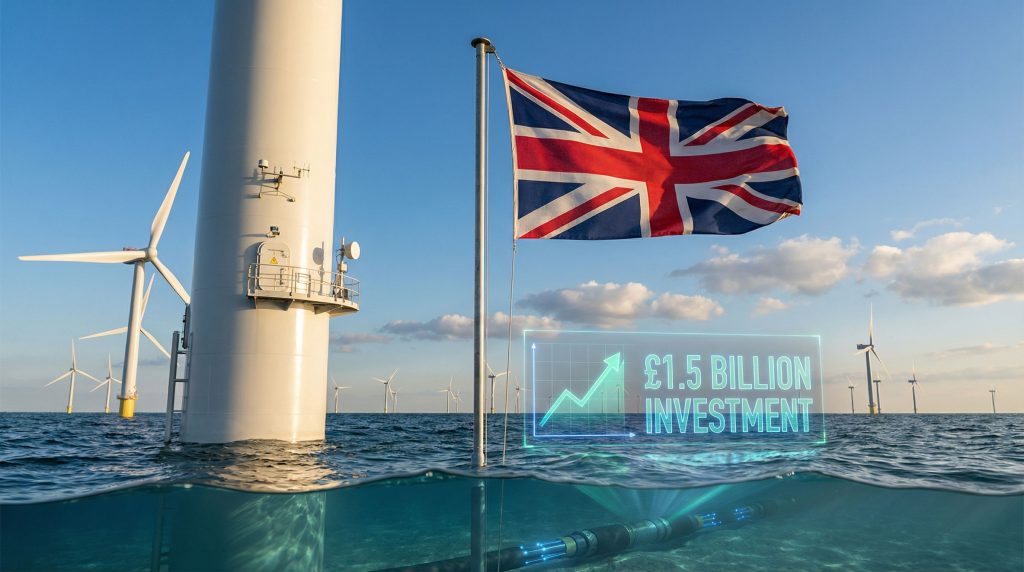
What Does the UK's £1.5 Billion Wind Turbine Factory Block Signal for Energy Security Policy?
The Strategic Context Behind Infrastructure Investment Vetoes
The British government's intervention to halt a major Chinese wind turbine manufacturing facility represents a significant escalation in how Western nations evaluate foreign direct investment in renewable energy infrastructure. This decision demonstrates the growing recognition that modern wind energy equipment incorporates sophisticated control systems, data collection capabilities, and remote monitoring functions that extend far beyond simple electricity generation.
The proposed facility would have established substantial manufacturing capacity for offshore wind turbines, positioning the UK as a key production hub within European supply chains. However, security assessments revealed concerns about the proximity of manufacturing operations to sensitive undersea cable infrastructure and the potential for embedded surveillance capabilities within turbine control systems.
Investment screening mechanisms have evolved considerably since traditional foreign direct investment frameworks were established. In addition, the US mineral executive order highlights similar strategic considerations across allied nations. Modern evaluation criteria now incorporate assessments of:
- Technology transfer implications and intellectual property vulnerabilities
- Supply chain concentration risks across critical energy infrastructure
- Dual-use technology capabilities embedded in renewable energy equipment
- Long-term maintenance access and operational control considerations
- Proximity factors to critical national infrastructure including telecommunications networks
Precedent-Setting Implications for Future Energy Infrastructure Decisions
This regulatory intervention establishes important precedents for how Western governments balance economic benefits against strategic vulnerabilities in renewable energy development. The decision signals a fundamental shift toward treating renewable energy manufacturing as strategically equivalent to traditional defense-related industrial capacity.
European Union member states are closely monitoring this decision as they develop their own investment screening protocols for Chinese renewable energy investments. Similar concerns have emerged across multiple clean energy sectors, including solar panel manufacturing, battery storage systems, and grid integration technologies.
The ripple effects extend beyond bilateral UK-China relations to influence broader Western alliance approaches to clean energy supply chain security. Moreover, UK blocks Chinese wind turbine factory over security fears demonstrates how investment screening coordination mechanisms between allied nations are becoming increasingly sophisticated, with shared assessment criteria and intelligence sharing protocols for evaluating foreign renewable energy investments.
Why Are Subsea Cable Proximities Becoming Critical Factors in Wind Farm Development?
The Intersection of Offshore Wind and Communications Infrastructure
The strategic significance of undersea communication cables has elevated proximity considerations to primary importance in offshore wind development approvals. These fiber optic networks carry an estimated 95% of global internet traffic and represent critical infrastructure for international financial systems, government communications, and commercial data flows.
Modern offshore wind installations create multiple vulnerability vectors near subsea cable infrastructure:
- Physical proximity risks during construction and maintenance operations
- Electromagnetic interference potential affecting signal transmission quality
- Surveillance opportunities through strategically positioned monitoring equipment
- Access control concerns for ongoing maintenance and inspection activities
- Dual-use capability integration within turbine control and monitoring systems
The technical complexity of modern wind turbines includes sophisticated data collection systems that monitor wind patterns, structural performance, energy output, and maintenance requirements. These systems typically incorporate satellite communication capabilities, remote access protocols, and extensive data storage functions that could theoretically be adapted for surveillance purposes.
Risk Assessment Frameworks for Dual-Use Energy Technologies
Government security agencies have developed comprehensive evaluation frameworks for assessing dual-use technology risks in renewable energy infrastructure. These frameworks examine both direct surveillance capabilities and indirect intelligence gathering potential through operational data analysis.
Key assessment criteria include:
- Data collection scope and transmission capabilities
- Remote access protocols and cybersecurity vulnerabilities
- Maintenance access requirements and personnel vetting procedures
- Technology transfer implications for critical infrastructure knowledge
- Long-term operational dependencies on foreign technical support
The evaluation process now incorporates classified intelligence assessments alongside traditional economic and environmental impact analyses. This multi-dimensional approach reflects the complexity of modern renewable energy technology and its potential security implications.
How Do Economic Retaliation Threats Impact Renewable Energy Investment Strategies?
China's Response Strategy and Investment Leverage Mechanisms
Chinese renewable energy manufacturers maintain significant cost advantages over Western competitors, with industry analyses indicating pricing differentials of approximately 40% lower than comparable European or American equipment. This cost advantage represents substantial leverage in negotiations with Western governments implementing investment restrictions.
Beijing's response to investment screening measures typically incorporates multiple diplomatic and economic pressure points:
- Market access restrictions for Western companies operating in China
- Supply chain disruption threats for critical raw materials and components
- Alternative partnership promotion with developing nations seeking cost-effective renewable energy solutions
- Technology sharing limitations affecting joint development projects
- Trade relationship escalation across broader economic sectors
The strategic use of economic leverage extends beyond immediate renewable energy markets to encompass broader trade relationships and technology cooperation agreements. Chinese renewable energy companies frequently operate as components of larger state-directed economic development strategies.
The Job Creation vs. Security Trade-off in Policy Decision-Making
The blocked wind turbine facility represented significant economic opportunity, with projections indicating 1,500 direct manufacturing jobs and substantial indirect employment effects throughout regional supply chains. Government decision-makers must increasingly balance immediate economic benefits against long-term strategic vulnerabilities.
Economic impact assessments for renewable energy infrastructure investments now incorporate:
| Economic Benefits | Security Considerations |
|---|---|
| Direct manufacturing employment | Technology transfer vulnerabilities |
| Regional supply chain development | Long-term operational dependencies |
| Export market opportunities | Critical infrastructure proximity risks |
| Tax revenue generation | Dual-use technology capabilities |
| Skills development programs | Foreign technical personnel access |
Alternative domestic manufacturing initiatives require substantially higher initial investment but provide greater long-term strategic autonomy. Government support mechanisms for indigenous renewable energy manufacturing typically include research and development funding, tax incentives, and preferential procurement policies.
What Are the Broader Implications for Global Wind Energy Supply Chain Security?
Market Concentration Risks in Wind Turbine Manufacturing
Chinese manufacturers currently control approximately 60% of global wind turbine production capacity, creating significant supply chain concentration risks for Western renewable energy development programs. This market dominance extends across multiple critical components including turbine nacelles, generator systems, and advanced control electronics.
Supply chain vulnerability assessments reveal concerning dependencies:
- Raw material processing concentrated in Chinese facilities
- Advanced manufacturing capabilities with limited Western alternatives
- Research and development leadership in next-generation turbine technologies
- Cost competitiveness that challenges Western manufacturing viability
- Integration expertise for large-scale offshore wind installations
Western efforts to develop alternative manufacturing capacity face substantial challenges including higher labour costs, limited rare earth material access, and technology gaps in advanced turbine design. Consequently, the establishment of a critical minerals reserve becomes increasingly important. Government support programs are increasingly focused on developing competitive domestic alternatives rather than simply restricting foreign investment.
Technology Transfer and Intellectual Property Considerations
Manufacturing restrictions significantly impact technology sharing agreements in renewable energy sectors. Many Western wind energy developers rely on partnerships with Chinese manufacturers for accessing advanced turbine designs and cost-effective production capabilities.
The balance between accessing cost-effective equipment and maintaining technological sovereignty has become central to renewable energy policy development. Key considerations include:
- Intellectual property protection for domestically developed technologies
- Technology dependency risks for critical energy infrastructure
- Innovation partnership structures that maintain strategic autonomy
- Knowledge transfer protocols for joint development projects
- Long-term competitiveness of domestic manufacturing capabilities
Emerging "friend-shoring" strategies focus on developing renewable energy supply chains among allied nations with compatible security frameworks and shared strategic interests.
How Are Other Nations Adapting Their Foreign Investment Screening for Energy Projects?
Comparative Policy Responses Across Allied Nations
The United States has implemented comprehensive investment screening protocols through the Committee on Foreign Investment in the United States (CFIUS), which evaluates renewable energy investments for potential national security implications. Recent decisions have blocked multiple Chinese wind and solar projects based on proximity to military installations and critical infrastructure.
European Union member states have developed coordinated investment screening mechanisms that share assessment criteria and intelligence across national boundaries. However, the evolving US‑China trade dynamics complicate these collaborative efforts. Key policy developments include:
- Standardised risk assessment frameworks for renewable energy investments
- Intelligence sharing protocols for evaluating foreign investment proposals
- Coordinated response mechanisms to prevent investment screening arbitrage
- Technical assistance programmes for developing domestic alternative suppliers
- Strategic alliance frameworks for clean energy technology cooperation
Australia has implemented particularly stringent screening requirements for Chinese renewable energy investments, focusing especially on projects near critical infrastructure and defence installations. These measures reflect broader strategic competition dynamics in the Indo-Pacific region.
The Evolution of National Security Definitions in Clean Energy Contexts
Traditional national security frameworks were developed primarily for defence-related industries and did not adequately address the dual-use implications of modern renewable energy technology. Contemporary security definitions now encompass:
- Cybersecurity vulnerabilities in smart energy infrastructure
- Supply chain dependencies for critical energy systems
- Data collection capabilities embedded in renewable energy equipment
- Maintenance access requirements creating long-term foreign dependencies
- Economic coercion potential through technology supply restrictions
The integration of cybersecurity considerations into energy project approval processes reflects the increasing digitisation of renewable energy infrastructure and its connectivity to broader grid management systems.
The next major ASX story will hit our subscribers first
What Alternative Pathways Exist for Securing Wind Energy Manufacturing Capacity?
Domestic Manufacturing Incentive Strategies
Government support mechanisms for developing indigenous wind turbine manufacturing capabilities typically incorporate multiple policy instruments designed to overcome cost competitiveness challenges. These approaches include:
- Research and development grants for advanced turbine technology development
- Tax incentives for domestic manufacturing facility development
- Preferential procurement policies favouring domestically produced equipment
- Workforce development programmes for specialised manufacturing skills
- Infrastructure investment supporting manufacturing facility development
The timeline for achieving manufacturing self-sufficiency in wind turbine production extends over multiple years, requiring sustained policy commitment and substantial financial investment. Industry assessments suggest 5-7 years minimum for establishing competitive domestic manufacturing capacity.
Strategic Alliance Approaches to Supply Chain Diversification
Multilateral initiatives for reducing dependence on single-country manufacturing focus on developing integrated supply chains among allied nations. These approaches incorporate:
- Technology sharing agreements between compatible security partners
- Joint research and development programmes for next-generation renewable energy technology
- Coordinated procurement strategies to achieve economies of scale
- Skills exchange programmes for manufacturing workforce development
- Investment coordination mechanisms to avoid redundant capacity development
Joint venture models that balance cost efficiency with security considerations often involve partnerships between Western technology developers and allied manufacturing facilities, creating supply chain resilience while maintaining strategic control.
How Will This Decision Impact UK Offshore Wind Development Timelines?
Short-term Supply Chain Disruption Assessment
The immediate impact on planned offshore wind projects requiring turbine procurement includes potential delays and increased costs as developers seek alternative suppliers. Alternative supplier capacity faces significant constraints, with European manufacturers operating at approximately 80% capacity utilisation and limited ability to absorb additional orders without substantial lead time extensions.
Pricing implications for project economics include:
- 15-25% cost increases for alternative turbine suppliers
- 12-18 month delivery delays for major offshore wind installations
- Financing complications due to increased project costs and timeline uncertainties
- Grid connection delays cascading from project schedule disruptions
- Renewable energy target risks due to reduced deployment rates
Project developers are increasingly incorporating supply chain security assessments into early-stage planning processes to avoid late-stage regulatory interventions that could significantly impact project viability.
Long-term Strategic Positioning in Global Wind Markets
This decision positions the UK as prioritising strategic autonomy over short-term cost optimisation in renewable energy development. The long-term competitive implications include potential leadership in secure renewable energy supply chain development, attracting investment from other Western nations seeking similar strategic autonomy.
The balance between security priorities and maintaining leadership in renewable energy deployment requires careful policy coordination to ensure that security measures do not undermine broader decarbonisation benefits. Strategic planning now incorporates security considerations as fundamental design parameters rather than secondary evaluation criteria.
International competitiveness considerations include the potential for UK-based renewable energy companies to develop expertise in secure supply chain management that could become valuable in other Western markets implementing similar investment screening measures. Furthermore, Labour government blocks Chinese wind factory plans demonstrates the sustained policy commitment across political parties regarding infrastructure security priorities.
Disclaimer: This analysis is based on publicly available information and general industry assessments. Investment decisions should consider multiple factors including detailed due diligence and professional financial advice. Security assessments and policy decisions may evolve based on changing geopolitical circumstances and technological developments.
Ready to Capitalise on Clean Energy Investment Opportunities?
Discovery Alert's proprietary Discovery IQ model identifies significant ASX mineral discoveries critical to the renewable energy transition, instantly alerting subscribers to actionable opportunities in lithium, rare earths, and other essential clean energy minerals. Begin your 14-day free trial today and secure your position ahead of the market as global infrastructure security concerns reshape clean energy supply chains at Discovery Alert.