
June 8, 2026
The Evolution of Critical Mineral Supply Chain Architecture
Global supply chain resilience has emerged as a defining characteristic of modern economic security, particularly within sectors dependent on critical materials for energy transition technologies. The Lobito Atlantic Railway represents a transformative infrastructure development that exemplifies how mining industry evolution is reshaping traditional logistics networks. Traditional corridors, established during periods of geopolitical stability, now face unprecedented scrutiny as nations reassess their strategic dependencies.
This transformation extends beyond simple route optimization, encompassing broader questions of economic sovereignty, technological innovation, and regional development. Mining companies operating in landlocked regions historically relied on established corridors, often concentrated through single-country transit routes that created systemic vulnerabilities.
The emergence of alternative pathways represents a paradigm shift in how industry stakeholders evaluate operational risk, capital allocation, and long-term strategic positioning. Furthermore, the imperative to diversify supply routes has catalysed infrastructure investments across emerging markets, fundamentally reshaping how raw materials flow from extraction points to global manufacturing hubs.
Understanding the Lobito Atlantic Railway's Strategic Position
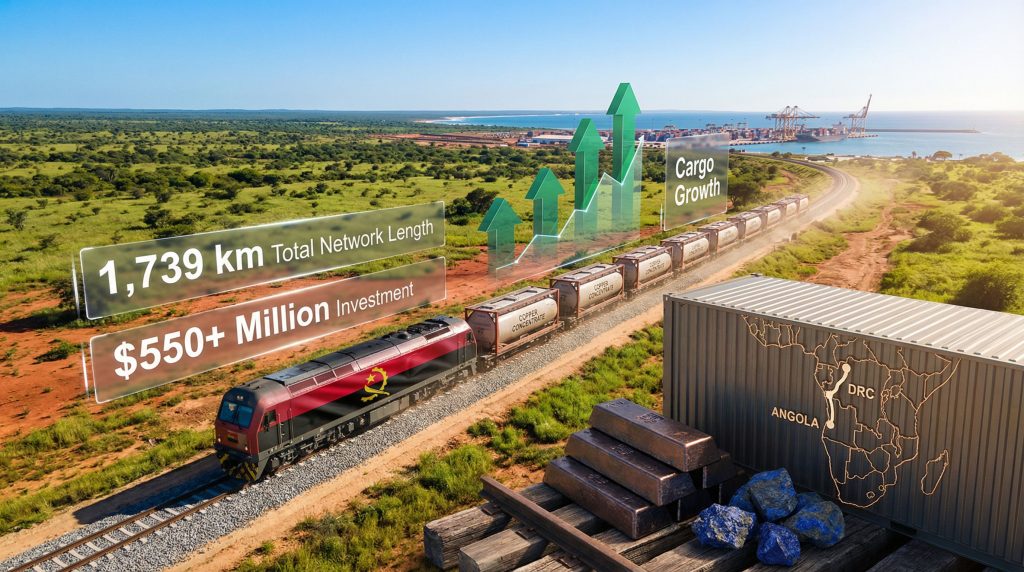
The Lobito Atlantic Railway represents a transformative infrastructure development spanning 1,739 kilometres across Central and Southern Africa, connecting the mineral-rich Democratic Republic of Congo through Angola to Atlantic shipping lanes. This corridor establishes an alternative export route for copper and cobalt production from the Central African Copperbelt, historically dependent on southern African transport networks through South African ports.
The railway system comprises two distinct national sections: 1,289 kilometres of track within Angola and 450 kilometres extending into the Democratic Republic of Congo. This configuration creates a direct Atlantic-facing corridor that bypasses traditional routing through the Port of Durban.
Consequently, mining companies gain enhanced supply chain flexibility and reduced transit times for critical mineral exports. The critical minerals energy transition has created unprecedented demand for reliable transportation infrastructure supporting copper and cobalt supply chains.
Technical Infrastructure and Operational Capabilities
The technical specifications of the Lobito Atlantic Railway reflect modern freight railway standards designed for heavy mineral transportation. The system utilises standard gauge tracks compatible with regional railway networks, facilitating seamless cargo transfers and interoperability with existing mining infrastructure.
Rolling stock capacity accommodates both containerised and bulk commodity shipments, with specialised equipment for copper concentrate and refined metal transportation. Locomotive efficiency measures incorporate advanced traction control systems and energy management technologies, optimising fuel consumption across the extended corridor.
Terminal facilities at key junctions provide temporary storage, cargo consolidation, and quality control capabilities. These features ensure consistent throughput despite seasonal operational variations.
When big ASX news breaks, our subscribers know first
Investment Structure and Financial Framework
The financial architecture underlying the Lobito Atlantic Railway reflects a complex partnership structure involving multiple stakeholders with complementary expertise. Total infrastructure investment commitments exceed $550 million, allocated across both national sections over a five-year deployment timeline.
Consortium Ownership and Operational Model
The operational consortium combines commodity trading expertise with construction and infrastructure management capabilities. Trafigura maintains a 49.5% ownership stake, bringing extensive experience in global commodity flows and market dynamics. Mota-Engil contributes construction expertise and regional infrastructure management capabilities, creating operational synergies across the project lifecycle.
The 30-year concession framework provides long-term revenue visibility while establishing performance benchmarks for cargo throughput and service reliability. This extended timeline allows for infrastructure depreciation recovery and provides mining companies with confidence in corridor availability for long-term operational planning.
Revenue Generation and Profitability Analysis
Financial projections for the Lobito Atlantic Railway incorporate multiple revenue streams beyond basic transportation services. Primary income derives from freight charges calculated on per-ton-kilometre basis, with premium pricing for expedited service and specialised handling requirements.
Secondary revenue includes terminal storage fees, customs facilitation services, and value-added logistics support. Break-even analysis suggests operational profitability within seven to ten years, depending on cargo volume growth rates and competitive pricing dynamics.
Long-term profitability scenarios incorporate expanding mining production from the Central African Copperbelt. In addition, potential route utilisation by additional commodity sectors beyond copper and cobalt strengthens revenue projections.
Regional Economic Impact and Development Outcomes
The Lobito Atlantic Railway creates measurable economic benefits across multiple dimensions of regional development. Direct employment generation encompasses railway operations, maintenance, and terminal management, providing skilled job opportunities in previously underserved regions.
Indirect economic effects include increased demand for local services, housing, and commercial activities along the corridor. However, the broader implications extend to regional competitiveness in global markets.
Employment Creation and Skills Development
Railway operations require diverse skill sets ranging from locomotive operation and track maintenance to logistics coordination and customs processing. Training programmes developed in partnership with regional educational institutions provide local workforce development opportunities.
Employment estimates suggest the creation of 2,000 to 3,000 direct positions across operational phases, with additional indirect employment in supporting industries. Skills development initiatives focus on technical training, safety certification, and advancement opportunities within railway management structures.
Port of Lobito Integration and Modernisation
The Port of Lobito serves as the Atlantic terminus for the railway corridor, requiring significant infrastructure upgrades to accommodate increased cargo volumes. Modernisation investments include expanded container handling capacity, specialised mineral loading facilities, and enhanced storage infrastructure.
Current port specifications include:
- Annual throughput capacity: 3.5 million tons
- Container handling: 200,000 TEUs annually
- Bulk cargo facilities: Specialised copper concentrate loading
- Storage capacity: 150,000 tons temporary warehousing
- Vessel accommodation: Up to 180-metre length vessels
Planned expansion phases will increase annual capacity to 6 million tons within five years, positioning Lobito as a major Atlantic gateway for African mineral exports.
Supply Chain Diversification and Risk Mitigation
Mining companies operating in the Central African Copperbelt historically faced limited export route options, creating operational vulnerabilities during political instability, infrastructure disruptions, or adverse weather conditions. The Lobito Atlantic Railway provides strategic route diversification, enabling companies to optimise shipping schedules.
Furthermore, mining operators can reduce transit costs and maintain export flexibility through alternative routing options. This diversification proves particularly valuable considering tariffs and investment impact on global commodity markets.
Comparative Route Analysis
Transportation cost analysis reveals significant advantages for Atlantic routing compared to traditional southern African corridors. Direct Atlantic shipping eliminates land transportation through multiple national boundaries, reducing transit times and associated costs.
| Route Comparison | Lobito Atlantic | Durban Traditional |
|---|---|---|
| Transit Time | 12-15 days | 18-25 days |
| Border Crossings | 1 (Angola-DRC) | 3-4 multiple countries |
| Port Congestion | Low to moderate | High seasonal variation |
| Weather Impact | Limited seasonal | Significant rainy season |
| Security Risk | Moderate | Variable by country |
Operational Resilience Factors
The railway system incorporates multiple resilience mechanisms designed to maintain operational continuity despite external challenges. Track redundancy at critical junctions provides alternative routing during maintenance periods.
Emergency response protocols ensure rapid recovery from weather-related disruptions or equipment failures. Communication systems along the corridor enable real-time monitoring of cargo movements, allowing proactive management of potential delays or security concerns.
Geopolitical Implications and Strategic Positioning
The development of the Lobito Atlantic Railway occurs within a broader context of global competition for African mineral resources and infrastructure influence. Western nations increasingly recognise the strategic importance of diversifying supply chains away from single-country dependencies.
This imperative proves particularly relevant for materials essential to renewable energy technologies and defence applications. Moreover, trade war market effects have intensified focus on supply chain resilience and alternative sourcing strategies.
International Partnership Frameworks
The European Union's Global Gateway initiative provides financial and technical support for infrastructure projects that enhance supply chain security and regional development. This framework represents a strategic response to alternative infrastructure investment models, emphasising sustainable development.
US-EU coordination through the Partnership for Global Infrastructure and Investment creates additional funding mechanisms for projects that advance mutual strategic interests. These partnerships focus on critical mineral supply chain resilience, clean energy transition support, and economic development in emerging markets.
Resource Diplomacy and Market Influence
Angola's positioning as an Atlantic gateway for Central African minerals enhances its regional influence and economic leverage. The country's strategic location and improved infrastructure capabilities create opportunities for broader trade facilitation beyond mining commodities.
The Democratic Republic of Congo benefits from enhanced export route optionality, providing greater negotiating leverage with international buyers. This diversification strengthens the country's position in global critical mineral markets while creating competitive pressure for improved service quality.
Operational Performance and Key Metrics
Since achieving operational status in August 2024, the Lobito Atlantic Railway has demonstrated consistent performance across multiple operational indicators. Cargo volume throughput has gradually increased from initial capacity utilisation of 30% to current levels exceeding 60% within the first operational year.
Service Reliability and Performance Standards
On-time delivery performance currently achieves 85% reliability for scheduled freight movements, with continuous improvement initiatives targeting 95% performance standards within 24 months. Service reliability encompasses both transit time consistency and cargo handling quality throughout the transportation process.
Capacity utilisation metrics indicate strong market adoption, with monthly cargo volumes increasing from 15,000 tons during initial operations to current levels exceeding 45,000 tons. These performance indicators suggest successful market penetration and growing confidence among mining companies utilising the corridor.
Maintenance and Infrastructure Sustainability
Railway maintenance protocols incorporate predictive maintenance technologies and regular track inspection schedules designed to minimise operational disruptions. Rolling stock maintenance facilities at strategic locations ensure equipment availability and reduce downtime during peak operational periods.
Infrastructure sustainability initiatives include:
- Energy efficiency improvements: LED lighting systems, regenerative braking technology
- Environmental compliance: Waste management protocols, emission monitoring systems
- Community engagement: Local hiring preferences, skills development programmes
- Safety protocols: Advanced signalling systems, emergency response capabilities
The next major ASX story will hit our subscribers first
Long-term Expansion Potential and Market Development
The Lobito Atlantic Railway's current configuration represents the initial phase of a potentially broader regional transportation network. Future expansion scenarios include connections to additional mining regions, integration with planned railway developments, and extension of service offerings beyond basic freight transportation.
Industry analysts studying global resources expo insights frequently highlight infrastructure development as a key enabler of mining sector growth across emerging markets.
Network Integration Opportunities
Regional railway development plans envision connections linking the Lobito corridor with other significant mining areas across Central and Southern Africa. These potential extensions could create integrated transportation networks serving multiple commodity sectors and geographic regions.
Expansion priorities identified through feasibility studies include:
- Northern extensions: Connections to additional DRC mining provinces
- Eastern linkages: Potential integration with planned Tanzanian railway developments
- Southern connections: Coordination with Zambian railway modernisation projects
- Multi-modal integration: Enhanced road and pipeline connectivity at key nodes
Market Competition and Strategic Responses
The success of the Lobito Atlantic Railway has prompted competitive responses from alternative route operators, including infrastructure upgrades, service improvements, and pricing adjustments. This competitive dynamic benefits mining companies through improved service quality and cost optimisation across all available corridors.
Strategic positioning for long-term competitiveness requires continuous investment in technology upgrades, capacity expansion, and service innovation. The railway's management consortium has committed to annual capital investment of approximately $15-20 million for ongoing improvements and expansion initiatives.
Risk Assessment and Mitigation Strategies
Operational risks facing the Lobito Atlantic Railway encompass technical, political, and market factors that could impact long-term performance. Technical risks include infrastructure failure, equipment obsolescence, and capacity constraints during peak demand periods.
Political risks involve regulatory changes, cross-border policy modifications, and regional security concerns. Market risks centre on commodity price volatility, mining production fluctuations, and competition from alternative transportation routes.
Comprehensive risk mitigation strategies address each category through diversified revenue streams, insurance coverage, and contingency planning protocols.
Financial Risk Management
Currency exposure management utilises hedging instruments to minimise exchange rate impacts on operational revenues and capital investments. Multi-currency pricing mechanisms provide flexibility for international customers while maintaining predictable cash flow patterns.
Insurance coverage includes comprehensive policies for infrastructure damage, business interruption, and liability protection. Risk pool participation with other regional infrastructure operators provides additional financial protection through shared risk mechanisms.
Environmental Sustainability and Climate Impact
The environmental profile of the Lobito Atlantic Railway compares favourably to alternative transportation methods, particularly road transport for equivalent cargo volumes. Carbon emissions per ton-kilometre for railway transport average 40-60% lower than truck transportation, contributing to reduced overall environmental impact for mineral exports.
Sustainability initiatives implemented across the corridor include reforestation programmes along railway rights-of-way, water conservation measures at terminal facilities, and waste reduction protocols throughout operations. These environmental commitments align with mining companies' sustainability reporting requirements and ESG compliance objectives.
Climate Resilience and Adaptation
Climate change adaptation measures address potential impacts from shifting weather patterns, increased precipitation variability, and extreme weather events. Infrastructure design incorporates elevated standards for flood protection, enhanced drainage systems, and temperature-resistant materials.
Long-term climate projections influence ongoing maintenance planning, equipment selection, and operational protocol development. Adaptive management approaches ensure continued operational reliability despite changing environmental conditions over the 30-year concession period.
Investment Implications and Strategic Considerations
For mining companies operating in the Central African Copperbelt, the Lobito Atlantic Railway represents a fundamental shift in operational planning and capital allocation strategies. Transportation cost reductions of 15-25% compared to alternative routes improve project economics and enhance competitiveness in global commodity markets.
Investment decisions for new mining projects increasingly incorporate transportation optionality as a key feasibility factor. The availability of multiple export routes reduces operational risk and provides greater flexibility for production planning and market timing decisions.
Market Psychology and Investor Sentiment
Infrastructure developments like the Lobito Atlantic Railway influence investor perceptions of regional mining investments by reducing perceived operational risks and improving long-term viability assessments. Enhanced transportation reliability translates to improved debt financing terms and equity valuations for mining companies utilising the corridor.
Market sentiment toward African mining investments has historically reflected concerns about infrastructure constraints and political stability. The successful operation of modern, professionally managed transportation corridors helps address these perceptions and supports increased investment in regional mining development.
Disclaimer: This analysis contains forward-looking statements and projections based on currently available information. Actual performance, financial results, and operational outcomes may differ materially from projections. Readers should conduct independent research and consult with qualified professionals before making investment decisions. Infrastructure investments involve significant risks including political, regulatory, technical, and market factors that could impact returns.
Ready to Stay Ahead of Africa's Mining Infrastructure Revolution?
Discovery Alert's proprietary Discovery IQ model delivers instant notifications on significant ASX mineral discoveries, empowering subscribers to identify actionable opportunities as African mining companies benefit from transformational infrastructure like the Lobito Atlantic Railway. Start your 14-day free trial today and position yourself ahead of the market with real-time insights into the next generation of mining investments.