July 13, 2026
Critical Raw Material Dependencies Challenge Indonesia's Dominant Position
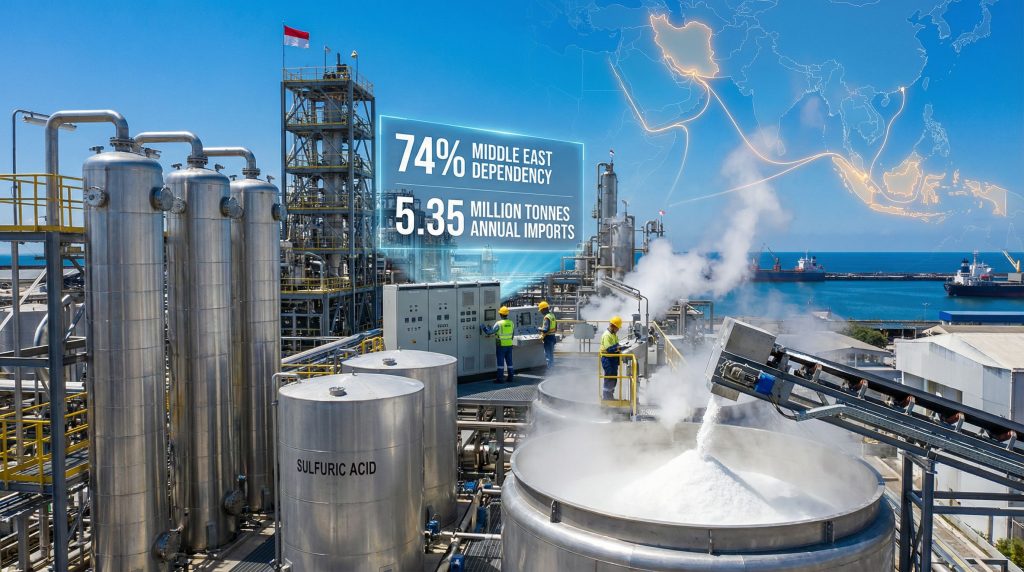
Indonesia's position as the world's largest nickel producer faces unprecedented challenges as gulf disruption squeezes Indonesia nickelmakers' sulphur supply, threatening essential supply chains for sulfur, a critical input for modern hydrometallurgical processing operations. The nation's dominance in global nickel markets, controlling more than 50% of worldwide production, depends heavily on importing approximately 75% of its sulfur requirements from Middle Eastern suppliers.
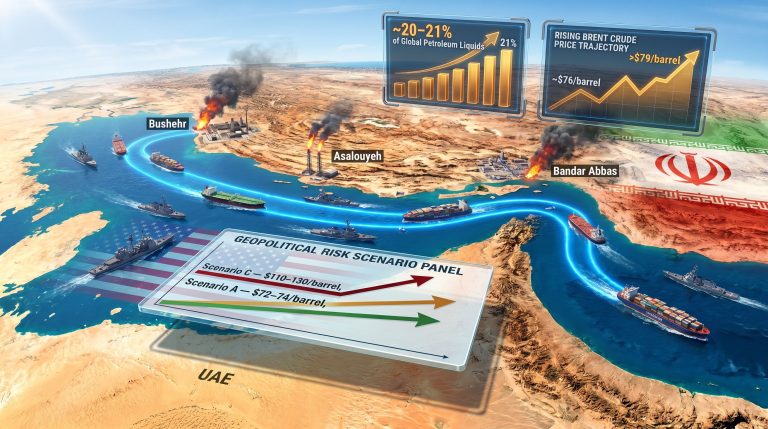
This dependency has created acute vulnerabilities as shipping disruptions in the Strait of Hormuz threaten continuity of operations across Indonesia's expanding network of High Pressure Acid Leaching (HPAL) facilities. The disruption highlights how seemingly secondary raw materials can become strategic bottlenecks in global commodity supply chains, creating a significant supply chain crisis for the sector.
When big ASX news breaks, our subscribers know first
The Strategic Importance of Sulfur in Nickel Processing Economics
Chemical Foundation of Modern Nickel Extraction
Sulfur serves as the fundamental building block for sulfuric acid production, which enables the hydrometallurgical extraction processes that have revolutionized Indonesia's nickel industry. Furthermore, understanding nickel importance & uses reveals why HPAL technology requires substantial quantities of sulfuric acid to leach metals from laterite ore, transforming raw nickel deposits into battery-grade materials essential for electric vehicle manufacturing.
The chemical process involves converting imported sulfur into concentrated sulfuric acid at facilities located near major Indonesian nickel operations. This acid then facilitates the extraction of nickel and cobalt from low-grade laterite ores that would otherwise be uneconomical to process using traditional pyrometallurgical methods.
Cost Structure Analysis Reveals Critical Vulnerabilities
Marco Martins, analyst at Project Blue, has indicated that sulfur costs represented approximately 50% of HPAL plant operating expenses even before recent geopolitical tensions escalated. This cost structure creates immediate operational pressure when sulfur prices experience volatility or supply constraints.
According to Peter Harrisson at consultancy CRU, sulfur prices had already climbed to approximately $500 per tonne before regional conflicts intensified. Subsequently, Gulf disruption has squeezed Indonesia's nickel producers' sulphur supplies, with price increases of 10-15% adding further pressure to production economics. These price escalations compound the already challenging economics of processing lower-grade laterite deposits.
Key operational characteristics of sulfur dependency include:
- High consumption ratios: Modern HPAL operations require substantial acid volumes per tonne of nickel output
- Limited substitution options: Few alternative processing chemicals can replace sulfuric acid in laterite leaching
- Storage constraints: Most facilities maintain only 1-2 months of sulfur inventory
- Transport specificity: Sulfur requires specialized bulk carrier vessels and handling equipment
Regional Supply Chain Vulnerabilities Expose Strategic Risks
Geographic Concentration Creates Single Points of Failure
The Middle East's role as a dominant sulfur supplier stems from abundant byproduct production at regional oil and gas processing facilities. Countries including Saudi Arabia, Qatar, and the UAE have developed substantial sulfur export capabilities as natural gas processing generates elemental sulfur that requires disposal or commercial application.
This geographic concentration creates inherent risks for Indonesian operations, particularly as geopolitical market impact continues to affect global commodity flows:
Primary Risk Factors:
- Shipping route dependency: Persian Gulf to Indonesian ports requires transit through contested maritime zones
- Limited alternative suppliers: North American and European sources involve higher transportation costs and longer lead times
- Contract structure rigidity: Many agreements rely on annual pricing terms that limit flexibility during disruptions
Current Disruption Timeline and Industry Response
Peter Harrisson at CRU has assessed that vessel flow constraints lasting more than two weeks would likely force consumption deferrals or production slowdowns across affected operations. This timeline highlights the narrow operational window available to Indonesian nickel producers during supply disruptions.
Industry sources at Chinese refiners operating in Indonesia, speaking anonymously due to authorization restrictions, have confirmed that HPAL plant stockpiles average only 1-2 months of consumption requirements. This limited buffer creates immediate vulnerability to extended shipping delays or port access restrictions.
Comparative Analysis: African Copper Industry Faces Similar Pressures
Democratic Republic of Congo's Parallel Dependencies
The Democratic Republic of Congo imported approximately 1.3-1.4 million tonnes of sulfur for copper production in the previous year, with the majority sourced from Middle Eastern suppliers, according to CRU analysis. This parallel dependency demonstrates how sulfur supply constraints affect multiple commodity sectors simultaneously.
Southern Africa's current sulfur stockpiles of approximately 900,000 tonnes provide only weeks of coverage, according to logistics sources based in Zambia. This regional inventory situation mirrors Indonesia's vulnerability to supply disruptions.
Integrated Operations Demonstrate Supply Security Advantages
First Quantum Minerals' operations in Zambia illustrate how vertical integration can provide supply security during commodity disruptions. According to Anthony Mukutuma, the company's country director, First Quantum sources sulfuric acid from its own smelting operations, creating independence from external sulfur markets.
Similarly, Ivanhoe Mines co-owns a sulfuric acid plant producing 1,200 tonnes per day at its Kamoa-Kakula copper project in Congo, developed alongside Zijin Mining. Robert Friedland, Ivanhoe's founder, has indicated that sulfur prices are likely to rise further given current market dynamics.
Market Competition Intensifies Across Multiple Sectors
Cross-Industry Demand Competition
Supply disruptions have created what industry analysts describe as a "scramble for supplies" involving multiple sectors competing for alternative sulfur sources. However, the mining industry evolution suggests companies must adapt their supply strategies to remain competitive.
Competing Industries:
- Nickel refiners in Indonesia: HPAL operations requiring consistent acid supply
- Copper miners in Africa: Processing operations dependent on leaching chemicals
- Fertilizer manufacturers globally: Agricultural applications requiring sulfuric acid inputs
This multi-sector competition for limited alternative supplies creates additional pricing pressure and supply allocation challenges during disruption periods.
Alternative Supply Source Analysis
| Source Region | Annual Capacity | Transport Cost Premium | Supply Characteristics |
|---|---|---|---|
| North America | 12+ million tonnes | $150-200/tonne | Oil sands byproduct, seasonal variations |
| Europe | 8+ million tonnes | $180-220/tonne | Industrial recovery, limited growth |
| China/Russia | 15+ million tonnes | $80-120/tonne | Integrated production, geopolitical considerations |
These alternative sources involve substantially higher logistics costs and extended shipping times compared to traditional Middle Eastern suppliers, creating long-term economic implications for Indonesian operations.
Production Impact Scenarios and Timeline Assessments
Immediate Operational Responses
Marco Martins at Project Blue has indicated that without alternative supply arrangements, Indonesian HPAL plants could face production reduction requirements within short timeframes. This assessment reflects the immediate nature of sulfur supply constraints on operational continuity, particularly as gulf disruption squeezes Indonesia nickelmakers' sulphur supply more severely.
Current operational status across Indonesian nickel facilities includes:
- Stockpile depletion timelines: 30-60 days of current consumption at existing inventory levels
- Production optimization: Operations seeking to maximize acid recovery and recycling efficiency
- Alternative sourcing negotiations: Companies exploring non-Middle Eastern supply contracts
- Capacity utilization adjustments: Potential production curtailments to extend stockpile duration
Medium-Term Market Implications
Supply chain analysts project potential production impacts extending into Q2 2026 absent resolution of shipping constraints or successful alternative sourcing arrangements. These projections assume continued disruption to traditional Persian Gulf shipping routes and limited immediate expansion of alternative supply capacity.
In addition, the situation highlights broader concerns about European critical raw materials supply as global supply chains face increasing geopolitical pressures.
"The combination of limited stockpiles, concentrated supplier geography, and multi-sector competition for alternatives creates a convergence of risk factors that could significantly impact Indonesian nickel production continuity."
The next major ASX story will hit our subscribers first
Technology and Process Innovation Responses
Acid Recovery and Recycling Enhancement
Indonesian operations are accelerating investments in acid recovery and recycling technologies to reduce fresh sulfur requirements per tonne of nickel output. These process improvements can extend operational duration during supply constraints while reducing long-term input dependencies.
Technical improvements include:
- Closed-loop acid systems: Capturing and reprocessing spent acid streams
- Concentration optimization: Reducing acid consumption through process efficiency gains
- Byproduct utilization: Recovering sulfur compounds from waste streams
Alternative Processing Technology Evaluation
Some operators are reassessing the economic viability of alternative processing methods that require lower acid inputs, including:
- Enhanced pyrometallurgical processes: Higher-temperature methods with reduced chemical requirements
- Hybrid processing approaches: Combining multiple extraction methods to optimize input efficiency
- Biohydrometallurgical techniques: Emerging technologies using biological processes for metal extraction
Strategic Industry Restructuring Implications
Vertical Integration Acceleration
Supply security concerns are accelerating vertical integration trends across the Indonesian nickel industry. Companies are evaluating investments in upstream sulfur production capacity, acid manufacturing facilities, and integrated supply chain infrastructure.
Integration Strategies:
- Upstream investment: Direct ownership of sulfur production or processing capacity
- Joint venture development: Shared infrastructure for acid production and distribution
- Strategic partnerships: Long-term agreements with integrated suppliers
- Technology licensing: Access to acid production and recovery technologies
Government Policy Response Considerations
Indonesian policymakers are evaluating strategic responses to reduce critical input dependencies:
- Strategic reserve establishment: Government stockpiling of essential processing chemicals
- Domestic production incentives: Support for local sulfur recovery and acid production
- Supply diversification requirements: Regulatory frameworks encouraging multiple supplier relationships
- Infrastructure development: Port and storage facility expansion for alternative supply routes
Long-Term Market Structure Evolution
Supply Chain Resilience Requirements
The current disruption demonstrates the importance of supply chain diversification for commodity processing operations. Future industry structure may incorporate multiple geographic suppliers, enhanced storage capacity, and redundant processing pathways.
Resilience Factors:
- Geographic diversification: Supplier relationships across multiple continents
- Inventory optimization: Strategic stockpiling balanced against carrying costs
- Technology flexibility: Processing methods adaptable to different input specifications
- Contract structure evolution: Flexible agreements accommodating supply variability
Investment Priority Realignment
Capital allocation priorities across the Indonesian nickel industry are shifting toward supply security investments:
- Infrastructure resilience: Multi-source supply chain architecture
- Process efficiency: Lower-input processing technologies
- Integrated operations: Vertical integration reducing external dependencies
- Strategic partnerships: Long-term supply relationships with diversified providers
Market Psychology and Risk Assessment Framework
Investor Sentiment Evolution
Supply chain vulnerabilities are reshaping investor assessment criteria for Indonesian nickel operations. Investment analysis increasingly incorporates supply security metrics alongside traditional production and cost factors.
Key Investment Considerations:
- Supply diversification metrics: Percentage of inputs from multiple geographic sources
- Inventory management: Strategic stockpiling versus working capital efficiency
- Integration advantages: Vertical integration providing operational independence
- Technology adaptation: Process flexibility during input supply variations
Risk Premium Implications
Market pricing for Indonesian nickel operations may incorporate higher risk premiums reflecting supply chain vulnerabilities. These premiums could persist until industry structure adapts through diversification, integration, or alternative technology adoption.
Consequently, the disruption has prompted companies to reassess their supply chain strategies, with many seeking to establish Indonesia halts long-term MHP offers as a direct response to the current crisis.
Important Disclaimer: This analysis involves projections and assessments of future market conditions, supply chain developments, and operational scenarios. Actual outcomes may differ materially from these assessments due to evolving geopolitical conditions, technological developments, and market dynamics. Readers should conduct independent research and consult qualified professionals before making investment or operational decisions.
The ongoing supply disruption serves as a critical reminder of how seemingly secondary raw materials can become strategic bottlenecks in global commodity markets. Furthermore, it highlights the importance of comprehensive supply chain risk management in modern mining operations, particularly as gulf disruption squeezes Indonesia nickelmakers' sulphur supply continues to challenge the industry's traditional operational models.
Looking for Strategic Advantages in Critical Materials Supply Chains?
Discovery Alert's proprietary Discovery IQ model delivers real-time alerts on significant ASX mineral discoveries, helping subscribers identify actionable opportunities in critical materials sectors before broader market awareness develops. Explore Discovery Alert's discoveries page to understand how major mineral discoveries can generate substantial returns, then begin your 14-day free trial to position yourself ahead of supply chain disruptions and emerging market opportunities.