June 7, 2026
Market volatility from supply disruptions has historically triggered innovative policy responses across energy sectors worldwide. When traditional supply-side interventions reach their limits, governments turn to comprehensive demand-side measures to shield oil market instability through coordinated consumption management strategies. These sophisticated regulatory frameworks maintain energy security during periods of unprecedented market stress, particularly when examining the OPEC production impact on global supply chains.
Understanding the Policy Framework Behind Oil Demand Management
Defining Demand-Side Market Interventions
Economic theory positions demand destruction as a critical market stabilisation mechanism during supply crises. Unlike temporary price fluctuations, systematic demand reduction creates sustained pressure relief across global commodity markets. This approach builds upon decades of crisis response experience, from the 1970s oil embargoes through COVID-19 pandemic mobility restrictions.
The distinction between voluntary conservation measures and mandatory consumption controls reflects different severity thresholds in policy escalation. Voluntary programmes typically emerge during early warning phases, whilst regulatory mandates activate when market conditions threaten broader economic stability. Historical analysis reveals that successful demand-side measures to shield oil market disruptions require coordinated implementation across multiple economic sectors simultaneously.
Furthermore, the oil price trade moves demonstrate how demand management can stabilise volatile markets. International coordination amplifies these effects, particularly when multiple economies implement complementary policies.
Regulatory Authority and Implementation Mechanisms
The International Energy Agency serves as the primary coordination body for emergency response protocols among member nations. This multilateral framework enables synchronised policy deployment across major consuming economies, amplifying the effectiveness of individual country measures. National emergency authorities maintain pre-established powers for fuel consumption controls, creating rapid deployment capabilities when crisis conditions emerge.
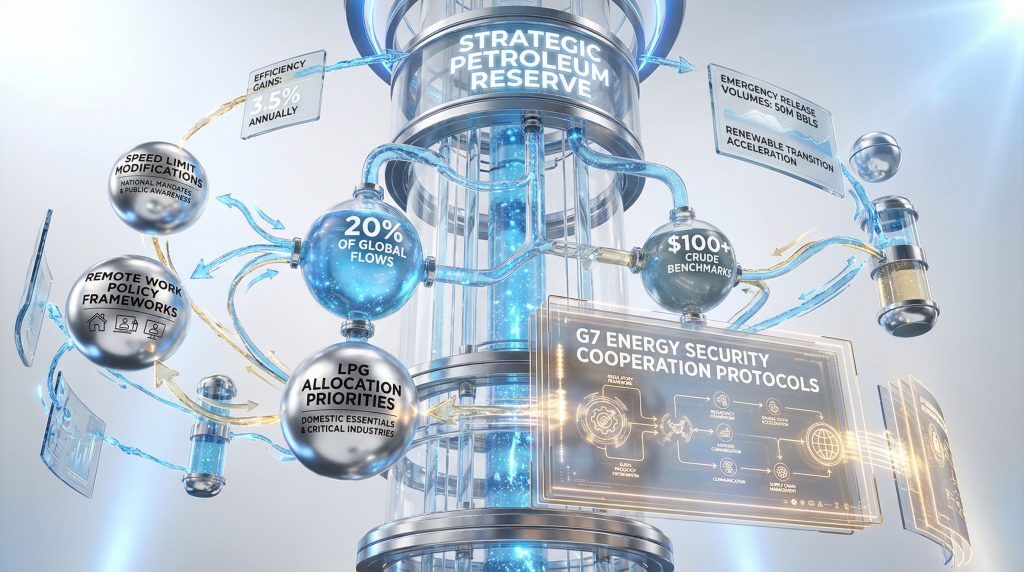
Implementation operates through multi-tier governance structures extending from federal agencies to municipal enforcement levels. This hierarchical approach ensures comprehensive coverage whilst maintaining local adaptation flexibility. Urban transportation authorities can implement speed limit modifications whilst federal agencies coordinate strategic reserve releases, creating layered response mechanisms tailored to specific disruption characteristics.
When big ASX news breaks, our subscribers know first
What Triggers Government Implementation of Oil Demand Restrictions?
Supply Disruption Thresholds and Crisis Metrics
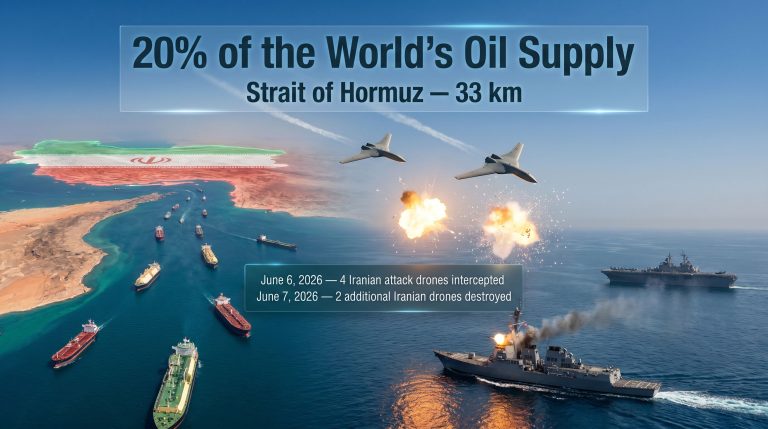
Critical infrastructure vulnerability assessments identify key chokepoints where supply interruptions create disproportionate market impacts. The Strait of Hormuz, carrying approximately 20% of global oil flows (around 20 million barrels daily), represents the most significant single point of failure in global energy supply chains. When such critical passages face disruption, automated response protocols activate across consuming nations.
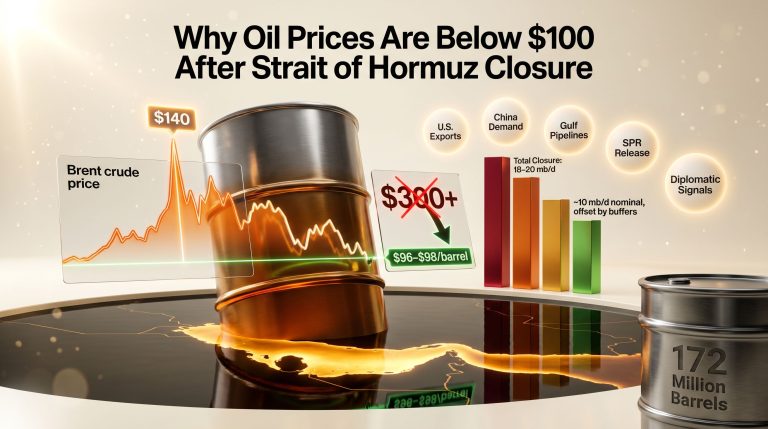
Price volatility indicators requiring intervention typically emerge when crude oil benchmarks exceed $100 per barrel for sustained periods. This threshold reflects the point where fuel costs begin creating broader inflationary pressures across consumer economies. However, considering the oil price crash analysis shows how geopolitical factors can rapidly alter market dynamics, strategic petroleum reserve depletion rates provide additional trigger mechanisms.
Economic Impact Assessment Protocols
Inflation risk modelling guides the timing and intensity of demand-side interventions. Government economists continuously monitor fuel price transmission mechanisms across different economic sectors, identifying vulnerable consumer segments requiring protection. Road transport accounts for approximately 45% of global oil demand, making transportation-focused measures particularly effective during supply crises.
Industrial sector vulnerability analysis examines which manufacturing processes face immediate disruption from energy price spikes. In addition, the US oil production decline necessitates robust demand management protocols. Essential services protection protocols ensure that critical infrastructure maintains operational capacity even during severe market stress.
Which Policy Tools Deliver the Most Effective Demand Reduction?
Transportation Sector Regulatory Approaches
Speed Limit Modifications
Federal highway administration emergency authorities enable rapid deployment of reduced speed limits during crisis periods. Lowering highway speeds by at least 10 kilometres per hour creates immediate fuel efficiency improvements across both passenger and commercial vehicle fleets. State-level coordination mechanisms ensure uniform implementation whilst enforcement technology provides compliance monitoring capabilities.
Urban Mobility Restrictions
Licence plate rotation schemes in major metropolitan areas can reduce private vehicle usage through alternating access days. These programmes require coordination with public transportation capacity expansion to accommodate displaced commuters. Emergency cycling infrastructure deployment protocols support alternative mobility options during extended crisis periods.
Commercial Vehicle Efficiency Mandates
Fleet optimisation requirements for logistics companies focus on load consolidation and route efficiency improvements. Enhanced fuel economy standards during crisis periods apply temporary regulatory flexibility whilst maintaining safety requirements. These measures target the commercial transportation sector's significant contribution to overall petroleum consumption.
Residential and Commercial Energy Controls
Remote Work Policy Frameworks
Federal employee telecommuting directives demonstrate government leadership whilst reducing commuting-related fuel demand. Private sector incentive structures include tax implications that encourage voluntary adoption of remote work arrangements. Digital infrastructure capacity requirements ensure that telecommunications systems can support increased teleworking volumes.
Alternative Fuel Substitution Programmes
LPG allocation priorities redirect liquefied petroleum gas from transportation applications toward essential household cooking needs. This reallocation protects vulnerable populations whilst freeing petrol supplies for critical transportation functions. Electric appliance adoption acceleration provides longer-term demand reduction through fuel switching incentives.
How Do International Coordination Mechanisms Amplify Demand-Side Effectiveness?
Multilateral Policy Synchronisation
G7 energy security cooperation protocols enable coordinated response deployment across major consuming economies. Regional trading bloc coordination through organisations like the European Union and ASEAN creates unified approaches that prevent policy arbitrage. The International Energy Agency's recent report emphasises the importance of such coordinated demand-side actions during supply disruptions. Developing nation technical assistance provides financing mechanisms to support demand reduction measures in emerging economies.
Policy Coordination Table:
| Coordination Level | Key Mechanisms | Implementation Timeline | Coverage Scope |
|---|---|---|---|
| G7 Framework | Emergency protocols | 24-48 hours | Major economies |
| Regional Blocs | Unified standards | 72 hours | Trading partners |
| Bilateral Agreements | Resource sharing | Immediate | Strategic allies |
| Multilateral Bodies | Technical assistance | 1-2 weeks | Global coverage |
Trade and Supply Chain Regulatory Adjustments
Import and export licensing modifications during crises redirect available fuel supplies toward highest-priority uses. Strategic commodity allocation agreements between nations create buffer mechanisms that smooth supply disruptions across partner countries. Cross-border fuel sharing arrangements require pre-negotiated legal frameworks that activate automatically when predetermined crisis thresholds are reached.
Consequently, the trade war oil impact demonstrates how geopolitical tensions can complicate these coordination mechanisms. Nevertheless, established frameworks provide essential stability during market volatility.
What Are the Economic and Social Implications of Demand-Side Interventions?
Distributional Impact Analysis
Different policy measures create varying effects across economic and social groups. Speed limit reductions provide universal benefits for vehicle operators whilst potentially delaying commercial deliveries. Remote work mandates favour white-collar employees whilst potentially disadvantaging service sector workers who cannot work from home.
Policy Impact Assessment:
- Speed limit reductions: Universal fuel savings, commercial delivery delays
- Remote work promotion: Reduced commuting costs, service sector employment impacts
- Public transport incentives: Urban population benefits, rural area disadvantages
- LPG reallocation: Household cooking protection, industrial cost increases
Long-term Structural Market Changes
Accelerated energy transition investment patterns often emerge from crisis-driven demand management experiences. Temporary behavioural modifications frequently become permanent consumption pattern shifts, particularly in urban transportation modes. Infrastructure resilience improvements include redundancy planning that reduces vulnerability to future supply disruptions.
For instance, demand-side fuel management strategies can create lasting changes in consumption patterns that persist beyond the initial crisis period.
How Do Governments Balance Economic Efficiency with Social Equity?
Targeted Support Mechanism Design
Low-income household fuel assistance programmes provide direct financial relief during periods of elevated energy costs. Small business operational continuity support includes temporary regulatory flexibility and emergency financing access. Rural and remote community special provisions recognise higher transportation dependency and limited alternative options.
Support Programme Categories:
- Direct Financial Assistance: Fuel vouchers, utility subsidies
- Regulatory Flexibility: Temporary compliance extensions, streamlined permitting
- Infrastructure Investment: Public transit expansion, alternative energy access
- Emergency Services: Critical supply prioritisation, medical transport protection
Sunset Clause and Exit Strategy Planning
Automatic policy termination triggers based on market conditions prevent temporary measures from becoming permanent market distortions. Gradual phase-out schedules allow economic sectors to adapt as supply conditions normalise. Post-crisis policy evaluation protocols capture institutional learning for improved future response capabilities.
The next major ASX story will hit our subscribers first
What Lessons Can Policymakers Draw from Historical Implementation?
Case Study Analysis: Previous Crisis Responses
The 1979 Iranian Revolution demonstrated the effectiveness of coordinated demand management when supply disruptions persist for extended periods. Integrated policy approaches during the 2008 financial crisis showed how energy measures could support broader economic stabilisation efforts. COVID-19 pandemic mobility restrictions provided unprecedented data on large-scale demand reduction impacts and economic adaptation mechanisms.
Historical Response Effectiveness:
Emergency measures that combine immediate demand reduction with longer-term structural adjustments prove most successful at maintaining economic stability during extended supply disruptions.
Institutional Capacity and Preparedness Requirements
Emergency response planning requires regular simulation exercises testing coordination mechanisms across government agencies. Interagency communication systems must maintain operational capacity during crisis conditions when normal coordination channels may face stress. Public compliance capabilities depend on pre-established enforcement frameworks and clear communication protocols.
How Can Future Policy Frameworks Improve Demand-Side Resilience?
Technology Integration and Smart Governance
Real-time consumption monitoring enables dynamic policy adjustment based on actual demand response rather than theoretical projections. AI-driven optimisation systems can coordinate transportation and energy networks to maximise efficiency gains from demand-side measures to shield oil market volatility. Blockchain-based fuel allocation tracking provides transparent distribution mechanisms during shortage periods.
Climate Policy Integration Opportunities
Dual-purpose measures supporting decarbonisation objectives create permanent benefits beyond crisis response. Green recovery investment coordination aligns emergency spending with long-term environmental goals. Carbon pricing mechanisms serve as permanent demand management tools that provide market-based adjustment capabilities during future supply disruptions.
Investment Priority Framework:
- Immediate Response: Emergency reserve releases, rapid deployment measures
- Medium-term Adaptation: Infrastructure upgrades, efficiency improvements
- Long-term Resilience: Alternative energy development, demand elasticity enhancement
These comprehensive approaches to demand-side measures to shield oil market disruptions demonstrate the sophisticated nature of modern energy security policy. Historical experience shows that coordinated international responses, combined with targeted domestic measures, provide the most effective protection against supply-side volatility.
Disclaimer: This analysis represents educational content examining policy frameworks and should not be construed as investment advice. Energy market conditions and policy responses vary significantly based on specific circumstances and may not reflect current or future government actions.
Looking to Capitalise on Energy Market Volatility?
Whilst governments implement demand-side measures to shield oil markets, savvy investors recognise that energy supply disruptions often drive significant opportunities in the ASX resources sector. Discovery Alert's proprietary Discovery IQ model delivers instant notifications when energy and mineral companies announce breakthrough discoveries, helping subscribers identify major trading opportunities before the broader market reacts. Begin your 14-day free trial today to position yourself ahead of market-moving energy and commodity announcements.