August 11, 2026
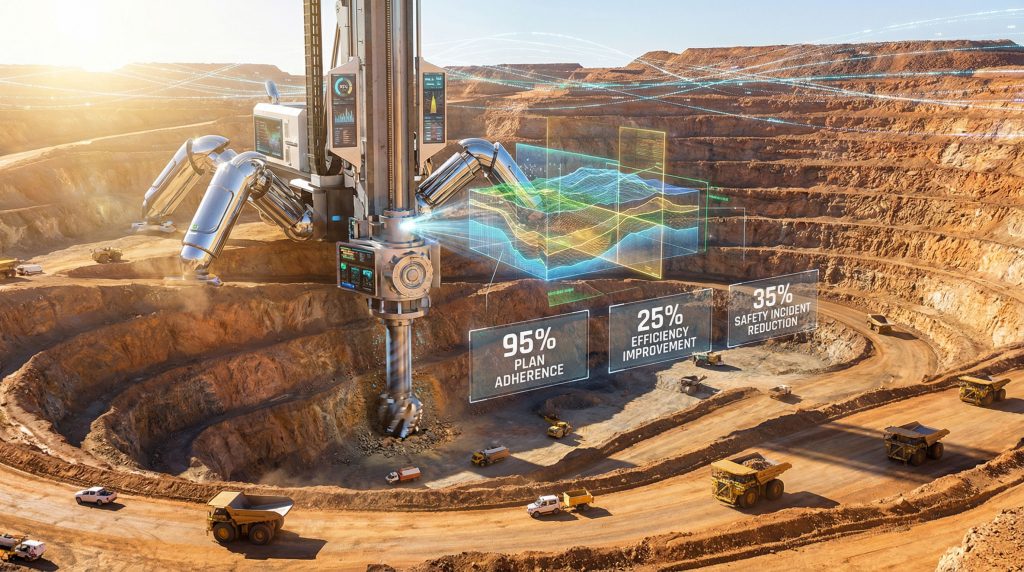
Understanding Digital Mining Technology Architecture
The mining industry faces mounting pressure to extract maximum value from increasingly challenging geological formations while maintaining strict safety and environmental standards. Modern operations require sophisticated technological solutions that can process vast amounts of subsurface data in real-time, enabling operators to make informed decisions before costly mistakes occur. This technological evolution has created demand for intelligent systems that transform raw drilling measurements into actionable geological intelligence through cloud-based drilling service platforms.
Cloud-based drilling platforms represent a fundamental shift from traditional reactive mining approaches to predictive operational strategies. These systems integrate Internet of Things sensors with advanced data processing capabilities, creating comprehensive geological models that guide strategic decision-making throughout the extraction process. The mining industry evolution continues to accelerate as operators recognise the transformative potential of intelligent drilling technologies.
Core Components of Cloud-Based Drilling Systems
Cloud-based drilling service platforms operate through sophisticated technical architectures that capture, process, and analyze subsurface data in near real-time. These systems integrate Measure While Drilling technology with cloud computing infrastructure to deliver unprecedented visibility into geological conditions during active drilling operations.
Technical Architecture Elements:
• Data Acquisition Layer: MWD sensors embedded in drill strings capture vibration, pressure, and positional data
• Edge Computing Components: Local processing units handle initial data filtering and compression
• Cloud Processing Infrastructure: Remote servers perform advanced analytics and geological modeling
• Integration Interfaces: APIs connecting with existing mine planning and enterprise software systems
The system architecture processes information through a structured hierarchy that transforms raw sensor readings into strategic operational insights. This progression enables mining teams to understand subsurface conditions with precision previously unavailable through conventional drilling methods. Furthermore, AI in drilling operations enhances these capabilities through machine learning algorithms that continuously improve accuracy.
Business Value Proposition:
Modern mining operations implementing cloud-based drilling service technology report significant improvements in operational efficiency and safety metrics. The technology enables proactive identification of geological hazards, optimised resource allocation, and enhanced blast pattern design based on accurate rock strength measurements.
| Operational Area | Traditional Method | Cloud-Based Approach | Key Improvement |
|---|---|---|---|
| Geological Assessment | Post-drilling core analysis | Real-time subsurface mapping | Immediate hazard identification |
| Blast Design | Historical geological data | Current rock strength measurements | Optimised explosive placement |
| Safety Management | Reactive incident response | Predictive hazard detection | Proactive risk mitigation |
| Resource Planning | Static geological models | Dynamic subsurface intelligence | Adaptive operational strategies |
Data Processing and Geological Intelligence Generation
Cloud-based drilling platforms organise geological data processing through multi-stage analytical frameworks that convert raw sensor measurements into comprehensive subsurface intelligence. This systematic approach enables mining operations to understand complex geological formations with unprecedented accuracy and speed.
Hierarchical Data Processing Structure:
The transformation of drilling measurements follows a structured progression from basic sensor readings to strategic operational recommendations. Raw signals captured from drilling equipment form the foundational data layer, which undergoes successive processing stages to generate increasingly sophisticated geological insights.
-
Signal Capture Phase: Drilling equipment sensors record vibration patterns, penetration rates, and torque measurements
-
Information Processing: Algorithms convert raw signals into measurable geological properties such as rock hardness and fracture density
-
Knowledge Generation: Advanced analytics create three-dimensional geological models integrating multiple data streams
-
Decision Intelligence: Machine learning systems generate operational recommendations based on geological patterns and historical performance data
This systematic approach enables geologists and engineers to visualise subsurface conditions with remarkable precision, supporting more informed decision-making throughout the extraction process. Moreover, 3D geological modeling capabilities integrate seamlessly with cloud-based drilling service platforms to provide comprehensive visualisation tools.
Real-Time Analytics Capabilities:
Modern cloud-based drilling service systems provide immediate access to geological intelligence as drilling operations progress. Teams can monitor rock strength variations, identify structural discontinuities, and detect potential safety hazards before drilling completion, enabling rapid operational adjustments.
The integration of advanced sensor technology with cloud computing infrastructure creates opportunities for predictive analytics that anticipate geological conditions ahead of the drill bit. This capability represents a significant advancement over traditional post-drilling analysis methods. Additionally, Sandvik's cloud-based drilling solutions demonstrate how industry leaders are implementing these technologies to enhance operational efficiency.
Operational Benefits Across Mining Applications
Cloud-based drilling technology delivers measurable improvements across multiple operational areas, from blast optimisation to safety enhancement. These systems enable mining operations to achieve higher levels of precision in resource extraction while reducing operational risks and environmental impact.
Enhanced Blast Design and Explosive Optimisation:
Accurate rock strength identification through cloud-based drilling service platforms enables mining operations to optimise explosive placement and reduce material waste. The technology provides real-time visibility into geological variations, supporting precise blast pattern adjustments that improve fragmentation outcomes.
Industry Insight: Mining operations utilising real-time geological intelligence report improved blast efficiency through precise explosive placement based on actual rock strength measurements rather than historical geological assumptions.
The system enables blast engineers to identify areas requiring modified powder factors, adjust hole spacing based on rock competency, and predict fragmentation patterns before detonation. This level of precision reduces secondary blasting requirements and improves overall extraction efficiency.
Safety Enhancement Through Subsurface Intelligence:
Cloud-based drilling platforms enhance operational safety by providing advance warning of potentially hazardous geological conditions. The technology identifies fractures, voids, and structural instabilities before they pose risks to personnel or equipment.
Safety Applications Include:
• Void Detection: Early identification of underground cavities that could cause equipment damage or personnel injury
• Structural Analysis: Real-time assessment of rock mass stability for slope management decisions
• Fracture Mapping: Detailed identification of geological discontinuities affecting operational safety
• Ground Condition Monitoring: Continuous assessment of subsurface conditions during drilling operations
These capabilities enable mining operations to implement proactive safety measures based on actual geological conditions rather than reactive responses to incidents.
Industry Adoption Patterns and Applications
Surface mining operations represent the primary adoption sector for cloud-based drilling service technology, with applications spanning multiple commodity types and operational scales. The technology proves particularly valuable in operations requiring precise geological characterisation for optimal resource extraction.
Surface Mining Implementation:
Top-hammer drilling operations benefit significantly from cloud-based geological intelligence systems. The technology enables smarter planning, improved blasting outcomes, and enhanced overall productivity in surface extraction operations. Consequently, data-driven mining operations increasingly rely on these platforms to optimise performance.
Mining operations utilising cloud-based drilling platforms can integrate geological intelligence directly into existing mine planning software, creating seamless workflows between drilling operations and strategic planning processes. This integration supports more responsive operational adjustments based on real-time geological discoveries.
Application Areas by Mining Type:
| Mining Sector | Primary Applications | Key Benefits | Implementation Focus |
|---|---|---|---|
| Open-Pit Operations | Large-scale production drilling | Geological model accuracy | Resource definition optimisation |
| Quarrying Operations | Quality control assessment | Product consistency | Material grade prediction |
| Coal Mining | Overburden characterisation | Waste rock identification | Selective extraction planning |
| Metal Mining | Ore grade distribution | Resource optimisation | Grade control enhancement |
The versatility of cloud-based drilling technology enables adaptation across diverse geological environments and mining methodologies, supporting both large-scale industrial operations and smaller specialised extraction projects.
Technology Integration and Software Compatibility
Modern cloud-based drilling service platforms integrate seamlessly with established mining software ecosystems, enabling operations to leverage existing technological investments while adding advanced geological intelligence capabilities.
Mine Planning Software Integration:
Cloud drilling platforms export geological data directly to mine planning applications, creating automated workflows that update geological models as drilling operations progress. This integration eliminates manual data transfer processes and reduces the potential for transcription errors.
Integration capabilities include:
• Automated Data Export: Direct transfer of geological measurements to mine planning databases
• Real-Time Model Updates: Continuous refinement of geological models based on new drilling data
• Visualisation Integration: Seamless display of cloud-generated insights within existing software interfaces
• Workflow Automation: Streamlined processes connecting drilling operations with planning activities
This level of integration enables mining operations to maintain existing operational procedures while incorporating enhanced geological intelligence capabilities. Furthermore, interpreting drill results becomes more streamlined through automated data processing and analysis.
Enterprise System Compatibility:
Cloud-based drilling platforms connect with enterprise resource planning systems, enabling integration of geological intelligence with broader operational management processes. This connectivity supports comprehensive operational optimisation across multiple organisational functions. For instance, cloud-based drilling services for drilling contractors offer specialised solutions for different operational requirements.
Implementation Requirements and Technical Specifications
Successful deployment of cloud-based drilling service technology requires careful consideration of infrastructure requirements, equipment compatibility, and organisational change management processes.
Infrastructure and Connectivity Requirements:
Remote mining locations present unique challenges for cloud-based technology implementation. Operations must establish reliable data transmission capabilities while maintaining system performance under challenging environmental conditions.
Essential Infrastructure Components:
• Communication Networks: Robust data transmission capabilities supporting real-time information flow
• Edge Computing Hardware: Local processing capabilities for initial data analysis and filtering
• Power Supply Systems: Reliable electrical infrastructure supporting continuous system operation
• Environmental Protection: Weather-resistant equipment housing for harsh mining environments
Equipment Integration Specifications:
Cloud-based drilling platforms integrate with various drilling equipment types, though compatibility varies based on specific hardware configurations and sensor integration capabilities.
| Equipment Type | Integration Method | Data Capture Capability | Modification Requirements |
|---|---|---|---|
| Modern Top-Hammer Rigs | Native sensor integration | Comprehensive MWD data | Minimal hardware additions |
| Older Drilling Equipment | Retrofit sensor packages | Limited measurement capability | Significant hardware upgrades |
| Specialised Drilling Systems | Custom integration solutions | Variable data quality | Engineering consultation required |
| Mobile Drilling Units | Portable sensor systems | Real-time data transmission | Communication system upgrades |
Data Security and Regulatory Compliance Framework
Mining operations implementing cloud-based drilling service technology must address comprehensive cybersecurity requirements while maintaining compliance with industry-specific regulations and data protection standards.
Cybersecurity Implementation:
Industrial mining systems require robust security protocols protecting operational data and maintaining system integrity. Cloud-based platforms implement multi-layered security approaches addressing both data transmission and storage security requirements.
Security Framework Elements:
• Data Encryption: Advanced encryption protocols protecting information during transmission and storage
• Access Control: Multi-factor authentication systems ensuring authorised system access
• Network Security: Firewall and intrusion detection systems protecting industrial networks
• Audit Capabilities: Comprehensive logging systems supporting security compliance requirements
Regulatory Compliance Considerations:
Mining operations must navigate complex regulatory environments while implementing new technology systems. Cloud-based drilling platforms support compliance through automated documentation and reporting capabilities.
Compliance areas include mining safety regulations, environmental monitoring requirements, and data privacy protections. The technology enables automated generation of regulatory reports while maintaining detailed operational records supporting audit requirements.
Future Technology Developments and Market Evolution
The cloud-based drilling service market continues evolving through integration with emerging technologies and expansion into new application areas. These developments promise enhanced capabilities and broader adoption across the mining industry.
Emerging Technology Integration:
Advanced artificial intelligence algorithms increasingly enhance cloud-based drilling platforms, enabling more sophisticated pattern recognition and predictive analytics capabilities. These improvements support autonomous drilling decisions and enhanced geological interpretation accuracy.
Technological Advancement Areas:
• Machine Learning Enhancement: Improved pattern recognition for geological classification
• Autonomous System Integration: Self-adjusting drilling parameters based on geological conditions
• Advanced Sensor Technology: Enhanced measurement precision and expanded data collection capabilities
• 5G Network Implementation: Ultra-low latency data transmission supporting real-time decision making
Market Growth Projections:
Industry analysts project continued expansion of cloud-based drilling technology adoption across global mining operations. Growth drivers include increasing operational complexity, enhanced safety requirements, and competitive pressure for improved efficiency.
Regional Adoption Patterns:
| Geographic Region | Adoption Rate | Primary Drivers | Market Characteristics |
|---|---|---|---|
| North America | High adoption | Technology leadership | Early implementation focus |
| Australia | Accelerating growth | Remote operation needs | Infrastructure development |
| South America | Emerging adoption | Operational efficiency | Cost-benefit evaluation |
| Africa | Early stage development | Safety requirements | Infrastructure limitations |
Environmental Impact and Sustainability Benefits
Cloud-based drilling service technology contributes to environmental sustainability through improved resource utilisation, reduced waste generation, and enhanced operational efficiency. These benefits align with increasing industry focus on sustainable mining practices.
Resource Optimisation Benefits:
Precise geological characterisation enables mining operations to minimise waste rock extraction, reduce environmental disturbance, and optimise resource recovery rates. The technology supports selective extraction approaches that minimise overall environmental impact.
Sustainability Insight: Mining operations implementing precise geological intelligence report reduced overburden extraction and improved ore recovery rates, contributing to smaller environmental footprints per unit of extracted mineral resources.
Operational Efficiency Improvements:
Enhanced drilling accuracy and optimised blast patterns reduce energy consumption, minimise equipment wear, and decrease fuel usage across mining operations. These improvements contribute to reduced greenhouse gas emissions and lower overall environmental impact.
Environmental Management Applications:
• Water Resource Protection: Accurate identification of groundwater zones supporting environmental protection
• Soil Preservation: Precise excavation boundaries minimising topsoil disturbance
• Habitat Conservation: Reduced operational footprint through optimised extraction planning
• Rehabilitation Planning: Enhanced geological understanding supporting effective site restoration
Investment Considerations and Economic Analysis
Mining operations evaluating cloud-based drilling service implementation must consider various economic factors, from initial capital requirements to long-term operational benefits. These investments typically demonstrate positive returns through improved operational efficiency and risk reduction.
Implementation Cost Structure:
Cloud-based drilling technology investment requirements vary significantly based on operation size, existing equipment compatibility, and desired functionality levels. Operations must evaluate both direct technology costs and indirect implementation expenses.
Cost Categories Include:
• Technology Platform Licensing: Software access and cloud service subscription fees
• Hardware Integration: Sensor systems, communication equipment, and edge computing devices
• Infrastructure Development: Network connectivity and power supply improvements
• Training and Change Management: Personnel development and operational process adaptation
Return on Investment Analysis:
Mining operations typically realise returns on cloud-based drilling service investments through multiple operational improvements. These benefits accumulate over time, with most operations achieving positive returns within 12-24 months of implementation.
| Benefit Category | Typical Impact Range | Realisation Timeline | Measurement Method |
|---|---|---|---|
| Drilling Efficiency | 15-25% improvement | 3-6 months | Operational metrics |
| Safety Enhancement | Incident reduction | 6-12 months | Safety statistics |
| Resource Optimisation | Waste reduction | 6-18 months | Production analysis |
| Planning Accuracy | Model precision | 12-24 months | Geological validation |
Risk Mitigation Value:
Cloud-based drilling platforms provide significant value through risk reduction, particularly in hazard identification and operational safety enhancement. These benefits often justify implementation costs through avoided incidents and improved regulatory compliance.
The technology enables proactive identification of geological hazards before they impact operations, supporting more effective risk management strategies and reduced insurance premiums in many cases.
Investment Disclaimer: Mining technology investments carry inherent risks related to technological obsolescence, implementation challenges, and market conditions. Operators should conduct thorough due diligence and consider specific operational requirements when evaluating cloud-based drilling service implementations. Past performance indicators may not predict future results in different geological or operational environments.
Looking to Capitalise on Mining Technology Innovations?
Discovery Alert's proprietary Discovery IQ model delivers instant notifications on significant ASX mining technology discoveries, including companies developing advanced drilling solutions and geological intelligence systems. Explore how major mining innovation discoveries have generated substantial market returns by visiting Discovery Alert's discoveries page, then begin your 14-day free trial to position yourself ahead of the market.