June 17, 2026
Understanding the Economic Drivers Behind Mining's Green Revolution
The global mining sector stands at a critical inflection point where operational efficiency and environmental stewardship have converged into a unified strategic imperative. As commodity markets navigate unprecedented volatility and technological disruption accelerates mineral demand across critical minerals transition and digital infrastructure sectors, mining companies face mounting pressure to demonstrate measurable sustainability performance while scaling production capacity.
This transformation extends far beyond regulatory compliance, fundamentally reshaping the economic calculus of mining operations. Companies that successfully integrate sustainable mining initiatives into core business strategies are discovering competitive advantages through reduced operational costs, enhanced capital access, and premium market positioning.
The International Council on Mining and Metals (ICMM), representing 26 companies that collectively operate 650 mines across more than 50 countries, demonstrates how industry leadership emerges through performance improvement rather than public relations campaigns. These organisations control between one-third and one-half of global mining sector production, establishing their sustainability frameworks as market-defining standards.
Recent developments at the World Economic Forum in Davos highlighted how mining and natural resources have become central to geopolitical power dynamics. Security considerations now intertwine with mineral supply chains, creating additional economic incentives for responsible sourcing and operational resilience.
When big ASX news breaks, our subscribers know first
What Economic Factors Are Pushing Mining Companies Toward Sustainable Practices?
Risk Mitigation and Capital Access
Mining companies face escalating financial exposure from environmental incidents, with catastrophic failures generating billions in damages and long-term liability costs. The 2019 Brumadinho tailings dam collapse in Brazil, which resulted in 272 fatalities, catalysed industry-wide adoption of standardised management protocols across ICMM member operations.
Key Risk Factors Driving Economic Pressure:
• Insurance premium volatility linked to environmental and safety performance records
• Capital market screening increasingly focused on ESG compliance metrics
• Regulatory penalty exposure from non-compliance with tightening environmental standards
• Operational disruption costs from community opposition and regulatory interventions
Investment funds now systematically evaluate mining portfolios for environmental, social, and governance compliance, directly affecting capital availability and borrowing costs. This market-driven capital allocation creates financial incentives for sustainable practices independent of regulatory requirements.
Market Premium for Responsible Sourcing
Downstream manufacturers in renewable energy and electric vehicle sectors increasingly demand verified sustainable sourcing credentials, creating price premiums for responsibly-mined materials. Furthermore, this trend reflects growing consumer awareness and corporate sustainability commitments throughout mineral supply chains.
Mining companies implementing comprehensive sustainability frameworks report enhanced stakeholder trust and social licence to operate. Industry leaders emphasise that operational success depends fundamentally on how society perceives mining as contributing positively to environmental and social outcomes.
Safety Performance and Operational Economics
ICMM member companies have experienced concerning reversals in safety trends over the past two years, with previously declining fatality rates now increasing. This deterioration represents both humanitarian crisis and significant economic risk, as safety performance directly correlates with operational efficiency, insurance costs, and regulatory scrutiny.
Dual-Benefit Innovation Strategies:
• Equipment redesign programmes simultaneously improving fuel efficiency and safety performance
• Autonomous mining systems reducing both human risk exposure and operational costs
• Precision extraction technologies minimising waste generation while optimising resource recovery
Mining equipment manufacturers are developing large trucks and machinery that consume less fuel while incorporating advanced safety features. Consequently, this demonstrates how environmental and safety objectives can reinforce rather than compete with each other.
Which Sustainability Frameworks Are Reshaping Mining Economics?
International Standards and Their Financial Impact
| Framework | Coverage | Economic Impact |
|---|---|---|
| ICMM Principles | 650 mines across 50+ countries | Enhanced access to international capital markets, improved stakeholder relations |
| TSM (Towards Sustainable Mining) | Canadian operations with mandatory protocols | Reduced insurance premiums, accelerated permitting processes |
| Euromines SMI | European circular economy focus | Qualification for EU green financing initiatives |
The ICMM framework operates through five strategic priority areas that establish measurable performance standards across member operations:
1. Worker Safety and Incident Reduction
- Zero harm objectives with comprehensive incident reporting
- Equipment innovation for enhanced safety performance
- Emergency response protocol standardisation
2. Tailings Management Standards
- Post-Brumadinho implementation of industry-wide protocols
- Innovation in extraction methods to reduce waste rock generation
- Third-party verification and monitoring systems
3. Decarbonisation and Operational Efficiency
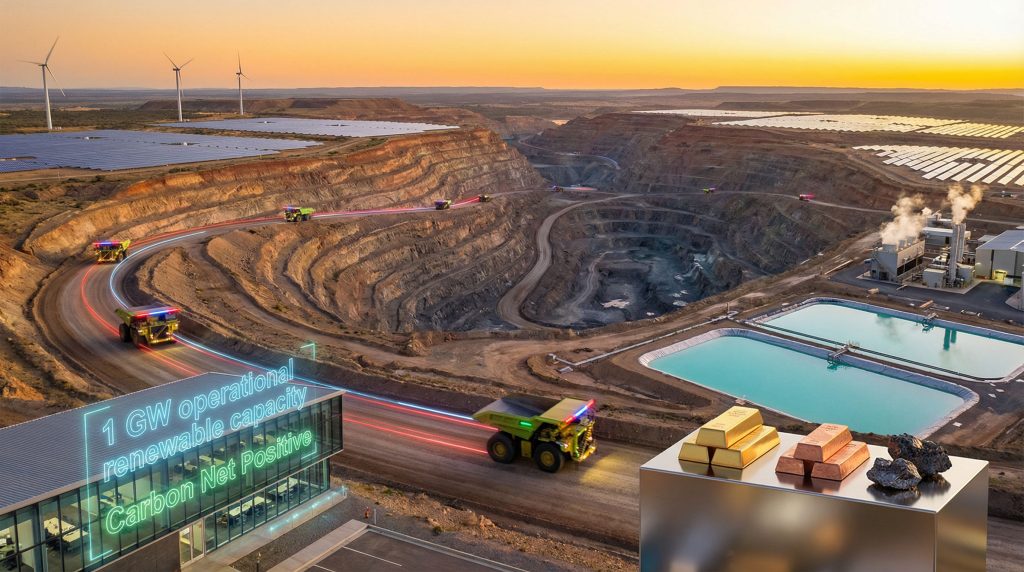
- Renewable energy integration across mining operations
- Equipment electrification and fuel efficiency improvements
- Carbon footprint measurement and reduction targets
4. Biodiversity and Natural Capital Management
- Net positive biodiversity outcome objectives
- Ecosystem service quantification and protection
- Land rehabilitation and habitat restoration programmes
5. Social Performance and Community Engagement
- Human rights protection and benefit-sharing agreements
- Tax transparency and local economic development
- Indigenous partnership and traditional land rights recognition
Performance Measurement and Market Valuation
Sustainability frameworks create quantifiable metrics that institutional investors increasingly demand when allocating capital to mining companies. Third-party verification systems enhance transparency and credibility, enabling companies to access premium financing options and demonstrate measurable progress to stakeholders.
However, the framework authority derives from demonstrating leadership through actual performance improvements rather than public relations campaigns. In addition, this positions sustainability compliance as essential for market legitimacy and social licence maintenance.
How Do Technological Innovations Drive Both Sustainability and Profitability?
Energy Transition Economics
Mining operations worldwide are implementing renewable energy systems that deliver simultaneous environmental and economic benefits. For instance, these installations reduce carbon emissions while providing long-term energy cost stability and operational resilience.
Current Technology Deployment Areas:
• Solar and wind installations at remote mining sites reducing diesel dependency
• Battery storage systems providing grid stability and backup power capacity
• Hybrid energy systems optimising renewable and conventional power sources
• Electric vehicle charging infrastructure supporting fleet electrification
Automation and Efficiency Gains
Autonomous mining equipment and precision drilling technologies simultaneously improve safety outcomes, reduce environmental impact, and increase operational efficiency. These systems optimise resource extraction while minimising waste generation and human risk exposure.
Mining companies are innovating extraction methodologies to produce less waste rock during mining operations, reducing both processing costs and environmental impact. Furthermore, this approach demonstrates how technological advancement can align economic and environmental objectives.
Equipment Innovation and Dual Benefits
Large mining equipment manufacturers are redesigning trucks and machinery to achieve fuel efficiency improvements alongside enhanced safety features. This integrated approach reduces operational costs while advancing environmental and safety performance metrics.
Innovation Focus Areas:
• Fuel consumption reduction through engine optimisation and weight reduction
• Safety system integration including collision avoidance and operator assistance
• Maintenance optimisation using predictive analytics and remote monitoring
• Component lifecycle extension through advanced materials and design
What Are the Economic Benefits of Waste Reduction Strategies?
Tailings Management Innovation
Following the 2019 Brumadinho disaster, the mining industry implemented comprehensive tailings management standards that transform waste from liability to opportunity. Companies are developing innovative approaches that extract additional value from tailings while reducing environmental risk.
Tailings Optimisation Strategies:
• Residual metal recovery from historical tailings deposits
• Water recycling systems reducing freshwater consumption and discharge
• Dry stacking technologies eliminating traditional tailings dam risks
• Beneficial reuse applications converting tailings into construction materials
Selective Mining and Waste Minimisation
Advanced geological modelling enables selective ore extraction that reduces waste rock generation while improving ore grade quality. This precision approach minimises environmental disturbance while optimising resource recovery economics.
Mining companies are implementing extraction innovations that allow mining while producing less waste rock, directly reducing processing costs and environmental impact. These technological advances demonstrate how operational efficiency improvements can simultaneously advance sustainable mining initiatives.
Circular Economy Integration
Mining companies increasingly participate in circular economy models where end-of-life metal recovery reduces demand for new extraction. This creates stable revenue streams while supporting sustainability objectives and resource conservation.
Circular Economy Applications:
• Metal recycling partnerships with manufacturing sectors
• Urban mining initiatives recovering metals from electronic waste
• Product lifecycle extension through material quality optimisation
• Secondary material markets creating alternative revenue streams
How Do Community Engagement Strategies Impact Mining Economics?
Social Licence to Operate
Comprehensive community engagement protocols reduce project delays, regulatory challenges, and operational disruptions. Companies with strong community relationships experience fewer work stoppages and regulatory interventions, translating directly into improved financial performance.
The mining industry recognises that regardless of mineral value or technical necessity, host countries and communities prioritise human rights protection, local benefit-sharing, fair taxation, and operational transparency. These social performance factors directly influence project viability and long-term operational success.
Local Economic Development
Furthermore, the industry evolution trends often include workforce development programmes, local supply chain integration, and infrastructure investment that create stakeholder alignment supporting long-term operational stability.
Community Engagement Elements:
• Local employment and training programmes building technical capacity
• Supply chain localisation supporting regional economic development
• Infrastructure development benefiting communities beyond mining operations
• Cultural heritage protection preserving traditional values and practices
Indigenous Partnership Models
Collaborative frameworks with Indigenous communities create shared value propositions that enhance project viability while respecting traditional land rights and cultural values. These partnerships often include revenue-sharing agreements, environmental stewardship programmes, and cultural preservation initiatives.
The next major ASX story will hit our subscribers first
What Role Does Biodiversity Conservation Play in Mining Economics?
Ecosystem Service Valuation
Mining companies increasingly recognise their direct environmental footprint on land, vegetation, wildlife, waterways, and air quality. However, industry analysis suggests that mining's net contribution to environmental protection may be positive when accounting for the global benefits of mineral-enabled urbanisation and vertical living.
Biodiversity Management Approaches:
• Impact assessment and mitigation quantifying environmental effects
• Habitat restoration programmes creating long-term environmental assets
• Species protection initiatives preserving biodiversity in mining regions
• Ecosystem monitoring systems tracking environmental performance
Land Rehabilitation as Asset Creation
Post-mining land rehabilitation creates long-term assets through reforestation, habitat restoration, and alternative land use development. These activities generate ongoing revenue streams and environmental benefits beyond mining operations.
Net Positive Environmental Strategies
Advanced mining companies pursue environmental outcomes where total impact becomes beneficial rather than neutral. While mining operations require land disturbance for metal and mineral extraction, the resulting materials enable urbanisation and technological advancement that concentrates human activity and reduces overall environmental pressure.
This framework positions mining as contributing to environmental protection through the materials that enable sustainable development, renewable energy infrastructure, and efficient urban living systems. For instance, the green iron production initiatives demonstrate how mining can support environmental objectives.
How Are Financial Markets Rewarding Sustainable Mining Practices?
ESG Investment Flows
Environmental, Social, and Governance investment criteria increasingly influence capital allocation to mining companies. Firms demonstrating measurable sustainability progress access lower-cost capital and premium valuations compared to companies with poor ESG performance.
Financial Market Incentives:
• ESG-linked financing with interest rates tied to sustainability performance
• Green bond issuance for environmental projects at preferential rates
• Institutional investor preferences favouring companies with strong ESG credentials
• Insurance premium differentials reflecting environmental and safety risk profiles
Capital Access and Borrowing Costs
Mining companies with comprehensive sustainability frameworks report enhanced access to international capital markets and improved borrowing terms. This reflects investor recognition that environmental and social performance correlates with long-term operational stability and financial returns.
Market Valuation Premiums
Companies implementing sustainable mining initiatives often command market premiums reflecting reduced operational risk, enhanced stakeholder relationships, and improved long-term growth prospects. These valuations reward proactive environmental and social performance rather than reactive compliance approaches.
What Challenges Remain in Scaling Sustainable Mining Initiatives?
Technology Deployment Costs
While sustainable technologies offer long-term economic benefits, initial capital requirements remain substantial. Companies must balance immediate financial returns with long-term sustainability investments, particularly during commodity market downturns when capital allocation focuses on short-term performance.
Regulatory Complexity
Varying international standards and regulatory frameworks create compliance complexity that increases operational costs and strategic planning challenges. Companies operating across multiple jurisdictions must navigate diverse environmental standards, permitting processes, and community engagement requirements.
Performance Measurement Standardisation
The industry continues developing standardised metrics for measuring and comparing sustainability performance across different operations, commodities, and geographic regions. This standardisation challenge affects investor evaluation, regulatory compliance, and peer benchmarking processes.
Implementation Challenges:
• Capital allocation trade-offs between immediate returns and long-term investments
• Technology scalability from pilot projects to full operational deployment
• Skills development for advanced green energy mining design technologies and practices
• Supply chain coordination ensuring sustainability standards throughout mineral value chains
Future Economic Outlook for Sustainable Mining
The economic case for sustainable mining initiatives continues strengthening as environmental costs become internalised through regulation and market mechanisms. Companies implementing comprehensive sustainability strategies position themselves for long-term competitive advantage in an increasingly environmentally-conscious global economy.
Mining's transformation toward sustainability represents a fundamental shift from extraction-focused business models to integrated value creation. This evolution encompasses environmental stewardship, community development, and technological innovation, creating new economic opportunities while addressing society's growing expectations for responsible resource development.
Strategic Implications:
• First-mover advantages for companies implementing advanced sustainability practices
• Market differentiation through verified environmental and social performance
• Operational resilience from reduced regulatory and community opposition
• Innovation leadership driving technological advancement and cost reduction
The convergence of geopolitical considerations, technological advancement, and environmental requirements is creating unprecedented opportunities for mining companies that successfully integrate sustainability into core business strategies. These organisations are demonstrating that environmental responsibility and operational excellence create mutually reinforcing competitive advantages in global mineral markets.
The implementation of EVs in mining transportation exemplifies how technological advancement can support both operational efficiency and environmental objectives. Furthermore, the Australian Government's guide to leading practice sustainable development provides comprehensive frameworks for implementing sustainable mining practices. In addition, CSIRO's research on sustainable mining technology demonstrates the scientific foundation supporting industry transformation.
Investment decisions in mining companies should consider sustainability performance as a key indicator of long-term operational viability and financial returns. This analysis is for informational purposes only and does not constitute investment advice.
Want to Capitalise on Tomorrow's Mining Leaders Today?
Discovery Alert's proprietary Discovery IQ model instantly identifies ASX mining companies implementing breakthrough sustainable technologies and practices, delivering real-time alerts when these forward-thinking operations announce significant discoveries. Start your 14-day free trial with Discovery Alert today to position yourself ahead of the sustainable mining revolution transforming global markets.