
August 25, 2026
Understanding the Mechanics of Modern Energy Chokepoint Vulnerabilities
The global economy's dependence on concentrated transportation corridors creates systemic risks that extend far beyond traditional supply-demand fundamentals. The Iran oil crisis exemplifies how critical maritime passages face disruption, with resulting cascading effects revealing how interconnected modern energy systems have become, particularly in regions where alternative routing options remain severely limited.
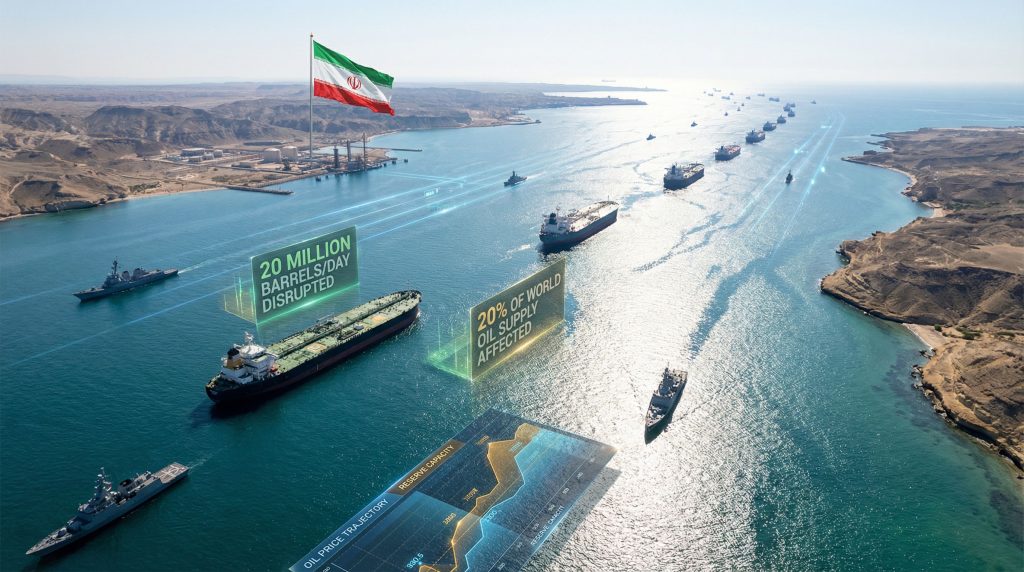
Energy security analysts have long recognised that approximately 20% of global oil flows transit through narrow waterways where single incidents can trigger worldwide market disruption. These chokepoints represent more than geographical constraints – they function as pressure valves in the international energy system where geopolitical tensions transform into economic volatility.
The vulnerability becomes particularly acute when considering the mathematical relationship between daily consumption requirements and available alternative transportation capacity. Modern economies operate on thin inventory margins, making them exceptionally sensitive to supply interruptions that would have been manageable in previous decades.
When big ASX news breaks, our subscribers know first
Why Current Crisis Patterns Differ from Historical Energy Disruptions
Unlike previous energy shocks that originated from production facility closures or domestic political upheavals, the Iran oil crisis demonstrates how transportation infrastructure control can create broader economic impacts than production capacity limitations. This represents a fundamental shift in the nature of energy security considerations threats.
Historical analysis reveals that past crises typically affected specific producing regions whilst leaving transportation networks largely intact. The 1979 Iranian Revolution reduced production capacity but left international shipping lanes operational, allowing other producers to compensate through increased output and alternative sourcing arrangements.
Comparative Impact Assessment Framework
| Crisis Characteristic | 1979 Revolution Impact | Current Strait Disruption |
|---|---|---|
| Primary Disruption | Domestic production strikes | International shipping blockade |
| Compensation Mechanism | Increased production elsewhere | Limited alternative routing |
| Market Psychology | Inventory accumulation | Supply chain restructuring |
| Geographic Scope | Single country focus | Regional transportation hub |
The current situation exposes how global supply chains have evolved to prioritise efficiency over resilience. Just-in-time inventory management, which reduces storage costs during normal operations, amplifies vulnerability when transportation routes face sustained interruption.
Modern Infrastructure Dependencies
Contemporary energy markets exhibit several characteristics that distinguish current vulnerabilities from historical precedents:
- Concentration Risk: Higher percentage of global flows through fewer critical passages
- Alternative Capacity Constraints: Limited pipeline infrastructure to bypass affected waterways
- Financial Market Integration: Commodity derivatives markets amplify price signals across sectors
- Supply Chain Complexity: Multi-stage processing creates cascading disruption effects
Strategic Response Mechanisms from Major Economic Powers
The international community's reaction to Iran's maritime actions reveals coordinated efforts to maintain market stability through emergency reserve deployments and diplomatic engagement. However, the mathematical limitations of current response capacity highlight systemic vulnerabilities in global energy security architecture, particularly when examining oil price movements across different markets.
United States Strategic Reserve Deployment
The Trump administration authorised releasing 172 million barrels from the Strategic Petroleum Reserve, representing the largest emergency deployment since the programme's inception. This release aims to provide 60-90 days of market stabilisation whilst alternative supply arrangements develop.
However, the Strategic Petroleum Reserve faces technical constraints on daily release rates due to pipeline capacity limitations and refinery processing specifications. The reserve contains primarily sour crude oil, which requires specific refinery configurations that may not match immediate market demand patterns.
International Energy Agency Coordination
The IEA coordinated a 400 million barrel release across member nations, demonstrating unprecedented multilateral cooperation in energy crisis response. This represents the largest coordinated release in the organisation's history, exceeding previous emergency responses by significant margins.
Release Mathematics and Duration Limits:
- Combined global release capacity: 400 million barrels
- Estimated daily supply shortfall: 20 million barrels
- Theoretical coverage duration: 20 days at maximum disruption levels
- Practical constraints: Release rate limitations and quality specifications
The mathematical reality reveals that even maximum coordinated reserve deployment provides limited duration coverage against sustained transportation disruptions of this magnitude.
China's Strategic Calculations
China's complex relationship with Iranian energy suppliers creates diplomatic tensions as Beijing attempts to maintain energy security whilst managing international sanctions compliance. Chinese strategic petroleum reserves provide short-term supply security, but longer-term arrangements require careful diplomatic navigation.
The development of alternative supply relationships has accelerated, with Chinese energy companies increasing engagement with African and Latin American producers to reduce Middle Eastern dependency.
Economic Sector Differentiation and Impact Analysis
The Iran oil crisis creates varied impacts across economic sectors, with some industries experiencing immediate cost pressures whilst others face delayed but potentially more severe structural challenges. Furthermore, these disruptions demonstrate how tariffs impact global markets when combined with energy supply constraints.
Transportation Sector Immediate Effects
Current Market Conditions (March 2026):
- U.S. average gasoline prices: $3.59 per gallon
- Maritime insurance premiums: 400-600% increases over pre-crisis levels
- Alternative shipping routes: 15-25% cost increases for circumventing affected areas
- Air freight capacity: Limited substitution availability for bulk commodity transportation
The transportation sector faces the most immediate cost pressures as fuel prices increase and shipping insurance becomes prohibitively expensive for some cargo categories. Alternative routing through longer sea passages increases transit times and operational costs significantly.
Manufacturing Supply Chain Vulnerabilities
Energy-intensive manufacturing faces compound pressures from both direct energy cost increases and indirect effects through raw material pricing. Industries with high petroleum-based input requirements experience the most severe margin compression.
Critical Manufacturing Dependencies:
- Petrochemical feedstock availability: Plastic production and chemical processing
- Steel and aluminium production: Energy-intensive smelting operations
- Automotive manufacturing: Both energy costs and petroleum-based component pricing
- Pharmaceutical production: Chemical precursor availability and transportation
Financial Market Risk Transmission
Energy price volatility transmits through financial markets via multiple channels, creating both trading opportunities and systemic risks. Commodity-linked currencies face particular pressure as energy import costs strain current account balances.
Investment Sector Implications:
- Energy sector equity volatility: Creates both risk and opportunity for specialist investors
- Emerging market debt sustainability: Higher energy import costs strain fiscal positions
- Currency market pressures: Commodity-dependent economies face exchange rate volatility
- Interest rate policy complications: Central banks balance inflation control with growth support
Strategic Reserve Sustainability and Mathematical Constraints
Current emergency reserve deployment strategies face fundamental mathematical limitations when confronted with sustained supply disruptions of the magnitude created by Strait of Hormuz blockade conditions. Consequently, policymakers must consider the broader implications of such oil price crash analysis scenarios.
Reserve Depletion Timeline Analysis
The coordination between major economies to release strategic reserves provides temporary market stabilisation but cannot sustain markets indefinitely against ongoing supply shortfalls:
Critical Capacity Calculations:
| Reserve Source | Volume (Million Barrels) | Maximum Daily Release | Practical Limitations |
|---|---|---|---|
| U.S. SPR | 172 (authorised release) | 4.4 million/day | Pipeline bottlenecks |
| IEA Combined | 400 (total coordination) | Variable by country | Quality specifications |
| Coverage Duration | 20 days theoretical | Lower in practice | Release rate constraints |
Alternative Supply Development Requirements
Sustainable market stability requires development of alternative supply sources that can compensate for disrupted flows. This involves both increased production from unaffected regions and demand reduction through conservation measures.
Supply Substitution Challenges:
- Non-Gulf production increases: Limited spare capacity in most producing regions
- Transportation infrastructure: Pipeline and port capacity constraints
- Refinery specifications: Quality matching between alternative supplies and processing facilities
- Contract negotiations: Time requirements for establishing new supply relationships
Demand Response and Conservation Potential
Economic theory suggests that sustained high energy prices will eventually reduce consumption through both voluntary conservation and demand destruction. However, the timeline for meaningful demand response typically extends beyond the duration of strategic reserve coverage.
Demand Elasticity Factors:
- Short-term price inelasticity: Essential transportation and heating needs continue regardless of price
- Medium-term substitution: Alternative energy sources and efficiency improvements
- Long-term structural changes: Investment in renewable energy and electrification
- Economic recession risk: Severe demand destruction through economic contraction
Energy Transition Policy Acceleration Scenarios
The Iran oil crisis may catalyse faster adoption of energy independence strategies and renewable technology deployment as policymakers recognise the vulnerability of fossil fuel supply chains to geopolitical disruption. In addition, these developments highlight existing energy transition challenges that require immediate attention.
Renewable Energy Investment Acceleration
Emergency conditions create political support for accelerated renewable energy deployment that would typically face longer development timelines under normal market conditions.
Policy Response Options:
- Emergency funding authorisation: Bypass normal budget approval processes for clean energy projects
- Regulatory streamlining: Expedited permitting for solar, wind, and battery storage installations
- Grid infrastructure modernisation: Smart grid technology to manage distributed renewable sources
- Electric vehicle incentives: Reduce transportation sector oil dependency through electrification
Energy Security Diversification Strategies
National energy security strategies require diversification across both supply sources and energy types to reduce vulnerability to single-point failures in critical supply chains.
Strategic Diversification Elements:
- Domestic production expansion: Increase energy self-sufficiency ratios
- Regional partnership development: Secure supply arrangements with geographically diverse partners
- Critical mineral supply chains: Ensure raw materials for renewable energy technology manufacturing
- Technology innovation acceleration: Advanced battery storage and grid management systems
The next major ASX story will hit our subscribers first
Potential Crisis Resolution Pathways and Timeline Scenarios
Multiple pathways exist for resolving the current crisis, each carrying different implications for global energy markets and long-term geopolitical relationships in the Middle East region. For instance, recent analyses suggest that Iran war could cause the biggest ever oil price surge, highlighting the severity of potential outcomes.
Diplomatic Resolution Frameworks
Negotiated settlements require addressing underlying policy disagreements whilst establishing mechanisms to prevent future transportation corridor disruptions.
Diplomatic Engagement Options:
- Multilateral sanctions relief: Coordinated approach to economic incentives
- Regional security arrangements: Broader Middle East stability frameworks
- International maritime law enforcement: Strengthened legal mechanisms for shipping protection
- Economic development partnerships: Alternative economic relationships reducing conflict incentives
Military Intervention Risk Assessment
Military options carry significant escalation risks but remain under consideration as diplomatic alternatives face delays and market pressures intensify.
Strategic Military Considerations:
- Naval escort operations: International shipping protection through military convoy systems
- Regional alliance coordination: Multilateral military response frameworks
- Escalation management: Preventing regional conflict expansion
- International legal compliance: Maritime law and sovereignty considerations
Market-Driven Resolution Mechanisms
Economic pressures may ultimately force resolution as all parties face costs from sustained transportation disruptions and elevated energy prices.
Economic Pressure Points:
- Regional economic impacts: All Middle East economies suffer from reduced energy exports
- Global recession risk: Worldwide economic contraction from energy price shocks
- Alternative energy acceleration: Permanent market share loss for fossil fuel exporters
- Financial market instability: Systemic risks from commodity market volatility
Long-Term Structural Implications for Global Energy Architecture
The Iran oil crisis will likely produce lasting changes in international energy relationships, supply chain strategies, and geopolitical alliance structures regardless of how the immediate crisis resolves.
Energy Market Structural Transformation
Current events may accelerate existing trends toward energy supply diversification and reduced dependency on concentrated production and transportation infrastructure.
Emerging Market Characteristics:
- Geographic diversification priority: Spread supply sources across multiple regions and transportation routes
- Strategic inventory increases: Higher reserve levels to buffer against future disruptions
- Technology-driven supply security: Advanced monitoring and alternative energy development
- Risk premium integration: Permanent higher pricing to reflect geopolitical vulnerability
Geopolitical Realignment Possibilities
Energy security considerations may reshape international alliance structures and economic partnership priorities over the coming decades.
Strategic Relationship Shifts:
- Middle East influence recalibration: Reduced leverage from energy export dependency
- Asia-Pacific energy integration: Stronger regional cooperation on energy security
- European energy independence acceleration: Faster transition away from fossil fuel imports
- North American energy self-sufficiency: Continental energy integration and independence strategies
The Iran oil crisis demonstrates how quickly geopolitical tensions can transform into global economic challenges when critical infrastructure faces disruption. However, whilst emergency response mechanisms provide temporary market stabilisation, the mathematical limitations of strategic reserves highlight the need for fundamental changes in global energy architecture to enhance resilience against future supply chain vulnerabilities.
This analysis is based on publicly available information and should not be considered investment advice. Energy market conditions remain highly volatile, and readers should consult professional financial advisors before making investment decisions.
Seeking Exposure to Energy-Related Investment Opportunities?
Discovery Alert's proprietary Discovery IQ model delivers real-time alerts on significant ASX mineral discoveries, including critical energy commodities that power modern economies. Explore historic examples of exceptional market returns from major discoveries, then begin your 14-day free trial today to position yourself ahead of the market.