June 20, 2026

The global energy landscape stands at a critical inflection point as supply chain vulnerabilities, geopolitical tensions, and infrastructure dependencies converge to create unprecedented market pressures. Understanding how the energy crisis in the Middle East reshapes international markets requires examining not just immediate disruptions, but the deeper structural forces that determine long-term energy security and economic stability across interconnected economies.
Understanding the Current Middle East Energy Disruption
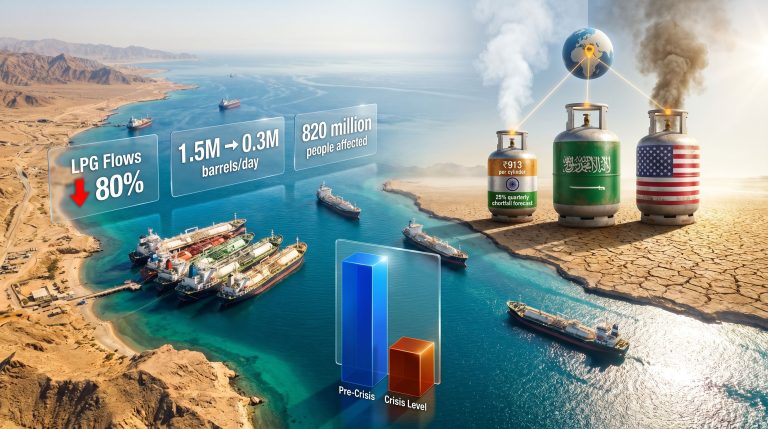
The ongoing Middle East conflict has fundamentally altered global energy supply patterns, creating what multilateral organizations describe as one of the largest supply shortages in global energy market history. The crisis extends far beyond traditional oil markets, affecting natural gas flows, critical mineral supplies, and industrial commodities essential to modern economies.
Strategic shipping chokepoints have become focal points of vulnerability, with approximately 20% of global oil transit flowing through affected maritime corridors. The Strait of Hormuz, historically a critical passage for energy exports, now represents a concentrated risk that reverberates through global supply chains. Infrastructure attacks across Iran, Qatar, and regional facilities have compounded these transportation bottlenecks, creating multiple points of failure in the global energy system.
The crisis has exposed cascading dependencies beyond petroleum products. LNG export capacity reductions from Qatar and other regional producers have triggered supply shortages across Asia and Europe, while natural gas field outages at major sites like South Pars have reduced production capacity. Furthermore, coal markets have experienced heightened volatility as energy-importing nations scramble to secure alternative supplies, demonstrating how disruptions in one energy sector can rapidly spread across the entire commodity complex.
Critical Supply Chain Impacts
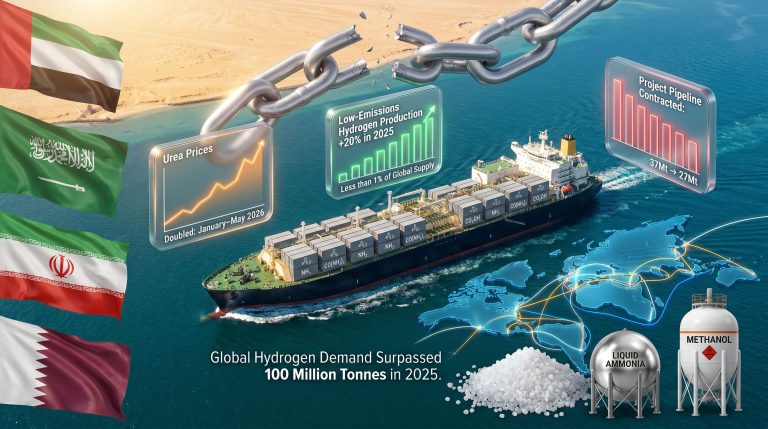
The scope of disruption extends to non-energy commodities essential for industrial production. According to the joint coordination statement from the International Energy Agency, International Monetary Fund, and World Bank Group, global supply chains for helium, phosphate, aluminum, and other commodities have been significantly affected. This broader impact illustrates how regional conflicts can disrupt global manufacturing and technology sectors dependent on specialized materials.
Tourism and transportation networks have experienced parallel disruptions, with flight restrictions at key Gulf hubs affecting both passenger travel and cargo logistics. These interconnected effects demonstrate how energy crises in strategic regions can cascade through multiple economic sectors simultaneously.
When big ASX news breaks, our subscribers know first
Economic Impact Assessment Across Global Markets
The economic transmission mechanisms from the Middle East energy crisis reveal the asymmetric nature of global energy dependencies. Import-dependent economies face disproportionate pressures through multiple channels: direct energy cost increases, currency depreciation pressures, and inflation acceleration that constrains monetary policy options.
Vulnerable Economy Classifications
| Vulnerability Category | Key Characteristics | Primary Risk Factors |
|---|---|---|
| High Import Dependency | 70%+ energy imports, limited strategic reserves | Currency pressure, fiscal strain |
| Manufacturing Hubs | Energy-intensive industrial sectors | Production cost increases, competitiveness loss |
| Emerging Markets | Foreign currency constraints, debt burdens | Balance of payments pressure, policy constraints |
| Island Nations | LNG dependency for electricity generation | Energy security, grid stability risks |
The multilateral organizations have identified that countries with more limited policy space and higher levels of debt face particularly acute challenges. These economies cannot easily deploy countercyclical fiscal policies to cushion energy price shocks, creating a policy dilemma where fighting inflation through monetary tightening may simultaneously suppress growth needed for economic resilience.
Financial Market Consequences
Energy commodity price surges across oil, gas, and coal markets have triggered broader financial market volatility. Currency devaluation pressures in emerging economies reflect market concerns about countries' ability to finance increased energy import costs. Consequently, the resulting inflationary pressures create central bank policy dilemmas, as monetary authorities must balance price stability objectives against growth support during crisis periods.
Market volatility has extended beyond energy sectors, with concerns about food prices emerging as fertilizer costs increase. This transmission mechanism demonstrates how the energy crisis in the Middle East can affect agricultural production costs globally, potentially triggering food security concerns in vulnerable regions.
Regional Response Strategies and Policy Adaptations
Countries across different regions have implemented varied approaches to manage energy supply shortages, revealing both the constraints and opportunities available to different economy types. Asian markets, heavily dependent on Middle Eastern energy imports, have deployed particularly aggressive adaptation measures.
Asian Market Adaptations
Bangladesh has implemented comprehensive demand management through reduced office hours and fuel rationing systems, prioritizing essential sectors during the import crisis. These measures represent direct government intervention in energy consumption patterns, demonstrating how supply crises can necessitate state coordination of energy allocation.
India has accelerated both coal plant operations and renewable energy project development, pursuing energy security through supply diversification. This dual approach illustrates how crises can simultaneously drive short-term fossil fuel reliance and long-term renewable investment, creating complex policy balancing acts.
South Korea has increased nuclear capacity utilization while temporarily lifting certain coal restrictions, prioritizing grid stability during the transition period. These decisions highlight how energy security considerations can temporarily override environmental policy constraints during crisis periods.
Conservation Measure Effectiveness
Demand-side management initiatives have proven particularly effective in countries with centralized energy planning capabilities. Key successful approaches include:
• Industrial energy rationing with priority allocation to essential sectors
• Public sector efficiency measures including expanded remote work policies
• Transportation fuel allocation systems ensuring critical service continuity
• Consumer education campaigns promoting voluntary conservation behaviors
These measures demonstrate how supply crises can accelerate adoption of energy efficiency practices that might otherwise face implementation resistance during normal market conditions.
Long-Term Energy Security Implications
The current crisis is reshaping fundamental assumptions about energy system design and security planning. Cost competitiveness calculations for renewable energy have shifted dramatically as fossil fuel prices surge, potentially accelerating deployment timelines for wind, solar, and storage technologies.
Energy independence priorities are driving domestic renewable project development across multiple countries, with governments viewing distributed generation as both economic opportunity and security enhancement. In addition, grid resilience investments are receiving increased attention as policymakers recognize the vulnerabilities inherent in import-dependent energy systems.
Technology Deployment Acceleration
The crisis environment has created policy momentum for renewable energy infrastructure that extends beyond traditional climate motivations. Energy security concerns are driving investment in:
• Battery storage technologies enabling grid flexibility during supply disruptions
• Distributed solar installations reducing centralized grid dependencies
• Wind power expansion in regions with suitable resource conditions
• Hydrogen development programs creating alternative fuel supply chains
These investments represent structural shifts in energy system architecture, potentially creating permanent changes in global energy trade patterns even after current crisis conditions resolve.
Global Energy Trade Evolution
Alternative supply route development is becoming a strategic priority as countries seek to bypass traditional chokepoints. Regional energy partnership expansion reflects growing recognition that single-source dependency creates unacceptable vulnerability during geopolitical tensions.
Strategic reserve policies for critical energy commodities are receiving enhanced government attention, with many countries reassessing their emergency preparedness capabilities. However, diversification mandates across energy import portfolios are being implemented to reduce concentration risks in volatile regions.
Investment and Infrastructure Considerations
The crisis environment has created distinct investment opportunities in sectors that enhance energy security and resilience. Renewable energy infrastructure projects are attracting increased capital flows as investors recognize both the policy support and economic fundamentals driving the transition.
Energy storage technologies represent a particularly dynamic investment category, with grid flexibility becoming essential for managing intermittent renewable generation and supply disruptions. For instance, alternative fuel development, including hydrogen and biofuels, is receiving enhanced funding as countries seek to diversify transportation energy sources.
Critical Mineral Supply Security
The crisis has highlighted dependencies on the critical minerals energy transition essential for energy technologies. Mining operations for lithium, rare earth elements, and other battery materials are experiencing accelerated development timelines as governments recognize the strategic importance of secure material supplies.
Investment in critical mineral processing capabilities is expanding beyond traditional producer countries, with consuming nations seeking to develop domestic supply chain capabilities. These developments suggest the emergence of critical mineral geopolitics as a new dimension of energy security planning.
Risk Management Evolution
Energy companies are fundamentally reassessing risk management approaches in light of infrastructure vulnerabilities exposed during the crisis. Geographic diversification strategies across production assets are receiving increased priority, with companies seeking to reduce exposure to concentrated regional risks.
Supply chain redundancy planning has become essential for operational continuity, while political risk insurance demand has increased for Middle Eastern operations. Furthermore, emergency response protocols for infrastructure protection are being enhanced based on lessons learned during current disruptions.
Policy Coordination and International Response
The formation of a coordination group by the International Energy Agency, International Monetary Fund, and World Bank Group represents unprecedented institutional cooperation for energy crisis management. Their joint statement emphasizes the need for coordinated data sharing, targeted policy advice, and financial support mechanisms for affected countries.
Multilateral Response Framework
The coordination framework focuses on three core functions designed to provide comprehensive crisis support:
- Impact Assessment: Coordinated data sharing on energy markets, trade flows, fiscal pressures, inflation trends, and supply chain disruptions
- Response Coordination: Targeted policy advice, financing needs assessment, and provision of financial support including concessional financing
- Stakeholder Mobilization: Engagement with multilateral, regional, and bilateral partners for coordinated support delivery
This structured approach indicates institutional recognition that energy crises require multi-dimensional responses beyond traditional market mechanisms.
International Cooperation Effectiveness
Current cooperation efforts emphasize market transparency and coordinated policy responses to prevent trade restrictions that could worsen supply shortages. Financial support mechanisms for vulnerable economies are being deployed to prevent balance of payments crises that could destabilize broader economic systems.
Technology transfer programs are receiving enhanced priority as developed countries recognize the importance of accelerating energy transitions in emerging markets. These programs represent both humanitarian assistance and strategic investment in global energy security.
The next major ASX story will hit our subscribers first
Future Energy Market Structure
The crisis may permanently alter energy geopolitical relationships by reducing Middle East market dominance through accelerated diversification. Regional energy bloc formation is emerging as countries seek collective security arrangements that reduce individual vulnerability to supply disruptions.
Renewable energy diplomacy is beginning to replace traditional oil relationships as countries recognize the strategic advantages of energy technologies that can be deployed domestically. This shift suggests fundamental changes in international energy cooperation patterns.
Structural Market Changes
The institutional focus on sustained recovery, growth, and job creation through reforms indicates recognition that current crisis conditions may catalyse permanent economic structural changes. Energy system transformation is being viewed as both crisis response and long-term economic opportunity.
The critical minerals supply chain is emerging as a new geopolitical dimension as countries recognize that energy transition materials may become as strategically important as traditional fossil fuels. Supply chain security for these materials is becoming a national security priority across major economies.
Moreover, the lithium market downturn has complicated planning for battery material supplies, adding another layer of complexity to energy security considerations.
What Lessons Can Be Learned for Future Energy Policy?
Infrastructure vulnerability assessments are becoming standard practice for critical energy facilities, with governments requiring enhanced protection measures for strategic assets. Emergency preparedness protocols for supply disruptions are being developed based on current crisis management experiences.
International cooperation frameworks for crisis response are being strengthened to enable more rapid and effective responses to future energy security challenges. These developments suggest that current crisis management approaches may become permanent features of global energy governance.
Additionally, nations are increasingly focused on securing lithium supply chains as essential infrastructure for energy transition technologies.
Conclusion
The energy crisis in the Middle East has demonstrated both the vulnerabilities inherent in globally integrated energy systems and the resilience that can emerge through coordinated policy responses. As markets adapt to new realities, the fundamental architecture of global energy trade is evolving toward greater diversification, security, and sustainability.
Furthermore, this crisis has highlighted how oil price movements can create cascading effects across multiple economic sectors, necessitating comprehensive policy responses that address both immediate disruptions and long-term structural vulnerabilities.
Disclaimer: This analysis is based on publicly available information and institutional statements. Energy market developments remain highly dynamic, and readers should consult current official sources for the most recent information. Investment decisions should be made with appropriate professional advice considering individual circumstances and risk tolerance.
Ready to Position Yourself Ahead of Energy Market Shifts?
Discovery Alert's proprietary Discovery IQ model delivers real-time notifications on significant ASX mineral discoveries, including critical minerals essential for energy security and transition technologies. With major discoveries in lithium, rare earth elements, and other strategic commodities driving substantial market returns, explore Discovery Alert's dedicated discoveries page to understand the historical performance of mineral discoveries during energy market volatility.