May 20, 2026
Understanding Energy Market Dynamics in an Evolving Geopolitical Landscape
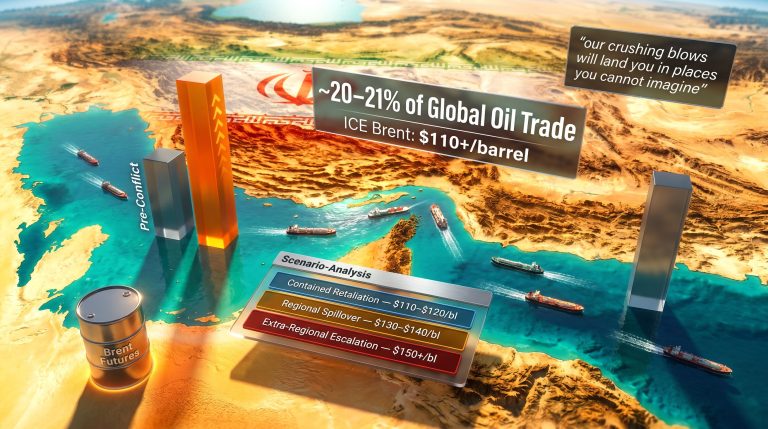
Global energy markets operate within an intricate web of supply chains, strategic chokepoints, and geopolitical dependencies that can shift dramatically when regional tensions escalate. The israel-iran war has demonstrated how quickly regional conflicts can create ripple effects throughout international energy systems, affecting everything from transportation fuel costs to industrial production schedules across continents.
Energy security has evolved beyond simple supply and demand mechanics to encompass sophisticated risk management strategies that account for political instability, infrastructure vulnerability, and supply chain diversification. This transformation reflects a fundamental recognition that energy independence and resilience require both technological innovation and strategic planning that extends far beyond traditional market forces.
When big ASX news breaks, our subscribers know first
Energy Chokepoint Economics and Strategic Vulnerabilities
The global energy system relies heavily on several critical maritime passages that function as strategic chokepoints, where relatively narrow waterways carry disproportionate volumes of international energy trade. These geographic bottlenecks create systemic vulnerabilities that energy markets continuously price into commodity futures and long-term supply contracts.
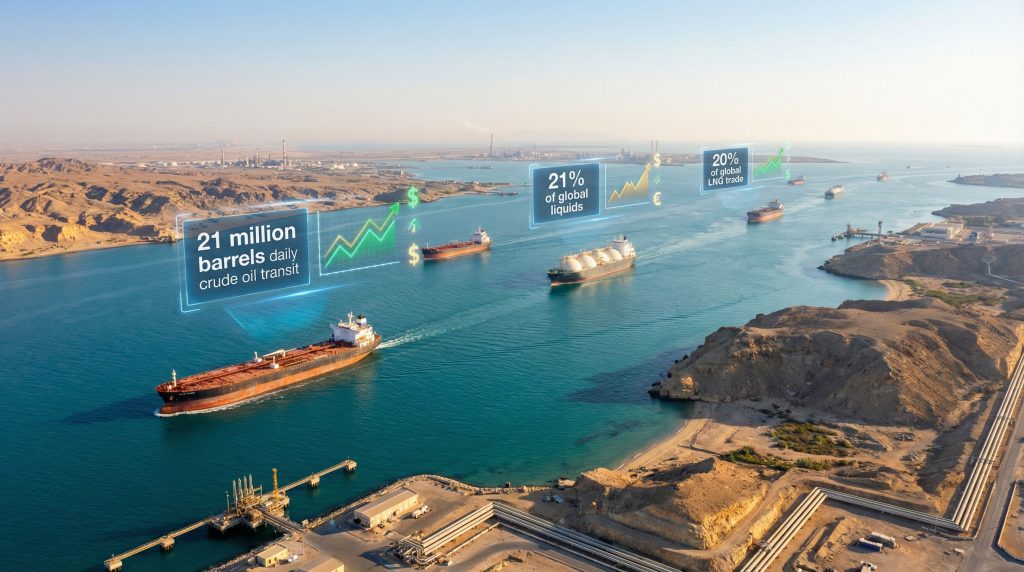
The Strait of Hormuz exemplifies this dynamic, serving as a critical gateway for energy exports from the Persian Gulf region. According to the U.S. Energy Information Administration, this waterway handles approximately 21% of global petroleum liquids transit, making it one of the world's most strategically important energy corridors.
Furthermore, the Iran-Israel war has highlighted the vulnerability of these critical maritime chokepoints, demonstrating how regional conflicts can threaten global energy security.
Maritime Transit Vulnerability Analysis
Key Strategic Waterways and Energy Flow:
- Strait of Hormuz: Approximately 21 million barrels per day of crude oil and refined products
- Suez Canal: Roughly 5.5 million barrels per day of crude oil and petroleum products
- Strait of Malacca: About 15.6 million barrels per day, primarily serving Asian markets
- Turkish Straits: Approximately 3 million barrels per day from the Caspian Sea region
The economic mathematics of chokepoint disruption involve complex calculations of alternative routing costs, insurance premiums, and time delays that can quickly transform regional conflicts into global energy market events. Insurance rates for tankers transiting potentially hostile waters can increase by 200-400% during periods of elevated geopolitical tension, costs that ultimately flow through to end consumers.
Alternative Route Economics and Cost Implications
When primary shipping routes face disruption risks, energy companies must evaluate alternative pathways that often involve significant cost penalties and logistical complexity. These alternatives typically include:
Pipeline Diversification Strategies:
- Increased utilisation of existing overland pipeline networks
- Accelerated development of bypass pipeline projects
- Enhanced storage capacity at alternative export terminals
- Strategic inventory positioning in multiple geographic locations
Maritime Route Adjustments:
- Longer shipping distances with higher fuel consumption costs
- Additional port handling fees at alternative loading facilities
- Extended transit times affecting supply chain timing
- Higher vessel charter rates due to increased demand for alternative routes
Regional Supply Chain Adaptation Mechanisms
Energy importing nations have developed sophisticated contingency planning frameworks that activate during periods of supply uncertainty. These mechanisms involve both immediate tactical responses and longer-term strategic adjustments that can permanently alter global energy trade patterns.
India's energy security strategy illustrates these adaptation mechanisms in practice. The country imports approximately 85% of its crude oil requirements, with significant volumes transiting through potentially vulnerable chokepoints. According to industry analysis, roughly 40% of India's crude oil imports and 55% of its liquefied natural gas supplies pass through strategic waterways that could face disruption during regional conflicts.
Refinery Operational Flexibility and Supply Diversification
Modern refineries possess varying degrees of operational flexibility that determines their ability to process different crude oil grades during supply disruptions. This technical capability becomes economically critical when preferred supply sources face geopolitical risks.
Refinery Adaptation Strategies Include:
- Crude Slate Optimisation: Adjusting refinery configurations to process alternative crude oil grades
- Strategic Inventory Management: Maintaining elevated crude oil stocks during periods of supply uncertainty
- Alternative Supplier Relationships: Developing long-term contracts with geographically diverse producers
- Transportation Route Diversification: Utilising multiple shipping pathways and storage facilities
Indian refiners, for example, have invested heavily in processing flexibility that allows them to handle crude oils from West Africa, the Americas, and other non-Middle Eastern sources when regional supply chains face disruption. This technical capability provides operational resilience that translates into economic stability during geopolitical crises.
Market Psychology and Energy Price Formation
Energy commodity markets exhibit distinct psychological patterns during geopolitical crises that extend beyond fundamental supply and demand calculations. Market participants often incorporate "risk premiums" into pricing that reflect not only current supply disruptions but also the perceived probability of escalation and extended conflict duration.
The OPEC meeting impact demonstrates how coordinated responses can either amplify or moderate these market psychological effects. However, the behavioral economics of energy trading during crisis periods involve several key psychological factors:
Fear-Based Premium Pricing Mechanisms
Energy markets typically price geopolitical risks asymmetrically, with supply disruption fears creating larger price increases than equivalent supply abundance expectations create price decreases.
Psychological Pricing Components:
- Immediate Risk Assessment: Current supply disruption probability
- Escalation Expectations: Market perception of conflict expansion potential
- Duration Assumptions: Expected timeline for resolution or stabilisation
- Precedent Analysis: Historical patterns from similar geopolitical events
Energy market participants often rely on historical precedents to estimate the magnitude and duration of price impacts from geopolitical events. The 2019 attacks on Saudi Aramco facilities, for instance, initially triggered crude oil price increases of approximately 15-20%, though prices moderated relatively quickly as spare production capacity was activated and supply disruptions proved temporary.
Institutional Investment Behaviour During Energy Crises
Large institutional investors, including pension funds, sovereign wealth funds, and commodity trading firms, employ sophisticated risk management strategies that can amplify or moderate energy price volatility during geopolitical crises.
Institutional Response Patterns:
- Portfolio Rebalancing: Shifting allocations toward energy-secure assets
- Hedging Strategy Activation: Increased use of derivative instruments for price protection
- Geographic Diversification: Redirecting investments toward politically stable energy regions
- ESG Integration: Accelerated investment in renewable energy as geopolitical hedge
Renewable Energy Investment Acceleration During Supply Crises
Geopolitical energy supply disruptions create powerful economic incentives for renewable energy investment that extend beyond environmental considerations. Energy security concerns can accelerate clean energy deployment timelines and improve project financing conditions as investors and governments recognise the strategic value of domestically controlled energy sources.
The renewable energy transformation in mining and industrial sectors exemplifies how supply crises can accelerate clean energy adoption. The economics of energy transition acceleration during supply crises involve several interconnected factors:
Capital Allocation Shifts Toward Energy Independence
Investment Flow Redirection Patterns:
| Energy Technology Category | Typical Annual Investment Growth | Crisis-Driven Growth Potential |
|---|---|---|
| Solar Photovoltaic Systems | 15-20% | 25-40% |
| Onshore Wind Development | 12-18% | 20-35% |
| Battery Energy Storage | 30-40% | 45-60% |
| Green Hydrogen Projects | 40-50% | 60-80% |
Energy security considerations can significantly improve the risk-adjusted returns for renewable energy projects by reducing regulatory uncertainty and increasing government support for domestic energy production capabilities. This dynamic creates feedback loops where geopolitical instability accelerates clean energy adoption, potentially reducing long-term dependence on volatile energy imports.
Grid Infrastructure Investment and Energy Resilience
The integration of higher renewable energy percentages requires substantial grid infrastructure investments that provide both climate benefits and energy security advantages. Smart grid technologies, advanced energy storage systems, and demand response capabilities create more resilient energy systems that can better withstand both physical and economic disruptions.
Infrastructure Investment Categories:
- Transmission Network Expansion: Connecting renewable energy resources to population centres
- Distribution Grid Modernisation: Smart grid technologies for improved efficiency and reliability
- Energy Storage Deployment: Battery systems and other storage technologies for supply stability
- Demand Response Systems: Technologies that optimise energy consumption patterns during supply constraints
Economic Sectoral Impact Analysis
The ripple effects of energy supply disruptions extend far beyond energy markets themselves, creating differential impacts across economic sectors based on their energy intensity, supply chain exposure, and ability to pass through cost increases to end consumers.
In addition, the complex relationship between the oil price trade war and regional conflicts further amplifies these sectoral impacts, creating cascading effects throughout the global economy.
Transportation Sector Vulnerabilities and Adaptations
The transportation industry faces particularly acute exposure to energy price volatility due to its heavy reliance on petroleum-based fuels and limited short-term substitution options. Airlines, shipping companies, and ground transportation operators must balance immediate cost management with longer-term strategic planning for energy price stability.
Transportation Industry Response Mechanisms:
- Fuel Hedging Strategies: Financial instruments to manage price volatility exposure
- Route Optimisation: Operational adjustments to minimise fuel consumption
- Fleet Efficiency Improvements: Accelerated adoption of fuel-efficient technologies
- Alternative Fuel Investigation: Evaluation of sustainable aviation fuels, electric vehicles, and other alternatives
Commercial aviation provides a clear example of sector-specific vulnerability. Jet fuel typically represents 20-30% of airline operating costs, meaning that sustained crude oil price increases can quickly erode profitability margins and force operational adjustments including route cancellations and capacity reductions.
Manufacturing Sector Energy Cost Management
Energy-intensive manufacturing industries, including steel production, aluminium smelting, chemical processing, and cement manufacturing, face complex decisions about production scheduling, inventory management, and capacity utilisation during periods of elevated energy costs.
Manufacturing Adaptation Strategies:
- Production Scheduling Optimisation: Timing production to minimise energy cost exposure
- Energy Efficiency Investments: Accelerated deployment of energy-saving technologies
- Supply Chain Diversification: Geographic distribution of production facilities
- Product Mix Adjustments: Shifting toward less energy-intensive products during cost spikes
The global steel industry illustrates these dynamics clearly, as steel production requires substantial energy inputs for ore processing and metal refinement. Energy costs can represent 15-25% of total steel production costs, making the industry particularly sensitive to energy price fluctuations and supply security considerations.
The next major ASX story will hit our subscribers first
Strategic Investment Positioning for Energy Market Evolution
Investors navigating energy market transformation during geopolitical instability require sophisticated portfolio strategies that balance immediate volatility management with positioning for longer-term structural changes in global energy systems.
Moreover, understanding the oil rally & tariffs dynamics becomes crucial for informed investment decisions in this volatile environment.
Energy Security Premium Investment Themes
The concept of "energy security premium" reflects market recognition that energy assets with stable, domestically controlled supply chains command higher valuations during periods of geopolitical uncertainty. This premium creates investment opportunities across multiple categories:
Domestic Energy Production Assets:
- Unconventional oil and gas resources in politically stable jurisdictions
- Renewable energy projects with long-term power purchase agreements
- Critical mineral mining operations for battery and clean energy technologies
- Energy infrastructure assets with strategic national importance
Technology-Enabled Energy Independence:
- Advanced energy storage system manufacturers
- Smart grid and energy management software companies
- Electric vehicle charging infrastructure developers
- Green hydrogen production and distribution technologies
Geopolitical Risk Hedging Portfolio Strategies
Sophisticated investors employ multi-layered hedging strategies that provide protection against various geopolitical risk scenarios while maintaining exposure to potential opportunities created by energy market disruption.
Risk Management Approaches:
- Currency Hedging: Protection against exchange rate impacts on energy imports
- Commodity Derivatives: Strategic use of futures and options for price risk management
- Geographic Diversification: Balanced exposure across politically stable regions
- Sector Rotation: Dynamic allocation between energy-intensive and energy-secure industries
Energy market disruptions often create both immediate volatility risks and longer-term structural opportunities, requiring portfolio approaches that can navigate short-term uncertainty while capturing transformation themes.
Long-Term Energy System Transformation
The cumulative impact of recurring geopolitical energy supply disruptions is accelerating fundamental changes in how global energy systems are structured, financed, and operated. These transformations represent more than temporary adjustments to crisis conditions—they constitute permanent shifts toward more resilient, diversified, and technologically advanced energy networks.
Decentralisation and Energy System Resilience
Modern energy system design increasingly emphasises distributed generation, local storage capacity, and demand response capabilities that reduce dependence on large-scale, centralised infrastructure that may be vulnerable to disruption. This decentralisation trend creates both technological opportunities and regulatory challenges.
Decentralisation Technology Categories:
- Distributed Solar Generation: Rooftop and community-scale renewable energy systems
- Microgrids and Local Energy Networks: Self-contained energy systems with grid backup capability
- Vehicle-to-Grid Technologies: Electric vehicles providing grid storage and stability services
- Peer-to-Peer Energy Trading: Digital platforms enabling direct energy transactions between producers and consumers
The economic benefits of energy system decentralisation extend beyond crisis resilience to include improved efficiency, reduced transmission losses, and enhanced competition in energy markets. However, this transition requires substantial investments in new technologies, regulatory frameworks, and market structures.
International Energy Cooperation and Security Alliances
Geopolitical energy supply risks are driving the development of new international cooperation frameworks that combine energy security objectives with climate change mitigation goals. These alliances create both opportunities and competitive challenges for energy companies and investors.
The OPEC global influence continues to shape these emerging cooperation mechanisms, which include:
Emerging Cooperation Mechanisms:
- Strategic Petroleum Reserve Sharing: Coordinated release of emergency oil stocks during supply disruptions
- Renewable Energy Technology Partnerships: Joint development and deployment of clean energy technologies
- Critical Mineral Supply Chain Collaboration: Shared approaches to securing materials for energy transition
- Grid Interconnection Projects: Cross-border electricity transmission for enhanced energy security
The evolution of these cooperation frameworks reflects recognition that energy security in an interconnected world requires collaborative approaches that extend beyond traditional bilateral trade relationships to encompass multilateral strategic partnerships.
Furthermore, comprehensive analysis from the Council on Foreign Relations provides valuable insights into how these geopolitical tensions continue to shape international energy cooperation strategies.
Implications for Future Energy Market Structure
The israel-iran war and similar geopolitical tensions are catalysing changes in global energy markets that will likely persist long after specific conflicts resolve. These structural shifts include new risk assessment methodologies, altered investment criteria, and transformed regulatory approaches that prioritise energy security alongside economic efficiency and environmental objectives.
Energy market participants, from multinational corporations to individual investors, must now operate within frameworks where geopolitical risk assessment becomes central to all energy-related decision making. The integration of security considerations into energy economics represents a fundamental shift from purely market-based optimisation toward more complex multi-objective planning that balances efficiency, resilience, and sustainability.
The ultimate impact of current geopolitical tensions, including the ongoing israel-iran war, may be the acceleration of a more diversified, technologically advanced, and resilient global energy system. This transformation creates both challenges and opportunities across the energy value chain, requiring sophisticated strategies that can navigate immediate disruptions while positioning for long-term structural changes in how the world produces, transports, and consumes energy.
This analysis is based on publicly available information and historical market patterns. Energy markets are subject to rapid changes due to geopolitical developments, technological advances, and regulatory changes. Investors should conduct their own research and consider consulting with qualified professionals before making investment decisions.
Looking to Capitalise on Energy Market Volatility?
Discovery Alert's proprietary Discovery IQ model delivers real-time alerts on significant ASX mineral discoveries, including critical energy minerals and commodities that drive geopolitical energy security. As global energy markets evolve and create new investment opportunities, subscribers receive immediate notifications about actionable trading prospects that could benefit from the ongoing energy transformation. Begin your 14-day free trial today to gain a market-leading advantage during these dynamic energy market conditions.