July 15, 2026
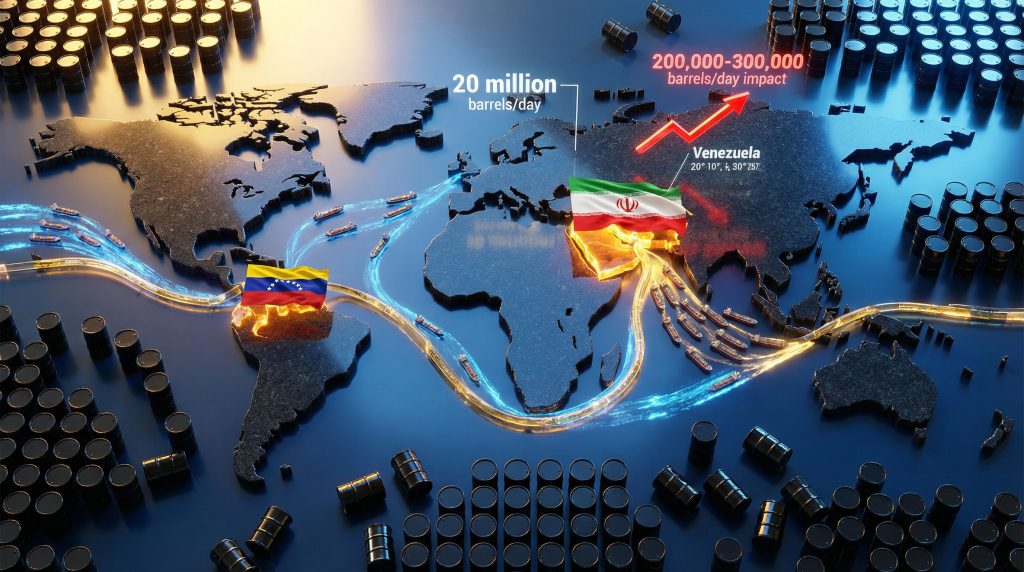
Global energy markets face unprecedented structural pressures as traditional supply frameworks encounter mounting stress from geopolitical realignments and economic sanctions. The complex interdependencies between major petroleum producers create cascading effects that extend far beyond conventional supply-demand calculations. Furthermore, supply disruptions in Iran and Venezuela illuminate fundamental vulnerabilities in the international energy architecture, particularly when examining how concentrated production sources intersect with evolving enforcement mechanisms and regional power balances.
Understanding Current Energy Market Volatility Patterns
The petroleum sector operates within increasingly constrained parameters as geopolitical tensions reshape traditional trading relationships. Recent production data reveals significant month-over-month fluctuations that demonstrate the fragility of current supply chains. OPEC crude production reached 28.40 million barrels per day in December 2025, representing a 100,000 bpd decline from November 2025, according to oil market analysis.
This reduction occurred despite OPEC+ agreements targeting production increases, highlighting the disconnect between policy intentions and operational realities. The eight-member OPEC+ agreement covering December output targeted increases from five OPEC members – Algeria, Iraq, Kuwait, Saudi Arabia, and the UAE – of 85,000 bpd before compensation cuts. However, actual increases achieved only 20,000 bpd, representing merely 23.5% of the planned expansion.
Strategic Chokepoint Dependencies
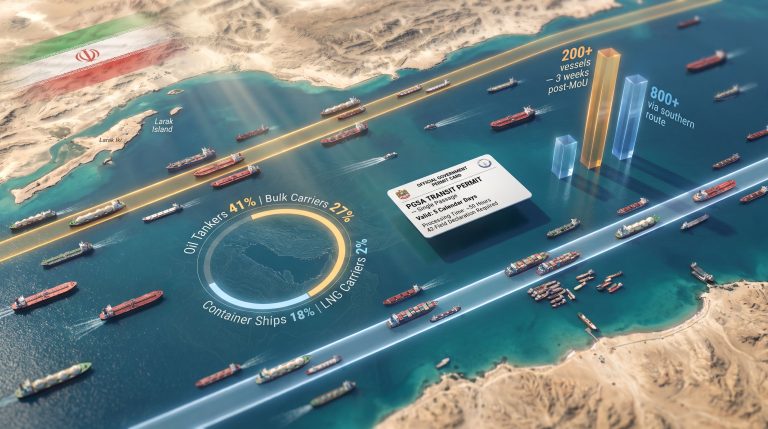
Contemporary energy security concerns centre on critical transit routes and specialised production capabilities that cannot be rapidly substituted. The Strait of Hormuz facilitates approximately 20 million barrels per day of global oil transit, representing roughly 20-21% of seaborne traded petroleum. This geographic constraint creates systemic vulnerabilities that extend beyond individual producer capabilities.
Market analysis reveals that many OPEC+ members currently operate near capacity limits, with some nations tasked with compensation cuts to offset earlier overproduction. This capacity constraint fundamentally limits supply substitution mechanisms during disruption periods. Reuters survey methodology, combining LSEG financial group flow data, third-party tracking firms like Kpler, and direct industry sources, demonstrates the complexity of accurately tracking real-time supply flows versus theoretical production capacity.
When big ASX news breaks, our subscribers know first
Iran's Production Constraints and Economic Pressures
Iranian crude supply experienced a 100,000 bpd decline during December 2025, contributing significantly to overall OPEC production shortfalls. The timing coincides with enhanced U.S. sanctions measures announced in December, targeting Iran's oil exports in connection with nuclear programme concerns. Consequently, these sanctions create compounding effects beyond direct production impacts.
Sanctions Architecture and Operational Impacts
The current sanctions framework operates through multiple enforcement mechanisms that affect both production and distribution capabilities. Secondary sanctions threaten international trading partners, whilst shipping and insurance restrictions multiply operational costs for sanctioned crude transport. Shadow fleet operations emerge as responses to these constraints, though enforcement challenges persist.
Tanker tracking sources indicate that Iranian export volumes vary significantly month-to-month as vessels complete delivery cycles. This suggests that production declines reflect both sanctioned trade constraints and logistical complications rather than exclusively upstream production failures.
Currency instability compounds these operational challenges, though specific inflation and exchange rate data for January 2026 remains difficult to verify from independent sources. The interaction between sanctions pressure and domestic economic instability creates feedback loops that affect industrial input procurement and traditional trading network functionality.
Venezuelan Supply Chain Disruptions
Venezuelan production dynamics demonstrate how external enforcement actions interact with existing operational constraints. December 2025 crude and condensate production reached 1.1 million bpd, but Energy Aspects forecasts indicate potential decline to 950,000 bpd in January 2026, representing a 150,000 bpd reduction or approximately 13.6% month-over-month decline.
U.S. Blockade Implementation Effects
The implementation of U.S. blockade measures beginning in December 2025 initially showed limited immediate production impact. Energy Aspects analysis noted no meaningful production changes for most of December, suggesting that early blockade phases focused on shipping route interdiction rather than upstream production disruption.
However, the January 2026 production forecast decline indicates emerging supply constraints as enforcement measures intensify. This pattern suggests that blockade impacts manifest through buyer withdrawal patterns and storage capacity constraints rather than immediate production facility shutdowns.
Venezuelan heavy crude characteristics require specialised processing capabilities and diluent supply chains. With API gravity typically ranging from 8-15°, these crudes need dilution with lighter hydrocarbons (condensates, bitumen diluents, or synthetic crude) for effective pipeline transport and refinery processing. Supply chain interruptions for diluents create downstream processing bottlenecks even when crude production persists.
Chinese Refiner Exposure Analysis
Venezuelan crude exports primarily serve Asian refiners, particularly Chinese independent "teapot" refineries that lack long-term supply contracts and rely on spot market procurement. The forecasted 150,000 bpd decline from December to January represents meaningful supply disruption for these refinery complexes, which have specialised configurations for processing heavy crude grades.
In addition, the concentration of these refiners around specific supply sources creates vulnerability when multiple suppliers face simultaneous constraints. This dependency relationship becomes particularly critical when examining supply disruptions in Iran and Venezuela, as both sources serve similar market segments within China's independent refining sector.
OPEC+ Production Flexibility Constraints
The December 2025 production data reveals fundamental limitations in OPEC+'s ability to respond to supply disruptions through increased output. Despite agreements for production increases, actual capacity utilisation demonstrates that many members operate close to technical maximums, severely constraining supply substitution capabilities.
Capacity Utilisation Versus Quota Systems
Critical discrepancies exist between OPEC reporting and independent estimates of actual production levels. Furthermore, whilst Reuters survey data and OPEC's secondary sources indicate members pump close to established quotas, alternative estimates, including those from the International Energy Agency, suggest significantly higher volumes.
This discrepancy proves crucial for understanding market response mechanisms. If OPEC members already produce above stated quotas, additional production capacity for offsetting Iran-Venezuela disruptions becomes severely limited. This contradicts conventional supply-response assumptions embedded in many market models.
Key Production Constraints:
- Iraq and UAE compensation cuts: 135,000 bpd to offset earlier overproduction
- Actual OPEC+ increase achievement: 20,000 bpd of planned 85,000 bpd (76.5% shortfall)
- Overall OPEC production decline: 100,000 bpd despite increase agreements
Strategic Petroleum Reserve Deployment Scenarios
Government-controlled strategic reserves represent primary mechanisms for addressing supply shortfalls during disruption periods. However, reserve deployment effectiveness depends on storage capacity, current inventory levels, and coordination mechanisms between major consuming nations.
Historical precedent suggests that reserve releases provide temporary price stabilisation rather than long-term supply security solutions. The interaction between reserve deployment timing and market psychology often proves as significant as actual volume impacts on price discovery mechanisms.
Chinese Strategic Energy Recalibration
China's energy security strategy faces particular challenges from simultaneous supply disruptions in Iran and Venezuela, two sources that serve specialised refinery configurations within China's independent refining sector. Chinese "teapot" refineries demonstrate operational flexibility in crude sourcing but face constraints from sanctioned crude procurement restrictions and heavy crude processing requirements.
Independent Refiner Adaptation Challenges
The operational flexibility of Chinese independent refiners becomes constrained when multiple supply sources face simultaneous disruption. Iranian supply faces U.S. secondary sanctions threats, whilst Venezuelan supply confronts blockade-related shipping difficulties. This dual constraint forces refiners toward alternative sourcing that may require operational modifications or reduced utilisation rates.
Energy Aspects analysis tracking Chinese independent refiner dependency on Venezuelan supplies indicates that the forecasted production declines create meaningful constraints for refineries that lack diversified supply portfolios. The concentration of heavy crude processing capabilities within specific refinery configurations limits substitution options.
Belt and Road Energy Security Implications
China's Belt and Road Initiative includes energy security components designed to diversify supply sources and transportation routes. However, current disruptions in Iran and Venezuela test the resilience of these alternative networks, particularly pipeline routes through Central Asia and deepened energy partnerships with Russia.
The effectiveness of sanctions-evasion networks becomes critical for maintaining energy flows within Belt and Road frameworks when traditional maritime routes face interdiction. These alternative supply mechanisms require different financial structures and transportation logistics that may prove less efficient than conventional trade patterns.
Regional Economic Spillover Effects
Supply disruptions in Iran and Venezuela create cascading effects throughout regional economies and allied energy systems. Middle Eastern energy coordination mechanisms face stress as Gulf Cooperation Council nations adjust export patterns to compensate for reduced Iranian supplies. Similarly, Latin American energy integration systems adapt to Venezuelan production constraints.
Middle East Energy Coordination Responses
Gulf producers face increased pressure to maximise output within OPEC+ quota frameworks whilst managing their own capacity constraints. The significance of Saudi exploration licenses becomes evident as regional suppliers seek to expand production capabilities to offset supply shortfalls from sanctioned producers.
Regional shipping insurance costs escalate as maritime security concerns intensify around critical transit routes, particularly affecting smaller producers with limited alternative export pathways. Port capacity reallocation becomes necessary as shipping patterns adjust to avoid sanctioned or blockaded routes. These operational adjustments create congestion at alternative facilities and require infrastructure investments to maintain throughput capabilities.
Latin American Energy Integration Adaptations
Colombian and Ecuadorian producers may benefit from Venezuelan supply constraints through increased market share opportunities. However, regional refinery capacity utilisation faces stress as Venezuelan heavy crude becomes less available for processing. Brazilian heavy crude export opportunities expand, but domestic refinery configurations may require modifications to process different crude grades effectively.
Regional energy security cooperation mechanisms gain importance as traditional intra-regional trade patterns face disruption. These cooperation frameworks require enhanced coordination mechanisms and potentially new financial structures to maintain energy flows during enforcement actions against major regional producers.
The next major ASX story will hit our subscribers first
Investment and Risk Management Strategies
Corporate energy strategies require fundamental recalibration to address heightened supply chain vulnerabilities and geopolitical enforcement risks. Traditional hedging mechanisms prove insufficient when multiple major suppliers face simultaneous constraints, requiring enhanced risk management frameworks and operational flexibility investments.
Supply Chain Diversification Imperatives
Energy-intensive industries face pressure to develop supplier diversification strategies that account for geopolitical risk factors beyond conventional price and quality considerations. Long-term contract structures may require force majeure clause evolution to address sanctions and blockade scenarios that affect counterparty performance capabilities.
Operational contingency planning becomes critical for industries dependent on specific crude grades or processing configurations. Companies with heavy crude dependencies, particularly those serving Asian markets, require alternative sourcing strategies and potentially facility modifications to maintain operational flexibility.
Does Energy Transition Acceleration Address Supply Risks?
Supply disruptions in Iran and Venezuela may accelerate energy transition investments as companies seek to reduce exposure to geopolitical supply volatility. Renewable energy deployment gains strategic importance beyond environmental considerations, offering supply security benefits through domestic energy generation capabilities.
However, energy transition challenges demonstrate that transitioning away from conventional hydrocarbon dependencies requires substantial infrastructure investments and time. Energy storage deployment priorities shift toward grid resilience applications that can maintain operations during supply disruptions. Critical mineral supply chain security becomes increasingly important as energy transition technologies require reliable materials flows for manufacturing and deployment.
Market Structure Transformation Dynamics
Current disruptions illustrate fundamental shifts in global energy market structures, moving away from integrated global systems toward regional blocs with distinct trading patterns and financial mechanisms. Spot market versus long-term contract balancing requires recalibration as traditional supply relationships face enforcement pressures.
Energy Trading Hub Geographical Shifts
Asian energy trading hubs gain importance as Middle Eastern and Latin American supply sources face Western enforcement actions. Singapore, Tokyo, and Shanghai petroleum trading centres may capture market share from traditional Atlantic Basin hubs as trade flows redirect toward sanctions-compliant routes.
Financial market risk management evolution requires new instruments and structures to address geopolitical risk factors that traditional commodity hedging cannot fully capture. The implementation of US economic tariffs adds complexity to international energy transactions, creating additional cost structures and payment mechanism constraints.
Commodity Financing Adaptations
Trade credit and financing structures adapt to accommodate sanctions compliance requirements and alternative payment systems. Letters of credit and documentary collection mechanisms may require modifications when traditional banking relationships face secondary sanctions risks.
Insurance market capacity faces stress during disruption scenarios as underwriters reassess risk exposure for energy infrastructure and transportation. Specialised coverage for sanctions compliance and geopolitical risk becomes increasingly important for energy sector operations.
Long-term Energy Security Planning
National energy security strategies require comprehensive reassessment to address the intersection of geopolitical enforcement actions with supply chain vulnerabilities. Strategic reserve adequacy assessments must account for multiple simultaneous supply sources facing disruption, requiring enhanced storage capacity and coordination mechanisms.
Infrastructure Resilience Investment Priorities
Energy infrastructure hardening investments gain priority as critical facilities face potential targeting during geopolitical tensions. Port facilities, refineries, and pipeline systems require enhanced security measures and redundant capacity to maintain operations during disruption periods.
International cooperation framework strengthening becomes essential for coordinating emergency response protocols and supply sharing mechanisms. Multilateral energy security initiatives require enhanced information sharing and joint contingency planning to address complex disruption scenarios effectively.
How Do Trade Policies Affect Energy Security?
Trump tariff implications extend beyond traditional trade relationships into energy security considerations. The intersection of trade policy with energy market dynamics creates additional complexity for supply chain management and international cooperation frameworks.
Current emergency response protocols require updates to address scenarios involving multiple simultaneous supply disruptions combined with enforcement actions that limit traditional response mechanisms. Government coordination with private sector energy companies needs enhanced frameworks for rapid information sharing and response coordination.
Price stabilisation mechanisms may require recalibration when traditional supply response capabilities face constraints. Strategic petroleum reserve coordination between major consuming nations becomes critical for maintaining market stability during extended disruption periods.
Market Price Dynamics and Trading Implications
The intersection of geopolitical enforcement actions with existing supply constraints creates complex price discovery mechanisms that traditional market models struggle to capture. Oil price trade war dynamics demonstrate how enforcement actions can amplify price volatility beyond conventional supply-demand fundamentals.
Spot market pricing reflects not only physical supply availability but also sanctions compliance risks and transportation constraints. According to recent energy market reports, crude price movements increasingly incorporate geopolitical risk premiums that reflect supply chain vulnerability assessments rather than immediate shortage concerns.
Contract pricing mechanisms require adaptation to address force majeure scenarios that extend beyond traditional commercial risks. Long-term agreements may need enhanced flexibility clauses that account for sanctions implementation and enforcement escalation patterns that affect counterparty performance capabilities.
Disclaimer: This analysis is based on publicly available information and industry reports as of January 2026. Energy market conditions and geopolitical situations evolve rapidly, and readers should consult current sources for the most up-to-date information. Projections and forecasts mentioned are subject to significant uncertainty and should not be used as the sole basis for investment or operational decisions.
Want to Profit From Energy Market Disruptions?
Discovery Alert's proprietary Discovery IQ model delivers instant notifications on significant ASX mineral discoveries, helping investors capitalise on supply disruption opportunities whilst oil markets face unprecedented volatility. Explore why major mineral discoveries can generate exceptional returns by visiting Discovery Alert's discoveries page, then start your 30-day free trial to secure your market-leading advantage ahead of the crowd.