July 19, 2026
Global energy markets are experiencing unprecedented turbulence as a major geopolitical crisis fundamentally reshapes commodity trading patterns and investment strategies worldwide. The closure of one of the world's most critical maritime chokepoints has triggered cascading effects across multiple economic sectors, forcing investors and policymakers to recalibrate their risk assessment frameworks.
This systemic disruption has exposed the vulnerability of interconnected global supply chains whilst highlighting the economic incentives driving diplomatic resolution efforts. Understanding these complex market dynamics becomes essential for navigating an increasingly volatile investment landscape, particularly as talks to end Iran war gain momentum.
Regional Economic Pressures and Stakeholder Motivations
The economic toll of prolonged conflict has created powerful incentives for regional stakeholders to pursue diplomatic solutions. Gulf Cooperation Council economies, heavily dependent on energy revenue streams, face mounting fiscal pressures as traditional export routes remain disrupted.
Qatar has issued stark warnings about potential major economic downturns if conflicts remain unresolved, highlighting the interconnected nature of Middle Eastern economies where energy revenue feeds government budgets, development projects, and regional investment programmes. Furthermore, this situation is exacerbating US–China trade war impact on global supply chains.
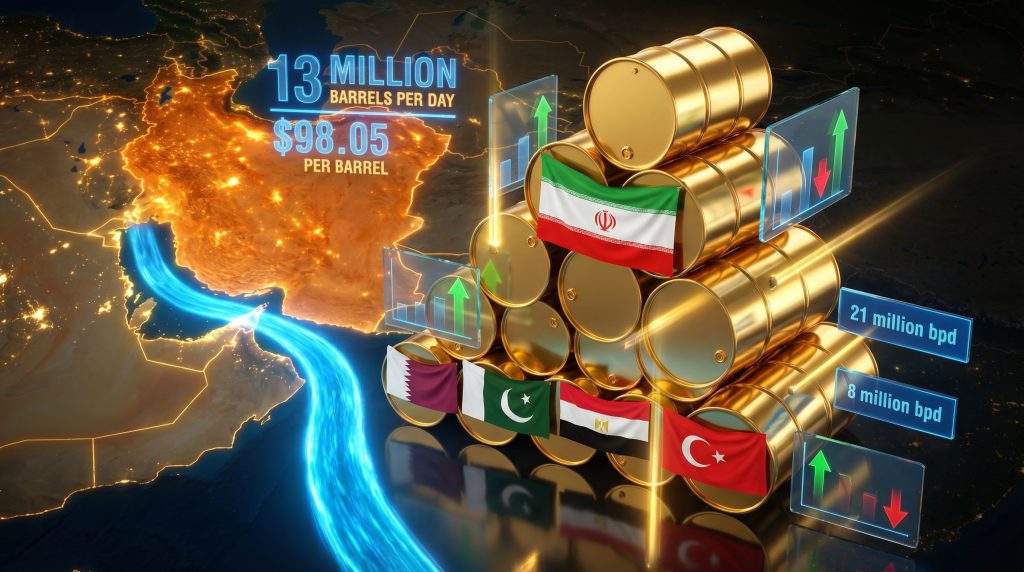
The disruption affects approximately 13 million barrels per day of oil flow, representing roughly one-fifth of global supply according to ING analysts. This massive reduction in available crude has forced oil-importing nations to seek alternative suppliers whilst depleting strategic petroleum reserves.
Infrastructure and Investment Implications
Major infrastructure projects across the region have been placed on hold pending resolution of security concerns. Capital allocation decisions remain suspended as investors await clarity on long-term stability prospects.
The impact extends beyond immediate energy concerns to encompass:
• Regional real estate and construction sectors
• Tourism and hospitality industries
• Shipping and logistics networks
• Technology companies with regional operations
When big ASX news breaks, our subscribers know first
Market Psychology and Diplomatic Signals
Energy markets demonstrate extreme sensitivity to diplomatic developments, with recent oil price movements reflecting investor sentiment around potential conflict resolution. When negotiations gain momentum, crude futures respond immediately with downward pressure.
Brent crude futures declined 1.35% to $98.05 per barrel, while WTI crude fell 1.74% to $93.40 per barrel during early trading sessions following optimistic diplomatic signals. These movements illustrate how market psychology closely tracks negotiation progress, with investors pricing in potential supply restoration before actual agreement terms are finalised.
The mention of nuclear weapons negotiations represents a key psychological trigger that markets monitor as a potential dealmaker. Oil prices had previously climbed 50% during March in a record run, demonstrating the magnitude of market volatility during periods of heightened geopolitical tension.
Supply Chain Restoration Scenarios
Market analysts project various scenarios for supply normalisation, depending on the speed and comprehensiveness of any diplomatic resolution. Moreover, the situation affects broader commodity market volatility patterns globally.
Short-term Recovery (0-3 months):
• Immediate price volatility reduction upon ceasefire agreements
• Partial reopening of shipping lanes
• Emergency reserve releases by importing nations
Medium-term Stabilisation (3-12 months):
• Supply chain normalisation and infrastructure repair
• Restoration of normal oil flow patterns
• Investment confidence beginning to return
Long-term Integration (1-3 years):
• Regional economic integration programmes
• Infrastructure rebuilding and modernisation
• Full investment confidence restoration
Diplomatic Framework Economics
Current negotiation structures involve multiple mediating parties, each bringing unique economic perspectives to resolution frameworks. The involvement of Pakistan, Egypt, and Turkey suggests a comprehensive approach to addressing both security and economic dimensions of the conflict.
Negotiators have scaled back expectations for comprehensive peace deals, instead seeking temporary memoranda to prevent returns to conflict. This pragmatic approach prioritises immediate supply restoration over long-term political settlement, representing an economic-driven timeline rather than a political one.
President Trump's statement that the U.S. and Iran may be very close to making a deal signals potential breakthrough moments that markets interpret as positive signals for energy supply restoration, as reported by Politico's analysis of the situation.
Economic Incentives and Compensation Mechanisms
The shift toward temporary agreements reflects recognition that economic restoration can proceed independently of comprehensive political resolution. This framework allows for:
• Immediate shipping lane reopening
• Infrastructure damage assessment and repair planning
• Economic compensation structures for affected parties
• Regional security guarantee mechanisms
Broader Commodity Market Implications
The conflict's impact extends far beyond crude oil to affect multiple commodity sectors. Gold prices have shown sensitivity to geopolitical developments, whilst agricultural commodities face transportation challenges through affected shipping routes.
Additionally, these disruptions are amplifying existing concerns about tariffs and investment impact on global trade flows.
Agricultural and Precious Metals Impact
Agricultural products requiring time-sensitive delivery face significant cost increases due to shipping route diversions. The closure has forced maritime traffic to navigate around the Cape of Good Hope, adding approximately 6,000-7,000 nautical miles to typical voyages.
This routing change increases costs through:
• Additional fuel consumption
• Extended crew time requirements
• Higher insurance premiums for war risk coverage
• Longer delivery schedules affecting perishable goods
Currency Market Dynamics
Regional currencies and international exchange rates have experienced volatility correlating with conflict developments. Resolution scenarios could trigger significant currency rebalancing as trade flows normalise.
The Iranian Rial has faced particular pressure, whilst Gulf state currencies typically pegged to the U.S. dollar have maintained relative stability despite underlying economic pressures.
Investment Strategy Adaptations
Institutional investors are developing sophisticated models to evaluate scenarios ranging from temporary ceasefires to comprehensive peace agreements. These frameworks consider multiple variables including duration and scope of agreements, verification mechanisms, and regional security guarantees.
Risk Assessment Framework Components
Modern investment strategies incorporate dynamic allocation approaches that can respond rapidly to diplomatic developments. However, the broader context of tariff economic implications adds complexity to investment planning.
Hedging Strategies:
• Energy price volatility protection
• Currency hedging for Middle East-exposed positions
• Commodity futures positioning
Sector-Specific Exposure Management:
| High Impact Sectors | Moderate Impact Sectors |
|---|---|
| Energy production and transportation | Global manufacturing with MENA supply chains |
| Shipping and logistics | Financial services with regional exposure |
| Regional real estate and construction | Technology companies with regional operations |
| Tourism and hospitality | Agricultural commodities trading |
Portfolio Positioning for Resolution Scenarios
Investment professionals are implementing strategies that balance potential upside from conflict resolution against continued volatility risks. This includes careful evaluation of:
• Regional equity exposure adjustments
• Infrastructure security and reliability assessments
• Supply chain resilience evaluations
• Political risk insurance availability
Historical Recovery Pattern Analysis
Economic modelling based on previous Middle Eastern conflict resolutions suggests recovery patterns typically follow predictable phases. Historical precedents indicate that markets respond quickly to credible diplomatic breakthroughs, with initial price corrections occurring within days of ceasefire announcements.
Recovery Timeline Expectations
Immediate Relief Phase (0-6 months):
Price normalisation begins with credible diplomatic progress, though full supply restoration requires infrastructure assessment and repair coordination.
Reconstruction Phase (6-24 months):
Infrastructure rebuilding commences alongside investment resumption as confidence in long-term stability improves.
Growth Phase (2-5 years):
Economic expansion and regional integration programmes emerge, supported by normalised trade relationships and investment flows.
The next major ASX story will hit our subscribers first
Macroeconomic Modelling Considerations
Economic forecasting models must account for numerous variables when projecting post-conflict recovery scenarios. These include speed of infrastructure restoration, sanctions relief timelines, regional cooperation frameworks, and global economic conditions during the recovery period.
The complexity of modern supply chains means that even successful diplomatic resolutions require time for full economic normalisation. Investors must balance optimism about potential agreements against realistic timelines for operational restoration.
Key Economic Indicators to Monitor
Short-term Metrics:
• Daily oil production and shipping volumes
• Freight rate indices and insurance premiums
• Currency volatility measures
• Commodity futures positioning data
Medium-term Indicators:
• Regional GDP growth rates
• Foreign direct investment flows
• Infrastructure project restart announcements
• Trade relationship normalisation progress
Strategic Investment Considerations
The current environment presents both significant risks and substantial opportunities for investors capable of navigating geopolitical uncertainty. Successful strategies require comprehensive due diligence that incorporates political risk assessment alongside traditional financial analysis.
Regional investments must be evaluated based on regulatory stability prospects post-conflict, infrastructure security reliability, and supply chain resilience capabilities. The availability of political risk insurance becomes increasingly important for major capital commitments in affected regions.
Due Diligence Framework Evolution
Investment decision-making increasingly incorporates geopolitical risk assessment with particular attention to:
• Post-conflict regulatory environment stability
• Infrastructure security and operational reliability
• Supply chain resilience and alternative routing capabilities
• Local partnership and risk-sharing opportunities
What Are the Implications for Global Economic Stability?
The potential resolution of talks to end Iran war represents a critical juncture for global economic stability. Recent diplomatic developments, as reported by Al Jazeera's live coverage, suggest that ceasefire agreements may begin to materialise.
Furthermore, the interconnected nature of modern economies means that resolution in one region can have cascading positive effects across multiple sectors and geographical areas. Consequently, investors are closely monitoring developments while preparing for various potential scenarios.
The economic implications of potential talks to end Iran war extend far beyond immediate energy market impacts, encompassing comprehensive regional economic transformation and global commodity market rebalancing. Understanding these multifaceted implications remains crucial for investors, policymakers, and business leaders navigating an increasingly interconnected global economy.
This analysis is based on publicly available information and should not be considered as investment advice. Geopolitical situations can change rapidly, and investors should conduct their own research and consult with financial professionals before making investment decisions.
Ready to Navigate Geopolitical Market Volatility?
Discovery Alert's proprietary Discovery IQ model delivers instant notifications on significant ASX mineral discoveries, empowering subscribers to identify actionable opportunities when global market volatility creates compelling entry points for resource investments. Begin your 14-day free trial today to position yourself ahead of market shifts and capitalise on discovery-driven opportunities in an increasingly uncertain investment landscape.