May 14, 2026

Global energy markets face unprecedented volatility as traditional supply chains encounter systematic disruption. Maritime chokepoints that handle critical portions of worldwide petroleum flows create cascading vulnerabilities across interconnected economies. When strategic waterways become contested territories, the resulting supply constraints force rapid adaptation across multiple sectors simultaneously, with Iran assurance on Strait of Hormuz becoming a critical diplomatic priority.
Understanding Maritime Energy Security Architecture
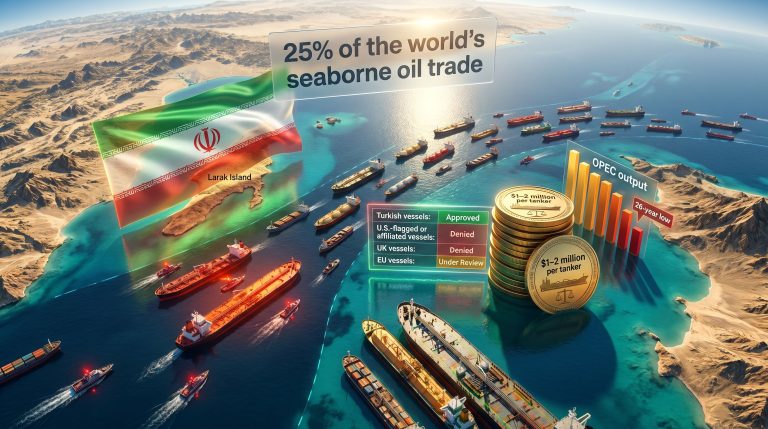
The Strait of Hormuz represents a critical nexus in global energy infrastructure, facilitating approximately 20% of worldwide petroleum transit. This narrow waterway connects the Persian Gulf to international shipping lanes, creating a geographic bottleneck that influences pricing mechanisms across multiple commodity markets.
Iran's strategic positioning at this chokepoint provides significant leverage in regional geopolitical negotiations. Recent maritime incidents have highlighted the vulnerability of commercial vessels traversing these contested waters, with Iranian forces reportedly targeting bulk oil carriers destined for major importing nations.
The escalation timeline reveals accelerating tensions that move beyond diplomatic discourse into active maritime interference. Commercial shipping companies now factor war risk premiums into their operational calculations, fundamentally altering cost structures throughout the supply chain.
Economic Warfare Through Supply Disruption
Oil price volatility mechanisms respond dramatically to strait closure scenarios, with Brent crude spikes over $100 as Iranian strikes target commercial shipping vessels. Market analysts project potential increases toward $200 per barrel during sustained blockade conditions.
These price movements reflect not only immediate supply constraints but also speculative positioning by commodity traders anticipating prolonged disruptions. Furthermore, the OPEC production impact adds another layer of complexity to global energy markets.
Global supply chain vulnerabilities extend far beyond petroleum markets, affecting:
- Manufacturing sectors dependent on petrochemical feedstocks
- Transportation networks requiring consistent fuel availability
- Agricultural systems relying on energy-intensive fertilizer production
- Electricity generation in regions dependent on imported natural gas
Strategic petroleum reserve dynamics become critical during extended crisis periods. The International Energy Agency's emergency release protocols can provide temporary market stabilization, though these reserves represent finite resources with limited sustained capacity for long-term supply replacement.
Regional Energy Import Dependencies and Adaptation Strategies
How is India Addressing Energy Vulnerability?
India's energy security framework faces severe testing during Strait of Hormuz disruptions, given the nation's substantial reliance on Middle Eastern crude imports. The country imports approximately 85% of its petroleum requirements, with significant portions transiting through this contested waterway.
Alternative route assessments reveal limited short-term options for Indian importers. The Cape of Good Hope route adds approximately 2,000 nautical miles to journey distances, increasing transportation costs by an estimated 15-20% while extending delivery timeframes substantially.
Pipeline project evaluations focus on overland alternatives that bypass maritime chokepoints entirely. The proposed International North-South Transport Corridor could provide alternative energy access, though infrastructure development timelines extend across multiple years.
Recent diplomatic communications between Indian and Iranian officials specifically address shipping passage guarantees. Government sources indicate that reports of Iran allowing Indian ships through the Strait of Hormuz remain premature, reflecting the urgency of maintaining energy flow continuity for India's industrial sectors.
China's Bilateral Negotiation Framework
China's approach emphasizes direct diplomatic engagement to secure preferential treatment for Chinese-flagged vessels. Reports indicate ongoing discussions regarding safe passage arrangements that could exempt Chinese tankers from general transit restrictions.
Belt and Road Initiative implications extend beyond immediate crisis management, as Hormuz closure scenarios reinforce the strategic value of overland energy corridors. Chinese investment in Central Asian pipeline networks gains additional strategic significance during maritime disruption periods.
Economic leverage dynamics position China as a potential mediator while simultaneously protecting national energy interests. The country's substantial trade relationships with Iran create unique diplomatic opportunities unavailable to other major energy importers.
European Union's Diversification Acceleration
European energy security strategies emphasise rapid diversification away from Middle Eastern sources during crisis periods. The EU's REPowerEU initiative gains accelerated implementation timelines when traditional supply chains face disruption.
In addition, strategic reserve coordination across member states enables temporary market stabilisation through coordinated releases. The bloc maintains approximately 90 days of net petroleum imports in strategic reserves, though sustained crises require alternative supply procurement.
Alternative supplier negotiations intensify with African and American producers during Middle Eastern supply disruptions. Norwegian offshore production and Algerian pipeline capacity receive enhanced strategic importance in European energy planning frameworks. However, the LNG market implications suggest further complexity in securing alternative energy sources.
Maritime Industry Risk Management Evolution
Insurance Market Transformation Dynamics
War risk premium calculations undergo fundamental restructuring when major shipping lanes become contested territories. Lloyd's of London and other major maritime insurers adjust coverage terms significantly, with war risk premiums increasing by 300-500% for Strait of Hormuz transit.
The US Development Finance Corporation's $20 billion reinsurance program provides federal backstop mechanisms for qualifying commercial vessels. This program addresses market failures where private insurance becomes prohibitively expensive or entirely unavailable.
Insurance market exclusions create operational challenges for shipping companies, as standard coverage may not extend to vessels entering designated high-risk zones. Maritime operators must secure specialised coverage that often includes:
- Enhanced security escort requirements
- Restricted transit window specifications
- Communication protocol mandates
- Emergency evacuation procedure compliance
Shipping Route Optimisation Strategies
Cape of Good Hope alternative routing requires comprehensive operational restructuring for major shipping lines. The additional 3,500 nautical miles around Africa increases fuel consumption by approximately 40% while extending journey times by 10-14 days.
Fleet deployment strategies undergo systematic revision as carriers redistribute vessels to optimise for longer journey requirements. Larger capacity vessels become more economically viable for extended routes, while smaller tankers face deteriorating economics.
Technology solutions focus on enhanced satellite tracking and early warning systems that provide real-time threat assessment capabilities. Advanced maritime security systems include:
- Automated distress beacon activation
- Satellite communication redundancy
- GPS tracking with tamper detection
- Emergency communication protocols with naval authorities
International Naval Escort Coordination
Coalition maritime security frameworks require complex international cooperation to provide commercial vessel protection. Operation Prosperity Guardian and similar multinational naval initiatives attempt to maintain shipping lane security through coordinated patrols.
Operational challenges include logistics coordination across multiple naval forces with varying rules of engagement. Commercial vessel escort requires:
- Standardised communication protocols
- Coordinated timing for convoy formation
- Shared intelligence regarding threat assessments
- Compatible defensive capabilities
Escalation risks increase when military escorts encounter hostile forces, potentially transforming commercial shipping incidents into broader military confrontations. Naval planners must balance commercial protection with conflict de-escalation objectives.
Long-Term Energy Market Transformation Scenarios
Accelerated Energy Transition Dynamics
Supply disruption crises accelerate renewable energy investment as governments and corporations seek energy security through domestic resource development. Solar and wind capacity additions experience accelerated deployment schedules during extended fossil fuel supply constraints.
Strategic mineral supply chains gain critical importance as renewable energy infrastructure requires substantial lithium, cobalt, and rare earth element inputs. These supply chains create new geopolitical dependencies that may replace traditional petroleum import relationships. Consequently, the battery metals landscape becomes increasingly important for energy security planning.
Grid modernisation priorities shift toward resilience capabilities that enable rapid adaptation to supply variability. Battery storage systems and demand response technologies become essential infrastructure during energy transition periods.
Alternative Energy Infrastructure Development
Pipeline project acceleration focuses on overland routes that bypass maritime chokepoints entirely. Trans-Caspian pipeline systems and Arctic energy corridors receive enhanced strategic priority during sustained maritime disruptions.
Liquid natural gas markets undergo structural transformation as LNG provides flexible alternative to crude oil imports. Floating LNG terminals enable rapid deployment of alternative energy infrastructure without requiring extensive onshore development.
Nuclear energy considerations receive renewed attention as governments evaluate energy security benefits of domestic electricity generation. Small modular reactor technologies offer potentially faster deployment timelines compared to traditional nuclear infrastructure.
Regional Energy Hub Evolution
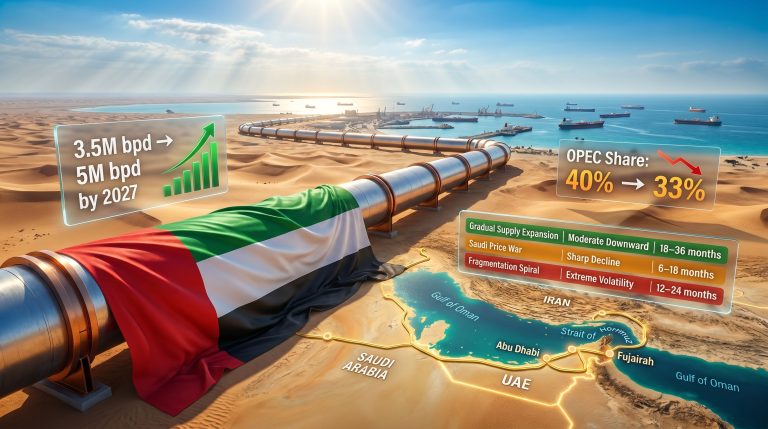
Gulf Cooperation Council responses emphasise regional energy security cooperation to reduce collective vulnerability to single chokepoint disruptions. Intra-regional pipeline networks and shared strategic reserve facilities enhance collective resilience.
African energy corridor development gains strategic importance as alternative supply sources for global markets. West African offshore production and East African LNG projects benefit from supply chain diversification demands.
North American production scaling focuses on shale oil rapid deployment capabilities to address global supply gaps during crisis periods. Enhanced drilling efficiency and accelerated permitting processes enable faster production responses.
Investment Portfolio Positioning for Energy Security Risks
Strategic Asset Allocation Considerations
Energy sector diversification requires balanced exposure across traditional petroleum assets and renewable energy infrastructure. Integrated energy companies with diverse asset bases demonstrate enhanced resilience during supply chain disruptions.
Geographic risk assessment becomes critical for evaluating energy company exposures to specific chokepoint vulnerabilities. Companies with geographically diversified supply chains and multiple transportation route options command valuation premiums during crisis periods. Moreover, understanding Iran assurance on Strait of Hormuz developments becomes essential for portfolio risk management.
Currency hedge considerations protect against oil-driven inflation impacts that affect broader economic sectors. Commodity-linked currencies and inflation-protected securities provide portfolio protection during energy price volatility periods. The tariffs impact markets analysis provides additional insight into currency hedging strategies.
Infrastructure Investment Opportunities
Pipeline development projects offer long-term returns from alternative energy transportation corridors. Midstream infrastructure investments benefit from sustained demand for chokepoint-bypassing transportation systems.
Storage facility expansion creates opportunities in strategic petroleum reserve commercial operations. Underground storage complexes and floating storage vessels gain strategic value during supply uncertainty periods.
Maritime security technology companies develop enhanced vessel protection systems that become essential operational requirements. Satellite communication systems, automated distress beacons, and maritime cybersecurity solutions experience accelerated adoption across commercial fleets.
The current crisis highlights broader challenges, as countries navigate energy transition challenges while maintaining energy security. The Iran assurance on Strait of Hormuz question remains central to global energy stability, requiring sophisticated diplomatic and economic responses across multiple stakeholder groups.
This analysis contains forward-looking statements and scenario projections based on current geopolitical conditions. Energy market dynamics involve substantial uncertainties, and actual outcomes may differ significantly from projected scenarios. Investors should conduct comprehensive due diligence and consider professional advice before making investment decisions based on geopolitical risk assessments.
Want to Capitalise on Energy Market Volatility?
Discovery Alert's proprietary Discovery IQ model delivers real-time notifications on significant ASX mineral discoveries, including critical energy transition metals and strategic commodities that benefit during supply chain disruptions. With geopolitical tensions affecting traditional energy markets, explore Discovery Alert's discoveries page to understand how major mineral finds can generate substantial returns, then begin your 14-day free trial to position yourself ahead of market volatility.