
July 19, 2026
Understanding Energy Security in Today's Global Context
Energy independence has evolved beyond traditional supply-and-demand economics into a complex framework involving geopolitical risk assessment, supply chain diversification, and technological sovereignty. Modern economies face unprecedented challenges in maintaining stable energy access while transitioning toward sustainable alternatives and managing volatile international relationships. China energy security considerations exemplify these contemporary challenges, as major economies navigate between import dependencies and strategic autonomy.
The concept of energy vulnerability extends far beyond simple import statistics. Contemporary analysis requires examining multiple layers of risk, including transportation route dependencies, supplier concentration, strategic reserve adequacy, and the resilience of domestic energy infrastructure against external shocks.
When big ASX news breaks, our subscribers know first
The Strategic Framework of National Energy Independence
Energy independence represents more than achieving domestic production targets. It encompasses the ability to maintain economic stability and social functioning during supply disruptions, regardless of their origin. This framework includes developing redundant supply chains, maintaining adequate strategic reserves, and building flexible energy systems capable of rapid fuel switching.
Critical components of energy security architecture include:
• Supply route diversification across multiple geographic corridors
• Strategic petroleum reserve management with rotating inventory systems
• Alternative fuel capacity enabling rapid transition between energy sources
• Domestic production capabilities in multiple energy sectors
• Grid modernisation supporting distributed energy integration
Measuring Energy Vulnerability: Import Dependency Metrics
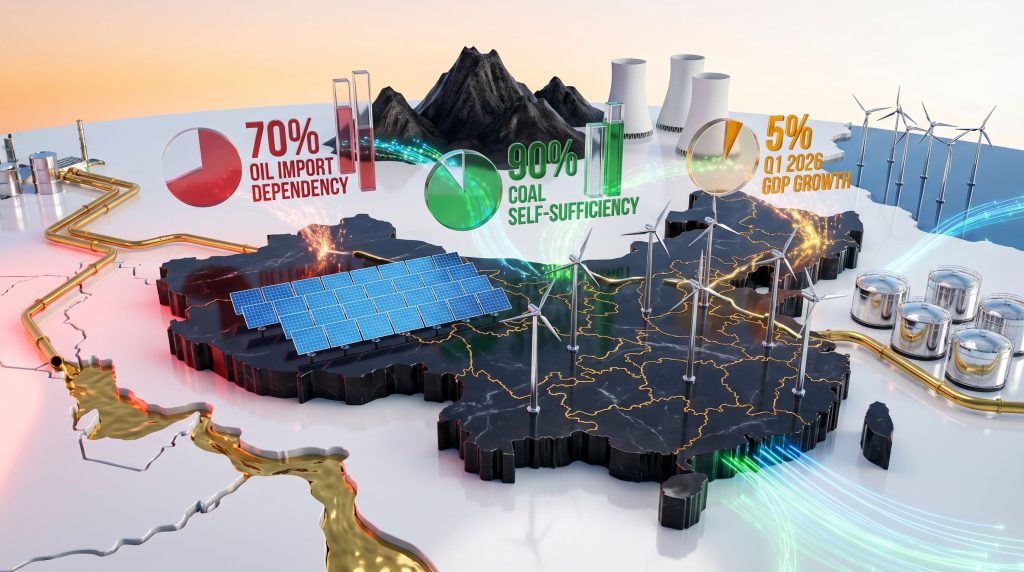
Traditional energy security assessments focus heavily on import dependency ratios, but modern analysis requires more sophisticated metrics. The 70% oil import dependency figure often cited for major economies represents just one dimension of vulnerability assessment.
Advanced vulnerability metrics examine:
• Supplier concentration indices measuring reliance on individual countries
• Transport corridor risk assessment evaluating chokepoint dependencies
• Price volatility exposure calculating economic impact of supply disruptions
• Strategic reserve duration determining crisis response capacity
• Alternative supplier accessibility during emergency scenarios
Economic Resilience Indicators and Supply Chain Stability
Economic resilience during energy crises depends on pre-existing buffer mechanisms and rapid response capabilities. Countries with robust energy security demonstrate consistent economic performance despite external supply shocks, maintaining GDP growth rates through strategic preparation and diversified energy portfolios.
The effectiveness of these systems becomes apparent during actual crisis events, where pre-war stockpiling and alternative supply arrangements can maintain economic stability despite significant disruptions to traditional energy trade routes.
Regional Supply Disruptions and Strategic Calculations
Middle Eastern energy supplies traverse some of the world's most strategically vulnerable transportation corridors. The concentration of global energy flows through specific maritime passages creates systemic risks that extend far beyond regional conflicts, affecting worldwide economic stability and energy pricing mechanisms. Furthermore, understanding oil price movements during supply disruptions provides crucial insights for policy planning.
The Strait of Hormuz Bottleneck: Statistical Analysis of Risk Exposure
The Strait of Hormuz represents one of the world's most critical energy chokepoints, with approximately 21% of global petroleum liquids passing through this narrow waterway. This concentration creates significant vulnerability for energy-importing nations, particularly those with limited alternative supply routes.
Table: Global Energy Chokepoint Risk Assessment
| Chokepoint | Daily Oil Flow (mbpd) | Global Share | Alternative Routes |
|---|---|---|---|
| Strait of Hormuz | 21.0 | 21% | Limited pipeline capacity |
| Strait of Malacca | 16.0 | 16% | Sunda/Lombok Straits |
| Suez Canal | 5.0 | 5% | Cape of Good Hope |
| Turkish Straits | 2.8 | 3% | Pipeline alternatives |
Oil Import Dependency: Breaking Down Foreign Reliance Patterns
High import dependency ratios create structural vulnerabilities that require sophisticated risk management strategies. Countries importing 70% or more of their oil needs must develop comprehensive approaches to supply security, including strategic partnerships, reserve management, and alternative energy acceleration.
Import dependency analysis reveals several critical factors:
• Geographic concentration risk from over-reliance on specific regions
• Supplier political stability affecting long-term supply reliability
• Contract structure flexibility enabling rapid supplier switching
• Payment mechanism diversity reducing financial system dependencies
• Quality specification matching with domestic refining capabilities
Economic Buffer Mechanisms: Strategic Petroleum Reserve Effectiveness
Strategic petroleum reserves serve as critical buffers during supply disruptions, but their effectiveness depends on size, accessibility, and release coordination mechanisms. Modern reserve management involves dynamic inventory rotation, quality maintenance, and strategic release timing to maximise economic stabilisation benefits.
Strategic petroleum reserves must maintain minimum 90-day import coverage to provide adequate crisis response capacity while supporting coordinated international emergency response mechanisms.
According to China's energy security analysis by Carnegie Endowment, modern energy security increasingly depends on domestic production capabilities rather than traditional supply route diversification.
Table: Strategic Reserve Comparison by Economy
| Economy | Reserve Size (days) | Release Capacity | Rotation System |
|---|---|---|---|
| United States | 142 | High | Active |
| Japan | 145 | Moderate | Active |
| South Korea | 96 | Moderate | Limited |
| India | 74 | Low | Developing |
Coal's Strategic Position in Energy Security Planning
Coal maintains significant importance in global energy security strategies despite environmental concerns and renewable energy transitions. Its role as a strategic backstop during supply crises reflects unique characteristics including abundant domestic reserves, established infrastructure, and rapid deployment capabilities.
Domestic Coal Production as Strategic Backstop
Coal self-sufficiency provides crucial energy security advantages during international supply disruptions. Countries with substantial domestic coal reserves can maintain baseload power generation and industrial operations independent of volatile international energy markets.
Key strategic advantages of domestic coal include:
• Supply chain independence from international trade disruptions
• Price stability through domestic market mechanisms
• Infrastructure maturity enabling rapid capacity expansion
• Storage simplicity without specialised containment requirements
• Fuel switching capability in dual-fuel power generation systems
Clean Coal Technology Integration and Environmental Balance
Modern coal utilisation incorporates advanced emission control technologies and efficiency improvements that reduce environmental impact while maintaining energy security benefits. These technologies enable continued coal use during energy transitions without compromising long-term environmental objectives.
Advanced coal technologies include:
• Ultra-supercritical power generation achieving 45%+ efficiency rates
• Carbon capture and storage systems reducing CO2 emissions
• Selective catalytic reduction minimising nitrogen oxide emissions
• Flue gas desulfurisation controlling sulfur dioxide releases
• Coal gasification enabling cleaner synthetic fuel production
Coal's Position in Long-term Energy Transition Planning
Energy transition strategies increasingly recognise coal's role as a bridge fuel during renewable energy scaling periods. This approach balances immediate energy security requirements with long-term decarbonisation objectives through gradual capacity replacement and technology upgrades.
Maintaining 90% domestic coal self-sufficiency provides critical energy security during global supply disruptions while supporting industrial baseload requirements through the energy transition period.
Energy Portfolio Restructuring for Strategic Independence
Comprehensive energy portfolio transformation requires coordinated development across multiple energy sources while maintaining system reliability and economic competitiveness. This restructuring process involves technological advancement, infrastructure modernisation, and supply chain reorganisation to achieve strategic independence objectives. Moreover, addressing critical minerals and energy security becomes essential for sustainable energy transitions.
Renewable Energy Capacity Expansion: Solar and Wind Leadership
Renewable energy capacity expansion has reached unprecedented scales, with some economies achieving world-leading positions in solar and wind deployment. This rapid scaling creates new forms of energy independence through domestic resource utilisation and reduced fuel import requirements.
Global renewable energy leadership indicators include:
• Manufacturing capacity concentration in solar panel and wind turbine production
• Installation rate acceleration exceeding traditional energy capacity additions
• Grid integration capabilities managing variable renewable output
• Cost reduction trajectories achieving grid parity with conventional sources
• Technology export potential creating new economic opportunities
Nuclear Power Development and Grid Modernisation Initiatives
Nuclear power expansion provides baseload generation capacity that complements renewable energy intermittency while reducing fossil fuel dependencies. Modern nuclear development focuses on advanced reactor designs with enhanced safety features and improved economic characteristics.
Contemporary nuclear development trends include:
• Small modular reactor deployment for distributed generation
• Generation IV technology advancement with passive safety systems
• Fuel cycle optimisation reducing waste generation and disposal requirements
• Construction standardisation improving project delivery and cost control
• International cooperation in technology development and safety standards
Critical Mineral Control and Technology Supply Chain Dominance
Energy independence increasingly depends on control of critical mineral supply chains essential for renewable energy and battery technologies. Countries developing comprehensive mineral processing capabilities gain significant advantages in energy transition competitiveness and supply chain security. For instance, India's battery-grade lithium refinery development demonstrates strategic mineral processing expansion.
Table: Critical Mineral Processing Concentration
| Mineral | Global Processing Share | Key Applications | Supply Risk |
|---|---|---|---|
| Lithium | 65% | Battery cathodes | Medium |
| Rare Earth Elements | 85% | Permanent magnets | High |
| Graphite | 90% | Battery anodes | High |
| Cobalt | 75% | Battery cathodes | Very High |
Economic Mechanisms Supporting Energy Resilience
Energy resilience requires sophisticated economic mechanisms that buffer price volatility, maintain supply continuity, and optimise demand patterns during crisis periods. These mechanisms operate across multiple timeframes, from real-time market responses to long-term strategic planning.
Strategic Petroleum Reserve Management and Buffer Capacity
Effective strategic reserve management involves complex coordination between inventory levels, release triggers, market timing, and international cooperation mechanisms. Modern reserve systems utilise dynamic management approaches that optimise both crisis response effectiveness and normal market operations.
Strategic reserve optimisation considers:
• Inventory rotation schedules maintaining fuel quality and market liquidity
• Release coordination mechanisms with international partners and agencies
• Market timing strategies maximising price stabilisation benefits
• Refinery compatibility ensuring processed fuel availability
• Transportation infrastructure enabling rapid distribution during emergencies
Energy Price Volatility Mitigation Strategies
Price volatility mitigation involves multiple policy tools and market mechanisms that smooth energy cost fluctuations for consumers and businesses. These strategies reduce economic disruption during supply shocks while maintaining market efficiency and investment incentives.
Volatility mitigation approaches include:
• Subsidised pricing mechanisms protecting vulnerable consumer segments
• Hedging instrument development enabling private sector risk management
• Strategic release coordination timing market interventions for maximum impact
• Demand response programmes reducing consumption during peak price periods
• Alternative fuel switching capabilities enabling rapid source transitions
Industrial Energy Efficiency and Demand Management
Industrial energy efficiency improvements reduce overall demand pressure while enhancing economic competitiveness during high-price periods. Advanced demand management systems enable real-time optimisation of energy usage patterns across industrial, commercial, and residential sectors.
Efficiency enhancement strategies encompass:
• Cogeneration system deployment maximising fuel utilisation efficiency
• Process optimisation technologies reducing energy intensity per unit output
• Smart grid integration enabling demand response and load balancing
• Energy storage deployment shifting consumption to optimal pricing periods
• Industrial heat recovery capturing waste energy for productive applications
The next major ASX story will hit our subscribers first
Geopolitical Tensions and Energy Policy Evolution
Contemporary geopolitical tensions reshape energy policy priorities, emphasising supply security, technological sovereignty, and strategic partnership development. These dynamics accelerate energy transition timelines while creating new forms of international energy cooperation and competition. Additionally, tariffs affecting markets and US‑China trade war effects significantly influence energy investment decisions and China energy security strategies.
Trade Restrictions Impact on Energy Technology
International trade restrictions increasingly affect energy technology development, deployment, and supply chain operations. These restrictions create both challenges and opportunities for domestic energy technology industries while reshaping global energy equipment markets.
Trade restriction implications include:
• Technology transfer limitations affecting renewable energy equipment access
• Supply chain reorganisation developing alternative sourcing arrangements
• Domestic manufacturing incentives promoting energy technology independence
• Research collaboration restrictions limiting international joint development
• Export control expansions affecting energy infrastructure deployment
Energy Partnership Diversification Strategies
Energy partnership diversification reduces dependence on single suppliers while creating alternative supply corridors and cooperation mechanisms. These partnerships often involve long-term contracts, infrastructure development, and technology sharing arrangements.
Strategic partnership elements include:
• Bilateral energy agreements establishing long-term supply relationships
• Infrastructure investment coordination developing new transportation routes
• Technology sharing arrangements advancing mutual energy capabilities
• Emergency supply protocols ensuring crisis response coordination
• Payment mechanism innovation reducing financial system dependencies
International Infrastructure Development Initiatives
Large-scale infrastructure initiatives create new energy supply corridors while promoting economic integration and strategic cooperation. These projects often involve multinational funding, technology sharing, and coordinated development approaches.
Infrastructure development priorities focus on:
• Pipeline network expansion creating alternative transportation routes
• Port facility modernisation enhancing energy import capabilities
• Railway electrification reducing transportation fuel dependencies
• Cross-border power transmission enabling regional energy sharing
• Digital infrastructure supporting smart grid and energy management systems
Long-term Energy Independence Trajectories
Long-term energy independence requires coordinated development across multiple decades, balancing immediate security requirements with sustainable development objectives. These trajectories involve technological advancement, infrastructure transformation, and policy coordination across domestic and international levels.
What Are Carbon Neutrality Timelines and Implementation Pathways?
Carbon neutrality commitments create structured pathways for energy system transformation while maintaining energy security throughout transition periods. These timelines require careful coordination between renewable energy deployment, fossil fuel phase-out, and grid stability maintenance.
Implementation pathway components include:
• Renewable capacity scaling achieving grid-scale deployment milestones
• Energy storage development enabling reliable renewable integration
• Industrial process electrification reducing fossil fuel consumption
• Carbon capture deployment managing remaining emission sources
• International cooperation mechanisms coordinating global transition efforts
Global Energy Market Restructuring and Competitive Positioning
Energy independence strategies reshape global energy markets by reducing trade volumes, altering price formation mechanisms, and creating new technology export opportunities. These changes create both challenges and advantages for different economies based on their resource endowments and technological capabilities.
Market restructuring implications include:
• Reduced energy trade volumes as countries achieve greater self-sufficiency
• Technology export expansion creating new economic opportunities
• Price formation changes reducing global market integration
• Supply chain regionalisation developing alternative trading relationships
• Standards harmonisation challenges managing technology compatibility issues
Technology Export Potential and Energy Diplomacy Opportunities
Countries achieving energy technology leadership gain significant diplomatic and economic advantages through technology exports and cooperation arrangements. These capabilities enable new forms of international influence while supporting domestic energy transition objectives.
Economic resilience during Q1 2026 demonstrates the effectiveness of pre-crisis oil stockpiling and diversified energy portfolio management in maintaining 5% GDP growth despite Middle East disruptions.
Comparative Global Energy Security Performance
International energy security comparisons reveal significant variations in strategic approaches, resource endowments, and vulnerability management effectiveness. These comparisons provide valuable insights for policy development and strategic planning across different economic and geographic contexts.
Energy Independence Metrics Across Major Economies
Comprehensive energy independence assessment requires multiple metrics beyond simple self-sufficiency ratios. These metrics evaluate crisis resilience, technology capabilities, and long-term sustainability of energy security strategies.
Table: Comparative Energy Security Indicators
| Economy | Self-Sufficiency | Strategic Reserves | Renewable Share | Technology Leadership |
|---|---|---|---|---|
| United States | 85% | High | 22% | Moderate |
| European Union | 35% | Moderate | 38% | High |
| Japan | 25% | High | 20% | High |
| India | 65% | Developing | 28% | Moderate |
Renewable Technology Manufacturing Advantages
Renewable technology manufacturing capabilities create strategic advantages in energy transition competitiveness while reducing equipment import dependencies. Countries developing comprehensive manufacturing ecosystems gain cost advantages and supply chain control.
Manufacturing ecosystem components include:
• Raw material processing capabilities for critical mineral refining
• Component manufacturing covering solar cells, wind turbines, and batteries
• System integration expertise enabling project development and deployment
• Research and development infrastructure advancing technology performance
• Export market development creating economic opportunities beyond domestic needs
Processing and Refining Dominance Patterns
Critical mineral processing and refining capabilities determine technology supply chain control and energy transition competitiveness. Concentration of these capabilities in specific economies creates strategic dependencies and opportunities for supply chain leverage.
Processing dominance indicators include:
• Refining capacity concentration in specific geographic regions
• Technology advancement in processing efficiency and environmental performance
• Vertical integration connecting mining operations with manufacturing applications
• Quality standards development influencing global market specifications
• Investment coordination supporting capacity expansion and modernisation
Investment Opportunities in Energy Transformation
Energy transformation creates substantial investment opportunities across multiple sectors and technologies while requiring careful risk assessment and policy coordination. These opportunities span infrastructure development, technology advancement, and supply chain modernisation.
Renewable Energy Infrastructure Development
Renewable energy infrastructure investment encompasses utility-scale generation facilities, distributed energy systems, and grid modernisation requirements. These investments require long-term commitment and coordination between public and private sector participants.
Infrastructure investment priorities include:
• Utility-scale solar and wind projects achieving cost-competitive generation
• Distributed energy systems enabling local energy production and consumption
• Grid expansion and modernisation supporting renewable energy integration
• Energy storage deployment managing renewable energy intermittency
• Transmission infrastructure connecting generation centres with demand centres
Energy Storage and Grid Modernisation Technologies
Energy storage technology advancement enables higher renewable energy penetration while providing grid stability services and emergency backup capabilities. Grid modernisation investments support intelligent energy management and real-time optimisation.
Storage and grid technology opportunities encompass:
• Battery technology advancement improving energy density and cost performance
• Pumped hydro storage providing large-scale energy storage capabilities
• Smart grid deployment enabling automated demand response and optimisation
• Microgrids development creating resilient local energy systems
• Vehicle-to-grid integration utilising electric vehicle batteries for grid services
Critical Mineral Processing and Battery Manufacturing
Critical mineral processing and battery manufacturing represent high-growth investment opportunities with strategic importance for energy security. These sectors require substantial capital investment and advanced technological capabilities.
Table: Battery Manufacturing Investment Requirements
| Technology | Capital Intensity | Technology Risk | Market Growth |
|---|---|---|---|
| Lithium-ion | High | Low | 25% annually |
| Solid-state | Very High | High | Emerging |
| Flow batteries | Moderate | Moderate | 15% annually |
| Metal-air | High | Very High | Research stage |
Understanding China Energy Security Implementation
Contemporary China energy security challenges require nuanced understanding of technical complexities, market dynamics, and policy coordination mechanisms. These considerations affect implementation timelines, cost structures, and risk management approaches across different energy security strategies. China's energy security strategy development demonstrates comprehensive long-term planning approaches.
Vulnerability Assessment and Crisis Response Capabilities
Effective energy security begins with comprehensive vulnerability assessment covering supply chain dependencies, infrastructure resilience, and crisis response capabilities. Countries with limited alternative supply arrangements face heightened exposure during regional conflicts or natural disasters affecting major energy production centres.
Assessment frameworks typically examine:
• Import concentration ratios across supplier countries and regions
• Transportation route diversity including pipeline, shipping, and rail alternatives
• Strategic reserve adequacy relative to consumption patterns and crisis duration estimates
• Domestic production scalability during emergency situations
• Alternative fuel switching capabilities across power generation and industrial sectors
Policy Coordination and Implementation Timelines
Energy security policy implementation requires coordination across multiple government agencies, private sector participants, and international partners. Effective coordination mechanisms balance immediate crisis response requirements with long-term strategic development objectives.
Technology Deployment and Scaling Challenges
Energy technology deployment faces significant scaling challenges related to manufacturing capacity, infrastructure requirements, and workforce development. Countries pursuing rapid energy transition must address these challenges while maintaining system reliability and economic competitiveness.
Market Psychology and Investment Decision-Making
Energy security investments involve complex risk-return calculations affected by policy uncertainty, technological change, and geopolitical developments. Investor psychology during energy crises often emphasises short-term security over long-term optimisation, creating both opportunities and challenges for strategic planning.
Market psychology factors include:
• Risk premium adjustments during geopolitical tensions affecting energy investment returns
• Technology transition uncertainty influencing long-term capital allocation decisions
• Policy stability expectations affecting private sector participation in energy infrastructure
• International cooperation reliability determining cross-border investment confidence
• Emergency response effectiveness influencing public support for energy security expenditures
Disclaimer: This analysis provides educational information about energy security concepts and should not be considered investment advice. Energy security policies and market conditions are subject to rapid change based on geopolitical developments, technological advancement, and regulatory modifications. Readers should conduct independent research and consult qualified professionals before making investment decisions related to energy sector opportunities.
Considering Exploring Critical Mineral Investment Opportunities?
Discovery Alert's proprietary Discovery IQ model delivers real-time alerts on significant ASX mineral discoveries, including critical battery metals essential for energy security and renewable technology development. Transform complex mineral exploration data into actionable investment opportunities and position yourself ahead of the market with instant notifications on breakthrough discoveries that could reshape energy independence strategies.