July 27, 2026
Energy Supply Chain Vulnerabilities Reshape Strategic Calculations
Modern economies face unprecedented energy security challenges as traditional supply chains confront systematic disruptions across multiple regions. The intersection of geopolitical tensions, infrastructure vulnerabilities, and market dynamics creates complex scenarios that demand sophisticated risk assessment frameworks. These pressures have intensified policy discussions around energy diversification, strategic reserve management, and alternative sourcing arrangements that extend beyond conventional diplomatic channels. Furthermore, the ongoing oil price rally demonstrates how quickly markets can respond to changing geopolitical realities.
Current market conditions reflect deeper structural shifts in how nations approach energy independence versus economic efficiency trade-offs. The evolving landscape requires stakeholders to evaluate multiple contingency scenarios whilst maintaining operational flexibility in volatile environments.
When big ASX news breaks, our subscribers know first
Strategic Drivers Behind Evolving Energy Diplomacy
Regional Conflict Impact on Critical Supply Routes
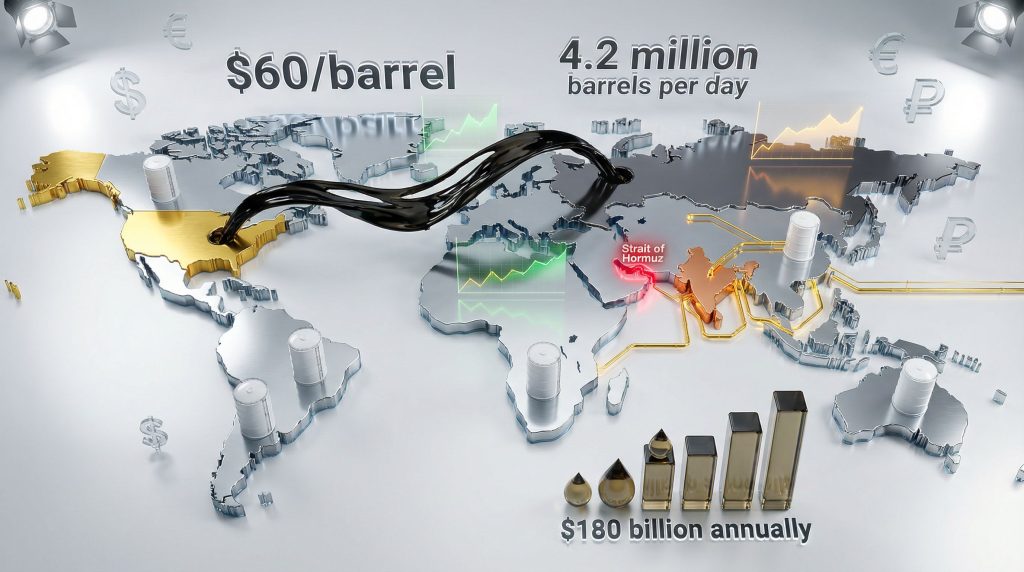
Maritime chokepoints remain focal points for energy security analysis, with the Strait of Hormuz representing a critical vulnerability in global oil transportation networks. Current assessments suggest approximately 4.2 million barrels per day face potential disruption risks, creating cascading effects across international markets that extend far beyond immediate regional boundaries.
Strategic petroleum reserve deployments across G7 nations have become central to crisis management protocols. These reserves, designed as buffers against supply disruptions, face increasing pressure as regional conflicts intensify and alternative sourcing becomes more complex.
The coordination mechanisms between allied nations regarding reserve releases demonstrate the interconnected nature of modern energy security frameworks. Recent developments have highlighted infrastructure vulnerabilities that extend beyond traditional maritime routes, encompassing pipeline networks, processing facilities, and distribution systems across multiple continents.
Economic Assessment of Current Sanctions Architecture
The existing sanctions framework generates approximately $180 billion annually in revenue impacts related to Russian energy exports, according to recent market analysis. The price ceiling mechanism, currently set at the $60 per barrel threshold, faces ongoing effectiveness evaluations as market participants develop alternative transaction structures.
Unintended consequences have emerged across allied economies, particularly regarding energy security considerations and industrial competitiveness factors. European manufacturing sectors report significant input cost pressures when oil prices approach $120 per barrel, creating policy tensions between sanctions enforcement and domestic economic stability objectives.
These dynamics illustrate the complex balancing act between maintaining pressure through economic measures whilst preserving alliance cohesion and domestic industrial capacity. In addition, the broader US-China trade war impacts complicate these calculations further.
Regional Positioning in Evolving Energy Markets
India's Strategic Market Position
India's refinery infrastructure has adapted significantly to changing supply patterns, with major facilities adjusting processing configurations to accommodate diverse crude oil sources. The transformation reflects broader shifts in global energy trade flows and demonstrates adaptive capacity within complex geopolitical environments.
Indian Refinery Capacity and Processing Patterns
| Refinery Complex | Daily Capacity | Processing Flexibility | Strategic Importance |
|---|---|---|---|
| Reliance Jamnagar | 1.24M bpd | High adaptability | Export hub operations |
| IOC Paradip | 300K bpd | Moderate flexibility | Domestic supply focus |
| HPCL Vizag | 166K bpd | Regional specialisation | Distribution network |
These facilities demonstrate sophisticated logistical capabilities that enable rapid supply chain adjustments in response to changing market conditions. The technical expertise developed through managing diverse crude oil sources provides operational advantages during periods of supply volatility.
European Energy Security Recalculations
Germany's industrial competitiveness faces significant challenges when energy input costs reach elevated levels, particularly affecting energy-intensive manufacturing sectors. Alternative supply route development through Azerbaijan and Qatar represents long-term strategic planning that extends beyond immediate crisis management.
However, these nations also grapple with broader energy transition challenges that complicate their strategic positioning. LNG contract renegotiation strategies reflect fundamental shifts in how European nations approach energy procurement, emphasising supply diversification and contractual flexibility over traditional long-term arrangements.
These changes demonstrate adaptive responses to evolving geopolitical realities and supply chain vulnerabilities. Furthermore, the LNG market implications of these shifts extend far beyond immediate European concerns.
Diplomatic Mechanisms and Market Psychology
Beyond Public Statements: Track-Two Diplomacy
Diplomatic engagement operates across multiple channels, with track-two diplomacy mechanisms providing forums for technical discussions that complement formal governmental interactions. Energy sector working groups within broader conflict resolution frameworks offer specialised venues for addressing technical and commercial considerations.
Third-party mediator roles have expanded, with nations like the UAE, Saudi Arabia, and Turkey facilitating discussions that address both regional stability concerns and global energy market functionality. For instance, recent developments in Saudi exploration licenses highlight the kingdom's broader strategic role in energy diplomacy.
These mediation efforts reflect the interconnected nature of regional conflicts and global economic stability. Consequently, US-Russia oil negotiations occur within this broader diplomatic ecosystem rather than as isolated bilateral discussions.
Market Signal Analysis and Investment Behaviour
"Oil futures markets have incorporated a 15% geopolitical risk premium since January 2026, reflecting uncertainty about policy consistency and implementation timelines across multiple regulatory jurisdictions."
Volatility patterns in Brent crude demonstrate clear correlations with diplomatic announcements and policy signals, suggesting sophisticated market participant responses to geopolitical developments. Hedge fund positioning strategies reveal diverse approaches to managing exposure across energy-related assets and currencies.
Currency market reactions to policy developments provide additional indicators of market sentiment regarding long-term stability prospects and economic integration trends. These reactions often precede formal policy announcements, providing early warning signals for market participants.
Long-Term Strategic Architecture Implications
Crisis-Accelerated Supply Chain Diversification
Multiple scenario frameworks help stakeholders evaluate potential outcomes and develop appropriate strategic responses:
Scenario Probability Analysis:
- Rapid Normalisation (25% probability): Comprehensive policy adjustments within six months
- Selective Modification (45% probability): Targeted adjustments for key strategic partnerships
- Enhanced Enforcement (30% probability): Strengthened restrictions with expanded compliance requirements
These scenarios reflect different pathways for policy evolution, each carrying distinct implications for energy market structure, investment flows, and international cooperation frameworks. The most likely scenario involves selective modifications that maintain strategic pressure whilst addressing critical energy security concerns.
Technology and Infrastructure Development Patterns
Russian pipeline capacity utilisation rates vary significantly under different policy scenarios, affecting regional energy flows and pricing mechanisms across European and Asian markets. Western technology export controls face ongoing effectiveness assessments as alternative suppliers develop comparable capabilities.
Alternative energy transition acceleration has gained momentum in response to supply volatility concerns. Renewable energy investment flows increase substantially during periods of fossil fuel market uncertainty, creating additional market dynamics that complicate traditional energy diplomacy.
Investment Strategy Framework for Multiple Outcomes
Portfolio Risk Management Across Commodity Markets
Natural gas price correlations with oil policy announcements demonstrate interconnected commodity market dynamics that require sophisticated hedging approaches. Renewable energy equity performance during fossil fuel supply disruptions suggests portfolio diversification opportunities that extend beyond traditional energy sector boundaries.
Currency hedging strategies for energy-dependent emerging markets require careful consideration of both direct energy import exposure and broader economic vulnerability to commodity price volatility. These considerations become particularly important as US-Russia oil negotiations influence global price discovery mechanisms.
Regulatory Compliance Risk Assessment
Compliance Monitoring Framework:
- Secondary sanctions exposure evaluation for multinational operations
- Banking sector restrictions affecting energy trade financing mechanisms
- Insurance market capacity constraints for energy infrastructure projects
- Supply chain due diligence requirements across multiple jurisdictions
These compliance considerations require ongoing monitoring as regulatory frameworks evolve and enforcement priorities shift in response to changing geopolitical circumstances. The complexity increases as negotiations introduce potential policy modifications that could affect existing compliance structures.
The next major ASX story will hit our subscribers first
Historical Precedent Analysis for Policy Formation
Iran Sanctions Programme Evaluation: 2012-2018 Lessons
Previous selective enforcement programmes provide valuable insights into economic impact patterns and alliance management challenges during periods of conflicting energy security priorities. Market adaptation mechanisms developed during earlier sanctions periods demonstrate private sector resilience and innovation in complex regulatory environments.
Alternative payment systems and transaction structures developed during previous restrictions offer templates for current market participants navigating similar challenges. These mechanisms often emerge organically through commercial necessity rather than formal policy design.
Cold War Energy Diplomacy: Parallels and Divergences
Soviet natural gas pipeline debates during the 1980s illustrate recurring themes in energy diplomacy, including alliance cohesion challenges and economic interdependence considerations. Strategic commodity control effectiveness varies significantly across different technological and economic environments.
Technology embargo enforcement faces greater complexity in current interconnected markets compared to earlier periods. This complexity requires adaptive approaches that account for global supply chain integration and sophisticated regulatory frameworks governing energy trade.
Stakeholder Guidance for Uncertain Environments
Risk Management Protocols for Energy-Dependent Industries
Energy-intensive industries require sophisticated risk management protocols that address both direct input cost volatility and broader supply chain disruption possibilities. Policy advocacy strategies for affected business communities focus on maintaining operational flexibility whilst supporting broader strategic objectives.
Long-term energy security planning extends beyond immediate crisis management to encompass infrastructure development, technology investment, and strategic partnership cultivation across multiple time horizons. These considerations become particularly relevant as US-Russia oil negotiations potentially reshape long-term market structures.
Key Indicator Monitoring for Policy Evolution
Congressional legislative calendars affecting sanctions authority provide important timing considerations for policy evolution assessment. G7 coordination mechanisms face ongoing evaluation as potential policy divergence creates implementation challenges.
Market-based indicators offer early signals regarding policy direction changes, including futures market positioning, currency flows, and investment allocation patterns across energy sector segments. These indicators often provide more reliable guidance than official statements during periods of active diplomatic engagement.
Strategic Navigation in Complex Energy Markets
Current energy market dynamics reflect the intersection of geopolitical tensions, technological capabilities, and economic interdependence patterns that require sophisticated analytical frameworks for effective navigation. Stakeholders across government, industry, and financial sectors must develop adaptive strategies that maintain operational effectiveness whilst supporting broader strategic objectives.
The evolving landscape of US-Russia oil negotiations demonstrates how energy diplomacy extends beyond bilateral relationships to encompass global market stability, alliance management, and long-term energy security considerations. Understanding these interconnections provides essential context for evaluating policy options and investment strategies in uncertain environments.
Successful navigation of current challenges requires continuous monitoring of multiple indicator categories, from diplomatic engagement patterns to market positioning strategies. Moreover, maintaining flexibility to adapt to rapidly changing circumstances across multiple geographical and functional domains remains paramount for stakeholders operating in this complex environment.
Looking to Capitalise on Energy Market Volatility?
Discovery Alert's proprietary Discovery IQ model delivers real-time alerts on significant ASX mineral discoveries, including critical battery minerals and energy transition commodities that are reshaping global supply chains. With energy security concerns driving unprecedented demand for domestic mineral resources, subscribers gain immediate access to actionable trading opportunities that could benefit from evolving geopolitical dynamics and strategic resource positioning.