July 19, 2026
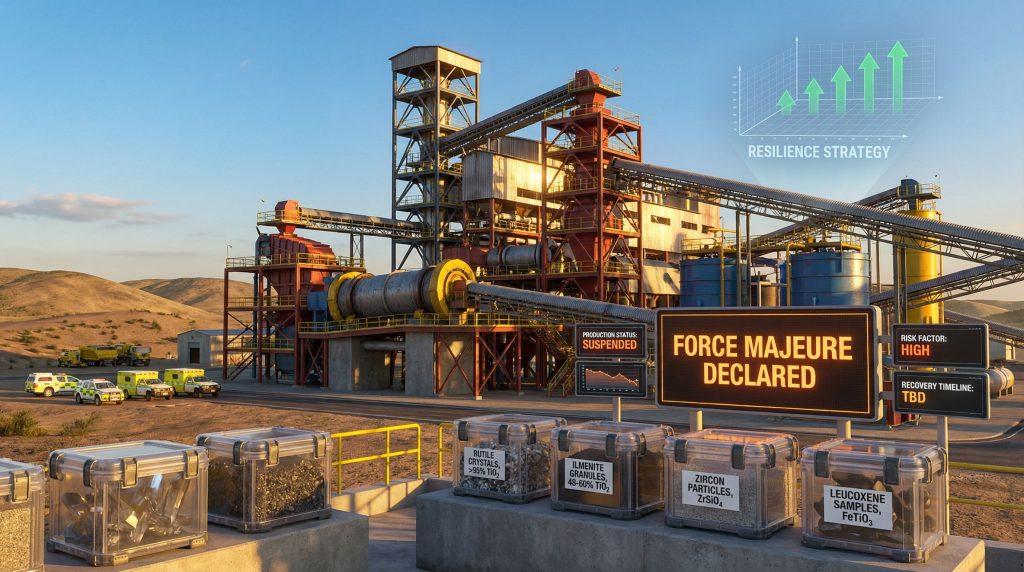
Mining operations across mineral-rich regions face constant vulnerabilities that extend far beyond geological challenges. When specialised processing equipment fails, entire production chains collapse, creating ripple effects throughout national economies and global supply networks. A recent incident where a fire forces Eramet to halt Senegal mine operations demonstrates these critical infrastructure dependencies that represent fundamental operational risks mining companies must navigate in increasingly complex regulatory and technical environments.
The concentration of mineral processing operations within single facilities creates systemic vulnerabilities that can halt production for extended periods. Understanding these operational dynamics provides insights into how industrial incidents reshape mining sector performance and investment strategies across emerging markets, particularly as data-driven mining operations become increasingly sophisticated.
Critical Processing Infrastructure in Mineral Extraction Operations
Mineral sands operations rely on highly specialised processing equipment that functions as operational bottlenecks within integrated production systems. Wet concentrator plants represent the most critical processing stage in heavy mineral extraction, where raw materials undergo separation into marketable concentrates through hydraulic processes.
These facilities process multiple mineral types simultaneously, including:
• Ilmenite – Primary titanium dioxide source for construction applications
• Rutile – High-grade titanium mineral for specialised industrial uses
• Leucoxene – Altered ilmenite concentrate with enhanced titanium content
• Zircon – Essential component for ceramic and refractory applications
The technical complexity of wet concentration systems creates single-point-of-failure scenarios where equipment damage forces complete operational shutdowns. When Eramet's Senegal facility experienced equipment failure in February 2026, the company immediately suspended its 900,000-ton annual production target, demonstrating how critical infrastructure dependencies can eliminate production capacity instantaneously.
Heat-Intensive Processing Environments and Fire Risks
Mineral processing facilities operate high-temperature separation systems that create inherent fire hazards through multiple exposure vectors. Wet concentrator plants utilise thermal processes, electrical systems, and hydraulic equipment that generate heat signatures capable of igniting combustible materials within processing environments.
Risk amplification factors include:
• Dense equipment configurations limiting emergency access
• Remote operational locations extending response times
• Specialised suppression requirements for mineral processing fires
• Integration with downstream facilities creating cascade failure potential
Furthermore, the official investigation launched after the fire at Eramet's facility focuses on determining fire causation and equipment condition assessment, highlighting the complexity of forensic analysis in mineral processing environments.
When big ASX news breaks, our subscribers know first
Force Majeure Implementation in Mining Operations
Force majeure declarations represent critical legal frameworks protecting mining operators from contractual penalties during unforeseeable operational disruptions. These mechanisms activate when extraordinary circumstances prevent normal performance obligations, providing companies with defensive contractual protections.
Eramet's February 26, 2026 force majeure declaration illustrates standard industry protocol for managing supply chain obligations during equipment failures. The company immediately communicated the declaration to customers, protecting itself from delivery penalty clauses whilst maintaining commercial relationships during the operational suspension.
Legal Protection Mechanisms During Equipment Failures
Mining contracts typically include force majeure clauses covering specific categories of unforeseeable events:
| Event Category | Coverage Scope | Notification Requirements |
|---|---|---|
| Equipment Failure | Fire damage, mechanical breakdown | Immediate customer communication |
| Natural Disasters | Weather events, geological incidents | Regulatory notification within 24-48 hours |
| Regulatory Changes | Government policy shifts | Legal documentation required |
| Infrastructure Damage | Transportation, utility failures | Third-party verification needed |
The contractual protection value of force majeure declarations extends beyond penalty avoidance to include production scheduling flexibility and customer relationship preservation during recovery periods.
Production Guidance Suspension Protocols
When mining companies invoke force majeure, they typically suspend annual production guidance until damage assessment investigations provide clarity on recovery timelines. This conservative approach protects companies from potential securities law violations related to forward-looking statements during periods of operational uncertainty.
Eramet's guidance suspension strategy demonstrates:
• Immediate target withdrawal rather than revised estimates
• Communication transparency regarding investigation timelines
• Conservative disclosure approach pending technical assessment completion
• Stakeholder expectation management during uncertainty periods
The company's decision to suspend its 900,000-ton production target reflects industry best practices for managing investor communications during unresolved operational crises.
West African Mining Sector Vulnerability Assessment
Regional mining operations face distinctive operational challenges that amplify equipment failure risks and extend recovery timelines. West African facilities often operate in remote locations with limited emergency response infrastructure and extended supply chains for specialised equipment replacement.
Eramet's 2024 economic contribution to Senegal totalled CFA122 billion (approximately $219 million USD), representing significant national revenue exposure to single-facility operational risks. This concentration creates economic vulnerability when major mining operations experience extended shutdowns.
Infrastructure Dependencies and Recovery Challenges
Remote mining locations in West Africa face specific operational constraints that complicate emergency response and equipment replacement. These supply chain vulnerabilities create additional complexity:
• Extended response times for specialised fire suppression equipment
• Limited local technical expertise for complex mineral processing systems
• Import logistics challenges for replacement equipment sourcing
• Regulatory coordination requirements across multiple government agencies
The technical investigation timeline at Eramet remains undetermined, reflecting the complexity of damage assessment in specialised processing environments where equipment replacement may require extended procurement periods.
Regional Economic Impact Concentration
Mining sector contributions to national economies create systemic vulnerabilities when major operations experience disruptions. Single-facility dependencies can affect:
- Government revenue streams through reduced mining royalties and taxes
- Employment continuity for both direct and indirect mining sector jobs
- Infrastructure investment returns in mining-dependent regions
- Community economic stability in areas surrounding major mining operations
The suspension of Eramet's operations demonstrates how equipment failures at individual facilities can create broader economic disruptions across mining-dependent economies. However, the broader mining industry evolution suggests that such incidents may drive improvements in operational resilience.
Heavy Mineral Concentrate Market Dynamics
Global demand patterns for heavy mineral concentrates directly influence the economic impact of production disruptions like those experienced at Eramet's Senegal operation. Construction industry demand cycles significantly affect ilmenite and zircon pricing, whilst specialised applications drive rutile and leucoxene market dynamics.
Market application breakdown:
• Ilmenite – Construction materials, paint pigments, plastic additives
• Rutile – Aerospace applications, welding electrodes, high-performance coatings
• Zircon – Ceramic tiles, foundry applications, nuclear reactor components
• Leucoxene – Speciality titanium dioxide production, high-grade pigment manufacturing
What Happens When Major Suppliers Experience Disruptions?
The temporary removal of 900,000 tons of annual concentrate production capacity affects global supply balances, particularly in regional markets served by West African mineral sands operations. Alternative supplier activation becomes critical when major producers experience extended outages.
This incident where a fire forces Eramet to halt Senegal mine operations highlights how production losses can create cascading effects throughout global supply chains. Additionally, understanding commodity impact analysis becomes crucial during such disruptions.
Market Insight: Mineral sands markets typically operate with limited excess capacity, making production disruptions at major facilities particularly significant for global supply balances and pricing dynamics.
Primary alternative supply regions include:
• Australia – Dominant global producer with established processing infrastructure
• South Africa – Significant heavy mineral concentrate production capacity
• Madagascar – Emerging mineral sands production with growth potential
• India – Domestic production primarily serving regional demand
The geographic concentration of mineral sands production creates supply chain vulnerabilities when individual facilities experience operational disruptions.
Technical Investigation and Equipment Assessment Protocols
Industrial fire investigations in mineral processing environments require specialised forensic techniques to determine causation whilst assessing equipment replacement feasibility. Multi-phase investigation approaches typically involve:
- Immediate safety assessment ensuring site security and personnel protection
- Fire origin determination through physical evidence analysis and witness interviews
- Equipment damage evaluation assessing repair versus replacement requirements
- Operational procedure review examining maintenance records and safety protocols
Forensic Analysis in Mineral Processing Environments
Wet concentrator plant investigations present unique challenges due to hydraulic system complexity and integrated equipment configurations that complicate damage assessment procedures. Technical teams must evaluate:
• Structural integrity of processing equipment housing and support systems
• Hydraulic system functionality including pumps, separators, and control mechanisms
• Electrical system damage affecting automated processing controls and safety systems
• Environmental contamination from compromised processing materials or suppression agents
The ongoing technical assessment at Eramet's facility focuses on determining whether equipment replacement or comprehensive repair represents the most viable recovery path.
Equipment Replacement Considerations and Supply Chain Constraints
Specialised mineral processing equipment often requires 12-18 month procurement timelines for complete wet concentrator plant replacements, depending on manufacturer capacity and technical specifications. Upgrade opportunities during rebuilding phases may include:
• Enhanced automation systems reducing operational risk and labour requirements
• Improved energy efficiency through modern hydraulic and electrical systems
• Expanded processing capacity optimising throughput for existing facility infrastructure
• Advanced fire suppression integration providing enhanced protection for replacement equipment
The decision between repair and replacement significantly affects recovery timelines and long-term operational performance at affected facilities.
The next major ASX story will hit our subscribers first
Economic Impact Assessment and Recovery Strategies
Production disruptions at major mining facilities create cascading effects throughout regional economies and global supply networks. Economic impact assessment methodologies must evaluate both immediate revenue losses and longer-term competitive positioning effects.
Immediate economic consequences include:
• Production revenue elimination during shutdown periods
• Fixed cost continuation including labour, maintenance, and administrative expenses
• Customer relationship management costs during force majeure periods
• Investigation and recovery expenses for technical assessment and equipment replacement
Stakeholder Communication During Operational Crises
Mining companies must maintain transparent communication with multiple stakeholder groups during extended operational disruptions:
Investor Relations:
- Regular progress updates on investigation timelines and preliminary findings
- Conservative guidance regarding recovery timelines and financial impact assessments
- Transparent disclosure of force majeure implications and insurance coverage expectations
Customer Management:
- Alternative supply arrangement assistance and market intelligence sharing
- Timeline communication for potential production resumption and delivery scheduling
- Commercial relationship preservation through proactive engagement strategies
Regulatory Compliance:
- Government notification regarding economic impact and employment implications
- Environmental assessment coordination for investigation and recovery activities
- Community relations management addressing local economic concerns
Long-Term Operational Resilience Development
Major operational disruptions provide opportunities for operational excellence enhancement through systematic risk assessment and infrastructure investment. Resilience building strategies include:
• Redundant processing capability development reducing single-point-of-failure risks
• Enhanced emergency response systems and training programmes
• Predictive maintenance technology implementation for early failure detection
• Supply chain diversification for critical equipment and spare parts inventory
The Eramet incident highlights the importance of operational resilience investment in maintaining production reliability across remote mining operations. Consequently, many companies are also implementing comprehensive mine reclamation strategies as part of their long-term planning.
Investment Considerations: Mining sector investments should carefully evaluate operational resilience factors, including equipment redundancy, emergency response capabilities, and recovery timeline scenarios when assessing long-term value creation potential. Operational disruptions can significantly affect financial performance and competitive positioning in global mineral markets.
Understanding the technical complexities and economic implications of mining operational disruptions provides valuable insights for investors, industry stakeholders, and policy makers engaged with mineral extraction operations across emerging markets. The intersection of technical risk management, economic impact assessment, and stakeholder communication creates complex operational environments requiring sophisticated management approaches and strategic planning capabilities.
Looking to Capitalise on Mining Sector Disruptions?
Discovery Alert's proprietary Discovery IQ model delivers instant notifications when significant ASX mineral discoveries are announced, helping investors identify opportunities that emerge from operational disruptions and market volatility in the mining sector. Explore how historic discoveries have generated substantial returns and begin your 14-day free trial today to gain immediate access to actionable investment insights powered by advanced AI technology.