May 17, 2026
Understanding Critical Fire Hazards in Mining Operations
Mining environments present unique fire challenges where industrial-scale equipment operates under extreme conditions. In these settings, the risk of a mine truck blaze safety measures incident is ever-present. In addition, operators must consider several factors, including harsh temperatures and high-pressure systems.
Heavy machinery works with high-pressure hydraulic systems, large fuel loads, and soaring operating temperatures. Consequently, equipment malfunctions can escalate rapidly into emergencies. Modern technology now supports effective prevention measures and rapid responses to reduce incident impacts.
Fire Risk Categories in Mobile Mining Equipment
Mining equipment fire incidents originate from four primary failure modes, each with distinct ignition characteristics. Furthermore, a detailed assessment of each category assists operators in developing targeted prevention strategies.
Hydraulic System Failures
Hydraulic failures are the most common ignition source in heavy mining equipment. High-pressure hydraulic lines operate under extreme stress. Seal degradation or hose rupture can create pressurised fluid sprays. When this fluid contacts hot engine surfaces, ignition can occur within seconds. Recent analysis shows nearly 45% of mobile fires in underground operations start with hydraulic issues.
Electrical Fault Ignition
Electrical faults often emerge from wiring harness degradation and connection corrosion. In addition, constant vibration and moisture exposure deteriorate electrical systems. As a result, gradual resistance increases may generate heat that ultimately leads to fire. Operators are therefore advised to invest in routine electrical inspections.
Fuel System Breaches
Fuel system breaches occur due to impact damage, component wear, or maintenance errors. Diesel fuel systems, with their substantial volumes and high pressure, present a rapid ignition risk if a leak develops. Underground conditions exacerbate these challenges since ventilation can accelerate the spread of a fire.
Engine Overheating and Exhaust Component Failures
Malfunctions in cooling systems or exhaust components cause engine overheating. Temperatures may exceed 500°C, igniting nearby hydraulic fluids or fuel vapours. Consequently, proper monitoring of engine compartments is vital, and preventative maintenance remains essential.
For instance, recent studies on mining safety risks underline these failure modes in detail.
High-Risk Equipment Classification
Assessing fire potential involves evaluating equipment based on operational complexity, environmental exposure, and inherent risks. Operators then develop prevention measures accordingly.
• Underground Haul Trucks – Critical: Hydraulic systems and confined ventilation demand maximum prevention.
• Surface Mining Excavators – High: Considerable fuel volumes and hydraulic complexity necessitate focused strategies.
• Underground Loaders – Critical: Electrical and hydraulic challenges are a constant risk.
• Surface Drill Rigs – Moderate: Engine overheating and hydraulic lines require regular checks.
• Underground Utility Vehicles – High: Confined operations make these particularly vulnerable.
In addition, integrating principles such as data-driven operations can further refine risk evaluations.
Modern Fire Suppression Technologies
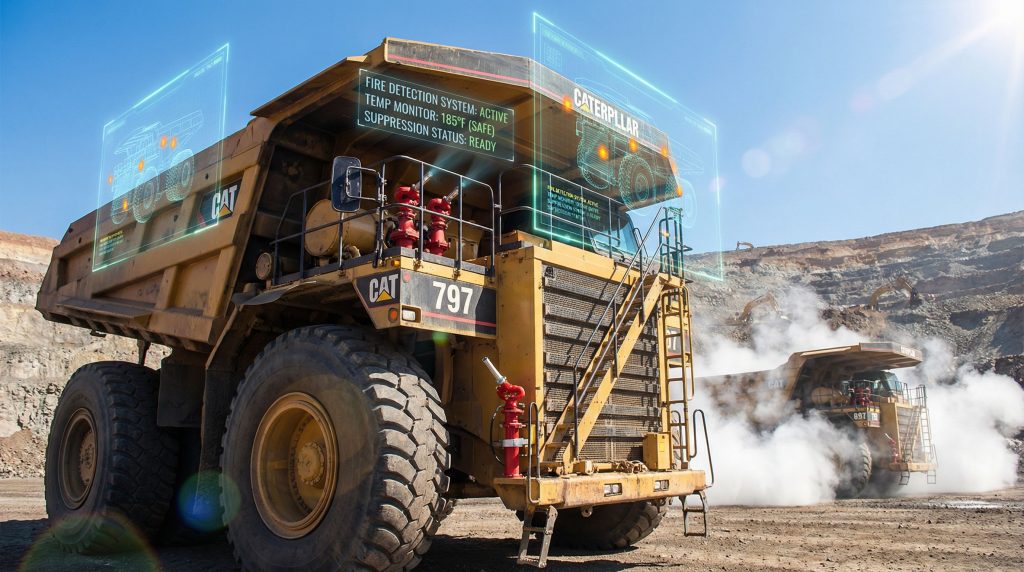
Contemporary mining equipment now incorporates sophisticated detection and suppression systems. These systems are designed to respond within seconds of ignition, forming the final defence after initial prevention measures have been exhausted.
Automated Detection and Response Systems
Advanced sensors now monitor equipment for signs of incipient fire. Heat sensors are placed in high-risk compartments. For example, in hydraulic areas temperatures above 88°C trigger immediate alerts, while engine bays are monitored for temperatures exceeding 110°C.
Detection response times usually range between 3 and 8 seconds. Moreover, automated systems have proven effective during mine truck blaze safety measures scenarios, mitigating fire spread until additional suppression can be initiated.
Multi-zone coverage systems divide equipment into specific detection areas. Engine and hydraulic compartments, alongside operator zones, receive customised suppression agents optimised for active fire types.
Suppression Agent Technologies
Modern systems generally rely on three major agent types:
• Dry Chemical Agents: They rapidly knock down flames by interrupting the chemical chain reaction.
• Aqueous Film-Forming Foam (AFFF): This agent creates films that suppress vapours and cool fuel surfaces.
• Inert Gas Systems: Using gases such as nitrogen, these systems reduce oxygen levels, halting combustion.
In addition, organisations continuously adapt emerging industry innovation trends to their fire suppression approaches.
Preventive Maintenance Strategies
Maintenance-driven fire prevention is essential to avoid catastrophic failures. Operators now rely on systematic condition monitoring to eliminate risks before they escalate. Furthermore, predictive maintenance is a cornerstone in managing mine truck blaze safety measures.
In parallel, AI-enhanced maintenance techniques facilitate earlier detection and timely component replacement.
Predictive Analysis for Fire Prevention
Thermal imaging programmes detect temperature anomalies in critical systems. Regular surveys allow operators to flag indicator conditions weeks before catastrophic failure. Such programmes may include:
• Weekly thermal surveys for high-utilisation equipment.
• Bi-weekly surveys for standard operations.
• Monthly assessments for low-utilisation machinery.
Moreover, vibration analysis monitoring pinpoints wear in hydraulic pumps or engine components. These indicators are crucial for strategically scheduling maintenance.
Fluid analysis also plays a role by identifying contaminants in hydraulic systems. In this way, operators can replace fluids based on quality rather than time intervals.
Component Replacement Protocols
Systematic replacement protocols are essential. For hydraulic management, key actions include:
• Hose replacement at 80% of rated pressure capacity.
• Immediate seal replacement upon minor leak detection.
• Filter element replacement when pressure differentials exceed 50% of specifications.
• Fluid replacement driven by contamination analysis.
Similarly, for electrical systems, components must be replaced when thermal imaging shows a rise over 20°C from ambient temperatures, ensuring continued operational safety.
Emergency Response Protocols
Effective response to fires involves immediate operator action, followed by coordinated suppression efforts. This is especially critical when dealing with mine truck blaze safety measures incidents.
Immediate Operator Response Sequence
In cases of fire detection, operators should follow these steps sequentially:
- Recognition: Identify any unusual noises, fluid sprays, or odours.
- Vehicle Control: Shut down the equipment immediately to isolate the fire.
- Communication: Notify emergency coordinators and nearby personnel via radio.
- Evacuation: Ensure personnel evacuate safely, prioritising life over equipment.
- Initial Suppression: Begin manual suppression only when safety is confirmed.
Critical timing requirements include equipment shutdown within 15 seconds and complete operator evacuation by 60 seconds. Furthermore, initiating suppression within 2 minutes remains the goal.
Post-Suppression Safety Procedures
After initial fire suppression, ongoing risks demand continued vigilance. Operators must monitor the fire site to guard against re-ignition. Key procedures include:
• Continuous monitoring following hydraulic fires for 4 hours.
• Two hours for electrical fires and 6 hours for fuel system fires.
• Eight hours for combined systems.
Operators must also implement equipment isolation protocols such as battery disconnect, fuel line isolation, and depressurisation of hydraulic systems.
Training and Competency Development
Operator training is vital. Competency development programmes now integrate both theoretical instruction and practical demonstration to ensure robust response skills. In addition, these programmes stress hazard recognition and adherence to fire safety protocols.
Competency-Based Training Programs
Comprehensive training modules cover:
• Hazard Recognition: Identifying early warning signs like abnormal sounds and odours.
• Suppression System Operation: Hands-on training for manual overrides in emergencies.
• Emergency Response Coordination: Practical drills emphasising communication and tactical decision-making.
Assessment criteria include response time performance, equipment operation proficiency, clear communication, and strict safety protocol adherence.
Operators should also follow mining permitting basics as part of their regulatory training programmes.
Regulatory Compliance Framework
Mining fire safety regulation establishes mandatory standards across equipment design, maintenance, and operator training. In NSW, regulators mandate rigorous controls to ensure that incidents are preventable. Implementation of these standards is critical to maintaining safe operations.
The NSW Resources Regulator enforces measures such as:
• Use of fire-resistant hydraulic fluids.
• Engineering controls to manage engine surface temperatures.
• Elimination of toxic, non-metallic materials that can exacerbate hazards.
• Rigorous documentation of maintenance, training, and fire risk assessments.
Operators must compile comprehensive records to assist regulatory reviews and internal audits.
Advanced Fire Prevention Technologies
Emerging technologies are revolutionising safety practices, including mine truck blaze safety measures. Real-time monitoring and predictive analytics are now standard in many modern operations. These advances provide a significant leap forward in ensuring proactive rather than reactive approaches.
IoT-Enabled Monitoring Systems
Real-time condition monitoring utilises interconnected sensors to provide continuous data on critical parameters. This technology allows early detection of degradation patterns in hydraulic, electrical, and engine systems. Moreover, integration with machine learning supports timely interventions and maintenance scheduling.
Furthermore, many facilities now adopt data-driven operations to further enhance their predictive capabilities.
Next-Generation Suppression Technologies
Innovative suppression systems now incorporate water mist systems and environmentally compatible agents. Water mist, for example, offers superior cooling with less storage volume. Additionally, new fluorine-free foam formulations prevent environmental contamination while maintaining efficacy.
Meanwhile, updated fire suppression solutions empower rapid response and faster fire containment.
Underground Operations Considerations
Underground mining presents unique hazards due to confined spaces and limited escape routes. The challenges necessitate specialised fire prevention and emergency response strategies. In these environments, ventilation systems play a pivotal role.
Ventilation System Integration
Ventilation airflow directly impacts fire dynamics underground. Airflow above 3 metres per second has been found to triple the rate of fire spread. During emergencies, reversal of ventilation may take 5–15 minutes, increasing toxic gas risks. Coordination between operators and ventilation personnel is therefore crucial.
In addition, industry experts are advocating for sustainability transformation to further mitigate environmental impact and enhance safety procedures.
Escape Route Planning
Effective escape route design is necessary to counter hazards such as smoke, toxic gas, and blocked corridors. Operators are urged to establish multiple independent routes from all equipment areas. Clearly marked routes and accessible emergency communication systems are vital during a fire emergency.
In summary, robust emergency planning, meticulous maintenance, and continuous operator training contribute significantly to reducing the occurrence of disastrous incidents. With these measures in place, effective mine truck blaze safety measures can be achieved, helping to secure both lives and assets within the mining industry.
Looking to Invest in the Next Major Mining Discovery?
Discovery Alert's proprietary Discovery IQ model delivers instant notifications on significant ASX mineral discoveries, empowering investors to capitalise on breakthrough announcements before they hit mainstream attention. Start your 30-day free trial today and position yourself ahead of the market with real-time intelligence that transforms complex mining data into actionable investment opportunities.