
May 21, 2026
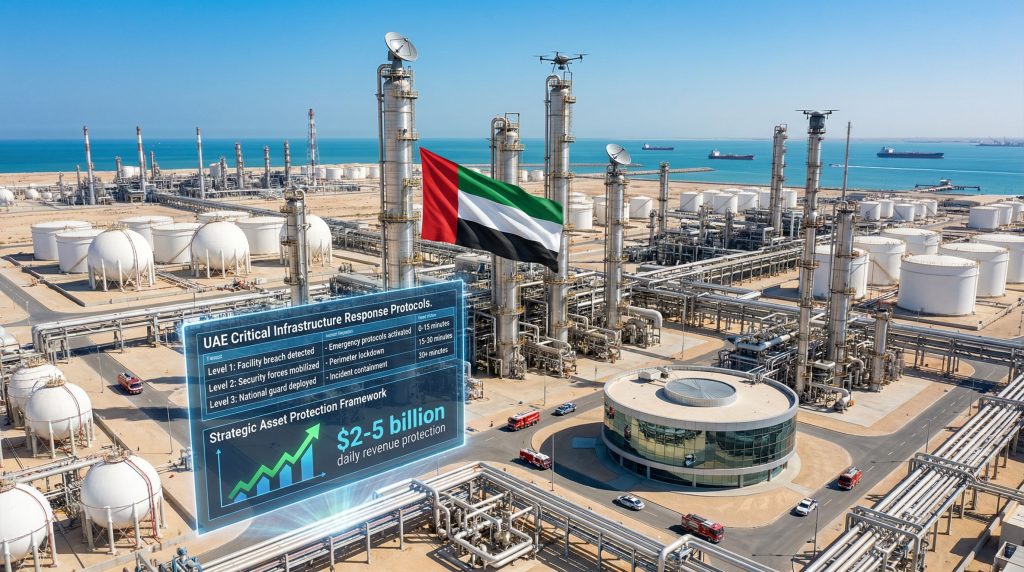
Major Fire Erupts at Ruwais Industrial Complex Following Drone Attack
A significant fire in Ruwais industrial complex has prompted emergency responses and raised serious concerns about energy infrastructure security in the UAE. The incident, which occurred after a drone strike targeted the facility, has led to immediate shutdowns and evacuation procedures across one of the region's most critical industrial zones.
The Ruwais Industrial Complex, located in Abu Dhabi's Western Region, houses several major petrochemical facilities and refineries. Furthermore, this incident highlights the growing vulnerability of critical energy infrastructure to aerial attacks, a concern that extends beyond regional borders and impacts global energy security transition.
When big ASX news breaks, our subscribers know first
What Happened at the Industrial Complex?
Emergency services responded swiftly to reports of the fire in Ruwais industrial complex following the drone attack. The blaze originated in areas housing Abu Dhabi National Oil Company (ADNOC) operations, prompting immediate safety protocols across the facility.
Initial reports suggest the drone strike caused significant damage to infrastructure within the complex. However, authorities have yet to release comprehensive details about the extent of the damage or potential casualties from the incident.
The attack has forced operators to implement emergency shutdown procedures. In addition, evacuation protocols were activated to ensure worker safety across the affected areas of the industrial zone.
Impact on Regional Energy Operations
The fire in Ruwais industrial complex has created immediate disruptions to energy production and processing capabilities. The facility plays a crucial role in the UAE's oil refining and petrochemical production, making this incident particularly significant for regional energy markets.
ADNOC operations within the complex have been temporarily suspended whilst emergency teams work to contain the fire. Consequently, this has raised concerns about potential supply chain disruptions and their broader economic implications.
The incident also draws attention to similar challenges facing energy infrastructure globally, including oil production challenges experienced in other major producing regions.
Security Implications for Critical Infrastructure
This attack on the Ruwais facility represents a significant escalation in threats to energy infrastructure. The use of drones to target critical industrial facilities demonstrates evolving security challenges that operators worldwide must now consider.
Energy companies are increasingly investing in enhanced protection measures for their facilities. For instance, boosted safety measures have become standard practice across various industrial operations globally.
The incident highlights vulnerabilities in current security frameworks. Furthermore, it underscores the need for comprehensive drone detection and defence systems at critical energy infrastructure sites.
How Are Other Regions Responding?
Similar security concerns are driving policy changes across multiple jurisdictions. The European Union, for example, has prioritised securing its raw materials supply chains against potential disruptions.
Meanwhile, other major energy producing regions are reassessing their own infrastructure protection protocols. The Saudi exploration licenses framework now includes enhanced security provisions for new developments.
These developments reflect a broader shift towards integrating security considerations into energy infrastructure planning and operations.
Emergency Response and Containment Efforts
UAE authorities have mobilised extensive resources to address the fire in Ruwais industrial complex. Emergency response teams from multiple agencies are coordinating efforts to contain the blaze and prevent further escalation.
Fire suppression systems within the facility have been activated. However, the complexity of the industrial environment presents unique challenges for containment efforts.
According to Reuters reporting, the fire has affected operations across significant portions of the industrial complex. Emergency teams are working around the clock to prevent the fire from spreading to additional facilities.
What Safety Protocols Are in Place?
The Ruwais Industrial Complex maintains comprehensive emergency response protocols designed for various threat scenarios. These include:
- Automated fire suppression systems throughout critical areas
- Emergency evacuation procedures for all personnel
- Communication protocols with regional emergency services
- Backup systems to maintain essential safety functions
Nevertheless, the scale and nature of this incident have tested these systems in unprecedented ways.
Broader Market Implications
The fire in Ruwais industrial complex has immediate implications for regional and global energy markets. The facility's role in processing and refining operations means any extended downtime could affect supply chains.
Financial markets have responded to news of the incident with increased volatility in energy commodity prices. Furthermore, insurance companies are likely to reassess coverage terms for similar facilities worldwide.
The incident also highlights the interconnected nature of global energy infrastructure. Disruptions in one major facility can have cascading effects across international markets and supply chains.
Long-term Industry Changes
This attack may accelerate adoption of enhanced security technologies across the energy sector. Companies are likely to invest more heavily in:
- Advanced drone detection systems
- Perimeter security enhancements
- Remote monitoring capabilities
- Emergency response coordination systems
According to Wall Street Journal coverage, the targeting of the Ruwais complex represents a significant escalation in regional tensions affecting critical infrastructure.
The next major ASX story will hit our subscribers first
Recovery and Future Preparedness
Recovery efforts following the fire in Ruwais industrial complex will likely focus on both immediate restoration and long-term security improvements. ADNOC and other operators will need to assess damage whilst implementing enhanced protective measures.
The incident serves as a wake-up call for the entire energy industry regarding infrastructure vulnerability. Consequently, operators worldwide are expected to review and upgrade their security protocols.
Investment in resilient infrastructure design will become increasingly important. This includes both physical hardening of facilities and development of rapid response capabilities for similar incidents.
Ready to Capitalise on Critical Infrastructure Disruptions?
Major incidents affecting global energy infrastructure, like the Ruwais industrial complex fire, often create significant market volatility and investment opportunities across resource sectors on the ASX. Discovery Alert's proprietary Discovery IQ model instantly identifies companies positioned to benefit from such disruptions, delivering real-time alerts on mineral discoveries and market-moving developments that savvy investors need to stay ahead of rapidly changing commodity markets.