June 22, 2026
What Are the Economic Forces Driving Fleet Electrification Worldwide?
The global transportation sector stands at a pivotal inflection point where traditional fossil fuel dependencies intersect with accelerating technological innovation and environmental imperatives. As commercial fleets worldwide grapple with rising operational costs, regulatory pressures, and supply chain volatilities, the question of whether do space barons dream of electric fleets represents more than a technological shift – it embodies a fundamental restructuring of transportation economics that extends far beyond simple vehicle replacement strategies.
Total Cost of Ownership Analysis for Commercial Fleets
The economic calculus driving fleet electrification extends well beyond initial purchase price considerations, encompassing a complex matrix of operational variables that traditional diesel fleet managers are now forced to reassess. Electric vehicles in mining demonstrate significantly reduced maintenance requirements, with regenerative braking systems extending component lifecycles and eliminating routine engine maintenance protocols that have historically consumed substantial fleet budgets.
Furthermore, fuel price volatility represents perhaps the most compelling financial argument for fleet electrification, as electricity pricing structures offer greater predictability compared to petroleum product markets. Fleet operators can leverage time-of-use electricity rates and renewable energy integration to achieve operational cost reductions of 30-50% compared to equivalent diesel operations, particularly in urban delivery applications where stop-start driving patterns optimise electric vehicle efficiency advantages.
Insurance and depreciation considerations present nuanced financial implications for fleet electrification strategies. While initial insurance premiums for electric commercial vehicles may reflect higher replacement costs, emerging data suggests reduced accident frequencies due to advanced safety systems and lower fire risks compared to conventional fuel systems. Depreciation patterns remain challenging to predict as the electric vehicle market matures, though fleet operators increasingly view technology obsolescence risks as manageable through strategic leasing arrangements rather than outright purchases.
Regional Policy Frameworks Accelerating Adoption
European Union commercial vehicle emission standards represent the most aggressive regulatory timeline globally, with the Euro VII standards mandating near-zero emissions for new commercial vehicles by 2027. These regulations create compelling economic pressures for fleet operators, as non-compliant vehicles face access restrictions to urban centres where commercial delivery operations generate primary revenue streams.
In addition, North American zero-emission vehicle mandates demonstrate varied approaches across jurisdictions, with California's Advanced Clean Trucks Rule requiring manufacturers to sell increasing percentages of zero-emission commercial vehicles beginning in 2024. These mandates create supply-side pressures that indirectly subsidise fleet electrification through increased vehicle availability and competitive pricing dynamics.
Carbon pricing mechanisms across multiple jurisdictions add quantifiable costs to diesel fleet operations, with carbon tax rates ranging from $15-130 per tonne CO2 globally. Fleet operators increasingly incorporate these costs into long-term operational planning, recognising that carbon pricing trends favour early electric vehicle adoption strategies over delayed transitions that risk exposure to escalating carbon costs.
When big ASX news breaks, our subscribers know first
Which Industries Are Leading the Electric Fleet Transformation?
Urban Logistics and Last-Mile Delivery
E-commerce delivery networks represent the most advanced segment of commercial fleet electrification, driven by concentrated urban operations that optimise electric vehicle range capabilities. Major logistics operators report conversion rates exceeding 40% for urban delivery routes, with deployment timelines accelerating as charging infrastructure density reaches operational viability thresholds.
However, municipal waste collection operations demonstrate particularly strong electrification economics due to predictable routing patterns and overnight depot charging capabilities. These applications benefit from high daily mileage that maximises fuel cost savings while operating within range limitations that minimise operational disruptions. Public transport electrification continues expanding globally, with electric bus fleets now exceeding 1 million vehicles in China alone.
Food service and retail distribution networks face more complex electrification challenges due to temperature-controlled cargo requirements and extended routing demands. Nevertheless, operators increasingly implement hybrid approaches where urban segments utilise electric vehicles while long-haul components remain diesel-powered, creating segmented fleet strategies that optimise each technology's advantages.
Long-Haul Transportation Challenges and Solutions
Battery technology limitations represent the primary constraint for interstate freight electrification, with current lithium-ion systems providing insufficient range for long-haul operations while imposing weight penalties that reduce cargo capacity. Industry analyses suggest viable electric long-haul trucking requires battery energy densities exceeding 500 Wh/kg, compared to current commercial systems averaging 250-300 Wh/kg.
Hydrogen fuel cell viability for heavy-duty applications emerges as a potential solution for range-limited electric systems, though infrastructure requirements and fuel costs remain economically challenging. Pilot programmes across Europe and North America demonstrate operational feasibility, but commercial deployment awaits hydrogen production cost reductions and refuelling network expansion.
Consequently, charging infrastructure gaps in rural and remote corridors represent critical barriers to comprehensive fleet electrification, particularly for operations serving mining, agriculture, and resource extraction sectors. These infrastructure limitations create geographic constraints on electric vehicle deployment that may persist for decades despite technological advances.
How Do Infrastructure Requirements Shape Fleet Electrification Strategies?
Grid Capacity and Energy Management Systems
Peak demand management for large fleet charging operations requires sophisticated energy management systems that coordinate charging schedules to minimise grid stress and electricity costs. Fleet operators with 100+ electric vehicles typically require dedicated electrical infrastructure exceeding 1 megawatt capacity, necessitating utility coordination and potential grid upgrades that can delay deployment timelines.
For instance, renewable energy integration with commercial charging stations offers operational cost advantages and carbon footprint reductions, though intermittency challenges require battery storage systems that increase infrastructure investments. Solar-powered fleet charging facilities demonstrate particular promise in regions with high irradiation levels and favourable net metering policies.
Smart charging technologies enable load balancing solutions that optimise electricity usage across fleet operations while minimising demand charges. These systems can reduce total electricity costs by 20-35% compared to unmanaged charging approaches, representing significant operational savings for large fleet operators.
Geographic Distribution of Charging Networks
Urban versus rural infrastructure development priorities reflect population density and economic return calculations that favour metropolitan charging network expansion. Rural charging infrastructure development requires different economic models, often necessitating public funding or utility involvement to achieve commercial viability.
Cross-border charging standardisation challenges complicate international fleet operations, with different connector standards and payment systems creating operational inefficiencies. The emergence of universal charging protocols offers potential solutions, though implementation timelines remain uncertain across different jurisdictions.
Private versus public charging facility investment models demonstrate varied approaches to infrastructure development, with fleet operators increasingly investing in dedicated facilities to ensure charging availability and control operational costs. Public-private partnerships emerge as hybrid models that share infrastructure costs while expanding network coverage.
What Role Do Technology Entrepreneurs Play in Transportation Innovation?
Private Space Industry Investment Patterns
Venture capital allocation between space and terrestrial projects reveals interesting patterns in technological innovation funding, with many space-focused entrepreneurs diversifying portfolios to include earth-based transportation technologies. This diversification reflects recognition that terrestrial transportation markets offer more immediate commercial returns compared to space ventures requiring longer development timelines.
Technology transfer from aerospace to automotive sectors accelerates electric vehicle innovation, particularly in battery management systems, lightweight materials, and autonomous control systems. Aerospace expertise in power systems management translates directly to electric vehicle applications, creating synergies between seemingly disparate industries.
Billionaire entrepreneur portfolio diversification strategies increasingly encompass both space exploration and sustainable transportation, recognising complementary technological requirements and market opportunities. These investment patterns influence industry development directions and technology prioritisation across multiple sectors.
Manufacturing Scale Economics in Electric Vehicles
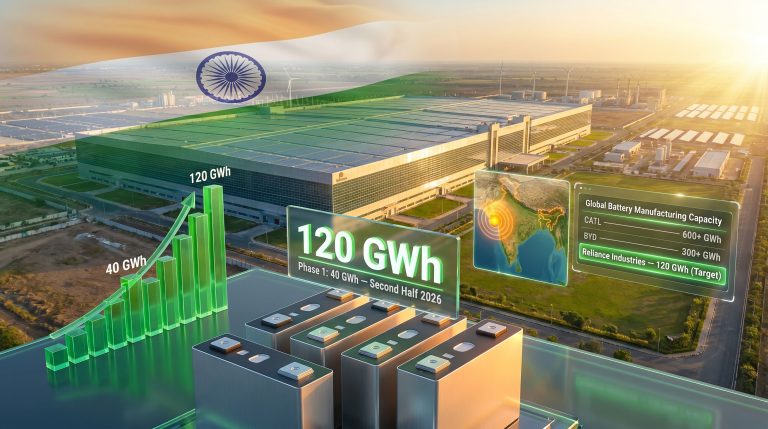
Production capacity expansion in battery manufacturing represents a critical constraint on electric vehicle adoption rates, with global lithium-ion battery production requiring massive scale increases to meet projected demand. Current global production capacity of approximately 1,000 GWh annually must expand to over 4,000 GWh by 2030 to support transportation electrification goals.
Supply chain vertical integration strategies among electric vehicle manufacturers reflect efforts to control costs and ensure component availability, with companies increasingly investing in battery production, semiconductor manufacturing, and critical mineral processing. These integration strategies reshape traditional automotive supply chains and create new competitive dynamics.
Furthermore, global competition dynamics in electric vehicle component sourcing create geopolitical implications as nations recognise strategic importance of battery supply chains and rare earth mineral access. Trade policies increasingly reflect these strategic considerations, influencing investment decisions and manufacturing location choices.
How Are Mining and Resource Sectors Adapting to Electric Fleet Demands?
Critical Mineral Supply Chain Analysis
Lithium, cobalt, and rare earth element demand projections indicate potential supply constraints that could limit electric vehicle production scaling. Global lithium demand for batteries alone is projected to increase from 500,000 tonnes lithium carbonate equivalent in 2022 to over 3 million tonnes by 2030, requiring substantial new mining capacity development.
Australian mining sector positioning in global electric vehicle supply chains demonstrates strategic advantages in lithium, nickel, and rare earth production capabilities. BHP's recent achievement of producing more than 2 million tonnes of copper for the first time in FY25 illustrates the sector's capacity expansion in response to electric vehicle demand, with their South Australian copper operations consistently delivering more than 300,000 tonnes annually over the past three years.
Resource extraction sustainability and environmental considerations become increasingly important as electric vehicle adoption accelerates, with mining companies implementing cleaner extraction technologies to meet automotive industry sustainability requirements. Environmental impact assessments for new mining projects increasingly consider lifecycle carbon footprints and water usage implications.
Industrial Fleet Electrification in Mining Operations
Underground mining equipment electrification progress demonstrates significant advancement in reducing operational emissions and improving worker safety conditions. Electric underground vehicles eliminate diesel exhaust emissions that require extensive ventilation systems, reducing operational costs and improving air quality for mining personnel.
Surface mining haul truck conversion feasibility studies indicate mixed results depending on operational characteristics, with shorter haul distances and continuous operations showing greater electrification potential. Battery weight and charging time constraints limit applications for large mining trucks, though hybrid systems demonstrate promising intermediate solutions.
Remote operation integration with electric vehicle systems creates opportunities for autonomous mining operations that leverage electric vehicles' digital control capabilities. These systems reduce personnel requirements in hazardous environments while optimising operational efficiency through coordinated autonomous vehicle networks.
What Economic Scenarios Could Accelerate or Slow Fleet Adoption?
Energy Price Volatility Impact Modelling
Oil price shock scenarios could dramatically accelerate fleet conversion timelines, with sustained crude oil prices above $100 per barrel creating compelling economic arguments for immediate electric vehicle deployment. Historical analysis suggests that fuel price spikes drive fleet replacement decisions more rapidly than gradual price increases, creating potential for accelerated adoption during energy market disruptions.
Electricity grid stability requirements for mass fleet adoption present potential constraints on deployment timelines, particularly in regions with ageing electrical infrastructure. Grid modernisation investments required for large-scale fleet electrification could exceed $100 billion globally, creating potential bottlenecks for rapid adoption scenarios.
However, carbon tax implementation effects on fleet economics vary significantly across jurisdictions, with comprehensive carbon pricing systems creating strong economic incentives for early electrification. Regions implementing carbon border adjustments may create additional pressures for supply chain electrification to maintain competitive positioning.
Technological Breakthrough Probability Assessment
Battery energy density improvement trajectories suggest gradual rather than revolutionary advances, with solid-state battery technologies offering potential energy density improvements of 50-100% over current lithium-ion systems. Nevertheless, sustainable EV battery recycling and manufacturing scalability remain uncertain for next-generation battery technologies.
Solid-state battery commercialisation timelines indicate potential market availability in the late 2020s for premium applications, though mass market deployment may require additional development time. These technologies could address range limitations that currently constrain electric vehicle adoption in certain fleet applications.
Alternative fuel technology competitive positioning includes hydrogen fuel cells, synthetic fuels, and advanced biofuels that may compete with battery electric systems in specific applications. Technology development trajectories suggest segmented solutions rather than single dominant technologies across all transportation applications.
The next major ASX story will hit our subscribers first
How Do Fleet Electrification Trends Connect to Broader Economic Transformation?
Labour Market Implications of Fleet Electrification
Maintenance workforce retraining requirements represent significant economic and social considerations as electric vehicles require different technical skills compared to conventional vehicles. Electric vehicle maintenance requires electrical systems expertise while reducing demand for traditional engine maintenance capabilities, creating workforce transition challenges for established service networks.
New job category creation in charging infrastructure encompasses installation, maintenance, and operation roles that require different skill sets compared to traditional fuel distribution employment. Industry estimates suggest that comprehensive fleet electrification could create over 2 million new jobs globally in charging infrastructure and related services.
In addition, regional economic impacts of automotive industry transitions vary significantly based on existing industrial capabilities and workforce skills. Regions with strong electrical manufacturing and renewable energy sectors demonstrate advantages in capturing economic benefits from transportation electrification.
Investment Flow Analysis in Transportation Technology
Pension fund and institutional investor allocation patterns increasingly favour sustainable transportation investments, with environmental, social, and governance (ESG) criteria driving capital flows toward electric vehicle and charging infrastructure projects. Global ESG-focused investment funds now exceed $30 trillion in assets under management, creating substantial capital availability for transportation electrification projects.
Government infrastructure spending priorities reflect recognition of transportation electrification's strategic importance, with public investment programmes totalling over $400 billion globally announced for electric vehicle charging infrastructure development. These investment commitments create market confidence that accelerates private sector deployment decisions.
Private equity involvement in fleet management companies demonstrates growing recognition of electrification's impact on traditional fleet service models. Technology platform companies that integrate charging management, vehicle telematics, and energy optimisation attract significant investment as fleet operators seek comprehensive electrification solutions.
What Does the Future Hold for Global Transportation Economics?
Market Consolidation and Competition Dynamics
Fleet management company merger and acquisition trends reflect industry consolidation as companies seek scale advantages in electric vehicle procurement and charging infrastructure development. Smaller fleet operators increasingly rely on third-party services or consolidation opportunities to access electrification capabilities that require significant capital investments.
Technology platform standardisation across vehicle types creates opportunities for integrated fleet management systems that optimise mixed-technology fleets during transition periods. These platforms enable gradual electrification strategies that minimise operational disruptions while maximising economic benefits from electric vehicle deployment.
International trade implications of electric vehicle adoption include shifting competitive advantages toward countries with strong electrical manufacturing capabilities and secure access to critical mineral supplies. Trade policy considerations increasingly reflect these strategic dependencies and their implications for economic security.
Integration with Emerging Technologies
Autonomous vehicle compatibility with electric fleets creates synergistic benefits where both technologies enhance operational efficiency and reduce total ownership costs. Electric vehicles' digital control capabilities facilitate autonomous system integration while providing the consistent power supply required for sensor and computing systems.
Internet of Things connectivity in fleet management systems enables predictive maintenance, route optimisation, and energy management that maximise electric vehicle operational efficiency. These connected systems can improve fleet utilisation rates by 15-25% while reducing total operational costs through optimised vehicle deployment and maintenance scheduling.
Consequently, artificial intelligence optimisation of charging and routing represents a crucial capability for large-scale fleet electrification, with machine learning algorithms coordinating complex variables including energy costs, vehicle availability, charging infrastructure capacity, and delivery requirements. These systems become increasingly important as fleet sizes and operational complexity increase with electrification adoption.
The Strategic Implications for Industry Leaders
The integration of battery metals investment strategies with fleet electrification presents unique opportunities for forward-thinking organisations. Companies that recognise the interconnected nature of resource extraction, battery manufacturing, and transportation deployment position themselves advantageously in emerging value chains.
Moreover, lithium refinery developments across key markets demonstrate how regional processing capabilities influence global supply chain dynamics. These developments create strategic considerations for fleet operators seeking to secure long-term battery supply agreements and cost predictability.
The transformation of global transportation economics through fleet electrification represents far more than a simple technology substitution. It embodies a comprehensive restructuring of operational models, supply chains, and competitive dynamics that will reshape industries for decades. As traditional energy paradigms face mounting pressure from regulatory, environmental, and economic forces, the question of whether do space barons dream of electric fleets becomes less relevant than understanding how terrestrial transportation systems will adapt to these fundamental changes.
The success of this transition depends not only on technological advancement but on coordinated development of infrastructure, workforce capabilities, and financial systems that can support this unprecedented scale of economic transformation. Fleet operators who embrace comprehensive electrification strategies today position themselves for competitive advantages that extend well beyond operational cost savings.
Disclaimer: This analysis contains forward-looking statements and projections that involve inherent risks and uncertainties. Electric vehicle adoption rates, technology development timelines, and economic impacts may vary significantly from projections due to regulatory changes, technological developments, and market conditions. Investment decisions should consider multiple scenarios and risk factors beyond those discussed in this analysis.
Ready to Invest in the Next Major Mineral Discovery?
Discovery Alert instantly alerts investors to significant ASX mineral discoveries using its proprietary Discovery IQ model, turning complex mineral data into actionable insights. Understand why historic discoveries can generate substantial returns by visiting Discovery Alert's dedicated discoveries page, showcasing historic examples of exceptional outcomes, and begin your 14-day free trial today to position yourself ahead of the market.