June 6, 2026
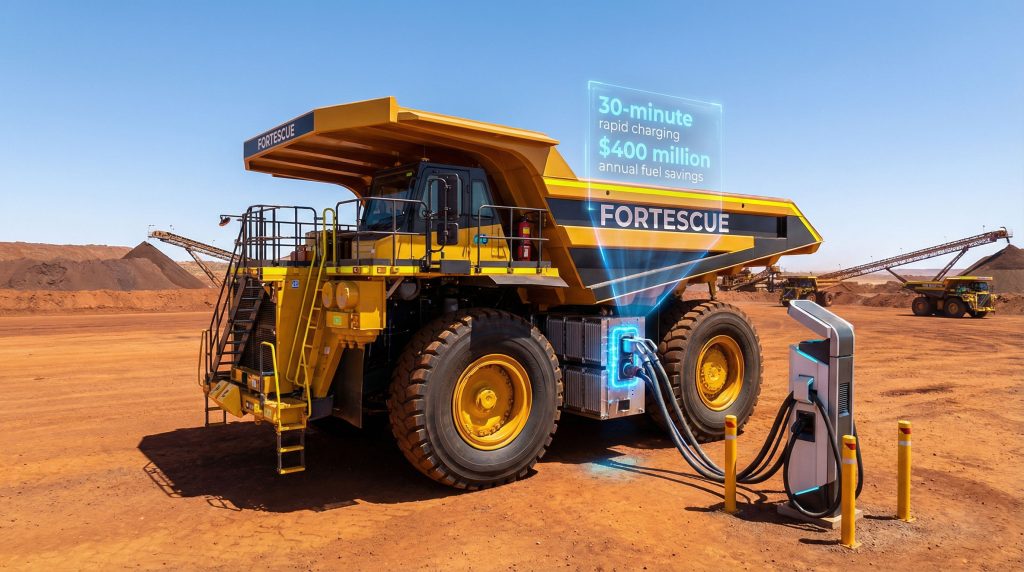
The global mining sector is experiencing an unprecedented transformation as companies increasingly adopt Fortescue zero-emission mining machinery to meet both environmental targets and operational efficiency goals. This technological revolution represents a fundamental shift from traditional diesel-powered equipment to advanced electric powertrains that deliver superior performance characteristics whilst significantly reducing operational emissions.
Mining operators worldwide are recognising that electric powertrains offer distinct advantages beyond environmental compliance. Furthermore, these systems provide instant torque delivery and reduced mechanical complexity compared to conventional diesel engines.
Understanding Battery-Electric Powertrains in Mining Applications
The transition to Fortescue zero-emission mining machinery involves sophisticated battery-electric systems that fundamentally differ from traditional diesel powertrains. Unlike diesel engines requiring complex transmission systems to manage torque delivery, electric motors provide instant torque across their entire operational range.
This characteristic proves particularly valuable in mining applications where equipment must handle variable loads during material handling cycles. Moreover, electric powertrains eliminate the need for multi-speed transmissions, reducing mechanical complexity and associated maintenance requirements.
The energy storage systems in modern mining equipment utilise lithium-ion battery technologies with energy densities approaching 250-300 Wh/kg. However, these battery packs must withstand extreme temperature variations common in mining environments, from sub-zero conditions during winter operations to temperatures exceeding 50°C in enclosed mine spaces.
Fast-Charging Infrastructure for Heavy Mining Equipment
Implementing rapid charging capabilities for 240-tonne haul trucks requires substantial electrical infrastructure investments. Modern fast-charging systems for heavy mining equipment operate at voltage levels between 800V and 1500V DC, enabling power transfer rates exceeding 1 megawatt.
The charging infrastructure must accommodate the unique operational patterns of mining equipment. Consequently, machinery operates in predictable cycles with defined loading, hauling, and dumping phases. Charging stations are strategically positioned at loading areas and maintenance facilities to maximise equipment utilisation during natural operational breaks.
Grid integration challenges in remote mining locations like the Pilbara region require careful consideration of power distribution systems. In addition, many mining operations invest in dedicated renewable energy generation to support charging infrastructure whilst maintaining energy independence from external grid connections.
When big ASX news breaks, our subscribers know first
Current Zero-Emission Equipment Deployments Across Mining Operations
XCMG Prototype Specifications and Performance Parameters
The recently unveiled XCMG prototypes represent significant advances in electric mining equipment design. These revolutionary lithium batteries power prototype wheel loaders and wheel dozers operating within the 70-130 tonne weight class, positioning them as substantial auxiliary equipment for iron ore mining operations.
These prototypes incorporate advanced battery management systems designed to maintain consistent performance throughout extended operational shifts. Furthermore, the power management systems utilise regenerative braking during deceleration phases, recovering energy that would otherwise be lost as heat in traditional hydraulic braking systems.
Current battery-electric excavators deployed at Fortescue operations demonstrate the feasibility of electrifying hydraulic-intensive equipment. The 12 operational units provide valuable performance data for scaling electrification across larger equipment categories.
Infrastructure Integration with Renewable Energy Sources
Fortescue's Cloudbreak Solar Farm installation exceeds 300,000 solar panels, generating substantial renewable electricity for mining operations. This solar capacity directly supports the charging requirements for battery-electric equipment whilst reducing reliance on diesel generators for auxiliary power needs.
The North Star Junction battery energy storage system commissioned in early 2025 provides grid stabilisation and load balancing capabilities. This 14.5 MWh storage capacity enables charging operations during periods when solar generation exceeds immediate operational demands.
Battery-electric locomotives with matching 14.5 MWh capacity demonstrate successful integration of electric powertrains in rail transport applications within mining operations. However, these locomotives provide operational insights applicable to other heavy equipment categories, particularly in relation to mining industry innovation trends.
Financial Analysis Framework for Zero-Emission Equipment Investments
Capital Investment Structures and Procurement Strategies
The $615 million XCMG contract represents more than 100 pieces of zero-emission machinery, indicating average per-unit costs approaching $6 million for heavy electric mining equipment. This investment level reflects the premium associated with early-adoption electric technology compared to conventional diesel alternatives.
Mining companies evaluate total cost of ownership over extended equipment lifecycles, typically spanning 10-15 years for heavy machinery. Consequently, electric powertrains offer reduced maintenance requirements due to fewer moving parts compared to diesel engines, potentially offsetting higher initial capital costs.
Fortescue's global decarbonisation efforts demonstrate the scale of investment required for comprehensive fleet electrification. Furthermore, financing structures for electric mining equipment often incorporate performance guarantees from manufacturers, protecting operators against technology risks during the transition period.
Operational Cost Reduction Calculations
Electric equipment eliminates diesel fuel consumption, which represents a substantial operational expense for mining companies. Large haul trucks consume approximately 200-300 litres of diesel per hour during loaded operations, translating to significant annual fuel costs across entire fleets.
Maintenance cost reductions stem from simplified powertrain designs with fewer wear components requiring regular replacement. In addition, electric motors require minimal scheduled maintenance compared to diesel engines that demand frequent oil changes, filter replacements, and emission system servicing.
Energy costs for electric equipment depend heavily on local electricity pricing and renewable energy availability. Moreover, mining operations with dedicated solar and battery storage systems achieve lower per-kWh energy costs compared to diesel fuel on an equivalent energy basis.
Engineering Challenges in Heavy Equipment Electrification
Battery Integration and Vehicle Dynamics
Integrating high-capacity battery packs into 240-tonne mining equipment requires extensive structural modifications to existing chassis designs. Battery placement affects vehicle centre of gravity, influencing stability during loaded operations on steep haul roads common in open-pit mining.
Thermal management systems become critical components in electric mining equipment due to substantial heat generation during high-power operations. However, cooling systems must maintain battery temperatures within optimal ranges whilst operating in dusty, high-temperature mining environments.
Weight distribution considerations involve balancing battery mass against payload capacity. Furthermore, engineers must optimise battery placement to maintain equipment stability whilst preserving maximum material handling capacity, particularly when implementing electrification and decarbonisation strategies.
Power Management During Peak Load Operations
Electric mining equipment experiences highly variable power demands during operational cycles. Loading phases require maximum hydraulic power for material handling, whilst transport phases demand sustained power delivery for propulsion under heavy loads.
Regenerative braking systems capture energy during downhill sections of haul roads, potentially recovering 15-20% of total energy consumption in operations with favourable topography. This energy recovery capability provides operational advantages unique to electric powertrains.
Peak power management systems prevent battery damage during simultaneous high-demand operations such as climbing loaded whilst operating hydraulic systems. Consequently, advanced power electronics distribute available energy between propulsion and auxiliary systems based on operational priorities.
Operational Workflow Modifications for Electric Equipment
Equipment Rotation and Charging Cycle Management
Mining operations must restructure shift patterns to accommodate charging requirements for Fortescue zero-emission mining machinery. Typical 12-hour operational shifts require strategic planning to ensure equipment remains available during peak production periods.
Fleet management systems coordinate charging schedules with production demands, rotating equipment through charging cycles during natural operational breaks. Furthermore, this coordination becomes increasingly complex as the proportion of electric equipment increases within mixed fleets.
Workforce training programmes address the operational differences between electric and diesel equipment. In addition, operators require education on battery management, charging procedures, and modified performance characteristics of electric powertrains.
Mine Site Infrastructure Expansion Requirements
Electrical grid capacity expansion represents a substantial infrastructure investment for mining operations transitioning to electric equipment. High-power charging systems require dedicated electrical distribution networks capable of managing multiple simultaneous charging operations.
Charging station placement optimisation considers equipment movement patterns, operational workflow, and electrical distribution efficiency. Moreover, strategic positioning reduces infrastructure costs whilst maximising equipment availability during charging cycles.
Integration with existing renewable energy installations enables mining operations to utilise solar generation capacity during peak production hours. However, charging equipment during lower-demand periods requires sophisticated energy management systems, particularly when implementing battery recycling breakthrough technologies.
Performance Benchmarking and Success Metrics
Productivity Measurement Systems
Electric mining equipment performance evaluation focuses on maintaining productivity levels achieved by diesel predecessors whilst delivering environmental benefits. Key metrics include tonnes moved per hour, equipment availability rates, and operational efficiency during mixed fleet operations.
Fortescue's record iron ore production achieved during renewable energy infrastructure deployment demonstrates that electrification can coincide with productivity improvements. This performance validates the commercial viability of Fortescue zero-emission mining machinery.
Equipment availability metrics become particularly important during the transition period when operators maintain both electric and diesel fleets. Consequently, charging infrastructure capacity must support operational demands without creating equipment bottlenecks.
Environmental Impact Quantification
Emissions reduction tracking methodologies measure both direct fuel consumption elimination and indirect emissions from electricity generation. Mining operations with renewable energy integration achieve substantially greater emissions reductions compared to grid-powered charging systems.
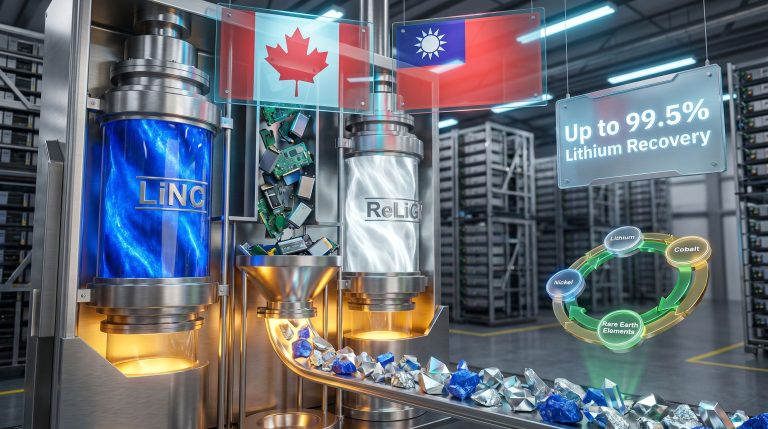
Carbon footprint reduction verification requires comprehensive lifecycle analysis including battery manufacturing, electricity generation sources, and end-of-life battery recycling. Furthermore, these assessments provide accurate environmental impact measurements for regulatory reporting and sustainability targets.
Fuel consumption elimination quantification involves detailed analysis of historical diesel usage patterns across different equipment categories. Large haul trucks typically consume the highest volumes, making their electrification particularly impactful for overall emissions reduction, as detailed in lithium refinery insights.
The next major ASX story will hit our subscribers first
Technical Specifications Critical for Equipment Procurement
Battery Performance Requirements
Mining equipment batteries must deliver consistent performance throughout 12-hour operational shifts whilst maintaining adequate reserve capacity for unexpected operational demands. Energy density requirements typically exceed 200 Wh/kg to achieve acceptable equipment range between charging cycles.
Charging cycle durability directly impacts total cost of ownership, with mining equipment batteries requiring longevity exceeding 5,000 charge cycles to match traditional equipment lifecycles. In addition, advanced battery management systems monitor cell degradation and optimise charging patterns to maximise operational life.
Temperature performance ranges must accommodate extreme mining environments, with batteries maintaining functionality from -30°C to +60°C ambient temperatures. Moreover, thermal management systems require robust design to handle both extreme weather conditions and heat generated during high-power operations.
Mechanical System Integration Considerations
Hydraulic system power requirements for electric powertrains differ substantially from diesel applications due to different power delivery characteristics of electric motors. Electric systems can provide more precise hydraulic control, potentially improving material handling efficiency.
Transmission modifications for electric motor integration often involve simplified gearing systems or direct-drive configurations that reduce mechanical complexity. These modifications can improve overall system efficiency whilst reducing maintenance requirements.
Cooling system adaptations must address both electric motor heat generation and battery thermal management requirements. Furthermore, integrated cooling systems optimise energy efficiency whilst maintaining component temperatures within operational specifications.
What Are the Key Risk Management Strategies for Technology Transition?
Phased Implementation and Validation Protocols
Mining companies implement phased deployment strategies to minimise operational risks during the transition to electric equipment. Initial deployments focus on auxiliary equipment categories with lower operational criticality before advancing to primary production equipment.
Validation testing protocols evaluate equipment performance under actual mining conditions before full-scale deployment. These testing phases typically extend over multiple operational cycles to assess performance across varying operational scenarios and environmental conditions.
Performance monitoring systems track key operational metrics during early deployment phases. Consequently, this monitoring enables continuous refinement of operational procedures and maintenance protocols whilst providing data to optimise equipment utilisation.
Multi-Supplier Diversification Approaches
Strategic partnerships with multiple equipment suppliers reduce technology risk whilst encouraging competitive innovation. Fortescue's massive battery-electric truck orders demonstrate the company's approach of engaging both established manufacturers and emerging technology providers.
Service and maintenance agreement structures incorporate performance guarantees and technology support provisions that protect operators during the early adoption period. Furthermore, these agreements typically include training programmes, spare parts availability, and technical support services.
Technology obsolescence protection mechanisms ensure equipment remains supportable throughout operational lifecycles despite rapid technological advancement in battery and power electronics technologies. However, this requires careful consideration of long-term supplier relationships and technology roadmaps.
Future Technology Development and Industry Implications
Next-Generation Equipment Innovation
Autonomous operation integration with electric powertrains represents the next evolution in mining equipment technology. Electric systems provide enhanced control precision and reduced maintenance complexity that supports autonomous operational requirements.
Hydrogen fuel cell alternatives emerge as potential solutions for ultra-heavy equipment categories where battery weight limitations constrain operational capability. Fuel cells offer extended range capabilities whilst maintaining zero local emissions characteristics.
Wireless charging technology development targets continuous operation scenarios where equipment charging occurs during material loading phases. Moreover, these systems could eliminate charging downtime whilst maintaining operational productivity levels.
Industry-Wide Competitive Dynamics
Traditional equipment manufacturers face increasing pressure to develop competitive electric alternatives as mining companies accelerate zero-emission transitions. This competitive environment drives rapid technological advancement and cost reduction across the industry.
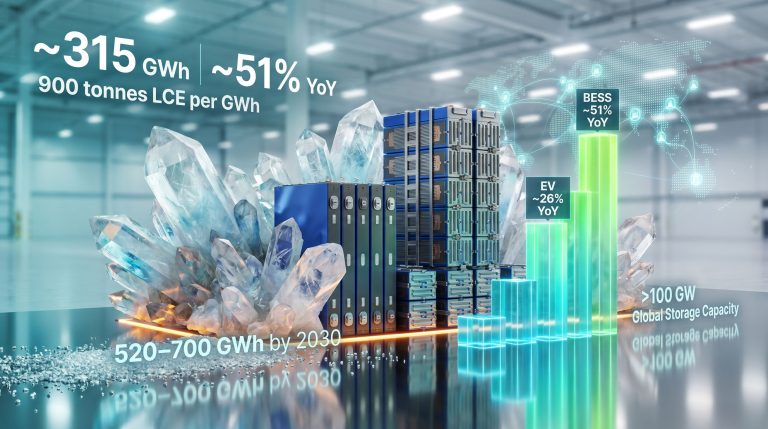
Supply chain implications for battery raw materials create new dependencies on lithium, cobalt, and rare earth element availability. Furthermore, mining companies must consider these supply chain risks when planning large-scale equipment electrification programmes.
Regulatory drivers including carbon pricing mechanisms and emissions standards accelerate zero-emission equipment adoption timelines. These policy frameworks create economic incentives that improve the financial viability of electric equipment investments whilst supporting broader decarbonisation objectives.
Disclaimer: The information presented in this analysis is based on publicly available sources and industry reports. Equipment specifications, financial projections, and performance metrics may vary based on specific operational conditions and manufacturer configurations. Mining companies should conduct detailed feasibility studies and consult with equipment manufacturers before making investment decisions regarding zero-emission mining equipment.
Ready to Invest in the Next Major Mineral Discovery?
Discovery Alert instantly alerts investors to significant ASX mineral discoveries using its proprietary Discovery IQ model, turning complex mineral data into actionable insights. Understand why historic discoveries can generate substantial returns by visiting Discovery Alert's dedicated discoveries page, showcasing historic examples of exceptional outcomes, and begin your 14-day free trial today to position yourself ahead of the market.