
May 11, 2026
Geographic chokepoints have historically determined the fate of civilisations, from ancient trade routes to modern energy corridors. Today's global economy depends on narrow maritime passages that can be sealed or weaponised within hours, creating systemic vulnerabilities that extend far beyond regional conflicts. When diplomatic claims and counter-claims emerge around these critical transit zones, markets react with volatility that reflects deeper structural weaknesses in international energy infrastructure.
The recent dispute over alleged peace negotiations between Washington and Tehran illustrates how information warfare intersects with energy security. Iran disputes Trump's claim of peace deal highlighting the complex dynamics between state messaging, market psychology, and infrastructure vulnerability in an interconnected world where single chokepoints can disrupt global supply chains.
Strategic Information Operations and Market Manipulation
Parliamentary Messaging as Economic Warfare
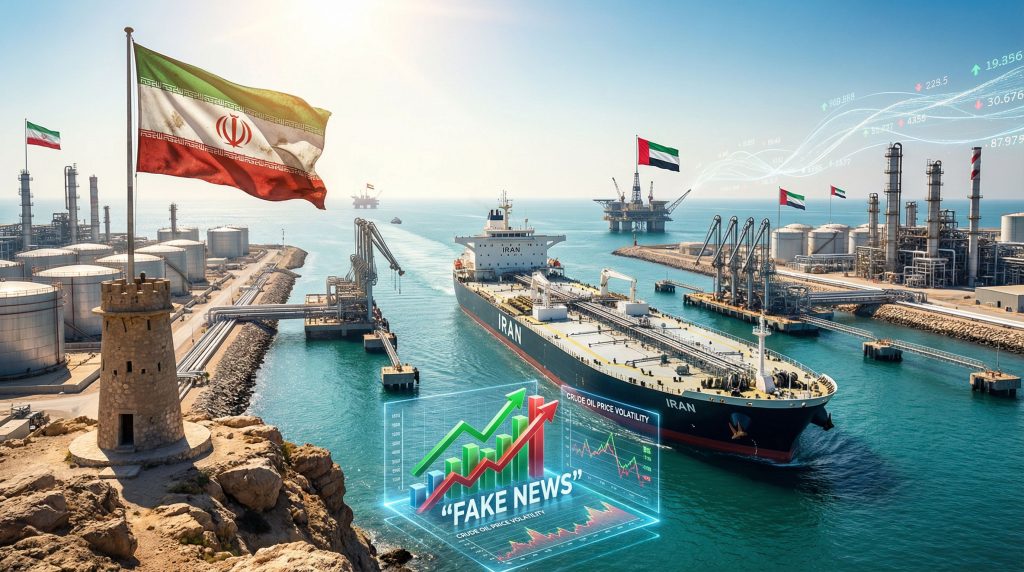
Modern diplomatic disputes increasingly feature coordinated information campaigns designed to influence commodity markets alongside traditional negotiating tactics. Parliamentary Speaker Mohammad Bagher Ghalibaf's characterisation of peace talks as fabricated news targeting financial markets represents a sophisticated understanding of how information flows affect energy pricing mechanisms.
Iranian officials have historically utilised state media channels including IRIB, Fars News Agency, and PressTV as primary information dissemination platforms during international tensions. This approach reflects documented Iranian strategic communications doctrine that views narrative control as essential to asymmetric deterrence capabilities.
The timing and specificity of official denials can create measurable market impacts. Energy futures exhibit heightened sensitivity to geopolitical announcements because physical delivery timelines cannot be instantaneously adjusted, making traders particularly vulnerable to information asymmetries during diplomatic uncertainty.
Regulatory Frameworks for Crisis Communications
Current sanctions compliance architectures under U.S. OFAC programs create complex legal environments where diplomatic status directly affects trading permissions. Financial institutions must implement sanctions screening protocols under Bank Secrecy Act requirements, making unconfirmed diplomatic claims particularly problematic for energy market participants.
Key compliance challenges include:
- Real-time verification of diplomatic claim authenticity
- Risk assessment protocols for trading during disputed negotiations
- Documentation requirements for sanctions screening systems
- Legal liability frameworks for acting on unconfirmed official statements
The regulatory gap between confirmed diplomatic developments and market-moving claims creates opportunities for manipulation that current oversight mechanisms struggle to address effectively. Furthermore, the US economy tariffs compound these complexities by creating additional uncertainty layers.
When big ASX news breaks, our subscribers know first
Maritime Chokepoint Vulnerabilities and Market Psychology
Critical Infrastructure Dependencies
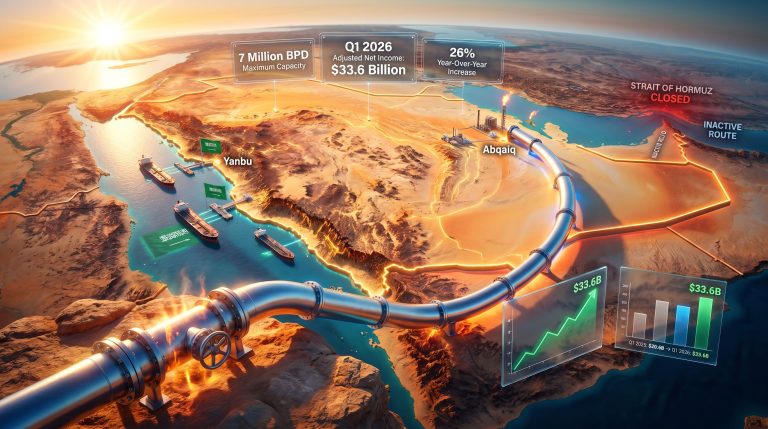
The Strait of Hormuz represents one of the world's most significant single points of failure in global energy infrastructure. Approximately 21-25% of globally traded petroleum transits this narrow waterway annually, according to U.S. Energy Information Administration data. This concentration creates systemic risk that extends far beyond regional political disputes.
| Transit Chokepoint | Daily Volume (mbpd) | Global Share (%) | Alternative Routes |
|---|---|---|---|
| Strait of Hormuz | 21-23 | 21-25% | Limited pipeline capacity |
| Strait of Malacca | 15-16 | 15-18% | Longer shipping routes |
| Suez Canal | 9-11 | 9-12% | Cape of Good Hope |
| Bab el-Mandeb | 6-7 | 6-8% | Cape route extension |
The economic mathematics of chokepoint disruption are stark: a single day's closure of Hormuz costs the global economy approximately $1.5-2 billion in lost throughput value, based on average crude pricing applied to 21 million barrel daily volumes.
Market Microstructure During Diplomatic Uncertainty
Energy markets exhibit specific behavioural patterns when geopolitical claims conflict with official denials. Historical analysis reveals several consistent responses related to the tariff market impact on global energy pricing.
Initial price movements typically reflect the most optimistic interpretation of diplomatic developments, as traders position for potential conflict resolution.
Correction phases follow official denials, often exceeding the initial price movement in magnitude as risk premiums are repriced.
Volatility amplification occurs when multiple official sources provide conflicting information, creating uncertainty that systematic trading algorithms struggle to process effectively.
The 2019 Aramco facility attacks provide instructive precedent: Brent crude spiked from approximately $61/barrel to $72/barrel (+18% intraday) before moderating as markets assessed actual supply disruptions versus initial threat assessments.
Regional Power Coordination Mechanisms
Gulf Cooperation Council Response Frameworks
The UAE's diplomatic intervention through ADNOC leadership demonstrates how regional energy producers coordinate crisis responses. Abu Dhabi's state oil company produced approximately 3.1-3.2 million barrels per day in 2023-2024, representing 3-4% of global crude exports and providing significant influence in international energy markets.
GCC states historically utilise established coordination mechanisms including:
- Gulf Cooperation Council institutional frameworks for policy alignment
- OPEC+ communication channels for production coordination
- Bilateral energy security arrangements with major consuming nations
- Emergency response protocols for infrastructure protection
Sultan Al Jaber's position as both ADNOC Chief Executive and former COP28 President provides unique diplomatic leverage that regional allies can deploy during energy security crises.
Multi-State Mediation Patterns
Regional powers have historically served mediation roles during Middle East energy disputes. Kuwait, Oman, and Qatar maintain diplomatic relationships across regional divisions that enable third-party communication channels when direct negotiations prove impossible.
These mediation frameworks become particularly valuable when:
- Direct diplomatic communication is severed
- International sanctions complicate official engagement
- Market stability requires rapid de-escalation mechanisms
- Infrastructure protection requires coordinated security responses
Moreover, the Saudi exploration impact demonstrates how regional energy developments affect global diplomatic calculations.
Iran's foreign ministry warning about decisive, immediate, and effective responses to energy infrastructure attacks highlights the urgent need for international protocols governing civilian energy facility protection during conflicts.
International Legal Frameworks and Energy Infrastructure
Geneva Convention Applications to Energy Facilities
International humanitarian law provides limited protection for civilian energy infrastructure during armed conflicts. Geneva Convention Additional Protocol I prohibits attacks on installations containing dangerous forces if such attacks may cause severe losses among civilian populations, but enforcement mechanisms remain inadequate.
Legal protection challenges include:
- Dual-use facility classifications that blur civilian/military distinctions
- Proportionality assessments that weigh military advantage against civilian harm
- Command responsibility frameworks for infrastructure targeting decisions
- Reparations mechanisms for economic damages from facility destruction
Customary international law regarding proportionality in military operations provides theoretical protection for energy facilities, but practical enforcement depends on political will rather than legal mechanisms.
Sanctions and Energy Trade Compliance
Current sanctions architectures create complex compliance environments where energy infrastructure protection intersects with economic warfare. The U.S. OFAC maintains continuously updated sanctions lists under various programs affecting Iranian energy sector operations.
International energy companies must navigate regulatory requirements including:
- Real-time sanctions screening for all transaction participants
- Enhanced due diligence for energy infrastructure investments
- Compliance documentation for emergency supply arrangements
- Legal risk assessment for force majeure situations
Additionally, the Trump tariffs impact creates further compliance complexities for energy sector participants.
Price Volatility Analysis and Market Response Mechanisms
Crude Oil Market Dynamics During Diplomatic Disputes
Energy futures markets implement circuit breakers and trading halts when price movements exceed defined thresholds, typically 10-13% for crude oil contracts on NYMEX and ICE exchanges. However, these mechanisms provide limited protection against sustained volatility driven by persistent geopolitical uncertainty.
Historical precedent demonstrates consistent patterns in market responses to diplomatic claims:
Phase 1: Initial Relief – Markets price in optimistic diplomatic scenarios, typically lasting 2-8 hours
Phase 2: Denial Impact – Official contradictions trigger correction phases often exceeding initial movements
Phase 3: Uncertainty Premium – Sustained volatility emerges as markets struggle to price conflicting information
Phase 4: Structural Repricing – New risk premiums incorporate lessons from information asymmetries
Natural Gas Market Correlations
European gas markets exhibit strong correlation with Middle East diplomatic developments despite limited direct supply relationships. The benchmark TTF hub has demonstrated 15-20% intraday volatility during regional crises as traders reassess global LNG supply security.
This correlation reflects several factors:
- LNG cargo diversion capabilities during supply disruptions
- European storage constraints that amplify supply security concerns
- Financial market connections between oil and gas pricing mechanisms
- Geopolitical risk premiums that affect all energy commodities simultaneously
Consequently, the broader US‑China trade war dynamics further complicate these market relationships.
Information Verification and Market Oversight
Regulatory Gaps in Crisis Communications
Current market oversight mechanisms struggle with the speed and complexity of modern diplomatic information warfare. The Commodities Futures Trading Commission enforces position limits and reporting requirements under 17 CFR Part 150, but these tools were designed for traditional market manipulation rather than state-sponsored information operations.
Critical oversight challenges include:
- Verification protocols for diplomatic claims during fast-moving crises
- Attribution standards for state-sponsored information campaigns
- Cross-border coordination between regulatory agencies
- Real-time monitoring of unusual trading patterns during geopolitical events
Market participants require enhanced frameworks for validating official claims before making trading decisions that could violate sanctions or contribute to market manipulation.
Strategic Reserve Utilisation Policies
The appropriate deployment of strategic petroleum reserves during diplomatic uncertainty remains contentious. Historical precedent from the Biden administration's 2021-2022 reserve releases illustrates how political considerations can override traditional energy security doctrines.
Reserve deployment criteria should consider:
- Actual versus threatened supply disruptions
- Market manipulation potential of reserve announcements
- International coordination with allied reserve systems
- Long-term strategic reserve sustainability requirements
Current reserve policies lack clear triggers for deployment during information-driven market volatility as opposed to physical supply disruptions.
The next major ASX story will hit our subscribers first
Long-Term Energy Security Reforms
Diversification Strategy Implementation
Reducing dependence on single chokepoint vulnerabilities requires coordinated international investment in alternative transit routes and supply sources. Policy frameworks must incentivise private sector participation whilst maintaining emergency response capabilities.
Infrastructure diversification priorities include:
- Pipeline capacity expansion to bypass maritime chokepoints
- Strategic storage facilities in consuming regions
- Emergency sharing agreements between allied nations
- Alternative energy source development to reduce fossil fuel dependencies
Investment incentives for alternative energy transit routes require regulatory clarity and long-term policy stability that current political cycles struggle to provide.
International Cooperation Mechanisms
The International Energy Agency provides coordination protocols for member nations during supply crises, but these mechanisms require updating for modern information warfare and hybrid conflicts. Regional energy security partnerships need strengthening to address asymmetric threats that individual nations cannot counter effectively.
Enhanced cooperation frameworks should include:
- Standardised crisis communication protocols
- Joint intelligence sharing on energy infrastructure threats
- Coordinated regulatory responses to market manipulation
- Emergency supply sharing triggered by diplomatic as well as physical disruptions
Maritime Law Modernisation for Energy Security
International Waters Governance
Current maritime law frameworks provide insufficient protection for energy transit routes during hybrid conflicts. The International Maritime Organisation's Traffic Separation Scheme for Hormuz requires updating to address modern threat environments where state and non-state actors can weaponise commercial shipping.
Legal framework gaps include:
- Enforcement mechanisms for freedom of navigation principles
- Liability frameworks for state-sponsored disruptions to international waters
- Emergency protocols for joint waterway management during crises
- Dispute resolution mechanisms for energy transit conflicts
Multilateral agreements governing critical shipping lanes must balance sovereignty concerns with international energy security requirements. Furthermore, recent reports from NBC News highlight the complexity of negotiating energy security arrangements during diplomatic uncertainty.
Crisis Communication Standards
Energy markets require enhanced standards for verifying official communications during diplomatic crises. Regulatory frameworks should mandate disclosure requirements and verification protocols that prevent state-sponsored market manipulation.
Communication standards should address:
- Authentication requirements for official diplomatic statements
- Market transparency obligations during geopolitical tensions
- Real-time correction mechanisms for false or misleading claims
- Coordination protocols between regulatory agencies and diplomatic channels
Investment Strategy Implications
What are the key geopolitical risk factors for energy investors?
Energy sector investors require enhanced analytical frameworks for evaluating geopolitical risks that extend beyond traditional political risk insurance. Modern conflicts feature information warfare components that can create market volatility independent of physical disruptions.
Investment considerations include:
- Portfolio diversification across multiple transit routes and supply sources
- Hedging strategies that account for information-driven volatility
- Due diligence frameworks for supply chain chokepoint analysis
- Emergency response planning for rapid market dislocations
How do market psychology patterns affect energy trading?
Trader behaviour during diplomatic uncertainty follows predictable patterns that create systematic opportunities for manipulation. Understanding these psychological factors becomes essential for both regulators and market participants.
Key behavioural factors include:
- Optimism bias in initial responses to peace claims
- Overreaction to official denials and contradictory information
- Herding behaviour during uncertain information environments
- Cognitive biases that amplify volatility beyond fundamental justification
Building Resilient Energy Governance Systems
Policy Integration Recommendations
Effective energy security governance requires integrating diplomatic, legal, and market regulatory approaches into coherent crisis response frameworks. Current institutional boundaries between foreign policy, financial regulation, and energy oversight create coordination gaps that sophisticated adversaries can exploit.
Integration priorities include:
- Joint planning between diplomatic and regulatory agencies
- Cross-border coordination mechanisms for market oversight
- Enhanced information sharing protocols during crises
- Unified policy responses that address both physical and information threats
Long-Term Institutional Reforms
Energy security challenges require institutional reforms that strengthen resilience against both physical disruptions and information warfare. These reforms must balance market efficiency with security requirements whilst maintaining international cooperation frameworks.
Reform recommendations include:
- Enhanced regulatory authority for cross-border energy market manipulation
- Strengthened international legal frameworks for energy infrastructure protection
- Improved coordination between intelligence agencies and market regulators
- Investment incentives for supply chain diversification and chokepoint alternatives
The intersection of energy security, diplomatic information warfare, and market volatility represents a growing challenge for global economic stability. Iran disputes Trump's claim of peace deal, but the broader implications extend far beyond this specific disagreement to encompass systemic vulnerabilities in how modern economies manage energy security risks.
Addressing these challenges requires unprecedented cooperation between governments, regulatory agencies, and market participants to build more resilient systems capable of withstanding both physical disruptions and sophisticated information operations designed to weaponise economic interdependence. In addition, analysis from The Guardian suggests that diplomatic pathways remain complex and uncertain.
Disclaimer: This analysis contains forward-looking assessments and speculative elements regarding geopolitical developments and market dynamics. Investment decisions should incorporate comprehensive risk assessment and professional financial advice. Geopolitical situations can change rapidly, affecting the validity of analytical assumptions and market predictions.
How Can Investors Navigate Complex Geopolitical Energy Markets?
Discovery Alert's proprietary Discovery IQ model provides essential market intelligence for investors facing volatile commodity markets influenced by geopolitical developments like these energy security challenges. Access Discovery Alert's dedicated discoveries page to explore how major mineral discoveries can deliver substantial returns during periods of global uncertainty, and begin your 14-day free trial today to secure a competitive advantage in rapidly evolving markets.

