June 25, 2026
Understanding the Geopolitical Chess Game in West African Mining
Global supply chain vulnerabilities have reached critical inflection points where traditional commercial mining investment intersects with national security imperatives. The contemporary landscape of critical minerals energy security reveals complex ownership architectures spanning multiple jurisdictions, creating strategic dependencies that extend far beyond simple resource extraction. When examining these investment patterns across West Africa’s mineral-rich regions, several underlying tensions emerge between immediate commercial opportunities and long-term strategic autonomy considerations.
The recent congressional scrutiny of Ivanhoe Atlantic China ties exemplifies how mining investment structures designed for commercial efficiency can generate unexpected geopolitical complications. Representative John Moolenaar’s formal inquiry to the State Department regarding alleged connections between Delaware-incorporated mining entities and Chinese state-linked investors demonstrates the heightened attention that complex ownership arrangements now receive from policymakers focused on supply chain security.
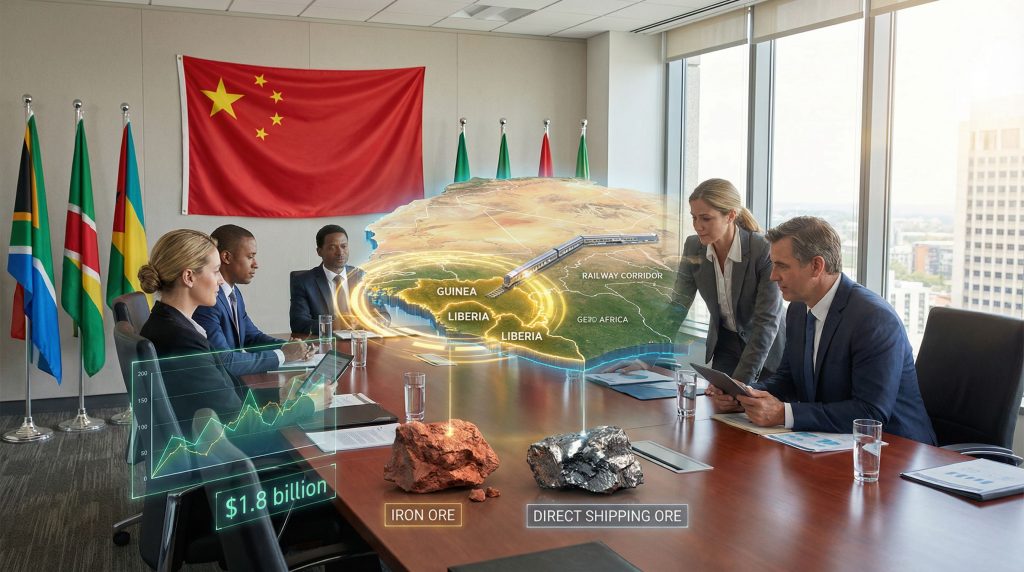
This evolving scrutiny reflects broader recognition that critical mineral projects function simultaneously as commercial enterprises and strategic assets with multi-decade operational implications. The $1.8 billion investment agreement signed in July 2025 between Ivanhoe Atlantic and Liberia for railway corridor rehabilitation illustrates how infrastructure development can create persistent regional influence patterns that outlast individual commercial agreements.
When big ASX news breaks, our subscribers know first
What Are the Key Components of Modern Mining Investment Structures?
Complex Ownership Architectures in Global Mining
Contemporary mining investment structures have evolved to accommodate multiple stakeholder objectives whilst navigating diverse regulatory environments. The Ivanhoe Atlantic China ties case demonstrates typical characteristics of modern resource development financing, where legally distinct entities maintain structural separation despite external perceptions of strategic alignment.
Ivanhoe Atlantic’s Corporate Architecture:
- Delaware incorporation for legal framework advantages
- Majority ownership through I Pulse Inc. (associated with Robert Friedland), which Ivanhoe Atlantic states does not imply shared management or governance with Ivanhoe Mines
- Strategic separation from Ivanhoe Mines, with no shared board, management, or operational control
- Operational independence claims despite interconnected beneficial ownership
The complexity emerges from Ivanhoe Mines’ shareholder composition, where approximately 30% of equity is held by Chinese state-linked entities including CITIC Group and Zijin Mining Group. These investors have contributed hundreds of millions of dollars to support project advancement over multiple years, creating substantial financial interdependencies. Furthermore, the Zijin Mining expansion strategy demonstrates the broader patterns of Chinese resource investment across global markets.
CITIC Group’s Strategic Position:
- Telecommunications subsidiary designated national security risk by U.S. Federal Communications Commission
- Long-term equity holder in Ivanhoe Mines with operational influence potential
- Strategic investor model typical of Chinese resource security initiatives
Zijin Mining Group’s Regulatory Status:
- Added to U.S. Uyghur Forced Labor Prevention Act entity list in 2025
- Historical strategic investor in Ivanhoe Mines development projects
- Active participant in African mining development across multiple jurisdictions
The Role of Strategic Investors in Resource Development
Strategic investors in African mining projects serve multiple functions beyond capital provision. Analysis of investment patterns reveals distinct motivations and operational approaches:
| Investor Category | Primary Objectives | Capital Deployment | Risk Tolerance |
|---|---|---|---|
| State-linked entities | Resource security, diplomatic influence | Patient capital, multi-decade horizons | High political risk acceptance |
| Private equity | Financial returns, portfolio diversification | Commercial timelines, exit-focused | Risk-adjusted return requirements |
| Development banks | Economic development, infrastructure | Concessional financing, social impact | Sovereign guarantee requirements |
| Mining majors | Operational synergies, market consolidation | Strategic acquisitions, joint ventures | Technical risk specialization |
The Ivanhoe case illustrates how these categories intersect, creating governance challenges when commercial operators must balance competing stakeholder priorities. Chinese strategic investors typically employ patient capital approaches with multi-decade investment horizons, whilst commercial operators focus on near-term project advancement and market positioning.
How Do Rail Infrastructure Projects Reshape Regional Mineral Flows?
The Strategic Importance of Transportation Corridors
Railway infrastructure in West Africa represents critical economic and strategic assets that extend far beyond simple logistics functions. The $1.8 billion railway corridor rehabilitation project connecting Guinea’s mineral deposits to Liberian deep-water ports demonstrates how transportation infrastructure creates persistent regional influence patterns. In addition, these iron haulage operations highlight the critical importance of maintaining safe and efficient transport systems.
Multi-User Rail System Economics:
The planned multi-user rail connection offers several strategic advantages:
- Cost amortisation across multiple mining operators reduces per-tonne transportation expenses
- Market access for smaller mining operations previously unable to justify transportation infrastructure
- Regional integration through shared logistics networks
- Operational leverage for infrastructure controllers over decades-long operational periods
Kon Kweni Project Integration:
The Kon Kweni iron ore project, classified as one of the world’s highest-grade undeveloped direct shipping ore deposits, exemplifies how transportation infrastructure enables commercialisation of previously stranded assets. Environmental and social impact assessments have been completed, with construction expected to commence in 2026.
Direct Shipping Ore Advantages:
- Processing elimination reduces steel producer costs and complexity
- Quality premiums of 10-15% versus lower-grade ore requiring beneficiation
- Supply chain efficiency through reduced processing steps
- Market positioning advantages during supply disruption periods
Economic Arteries and Regional Development
Transportation corridors function as economic multipliers that reshape regional development patterns. The Guinea-Liberia railway corridor creates:
Immediate Economic Benefits:
- Employment generation during construction and operational phases
- Technology transfer through infrastructure development partnerships
- Foreign exchange earnings for host governments
- Regional economic integration through improved connectivity
Long-term Strategic Implications:
- Infrastructure operator influence over mineral flow patterns
- Regional economic dependency on corridor functionality
- Geopolitical leverage through transportation control
- Market access gatekeeping for multiple mining operations
“The multi-user rail infrastructure creates shared economic benefits whilst potentially concentrating strategic control over regional mineral flows in the hands of infrastructure operators.”
What Makes Iron Ore Projects Strategically Significant?
Direct Shipping Ore and Global Steel Supply Chains
High-grade iron ore deposits occupy critical positions in global steel production networks due to their processing advantages and supply chain efficiency benefits. The Kon Kweni project’s classification as containing some of the world’s highest-grade undeveloped direct shipping ore deposits reflects its potential strategic importance. Moreover, current iron ore price trends demonstrate the volatile nature of global demand and pricing structures.
Technical Advantages of Direct Shipping Ore:
- Beneficiation elimination: High-grade ore reduces or eliminates concentration requirements
- Energy efficiency: Lower processing energy requirements reduce environmental impact
- Cost reduction: Steel producers avoid substantial equipment and operating costs
- Quality consistency: Direct shipping ore provides more predictable feedstock characteristics
- Transportation efficiency: Higher iron content reduces shipping costs per unit of contained iron
Steel Industry Supply Chain Dependencies:
Iron ore supply chains involve multiple critical control points where disruption can cascade through global steel production:
- Mining production in geographically concentrated regions
- Beneficiation processing for lower-grade ores
- Transportation infrastructure connecting deposits to ports
- Port operations handling bulk commodity exports
- Maritime shipping across intercontinental routes
- Steel mill reception and processing capabilities
Consequently, direct shipping ore reduces several vulnerability points whilst creating quality advantages that command market premiums during supply constraint periods.
Environmental and Social Impact Considerations
Large-scale iron ore development requires comprehensive stakeholder engagement and environmental management frameworks. The Kon Kweni project’s completed environmental and social impact assessments address:
Community Impact Management:
- Population displacement and resettlement programmes
- Local employment and skills development initiatives
- Stakeholder consultation and grievance mechanisms
- Cultural heritage preservation requirements
Environmental Stewardship:
- Water resource management in agricultural regions
- Biodiversity conservation and habitat protection
- Air quality monitoring and dust control systems
- Post-extraction land rehabilitation obligations
How Do Supply Chain Security Concerns Influence Investment Decisions?
Critical Minerals Classification and Policy Responses
The designation of iron ore and other minerals as “critical” reflects their importance to national economic security and technological competitiveness. This classification increasingly influences investment screening mechanisms and diplomatic support patterns for resource development projects.
U.S. Policy Framework Evolution:
Representative Moolenaar’s congressional inquiry regarding Ivanhoe Atlantic China ties illustrates heightened scrutiny of foreign investment structures in critical mineral projects. According to a US lawmaker’s concerns about these complex ownership structures, the inquiry focuses on:
- Ultimate beneficial ownership analysis across complex corporate structures
- Operational independence verification despite financial interdependencies
- Supply chain destination alignment with national strategic priorities
- Infrastructure control implications for long-term mineral flow patterns
Regulatory Designation Impacts:
Recent regulatory actions affecting Ivanhoe-associated entities demonstrate how policy classifications influence commercial operations:
- CITIC telecommunications subsidiary designated national security risk by Federal Communications Commission
- Zijin Mining Group added to Uyghur Forced Labor Prevention Act entity list in 2025
- Congressional oversight of State Department evaluation processes for complex ownership structures
Diversification Strategies for Resource Security
Nations seeking reduced dependence on concentrated supply sources typically pursue multi-pronged approaches:
Geographic Diversification Initiatives:
- Investment support for projects in politically aligned regions
- Diplomatic engagement with resource-rich developing nations
- Infrastructure financing through development banks and export credit agencies
- Strategic partnership development with mining companies serving allied markets
Domestic Production Incentives:
- Tax advantages and regulatory streamlining for domestic mining operations
- Research and development support for mineral processing technologies
- Strategic stockpiling programmes for critical materials
- Supply chain mapping and vulnerability assessment initiatives
What Are the Implications for Commercial Diplomacy in Africa?
Balancing Economic Development and Strategic Autonomy
African nations hosting major mining projects face complex decisions about balancing immediate capital needs with long-term strategic autonomy. The Liberia-Ivanhoe Atlantic agreement illustrates typical tensions:
Immediate Benefits:
- $1.8 billion infrastructure investment addressing critical transportation needs
- Employment generation and skills development opportunities
- Foreign exchange earnings and government revenue
- Regional economic integration through improved connectivity
Long-term Considerations:
- Infrastructure operator influence over mineral transportation patterns
- Potential dependency on specific supply chain routes and operators
- Geopolitical implications of complex ownership structures
- Regional influence patterns extending beyond commercial agreements
Transparency and Governance in Resource Agreements
Civil society organisations and governance advocates increasingly emphasise transparency requirements for major resource development agreements. Furthermore, as reported by Mining.com’s coverage of these developments, Liberian civil society groups have raised concerns about insufficient public disclosure regarding the railway corridor agreement’s implications and terms.
Governance Framework Components:
- Public disclosure of major infrastructure and resource agreements
- Parliamentary oversight of long-term commitments with strategic implications
- Community consultation processes for affected populations
- Environmental monitoring and enforcement mechanisms
- Beneficial ownership transparency for complex investment structures
The next major ASX story will hit our subscribers first
How Might These Dynamics Evolve Over the Next Decade?
Scenario Analysis: Alternative Development Pathways
Scenario 1: Enhanced Regulatory Scrutiny
Increasing foreign investment screening in developed nations could require:
- Ownership structure simplification to meet transparency requirements
- Supply chain documentation demonstrating alignment with national priorities
- Operational independence verification mechanisms
- Compliance cost increases for complex international structures
Scenario 2: Regional Integration Acceleration
African Continental Free Trade Agreement implementation effects might include:
- Increased intra-African investment in mining and infrastructure projects
- Regional value-added processing capability development
- Reduced export market dependency through regional demand growth
- Strengthened African institutional capacity for resource development oversight
Scenario 3: Technology-Driven Supply Chain Evolution
Advanced processing and logistics technologies could reshape mineral development through:
- Modular processing systems reducing transportation infrastructure requirements
- Renewable energy integration in remote mining operations
- Digital supply chain tracking improving transparency and compliance monitoring
- Alternative materials development reducing demand for traditional critical minerals
Investment Structure Adaptation Requirements
Mining companies operating in increasingly scrutinised environments will likely need to adapt through the broader context of mining industry evolution:
Enhanced Transparency Measures:
- Ultimate beneficial ownership disclosure across all investment layers
- Operational independence documentation demonstrating autonomous decision-making
- Supply chain destination verification aligning with policy priorities
- Stakeholder engagement programmes addressing community and governance concerns
Risk Management Framework Development:
- Political risk assessment incorporating geopolitical tension scenarios
- Regulatory compliance monitoring across multiple jurisdictions
- Reputation management addressing complex ownership structure perceptions
- Crisis communication preparedness for policy scrutiny situations
What Strategic Considerations Should Guide Future Investment Decisions?
Due Diligence Framework for Complex Investment Structures
The Ivanhoe Atlantic China ties case demonstrates the importance of comprehensive due diligence processes that evaluate both commercial and strategic dimensions:
Commercial Due Diligence Components:
- Financial capacity assessment across all investment layers
- Operational capability verification for infrastructure and mining operations
- Market positioning analysis for direct shipping ore projects
- Economic impact quantification for host nation development
Strategic Due Diligence Elements:
- Ultimate beneficial ownership analysis tracing control and influence patterns
- Geopolitical risk assessment incorporating policy trend analysis
- Supply chain alignment evaluation with strategic partner priorities
- Infrastructure control implications for long-term market access
Building Resilient Supply Chain Partnerships
Sustainable approaches to critical mineral supply chain development should emphasise:
Transparent Governance Structures:
- Clear delineation of operational control and strategic influence
- Independent board oversight with appropriate expertise and representation
- Regular disclosure of ownership changes and investment flows
- Stakeholder engagement including communities, governments, and civil society
Multi-Stakeholder Benefit Sharing:
- Local economic development through employment and procurement programmes
- Infrastructure development serving broader regional connectivity needs
- Environmental stewardship aligned with international best practices
- Technology transfer building local institutional capacity
Risk Assessment Integration
Mining investment evaluation processes must integrate multiple risk dimensions:
Political Risk Factors:
- Regulatory environment stability and policy continuity
- Geopolitical tension impacts on commercial operations
- Civil society acceptance and community relations
- Host nation strategic autonomy considerations
Operational Risk Considerations:
- Infrastructure dependency and alternative access routes
- Environmental compliance and social licence maintenance
- Skills availability and local capacity development
- Supply chain disruption and market access security
Conclusion: Navigating Complexity in Global Resource Development
The intersection of mining investment, infrastructure development, and geopolitical considerations creates unprecedented challenges for all stakeholders in the critical minerals sector. The congressional scrutiny of Ivanhoe Atlantic China ties illustrates how commercial investment structures designed for efficiency can generate unexpected strategic complications in an environment of heightened supply chain security awareness.
However, success in this complex landscape requires recognition that traditional commercial frameworks may be insufficient for projects with strategic implications. The $1.8 billion Guinea-Liberia railway corridor represents both a commercial opportunity and a strategic asset with decades-long regional influence potential.
Key Success Factors for Future Development:
- Transparency enhancement in ownership structures and operational control mechanisms
- Stakeholder alignment between commercial objectives and broader strategic interests
- Risk integration incorporating both commercial and geopolitical considerations
- Governance strengthening through appropriate oversight and accountability mechanisms
The frameworks developed for evaluating and structuring these investments will likely influence resource development patterns for decades. Mining companies, governments, and strategic partners must collaborate to create structures that simultaneously support economic development, respect national sovereignty, and contribute to stable, diversified supply chains for essential materials.
The Kon Kweni project’s status as one of the world’s highest-grade undeveloped direct shipping ore deposits ensures its continued strategic importance regardless of ownership structure evolution. Nevertheless, its successful development will depend on navigating the complex intersection of commercial viability, regulatory acceptance, and strategic alignment with multiple stakeholder priorities.
As global demand for critical minerals continues expanding, the precedents established through projects like Ivanhoe Atlantic’s West African operations will shape investment approaches, regulatory frameworks, and diplomatic engagement strategies across the mining sector. The challenge lies in creating sustainable models that balance immediate development needs with long-term strategic autonomy for all participating nations and stakeholders.
Are You Tracking Emerging Opportunities in Critical Mineral Discoveries?
Discovery Alert’s proprietary Discovery IQ model provides instant notifications on significant ASX mineral discoveries, transforming complex geological announcements into actionable investment insights for both short-term traders and long-term investors. With geopolitical tensions reshaping global supply chains and historic mineral discoveries demonstrating exceptional market returns, begin your 30-day free trial today to position yourself ahead of the evolving critical minerals landscape.