May 21, 2026
Global Aluminum Supply Chains Enter New Era of Strategic Realignment
The global aluminum industry faces unprecedented restructuring as nations increasingly treat the metal as a strategic asset rather than a standard commodity. Unlike traditional industrial materials, aluminum's critical role in defense applications, renewable energy infrastructure, and advanced manufacturing has fundamentally altered how governments approach trade negotiations and industrial policy.
This strategic reclassification reflects broader geopolitical tensions where supply chain security takes precedence over pure economic efficiency. Major consuming nations are implementing policies that prioritise domestic production capabilities and trusted supplier relationships over cost optimisation alone.
When big ASX news breaks, our subscribers know first
Understanding the Complexity of Modern Aluminum Trade Dynamics
India's position in global aluminum markets exemplifies the challenges facing emerging industrial powers navigating this new trade landscape. The country's recent bilateral agreements with major economic blocs have deliberately excluded aluminum products from preferential treatment, revealing deeper strategic considerations beyond traditional tariff negotiations.
The exclusion of India aluminium trade exclusion in US and EU deals from recent bilateral agreements reflects a calculated approach by importing nations to maintain control over critical material supply chains. This approach differs markedly from how consumer goods or even other industrial commodities are treated in trade negotiations.
Furthermore, these exclusions highlight how tariff impact on markets extends beyond simple economic calculations to encompass strategic material considerations.
Strategic Material Classifications Drive Policy Decisions
Modern economies now classify aluminium under national security frameworks that extend beyond traditional economic considerations. This dual-use commodity classification stems from aluminium's essential role in aerospace manufacturing, defence systems, and critical infrastructure projects.
Key applications driving strategic classification include:
• Aerospace structural components requiring specialised alloy compositions
• Defence manufacturing for military aircraft and naval vessels
• Renewable energy systems including solar panel frames and wind turbine components
• Electric vehicle manufacturing for both chassis and battery housing systems
• Critical infrastructure projects requiring corrosion resistance
The technical specifications required for these applications often exceed commodity-grade aluminium standards, creating distinct market segments with different competitive dynamics and trade considerations.
Carbon Border Mechanisms Transform Competitive Landscapes
The European Union's Carbon Border Adjustment Mechanism represents the most significant shift in international commodity trading since the establishment of the World Trade Organisation. This system effectively creates carbon-based tariffs that could fundamentally alter global aluminium trade patterns.
In addition, these mechanisms align with broader european supply security initiatives aimed at reducing dependency on unreliable suppliers whilst maintaining competitive industrial capabilities.
CBAM Implementation Timeline and Market Impact
Current CBAM Development Schedule:
• October 2023 – September 2025: Transitional reporting phase without financial obligations
• October 2025 onwards: Introduction of certificate surrender requirements
• January 2030: Full implementation with comprehensive sectoral coverage
The mechanism calculates levies based on the carbon intensity difference between imported products and EU production benchmarks. For aluminium, this creates significant competitive pressure on high-carbon-intensity producers whilst potentially benefiting those with cleaner production methods.
CBAM Coverage for Aluminium Products:
| Product Category | Carbon Intensity Factor | Implementation Phase |
|---|---|---|
| Primary Aluminium Ingots | High | Phase 1 (2025) |
| Aluminium Oxide (Alumina) | Medium | Phase 1 (2025) |
| Processed Aluminium Products | Variable | Phase 2 (Post-2027) |
| Recycled Aluminium | Low | Preferential Treatment |
Carbon Intensity Competitive Dynamics
Indian aluminium producers face varying CBAM exposure depending on their production methods and energy sources. Smelters powered by coal-fired electricity face significantly higher carbon levies compared to those utilising hydroelectric or renewable energy sources.
The mechanism creates incentives for technological innovation in low-carbon smelting processes, potentially accelerating adoption of inert anode technology and renewable energy integration across the global aluminium industry innovation trends.
Indirect Market Benefits Through Downstream Demand Growth
While direct aluminium exports face trade barriers, Indian producers may benefit substantially from increased demand in sectors receiving preferential tariff treatment under recent trade agreements.
Downstream Sector Analysis and Aluminium Consumption
Industries Benefiting from Reduced Tariffs:
Automotive Manufacturing:
• Tariff reductions on automotive components from various rates to approximately 15-20% range
• High aluminium content in electric vehicle chassis, body panels, and engine blocks
• Growing demand for lightweight materials to improve fuel efficiency and battery range
Electronics and Technology:
• Reduced import duties on electronic components and consumer devices
• Aluminium heat sinks, device casings, and thermal management systems
• Expanding 5G infrastructure requiring aluminium components for heat dissipation
Renewable Energy Equipment:
• Lower tariffs on solar panels, wind turbines, and energy storage systems
• Aluminium structural frames essential for solar panel mounting systems
• Wind turbine towers and nacelle components utilising aluminium alloys
These developments reflect growing demand for critical minerals & energy transition materials across multiple industrial sectors.
Supply Chain Integration Opportunities
The growth in downstream manufacturing creates opportunities for vertical integration strategies where aluminium producers establish direct relationships with end-use manufacturers rather than competing in commodity markets.
Value-Creation Potential by Sector:
| Sector | Aluminium Content | Value Addition Opportunity | Market Growth Projection |
|---|---|---|---|
| Electric Vehicles | 30-40% by weight | High-strength alloys | 25% annually (2026-2030) |
| Solar Infrastructure | 15-25% by weight | Corrosion-resistant frames | 18% annually |
| 5G Equipment | 5-15% by weight | Precision components | 22% annually |
| Energy Storage | 20-30% by weight | Battery housing systems | 35% annually |
Alternative Strategic Pathways for Market Development
The changing trade landscape requires aluminium producers to develop sophisticated strategies that extend beyond traditional export-focused approaches.
Specialty Product Development and Market Positioning
High-Value Manufacturing Segments:
Aerospace Component Manufacturing:
• Precision-engineered aluminium alloys for aircraft structural components
• Certification requirements creating substantial barriers to entry
• Long-term supplier relationships with major aerospace manufacturers
• Premium pricing for specialised products meeting stringent quality standards
Advanced Automotive Applications:
• Electric vehicle battery housing requiring specialised aluminium alloys
• Autonomous vehicle sensor mounting systems
• Lightweight structural components for improved efficiency
• Heat management systems for power electronics
Technology Innovation as Competitive Differentiation
Investment Areas Showing Strategic Promise:
Low-Carbon Production Technologies:
• Inert anode smelting technology reducing carbon emissions by up to 70%
• Renewable energy integration for smelting operations
• Advanced recycling capabilities creating cost advantages
• Process optimisation reducing energy consumption per tonne of production
Digital Supply Chain Integration:
• Blockchain-based traceability systems for carbon footprint verification
• Predictive maintenance reducing production downtime
• Quality control systems meeting aerospace and automotive standards
• Real-time logistics optimisation reducing transportation costs
Regional Supply Chain Restructuring and Strategic Positioning
Global supply chain reorganisation driven by trade tensions and strategic material considerations creates opportunities for countries positioned between major consumption centres. However, the broader us-china trade war impact continues to reshape global commodity flows.
Geographic Competitive Advantages
India's Strategic Location Benefits:
• Proximity to rapidly growing Asian consumption markets
• Established shipping infrastructure for bulk commodity exports
• Labour cost advantages for value-added manufacturing operations
• Expanding domestic market providing demand stability during export volatility
Infrastructure Development Supporting Industry Growth:
• Port capacity expansion facilitating increased aluminium product exports
• Railway connectivity improvements reducing inland transportation costs
• Power grid modernisation supporting industrial expansion
• Special economic zones offering favourable regulatory environments
Domestic Market Foundation for Long-Term Growth
India's rapidly expanding domestic aluminium consumption provides a stable foundation for industry development that reduces dependence on volatile export markets.
Domestic Demand Growth Drivers (2026-2030 Projections):
Infrastructure Development:
• Urban transportation projects requiring aluminium components
• Smart city initiatives utilising aluminium architectural systems
• Power transmission grid expansion using aluminium conductors
• Water treatment facility construction incorporating aluminium equipment
Industrial Modernisation:
• Manufacturing facility upgrades requiring aluminium machinery components
• Food processing industry expansion utilising aluminium packaging
• Pharmaceutical sector growth demanding aluminium pharmaceutical packaging
• Consumer goods manufacturing incorporating aluminium components
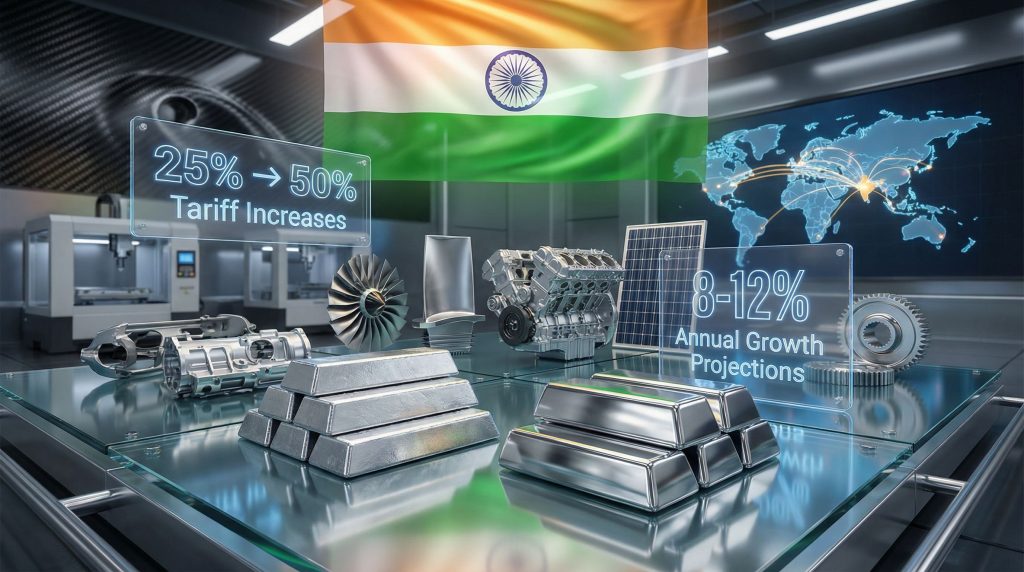
Government infrastructure spending and industrial modernisation programmes are expected to drive domestic aluminium consumption growth of 8-12% annually through 2030, providing market stability during international trade fluctuations.
The next major ASX story will hit our subscribers first
Technology Innovation Overcoming Traditional Trade Barriers
Advanced manufacturing technologies and process innovations enable producers to compete effectively despite tariff disadvantages through superior product quality and cost efficiency.
Breakthrough Technologies Reshaping Industry Competitiveness
Green Smelting Technology Development:
• Inert anode technology eliminating carbon anode consumption
• Renewable energy integration reducing electricity costs
• Heat recovery systems improving overall energy efficiency
• Automated process control reducing labour costs and improving consistency
Advanced Recycling Capabilities:
• Secondary aluminium production requiring 95% less energy than primary production
• Sophisticated sorting technologies enabling high-quality recycled products
• Closed-loop recycling systems with automotive and aerospace manufacturers
• Urban mining initiatives recovering aluminium from infrastructure upgrades
Investment Requirements and Competitive Returns
Technology Investment Analysis:
| Technology Category | Investment Range | Implementation Period | Competitive Advantage Duration |
|---|---|---|---|
| Green Smelting | $800M – $2.0B | 5-8 years | 10-15 years |
| Advanced Recycling | $150M – $400M | 2-4 years | 6-10 years |
| Speciality Alloy Development | $75M – $200M | 2-3 years | 5-8 years |
| Digital Integration | $25M – $75M | 1-2 years | 3-5 years |
These investments require substantial capital commitments but offer opportunities to establish sustainable competitive advantages independent of trade policy changes.
Long-Term Market Evolution and Strategic Implications
The exclusion of aluminium from recent trade agreements may accelerate broader transformations in global commodity trading patterns, potentially benefiting countries that adapt quickly to emerging market realities.
Emerging Market Structure Trends
Regionalisation of Supply Chains:
• Reduced long-distance commodity transportation
• Regional supply hubs serving specific geographic markets
• Strategic stockpiling by major consuming nations
• Bilateral supply agreements replacing multilateral trade frameworks
Carbon Content as Primary Competitive Factor:
• Environmental product declarations becoming purchasing requirements
• Life-cycle carbon assessments influencing supplier selection
• Green premium pricing for low-carbon aluminium products
• Carbon labelling requirements for consumer products
Strategic Planning for Market Transformation
Adaptive Strategies for Changing Trade Environment:
Diversified Market Approach:
• Multiple regional markets reducing dependence on single destinations
• Product portfolio spanning commodity and speciality segments
• Customer base including both industrial and consumer applications
• Supply chain flexibility enabling rapid market adjustment
Innovation-Driven Differentiation:
• Continuous technology development maintaining competitive advantages
• Intellectual property development creating market barriers
• Research partnerships with universities and technology institutes
• Customer collaboration on product development initiatives
What Makes India's Position Unique in Global Trade Negotiations?
India's exclusion from preferential aluminium trade terms with both the US and EU reflects its unique position as both a major producer and rapidly growing consumer market. This dual role creates leverage but also vulnerability in international negotiations.
The country's substantial domestic market provides negotiating strength, as access to India's consuming base becomes increasingly valuable. However, this same characteristic makes other nations cautious about providing preferential access for India's exports.
"The Indian market represents one of the world's fastest-growing aluminium consumption centers, with infrastructure development and manufacturing expansion driving unprecedented demand growth," according to recent industry analysis reports.
Future Market Positioning and Growth Strategies
While India aluminium trade exclusion in US and EU deals presents immediate challenges, the evolving global landscape creates opportunities for companies developing comprehensive adaptation strategies.
Integrated Development Approach
Domestic Market Cultivation:
Indian aluminium producers can leverage rapidly growing domestic demand to build scale and operational efficiency before expanding internationally. The domestic market provides stable revenue streams during volatile export periods whilst enabling companies to refine production processes and develop technical capabilities.
Value-Added Manufacturing Focus:
Rather than competing primarily on commodity aluminium exports, strategic focus on specialised products creates sustainable competitive advantages. These segments command premium pricing and face reduced trade barrier exposure compared to commodity products.
Technology Leadership Development:
Investment in advanced production technologies, particularly low-carbon processes, positions companies advantageously for future regulatory environments whilst reducing current carbon border adjustment exposure.
How Are Recent Trade Developments Reshaping Global Markets?
Recent bilateral agreements demonstrate a fundamental shift in how strategic materials are treated in international trade. The exclusion of aluminium from India aluminium trade exclusion in US and EU deals represents broader trends affecting critical material supply chains globally.
Moreover, comprehensive trade analysis from Reuters reporting indicates that these exclusions may become standard practice for materials deemed strategically important by importing nations.
Strategic Recommendations for Industry Stakeholders
The aluminium industry's exclusion from preferential trade treatment requires fundamental strategy adjustments rather than reactive responses to policy changes.
Implementation Priorities for Market Success
Short-Term Focus Areas (2026-2028):
• Domestic market expansion through strategic partnerships with end-use industries
• Technology investments reducing carbon intensity and production costs
• Product development in high-growth speciality segments
• Supply chain optimisation reducing logistics costs and improving reliability
Medium-Term Development Goals (2028-2032):
• International market diversification beyond traditional export destinations
• Vertical integration with downstream manufacturing operations
• Research and development capabilities supporting continuous innovation
• Strategic alliances with technology providers and major customers
The transformation of global aluminium trade reflects broader changes in how nations approach strategic material security. Success requires adapting to this new reality through innovation, market diversification, and strategic positioning rather than relying on traditional cost-based competition.
Furthermore, the India aluminium trade exclusion in US and EU deals may accelerate domestic industry development as companies focus resources on capturing rapidly growing local demand rather than competing in increasingly restricted export markets.
Disclaimer: This analysis contains forward-looking statements and market projections based on current trends and available information. Actual market developments may differ significantly from these projections due to changes in government policies, technological developments, or economic conditions. Investors and industry stakeholders should conduct independent research and consider multiple scenarios when making strategic decisions.
Ready to Capitalise on Strategic Metal Market Shifts?
Discovery Alert's proprietary Discovery IQ model delivers real-time alerts on significant ASX mineral discoveries, instantly empowering subscribers to identify actionable opportunities in critical metals and strategic commodities ahead of broader market movements. Begin your 14-day free trial today at Discovery Alert and secure your market-leading advantage as global supply chains continue their strategic realignment.