July 25, 2026

Global Energy Architecture Under Pressure: Infrastructure Vulnerabilities Exposed
The impact of Iran conflict on energy security has thrust global energy systems into unprecedented stress testing, revealing critical weaknesses in infrastructure networks worldwide. Traditional energy security models, built around cost optimisation and efficiency maximisation, now confront scenarios where supply chain resilience takes precedence over pure economic calculations. Furthermore, the vulnerability of interconnected systems becomes apparent when single-point failures can cascade across entire regions, disrupting not just energy flows but economic stability across multiple sectors.
Modern energy infrastructure operates through complex interdependencies that amplify localised disruptions into systemic risks. Maritime chokepoints, regional production concentrations, and storage buffer inadequacies combine to create vulnerability matrices that extend far beyond immediate supply-demand imbalances.
Critical Infrastructure Exposure Assessment
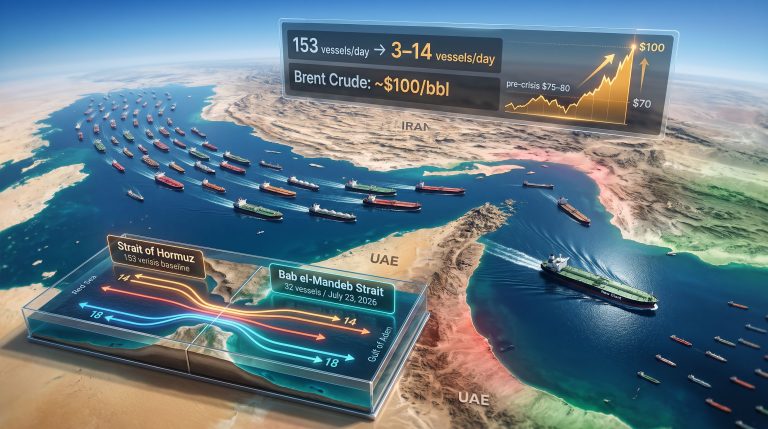
Maritime Transit Dependencies represent the most immediate vulnerability factor, with approximately 20% of global petroleum flows transiting through single maritime corridors. These chokepoints operate without meaningful redundancy, creating binary risk scenarios where disruption equals complete supply interruption for dependent regions.
Regional Production Concentration compounds maritime risks by creating geographic clustering of energy production capabilities. When production regions align with unstable geopolitical zones, the combination of source concentration and transit vulnerability creates compounding risk amplification.
Storage Buffer Inadequacies across importing nations limit crisis response capabilities. Strategic petroleum reserves designed for 90-day supply disruptions prove insufficient when facing extended geopolitical conflicts that may persist for multiple quarters.
Consequently, supply chain crisis minerals vulnerabilities emerge from just-in-time optimisation practices that prioritise efficiency over resilience. Interconnected systems that excel during stable periods become transmission mechanisms for disruption propagation during crisis scenarios.
When big ASX news breaks, our subscribers know first
Market Risk Premium Recalibration Mechanisms
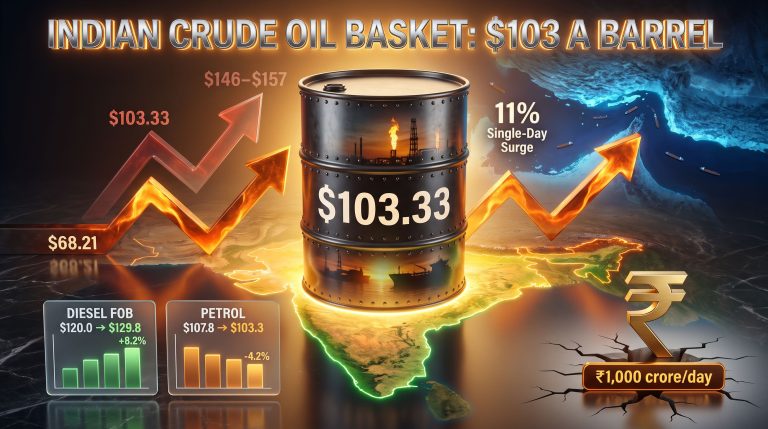
Energy markets are fundamentally repricing geopolitical risk premiums across all commodity sectors, with oil price volatility reaching 50% within weeks of conflict initiation. This repricing extends beyond immediate spot market movements to structural changes in how markets value energy security versus pure cost optimisation strategies.
Financial markets have responded with unprecedented capital reallocation, demonstrating investor recognition that energy security concerns may persist beyond immediate crisis resolution. Chinese battery manufacturers have captured significant market attention, with leading companies experiencing substantial equity appreciation during periods of broader market decline.
Market Response Data Analysis
| Company | March 2026 Performance | Market Context |
|---|---|---|
| CATL | 20% equity appreciation | Battery cell manufacturing leader |
| BYD | 22% stock price increase | Integrated vehicle and storage systems |
| Sungrow | 19% market valuation rise | Power conversion and storage solutions |
| Shanghai Composite | 8% benchmark decline | Broader market context |
The combined market valuation increase of $70 billion across these three companies since February 28, 2026, indicates substantial investor confidence in energy storage technologies as strategic infrastructure investments rather than purely economic optimisation tools.
Futures Market Price Discovery Evolution
Energy futures markets now incorporate extended disruption scenarios into price discovery mechanisms, moving beyond traditional supply-demand modelling to include geopolitical persistence probabilities. Regional premium divergence between European and Asian markets reflects different vulnerability profiles and alternative supply access capabilities.
Non-traditional supply routes command premium valuations as markets price in diversification value beyond pure cost considerations. Moreover, strategic petroleum reserves gain enhanced valuations as markets recognise storage capacity as critical national infrastructure rather than economic buffer systems.
Technology Investment Acceleration Patterns
The impact of Iran conflict on energy security has accelerated capital flows toward technologies that enhance energy independence and supply chain resilience. Battery Energy Storage Systems (BESS) represent the primary beneficiary category, with market analysis indicating structural rather than cyclical investment pattern changes.
According to Fitch Ratings analysis, Chinese battery manufacturers benefit from established cost and technology leadership positions that position them advantageously during energy transition acceleration. Prolonged oil and gas supply disruptions strengthen investment cases for BESS across energy-importing economies, with particular emphasis on emerging markets adopting integrated solar-plus-storage systems.
Technology Sector Investment Drivers
Grid-Scale Storage Systems receive enhanced investment priority due to their dual function as renewable energy integration tools and emergency backup infrastructure. Utility-scale batteries provide grid stability services while reducing dependence on imported energy sources during supply disruptions.
Distributed Solar-Plus-Storage systems gain strategic value for their contribution to energy independence at community and regional levels. These systems reduce transmission infrastructure dependencies while providing resilience against both technical failures and geopolitical supply disruptions.
Long-Duration Energy Storage technologies attract increased attention for seasonal energy balancing capabilities that reduce reliance on imported fuels for backup power generation. These systems enable higher renewable energy penetration rates while maintaining grid reliability during extended periods of supply constraint.
Cost Structure and Profitability Dynamics
Battery manufacturing faces near-term profitability challenges due to raw material cost volatility, with lithium and other critical minerals experiencing price instability. However, leading manufacturers maintain advantages in managing input cost fluctuations through scale economies and supply chain integration strategies.
Battery pricing mechanisms typically allow cost pass-through to customers, though gross margins may narrow mechanically when average selling prices rise whilst maintaining stable unit gross profit levels. This dynamic creates competitive advantages for manufacturers with superior cost management capabilities and supply chain control.
Government Policy Scenario Planning Frameworks
Policymakers globally are implementing scenario planning frameworks that extend beyond immediate crisis response to structural energy system transformation. These frameworks indicate preparation for multiple duration scenarios, from short-term supply disruptions to permanent geopolitical realignments affecting global energy trade patterns.
Government responses demonstrate a shift from cost-optimisation energy planning toward security-first strategic frameworks. This transformation creates new policy priorities where energy independence considerations may override purely economic optimisation criteria.
Short-Term Response Mechanisms (0-6 months)
Emergency Reserve Releases provide immediate supply buffer expansion, though these measures operate within finite capacity constraints determined by existing strategic storage infrastructure.
Alternative Supplier Negotiations accelerate diplomatic and commercial efforts to diversify energy import sources, though these arrangements require significant lead times for infrastructure adaptation and contract renegotiation.
Demand Reduction Measures include industrial energy efficiency mandates and consumer conservation incentives designed to reduce overall energy consumption during supply constraint periods.
Price Stabilisation Mechanisms involve government intervention in energy markets through subsidies, price controls, or strategic reserve utilisation to moderate consumer price impacts during supply disruptions.
Medium-Term Adaptation Strategies (6-24 months)
Supply Chain Diversification initiatives require substantial infrastructure investments and policy coordination to establish alternative energy import pathways and reduce dependence on vulnerable transit routes.
Strategic Storage Expansion involves government investment in additional petroleum and natural gas storage capacity to extend emergency response capabilities beyond current 90-day standards.
In addition, renewable deployment acceleration includes expedited permitting processes and enhanced financial incentives for domestic renewable energy capacity expansion to reduce import dependencies.
Industrial Energy Efficiency Mandates establish regulatory frameworks requiring energy-intensive industries to implement conservation technologies and demand management systems.
Long-Term Transformation Initiatives (2-10 years)
Energy Independence Targets establish national policy goals for domestic energy production capacity and reduced reliance on imports from geopolitically unstable regions.
Critical mineral security strategies include domestic mining development, recycling infrastructure expansion, and alternative supply chain establishment for battery manufacturing materials.
Grid Modernisation Programmes involve comprehensive infrastructure upgrades to accommodate distributed energy resources, storage systems, and enhanced resilience capabilities.
Technology Sovereignty Initiatives focus on domestic manufacturing capacity development for critical energy technologies to reduce dependence on foreign supply chains.
Regional Vulnerability and Adaptation Profiles
Different geographic regions demonstrate varying vulnerability profiles based on energy import dependencies, alternative supply access capabilities, and domestic production potential. This creates complex regional dynamics where energy security strategies must align with specific geographic and economic constraints.
Regional responses to energy security challenges reflect different resource endowments, technological capabilities, and strategic priorities that influence both short-term crisis management and long-term energy transition planning.
European Energy Security Challenges
Europe faces approximately 70% energy import dependency, creating high vulnerability to supply disruptions from unstable regions. This dependency profile necessitates rapid adaptation strategies that balance immediate supply security with long-term decarbonisation objectives.
European policy responses include accelerated renewable energy deployment targets, nuclear power capacity reconsideration, and industrial competitiveness preservation measures. These initiatives must address both energy security and economic competitiveness concerns simultaneously.
Asia-Pacific Mixed Exposure Dynamics
China demonstrates approximately 50% crude oil import dependency via vulnerable maritime routes, whilst maintaining dominant manufacturing positions in renewable energy technologies. This creates strategic advantages in energy transition acceleration while addressing import vulnerability concerns.
Japan and South Korea face high liquefied natural gas dependency that drives technological innovation in alternative energy systems and storage technologies. These countries leverage technological capabilities to address geographic energy resource constraints.
Australia benefits from energy export opportunities during global supply disruptions whilst possessing substantial domestic renewable energy development potential for both domestic consumption and export markets. Furthermore, Australia lithium innovations position the country advantageously in critical mineral supply chains.
North American Strategic Advantages
North America demonstrates relative energy independence that provides strategic flexibility during global supply disruptions. This position creates opportunities for technology export, strategic reserve management, and energy diplomacy during crisis periods.
Domestic energy production capabilities allow focus on technology development and export market opportunities rather than import security concerns that constrain other regions.
Investment Opportunity Landscape Transformation
The shift toward security-first energy planning creates new investment themes that prioritise resilience over pure cost efficiency. This represents a fundamental change in energy sector capital allocation patterns with implications for technology development, infrastructure deployment, and market structure evolution.
Investment opportunities emerge across multiple technology categories that enhance energy independence whilst providing economic returns competitive with traditional energy infrastructure investments.
High-Priority Investment Categories
Grid-Scale Storage Systems receive enhanced investment attention due to their multiple value propositions including renewable energy integration, grid stability services, and emergency backup capabilities during supply disruptions.
Distributed Energy Resources attract investment for their contribution to energy independence at local and regional levels whilst reducing transmission infrastructure dependencies and providing resilience benefits.
Consequently, critical minerals energy security concerns become strategic investment priorities due to their essential role in battery manufacturing and renewable energy technology production. These investments include mining operations, processing facilities, and recycling infrastructure.
Technology Investment Risk-Return Profiles
Energy storage investments benefit from multiple revenue streams including grid services, renewable energy integration, and emergency backup capabilities. These diversified revenue sources reduce investment risk whilst providing stable returns during various market conditions.
Critical mineral investments face supply-demand imbalances that create pricing opportunities, though these markets experience significant volatility during geopolitical disruptions. Investment returns depend heavily on supply chain position and processing capabilities.
Renewable energy manufacturing investments require substantial scale economies and technological capabilities, though leading companies demonstrate strong competitive positions during periods of accelerated deployment demand.
The next major ASX story will hit our subscribers first
Supply Chain Restructuring and Regionalisation
Energy supply chains undergo fundamental restructuring as companies and governments implement security-of-supply criteria alongside traditional cost and quality metrics. This transformation accelerates existing trends toward regional supply chain development and redundancy building across critical energy technologies.
Supply chain transformation strategies focus on geographic diversification, technology redundancy, and partnership realignment to reduce vulnerability to single-point failures and geopolitical disruptions.
Geographic Diversification Strategies
Multi-Region Sourcing Requirements establish supply chain resilience through geographic distribution of critical component manufacturing and raw material extraction capabilities.
Regional Production Capacity Building involves investment in domestic and allied-nation manufacturing capabilities for critical energy technologies and materials to reduce dependence on single-source suppliers.
Strategic Inventory Positioning includes enhanced storage capabilities and buffer stock management to maintain supply continuity during disruption periods.
Technology and Partnership Evolution
Multiple Technology Pathway Development reduces dependence on single technology solutions by maintaining diverse technological capabilities and supplier relationships across different technology categories.
Supplier Base Expansion involves qualification and development of alternative suppliers across multiple geographic regions to reduce concentration risk and enhance negotiating leverage.
Vertical Integration Considerations include evaluation of manufacturing capability acquisition versus supplier relationship management to optimise supply chain security and cost effectiveness.
Partnership Realignment prioritises ally-shoring relationships over pure cost optimisation, with emphasis on long-term contract arrangements and joint venture formations for critical technology development.
Chinese Manufacturing Position and Strategic Implications
Chinese energy technology manufacturers occupy dominant market positions across multiple critical sectors including battery manufacturing, solar panel production, and critical mineral processing. These companies combine manufacturing scale advantages with technological capabilities and supply chain integration that create competitive advantages during periods of accelerated deployment demand.
Chinese companies' market positions reflect decades of strategic investment in manufacturing capacity, technology development, and supply chain integration that position them advantageously during global energy transition acceleration.
Manufacturing Dominance Analysis
Battery Cell Production represents approximately 75% global market share across Chinese manufacturers, with leading companies demonstrating scale economies and technological advantages in lithium-ion battery production.
Solar Panel Manufacturing accounts for approximately 80% of global production capacity, with Chinese companies maintaining cost leadership and manufacturing efficiency advantages across photovoltaic technology categories.
Critical Mineral Processing encompasses 60-90% of global processing capacity depending on specific materials, creating potential supply chain vulnerabilities for non-Chinese manufacturers and deployment programmes.
Strategic Advantages and Vulnerabilities
Chinese manufacturers benefit from integrated supply chains, government policy support, and scale economies that enable competitive pricing and rapid capacity expansion during periods of increased demand.
However, these companies face geopolitical risk exposure due to potential trade restrictions, technology transfer limitations, and raw material import dependencies that could constrain growth in certain markets.
Technology leadership positions in next-generation battery chemistries and grid-scale storage system integration provide competitive advantages, though these capabilities require continued research and development investment to maintain technological differentiation.
Long-Term Industry Structure Transformation
The current crisis represents a potential inflection point toward more regionalised, security-conscious energy systems that prioritise supply chain resilience over pure economic optimisation. This transformation will likely persist beyond immediate crisis resolution, fundamentally altering industry competitive dynamics and market structure evolution.
Energy industry structure changes reflect broader geopolitical realignments that influence technology development priorities, investment allocation patterns, and regulatory framework evolution across multiple regions and market segments.
Market Structure Evolution
Market Fragmentation emerges as regions prioritise energy security through domestic and allied-nation supply chain development, reducing global market integration levels compared to previous decades of globalisation.
Regional Energy Bloc Formation creates semi-integrated markets based on geopolitical alignment and energy resource sharing agreements rather than pure economic optimisation criteria.
Premium Pricing for Secure Supplies establishes price differentials based on supply chain security characteristics rather than only cost-based competition, creating new value propositions for resilient supply arrangements.
Technology Development Acceleration
Renewable Deployment Timeline Compression occurs as governments prioritise energy independence objectives alongside climate goals, potentially accelerating deployment schedules beyond previous economic optimisation timelines.
Storage System Cost Reduction Pressure intensifies as storage technologies become critical infrastructure components rather than optional grid optimisation tools, driving increased research and development investment.
Grid Modernisation Investment Surge reflects requirements for distributed energy resource integration, storage system accommodation, and enhanced resilience capabilities across transmission and distribution infrastructure.
Regulatory Framework Evolution
Energy Security Mandates establish government requirements for domestic energy production capacity, strategic storage maintenance, and supply chain diversification across critical energy sectors.
Critical Infrastructure Protection Requirements expand regulatory oversight and security standards for energy infrastructure including cybersecurity, physical security, and supply chain security protocols.
Strategic Industry Designation Expansions extend government support and oversight to previously commercial-only sectors deemed critical for energy security and national economic stability.
Future Energy Security Planning Implications
The current energy security crisis demonstrates that geopolitical risk considerations can override economic optimisation principles in both policy and investment decision-making processes. This fundamental shift toward security-first planning creates sustained opportunities for technologies and companies capable of delivering both environmental benefits and energy independence simultaneously.
The impact of Iran conflict on energy security has accelerated discussions around oil price movements 2025 and broader market volatility patterns. Energy transition planning must incorporate geopolitical risk scenarios as primary design criteria rather than secondary considerations, fundamentally altering pathways toward decarbonised energy systems.
Success in this transformed landscape requires combining traditional economic competitiveness with supply chain resilience and energy security capabilities. The winners in this evolving energy landscape will be organisations that successfully balance cost competitiveness with security provisions, technological innovation with supply chain resilience, and global market participation with regional security requirements.
This balance represents a new competitive framework that extends beyond traditional energy sector optimisation criteria. In addition, analysts are conducting comprehensive oil price rally analysis to understand how current disruptions may influence long-term pricing mechanisms.
According to experts at the International Energy Agency, "This crisis demonstrates the fragility of global energy systems and the urgent need for diversification strategies that prioritise both security and sustainability." This assessment aligns with broader industry recognition that the impact of Iran conflict on energy security extends far beyond immediate supply disruptions.
Please note: This analysis contains forward-looking statements and market assessments that involve uncertainty and risk. Energy market conditions and geopolitical situations can change rapidly, and actual outcomes may differ materially from projections discussed in this article. Readers should conduct their own research and consider multiple perspectives when making investment or policy decisions related to energy security and technology deployment.
Ready to Capitalise on the Next Energy Security Investment Opportunity?
Discovery Alert's proprietary Discovery IQ model delivers instant notifications on significant ASX mineral discoveries, transforming complex commodity data into actionable insights for energy security investments. Explore Discovery Alert's dedicated discoveries page to understand why major mineral discoveries can generate exceptional returns, then begin your 14-day free trial to position yourself ahead of the market during this unprecedented energy transition.