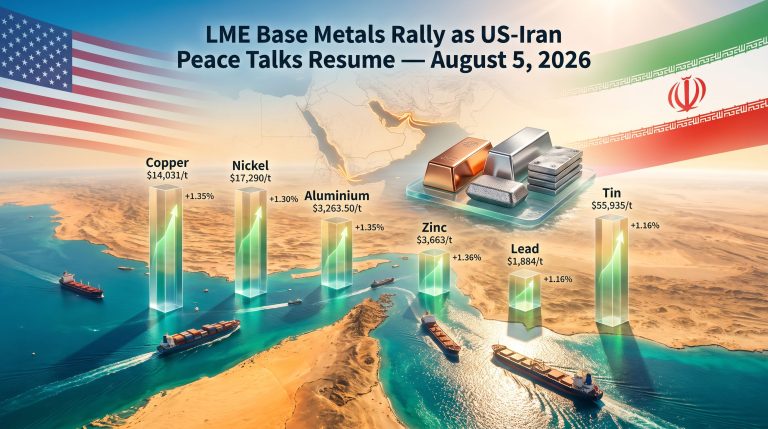
August 5, 2026

Global Energy Infrastructure Under Siege: A Perfect Storm of Geopolitical Tensions
The impact of regional conflicts on global energy security has never been more pronounced than in today's interconnected energy landscape. Furthermore, the current crisis represents a fundamental departure from historical disruption patterns, where localised conflicts could be managed through established buffer mechanisms. In an era where energy markets face unprecedented volatility, the intersection of geopolitical tensions and supply chain vulnerabilities has created a perfect storm that challenges traditional frameworks for understanding global oil dynamics.
The complexity of modern energy security extends far beyond simple supply and demand equations. Moreover, it encompasses intricate webs of infrastructure dependencies, strategic alliances, and economic imperatives that can reshape entire regional power structures within months.
Consequently, the current landscape represents a fundamental shift from historical patterns of energy disruption. In addition, today's interconnected energy infrastructure creates cascading vulnerabilities that can amplify regional tensions into global crises with remarkable speed and severity.
When big ASX news breaks, our subscribers know first
Physical Infrastructure Vulnerabilities Exposing Critical Energy Chokepoints
Modern global oil distribution relies heavily on a limited number of maritime passages and pipeline networks. Furthermore, these critical pathways have become increasingly vulnerable to both targeted disruption and unintended consequences of regional conflicts. The concentration of energy infrastructure in geopolitically sensitive regions creates systemic risks that traditional market mechanisms struggle to address effectively.
Maritime Passage Dependencies and Transportation Bottlenecks
The global energy system's reliance on specific maritime corridors has created vulnerabilities that extend far beyond the immediate shipping lanes themselves. When major transit routes face disruption, the resulting logistical challenges often compound exponentially as alternative pathways lack the capacity to absorb diverted traffic.
However, storage facilities and port infrastructure designed for steady throughput can quickly become overwhelmed when normal shipping patterns are disrupted. This creates a cascading effect where even temporary disruptions can force upstream production adjustments that persist long after the initial cause has been resolved.
The technical challenges of rerouting oil shipments involve more than simply finding alternative routes. Different crude oil grades require specific refining capabilities, and regional refineries are often configured to process oil from particular sources, making substitution complex and expensive.
Pipeline Network Vulnerabilities and Regional Dependencies
Regional pipeline networks that serve multiple markets simultaneously create interdependencies that can amplify localised disruptions into broader supply challenges. When pipeline capacity is reduced or interrupted, the ripple effects often extend to seemingly unconnected markets through shared infrastructure and transportation networks.
The technical specifications of pipeline systems mean that capacity reductions cannot always be compensated by increased throughput in remaining operational sections. Pressure requirements, pumping station coordination, and storage tank management create complex operational constraints that limit flexibility during crisis periods.
Infrastructure maintenance schedules that might normally be routine can become critical vulnerabilities during periods of heightened regional tension. For instance, deferred maintenance or accelerated wear from increased utilisation can compound existing supply pressures.
Strategic Production Responses to Supply Chain Disruptions
Major oil-producing nations have developed increasingly sophisticated approaches to managing production levels in response to infrastructure constraints and market disruptions. These strategies often involve complex calculations balancing immediate revenue protection against long-term market positioning and relationship management.
Saudi Arabia's Production Optimisation Framework
The Kingdom's approach to production management during crisis periods reflects a multifaceted strategy that extends beyond simple output adjustments. Saudi Arabia's production decisions often incorporate considerations of storage capacity utilisation, export terminal efficiency, and downstream market stability that can make production cuts appear more dramatic than underlying technical constraints might suggest.
Furthermore, revenue protection during periods of constrained output involves sophisticated hedging strategies and contract management approaches. These financial instruments allow producers to maintain economic stability even when physical production levels fluctuate significantly. In addition, such instruments can sometimes mask the true economic impact of production disruptions.
The coordination between production planning and infrastructure capacity management requires constant adjustment as regional conditions evolve. Saudi Arabia's ability to modify production levels relatively quickly provides flexibility that smaller producers often lack, making the Kingdom's decisions particularly influential in global market dynamics.
Regional Producer Coordination Mechanisms
Gulf Cooperation Council members have developed informal coordination mechanisms that allow for rapid adjustment of collective output in response to shared infrastructure constraints or regional security concerns. This coordination often occurs through technical consultations and operational planning rather than formal policy announcements.
The technical challenges of coordinating production across multiple producers involve complex logistics around shared infrastructure utilisation. Moreover, export terminal scheduling and transportation capacity allocation create significant operational considerations that can influence production decisions even when political or strategic factors might suggest different approaches.
Regional solidarity during crisis periods often manifests through coordinated technical responses rather than explicit political alignment. Consequently, this approach allows individual producers to maintain operational flexibility whilst supporting collective regional stability goals.
Market Dynamics Under Extreme Supply Stress Conditions
When global oil supply faces disruptions of unprecedented scale, traditional market mechanisms often struggle to provide the price discovery and allocation efficiency that characterises normal trading conditions. The relationship between physical supply constraints and financial market responses can become disconnected, creating opportunities for both strategic positioning and significant market volatility.
Price Formation During Supply Disruptions
The mechanics of oil price formation during severe supply disruptions involve complex interactions between spot market conditions, futures market positioning, and strategic reserve deployment decisions. When physical supply constraints reach critical levels, the normal relationship between marginal cost and market price can break down as buyers compete for limited available supply.
However, market participants' risk assessment frameworks often struggle to accurately price the probability and duration of supply disruptions when geopolitical factors are the primary drivers. This uncertainty can lead to price volatility that exceeds what fundamental supply and demand conditions might suggest.
Current Market Disruption Indicators:
- Daily supply loss estimates reaching unprecedented levels
- Price volatility exceeding historical norms for similar supply disruptions
- Strategic reserve utilisation remaining limited despite elevated prices
- Financial market positioning reflecting extreme uncertainty about duration
- Physical oil storage reaching capacity constraints in multiple regions
OPEC+ Communication Strategies and Market Psychology
The relationship between official OPEC+ communications and actual market conditions has become increasingly complex as the organisation balances multiple competing objectives. These include member revenue protection, market stability, and long-term demand preservation. Furthermore, official announcements often serve multiple purposes beyond simple production coordination.
Market psychology during crisis periods can amplify or dampen the impact of relatively small official production adjustments. Consequently, traders and analysts attempt to interpret the strategic implications of policy decisions rather than simply calculating supply and demand balances.
The timing and framing of OPEC+ announcements reflects sophisticated understanding of market psychology and media interpretation patterns. For instance, symbolic gestures sometimes carry more market impact than the underlying production changes might warrant from a purely technical perspective.
Evolving International Relations Under Energy Security Pressure
Energy security concerns are reshaping traditional diplomatic relationships and creating new forms of international cooperation that transcend conventional alliance structures. The urgency of maintaining stable energy supplies often necessitates pragmatic cooperation between nations that might otherwise find themselves in strategic competition.
United States Strategic Energy Policy Adaptations
American energy policy during periods of global supply disruption involves balancing domestic energy security concerns against broader geopolitical objectives and alliance relationships. The US oil production decline considerations influence strategic petroleum reserve deployment decisions, reflecting complex calculations about market intervention effectiveness and the preservation of emergency capacity for potentially more severe future disruptions.
Maritime security provision represents a critical but often understated component of American energy policy. The protection of international shipping lanes serves both American interests and global energy security more broadly. This approach allows for significant influence on global energy markets without direct intervention in producing nation policies.
The coordination between domestic energy production incentives and international market stabilisation efforts requires careful balance. Furthermore, this coordination aims to avoid undermining longer-term strategic relationships whilst addressing immediate supply security concerns.
Chinese Energy Security Calculations and Strategic Responses
China's approach to energy security during global supply disruptions reflects the country's unique position as both a major energy consumer and an increasingly important player in international energy infrastructure development. The vulnerability of Chinese energy imports to supply disruptions creates powerful incentives for diversification and alternative supply route development.
Import dependency management involves sophisticated supply chain resilience planning that extends beyond simple supplier diversification. In addition, this planning includes transportation route redundancy, strategic storage capacity expansion, and alternative energy source development acceleration.
Long-term strategic partnership development often receives renewed emphasis during crisis periods. Consequently, China seeks to establish more reliable energy supply relationships that can withstand regional disruptions and geopolitical tensions.
Emerging Conditional Cooperation Frameworks
The development of informal cooperation mechanisms between traditionally competitive nations reflects the unique challenges that global energy security presents to conventional diplomatic frameworks. These arrangements often focus on technical cooperation and market stabilisation rather than formal political alignment.
"The current crisis represents more than temporary supply disruption. It's a stress test of global energy architecture that could fundamentally reshape how nations approach energy security, infrastructure investment, and diplomatic cooperation for decades to come."
Market absorption mechanisms that prevent destructive price wars whilst maintaining production discipline require ongoing coordination between producing and consuming nations. Furthermore, this coordination transcends traditional alliance structures and economic competition patterns.
Escalation avoidance protocols often develop organically during crisis periods as all parties recognise the mutual benefits of maintaining energy market stability. However, this occurs even when other areas of international relations remain contentious.
Economic and Investment Implications of Energy Market Restructuring
The financial implications of sustained energy supply disruptions extend far beyond immediate commodity price impacts. Furthermore, they encompass fundamental changes in investment priorities, risk assessment frameworks, and economic planning assumptions across multiple sectors and regions.
Revenue Protection and Investment Continuity Strategies
Energy companies and producing nations have developed increasingly sophisticated approaches to maintaining investment capacity and operational continuity during periods of constrained output and volatile pricing. These strategies often involve complex financial instruments and partnership structures that provide stability during uncertain periods.
The relationship between short-term revenue optimisation and long-term investment capacity requires careful balance. This is particularly true when infrastructure constraints or geopolitical factors limit operational flexibility. Companies must often choose between maximising immediate returns and maintaining the flexibility necessary for rapid response to changing conditions.
Market fragmentation during crisis periods can create both opportunities and risks for energy sector investment. Regional price differentials and supply chain disruptions create temporary arbitrage opportunities whilst increasing overall market uncertainty and operational complexity.
OPEC+ Discipline and Production Planning Integration
The integration of geopolitical risk assessment into production planning and investment decisions has become increasingly sophisticated as energy markets face more frequent and severe disruptions. OPEC+ members must balance individual economic interests against collective market management objectives whilst adapting to rapidly changing regional security conditions.
Key Production Planning Considerations:
- Demand growth forecast reliability during crisis periods
- Non-OPEC supply projection accuracy and timing
- Infrastructure capacity constraints and expansion timelines
- Geopolitical risk monitoring and response protocol development
- Financial market stability and investment capital availability
Long-term production capacity development decisions made during crisis periods often have lasting implications for global energy market structure. Infrastructure investments and partnership agreements established during uncertain times can shape market dynamics for decades.
The next major ASX story will hit our subscribers first
Strategic Infrastructure and Geopolitical Realignment Scenarios
The current energy crisis is accelerating long-term trends toward infrastructure diversification and geopolitical realignment that might otherwise have developed more gradually. These changes are creating new patterns of international cooperation and competition that extend far beyond the energy sector itself.
Infrastructure Resilience and Alternative Development Imperatives
The recognition of critical infrastructure vulnerabilities is driving accelerated investment in alternative transportation routes, storage capacity expansion, and supply chain redundancy development. Furthermore, these investments often require international cooperation and coordination that creates new forms of economic and political interdependence.
Alternative export route development involves complex technical and financial challenges that often require multi-national coordination and risk-sharing arrangements. However, the timeline for such projects typically extends beyond immediate crisis resolution, making them strategic investments in long-term energy security rather than tactical responses to current conditions.
Strategic reserve capacity expansion requirements are driving policy discussions about optimal reserve sizing, international coordination mechanisms, and emergency deployment protocols. Saudi Aramco's production strategy demonstrates how these considerations could reshape global energy security architecture for decades to come.
Regional Energy Security Architecture Evolution
The development of regional energy security partnerships often accelerates during global crisis periods as neighbouring countries recognise their shared vulnerability to supply disruptions and infrastructure constraints. These partnerships can evolve into broader economic and political cooperation frameworks over time.
Energy security-driven alliance formation creates new patterns of international cooperation that may persist long after the immediate crisis factors are resolved. Consequently, this development could potentially reshape global political and economic relationships in fundamental ways.
Traditional alliance structures face stress testing during energy crises as immediate energy security needs may conflict with longer-term political and strategic relationships. This creates opportunities for new partnership development and existing alliance modification.
Navigating Market Uncertainty and Strategic Planning Challenges
The unprecedented nature of current global energy market conditions requires market participants, policymakers, and strategic planners to develop new frameworks for understanding and responding to complex, interconnected risks that traditional analysis methods may not adequately address.
Critical Monitoring Indicators for Market Participants
Effective navigation of current energy market conditions requires sophisticated monitoring of multiple indicator categories that provide early warning of potential market developments and strategic opportunity identification. The oil price rally demonstrates the importance of understanding these complex dynamics.
Key Performance Indicators to Track:
- Infrastructure utilisation rates and capacity constraints
- Strategic reserve deployment patterns and remaining capacity
- Regional price differentials and arbitrage opportunities
- Geopolitical development impacts on energy infrastructure
- Financial market positioning and sentiment indicators
- Alternative energy source development acceleration patterns
Market participants must develop adaptive analysis frameworks that can incorporate rapidly changing geopolitical conditions. These frameworks should include infrastructure constraints and policy responses into investment and operational planning processes.
Strategic Recommendations for Energy-Dependent Economies
National economic planning during periods of energy market instability requires balancing immediate supply security concerns against long-term economic development objectives and international relationship management. Successful strategies often involve multi-pronged approaches that address both short-term vulnerabilities and long-term strategic positioning.
Energy diversification strategies must consider not only supplier diversification but also transportation route redundancy, storage capacity adequacy, and alternative energy source development timelines. Furthermore, these considerations help create comprehensive energy security frameworks.
Economic resilience planning should incorporate energy price volatility scenarios that exceed historical norms. Current market conditions suggest that traditional planning assumptions about energy price stability may no longer be adequate for strategic planning purposes. The US-China trade war impact exemplifies how geopolitical tensions can amplify energy market volatility.
Timeline Expectations for Market Stabilisation
Market stabilisation timelines depend on multiple factors including infrastructure repair and expansion completion, geopolitical tension resolution, and strategic reserve capacity restoration. Historical analysis of similar crisis periods provides limited guidance given the unprecedented scale and complexity of current conditions.
The interaction between physical infrastructure constraints and financial market dynamics suggests that market stabilisation may occur in phases. Initial price volatility reduction may potentially precede full supply chain normalisation by months or years. The oil price movements analysis reveals how these complex factors interact.
Long-term market structure changes resulting from current crisis adaptations may persist long after immediate supply constraints are resolved. These changes could create permanently altered patterns of energy trade, infrastructure development, and international cooperation that reshape global energy security architecture. However, understanding the natural gas price forecast provides insight into how alternative energy sources might influence this transition.
In conclusion, the current energy crisis represents a transformative moment that extends far beyond temporary supply disruptions. Global oil market disruptions demonstrate how infrastructure vulnerabilities, geopolitical realignments, and strategic responses are fundamentally reshaping international energy security frameworks for the coming decades.
Disclaimer: This analysis contains forward-looking statements and scenarios based on current market conditions and geopolitical developments. Energy markets are subject to high volatility and unpredictable geopolitical factors that can significantly impact outcomes. Readers should conduct their own research and consult with qualified professionals before making investment or policy decisions based on this information. Past performance and current conditions do not guarantee future results.
Want to Stay Ahead of Energy Market Disruptions?
Discovery Alert's proprietary Discovery IQ model delivers real-time alerts on significant ASX mineral discoveries, helping investors capitalise on energy transition opportunities and resource sector developments ahead of broader market recognition. Begin your 14-day free trial today to gain immediate access to actionable insights that can position your portfolio strategically during these transformative energy market conditions.