May 20, 2026
Global Energy Markets Face Unprecedented Crisis Following Gulf Infrastructure Attacks
The recent Qatar gas hub attack has sent shockwaves through international energy markets, highlighting the vulnerability of critical infrastructure in one of the world's most important energy-producing regions. Furthermore, this incident underscores the interconnected nature of global energy supply chains and their susceptibility to geopolitical tensions.
The natural gas trends observed in recent months have been dramatically altered by these unprecedented developments. Consequently, energy analysts are reassessing their forecasts as markets grapple with supply disruption concerns.
When big ASX news breaks, our subscribers know first
What Impact Has the Attack Had on Energy Infrastructure?
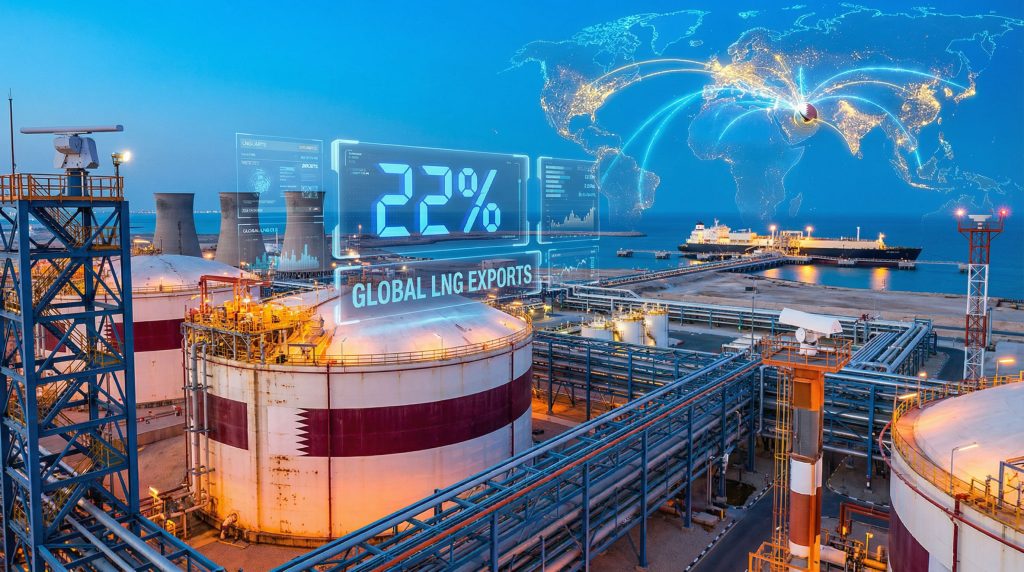
The targeting of Qatar's Ras Laffan industrial complex represents one of the most significant attacks on energy infrastructure in recent history. This facility, which handles approximately 21% of global LNG capacity, has experienced extensive damage according to QatarEnergy's official reports.
Moreover, the strategic importance of this hub cannot be overstated. The complex serves as a critical link between Qatar's massive offshore gas reserves and international markets, particularly in Asia and Europe.
Immediate Market Reactions
Energy markets responded swiftly to news of the Qatar gas hub attack. Natural gas futures surged by over 15% in early trading, while LNG spot prices reached their highest levels since the 2022 energy crisis.
In addition, the ripple effects extended beyond gas markets. Oil futures outlook has been significantly revised as traders anticipate potential escalation and further infrastructure targeting.
Regional Energy Security Implications
The Gulf region's energy infrastructure faces unprecedented scrutiny following these attacks. However, the broader implications extend far beyond immediate supply disruptions.
Iran's stated intention to target additional Gulf energy facilities has raised concerns about a coordinated campaign against regional infrastructure. Furthermore, reports from multiple news outlets suggest that Saudi Arabia and UAE facilities may also be at risk.
Strategic Chokepoints Under Threat
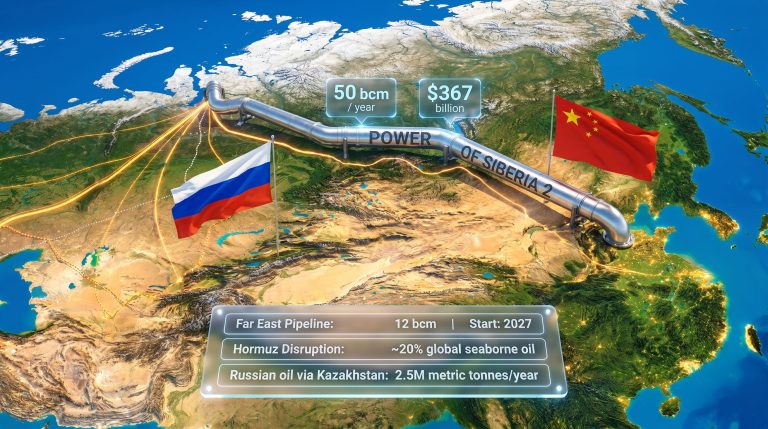
The Strait of Hormuz, through which approximately 20% of global oil passes daily, remains a particular concern. Consequently, any disruption to this vital waterway could have catastrophic implications for global energy markets.
For instance, the potential blockade of this strategic passage would affect not only oil shipments but also LNG tanker movements. This scenario would compound the existing supply challenges created by the Qatar gas hub attack.
Market Response and Corporate Actions
Several major energy companies have implemented emergency protocols following the attacks. Petronet LNG, India's largest LNG importer, declared force majeure on multiple supply contracts.
Additionally, shipping companies have begun rerouting vessels away from the Gulf region. This precautionary measure, while understandable, has led to increased transportation costs and extended delivery times.
Supply Chain Adaptations
European energy companies are particularly vulnerable given their reliance on Qatari LNG supplies. However, efforts to diversify supply sources are already underway.
Moreover, the current crisis has accelerated discussions about strategic reserve policies. OPEC production insights suggest that member countries may need to reassess their output strategies in light of these developments.
How Are Global Markets Adapting?
The Qatar gas hub attack has prompted a fundamental reassessment of energy security priorities worldwide. Furthermore, governments are implementing emergency measures to protect critical infrastructure.
Stock markets have reflected the uncertainty, with energy sector indices experiencing significant volatility. Consequently, investors are seeking safer assets while energy companies face increased security costs.
Investment Implications
The attack has highlighted the risks associated with concentrated energy infrastructure. For instance, Qatar's dominance in global LNG markets has long been viewed as both a strength and vulnerability.
Additionally, tariff market impact considerations are becoming more complex as trade relationships shift in response to energy security concerns.
Long-term Strategic Considerations
The implications of the Qatar gas hub attack extend well beyond immediate market disruptions. However, the incident serves as a catalyst for broader strategic reassessments.
Energy importing nations are accelerating diversification efforts to reduce dependence on single suppliers or regions. Furthermore, OPEC market influence is being reconsidered in light of these new security dynamics.
Infrastructure Protection Measures
Gulf states are implementing enhanced security protocols for critical energy facilities. Consequently, operational costs are increasing as companies invest in protective measures.
Moreover, international cooperation on energy security is intensifying. Multilateral agreements on infrastructure protection are being developed to prevent future attacks.
The next major ASX story will hit our subscribers first
What Does This Mean for Energy Transition?
Paradoxically, the Qatar gas hub attack may accelerate renewable energy adoption. However, the immediate need for energy security is driving short-term fossil fuel investment.
The incident demonstrates the vulnerability of centralised energy systems. Consequently, distributed renewable energy networks are gaining renewed attention from policymakers and investors.
Regional Energy Dynamics
Middle Eastern countries are reassessing their energy export strategies following these attacks. Furthermore, the balance between domestic consumption and export priorities is shifting.
The crisis has also highlighted the importance of energy storage infrastructure. Additionally, strategic petroleum and gas reserves are being expanded across multiple countries.
In conclusion, the Qatar gas hub attack represents a watershed moment for global energy security. The incident has exposed vulnerabilities in critical infrastructure while accelerating discussions about energy independence and diversification. As markets continue to adapt, the long-term implications will likely reshape international energy relationships for years to come.
Are You Positioning Yourself for Energy Market Opportunities?
The Qatar gas hub attack demonstrates how geopolitical events can create significant market volatility and investment opportunities across energy and resource sectors. Discovery Alert's proprietary Discovery IQ model provides real-time alerts on significant ASX mineral discoveries, helping investors capitalise on market-moving developments as they unfold. Begin your 14-day free trial today and gain the market-leading advantage needed to navigate these dynamic conditions.