July 11, 2026
Global Lithium Demand Pressures Reshape South American Mining Strategies
The worldwide transition to electric vehicles and renewable energy storage has created unprecedented demand for battery-grade lithium carbonate, fundamentally altering resource extraction dynamics across South America's lithium-rich corridor. As manufacturing capacity for lithium-ion batteries expands globally, securing reliable access to high-quality lithium reserves has become a strategic priority for major economies seeking energy independence. This evolving landscape places countries with substantial lithium deposits in increasingly powerful negotiating positions, while simultaneously exposing them to complex geopolitical pressures from competing investment partners.
Within this context, Bolivia's recent reconsideration of major Bolivia lithium contracts with China and Russia reflects broader tensions between resource sovereignty and foreign investment requirements. The interplay between technological capabilities, financial commitments, and political transparency has created a multifaceted challenge that extends far beyond simple commodity extraction agreements.
When big ASX news breaks, our subscribers know first
What Makes Bolivia's Lithium Strategy Critical to Global Energy Transition?
The Scale of Bolivia's Untapped Lithium Reserves
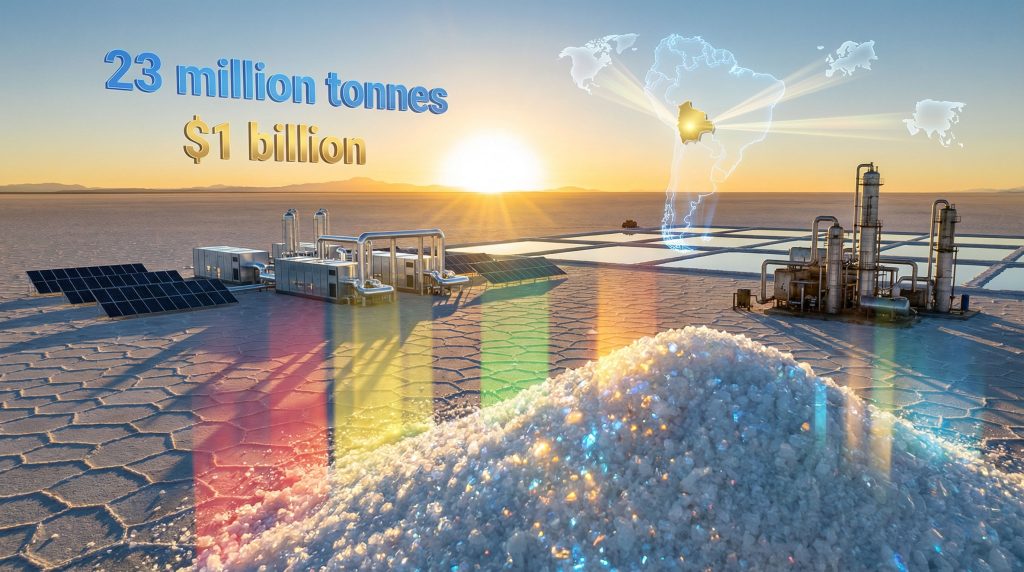
Bolivia controls some of the world's most substantial lithium deposits, with verified reserves exceeding 20 million tonnes concentrated primarily in the Salar de Uyuni and Salar de Potosí regions of the high Andes. These salt flats represent a significant portion of the global lithium resource base, positioning Bolivia alongside Chile and Argentina in the so-called "Lithium Triangle" that dominates South American mineral extraction strategies.
The economic implications of these reserves become particularly pronounced when considering the shift toward battery-grade lithium carbonate production. Unlike technical-grade lithium compounds, battery-grade materials require sophisticated lithium mining processes and higher purity standards, creating opportunities for Bolivia to capture greater value-added revenue streams. Current global demand projections suggest that electric vehicle adoption rates will require substantial increases in lithium carbonate supply over the next decade.
Reserve Comparison Analysis:
| Country | Estimated Reserves (Million Tonnes) | Production Status | Primary Extraction Method |
|---|---|---|---|
| Bolivia | 20+ | Underdeveloped | Planned DLE Technology |
| Chile | 9.3 | Active Production | Evaporation Ponds |
| Argentina | 2.7 | Expanding | Mixed Methods |
Geopolitical Positioning in the Lithium Triangle
Bolivia's geographic position within the Lithium Triangle creates both opportunities and constraints for resource development. The high-altitude location of major deposits presents unique technical challenges, including extreme weather conditions, limited water availability, and complex transportation infrastructure requirements. These factors have historically delayed large-scale extraction efforts, contributing to Bolivia's current status as an underdeveloped producer despite substantial reserve holdings.
Regional cooperation dynamics within South America also influence Bolivia's strategic calculations. Chile's established production capabilities and Argentina lithium insights provide comparative frameworks for evaluating potential development pathways, while competition for international investment capital creates pressure to finalise agreements with capable foreign partners.
How Do China and Russia's Investment Models Differ in Bolivia's Lithium Sector?
China's Technology-Forward Approach Through CBC Investments
The Chinese investment consortium, Hong Kong CBC Lithium, has structured its Bolivian engagement around advanced direct lithium extraction (DLE) technology transfer and significant capital commitments. This approach emphasises sophisticated processing capabilities that could enable Bolivia to bypass traditional evaporation pond methods, potentially reducing water consumption and environmental impact while accelerating production timelines.
DLE technology represents a substantial advancement over conventional extraction methods, utilising specialised solvents and processing equipment to extract lithium directly from brine or ore deposits. For Bolivia's high-altitude salt flat deposits, this technology could prove particularly valuable given the challenging climatic conditions that affect traditional evaporation approaches.
The proposed ownership structure maintains 51% Bolivian control, theoretically preserving national sovereignty over resource development while providing access to Chinese technological capabilities and manufacturing expertise. Production targets of 35,000 metric tonnes per year would position Bolivia as a significant global supplier, though achieving these volumes requires substantial infrastructure development and technical expertise transfer.
Russia's Resource-Control Strategy via Uranium One Group
Russia's Uranium One Group has proposed a fundamentally different engagement model, emphasising debt financing and conventional processing methods over technological innovation. With a committed investment of $450 million, the Russian approach focuses on securing marketing control and revenue streams rather than advancing Bolivia's technological capabilities.
This debt-financed development structure potentially creates longer-term obligations for Bolivia while limiting the country's ability to independently market its lithium production. Unlike the Chinese technology transfer model, the Russian agreement appears designed to establish supply chain control that could benefit Russian state interests over Bolivian economic development objectives.
The conventional processing methods proposed by Uranium One Group suggest reliance on established extraction techniques rather than the innovative approaches offered by Chinese partners. This technological difference could significantly impact Bolivia's long-term competitive position in global lithium markets, particularly considering the geothermal lithium extraction innovations being developed elsewhere.
Financial Risk Assessment Matrix
| Investment Model | Capital Commitment | Technology Transfer | Revenue Control | Bolivia Ownership |
|---|---|---|---|---|
| Chinese Partnership | ~$1.55 billion | Advanced DLE systems | Shared (51% Bolivia) | Majority control |
| Russian Agreement | $450 million | Conventional methods | Russian marketing control | Limited sovereignty |
Why Is Bolivia's New Government Reconsidering These Strategic Partnerships?
Transparency Concerns in Contract Negotiation
According to Economy Minister Gabriel Espinoza, both contracts were approved through processes lacking appropriate transparency and public consultation. The agreements were signed during the Luis Arce administration without obtaining required Legislative Assembly approval, creating a legal framework that technically prevents contract implementation despite signed agreements.
Espinoza specifically criticised the secretive manner in which natural resources were committed to foreign entities, noting that such approaches undermine democratic governance principles and public accountability standards. The absence of comprehensive environmental impact assessments and community consultation processes has generated significant opposition from affected populations and civil society organisations.
Congressional approval requirements exist specifically to ensure public oversight of major resource extraction agreements, particularly those involving foreign entities and substantial capital commitments. The fact that both contracts proceeded without fulfilling these requirements has created constitutional concerns that extend beyond technical contract terms.
Economic Sovereignty Versus Foreign Investment Balance
Bolivia's historical experience with resource extraction agreements has often resulted in unfavourable terms that prioritise foreign investor interests over national economic development. Minister Espinoza acknowledged that the country faces a credibility challenge regarding state commitment fulfilment, which has deteriorated international investor confidence over time.
However, the current government has emphasised that protecting national resources and economic sovereignty must take precedence over maintaining problematic agreements. Espinoza stated that clauses compromising national resources or generating economic harm would result in contract denunciation and termination, regardless of potential international relationship implications.
The evaluation process currently underway focuses on identifying specific contract provisions that may disadvantage Bolivian interests. This includes analysing revenue-sharing formulas, debt repayment structures, and marketing control arrangements that could limit Bolivia's long-term economic benefits from lithium development.
What Are the Broader Implications for Global Lithium Markets?
Supply Chain Diversification Pressures
Bolivia's contract reconsideration occurs within a broader context of global supply chain vulnerability concerns, particularly among Western nations seeking to reduce dependence on Chinese-controlled lithium supply chains. The potential cancellation or modification of existing agreements could create opportunities for alternative partnerships with North American or European entities seeking strategic mineral security.
Furthermore, current global lithium production remains concentrated among relatively few producers, creating supply chain bottlenecks that affect international battery manufacturing capacity. Bolivia's eventual entry into major production could help alleviate these constraints, though delays in contract resolution may postpone supply chain diversification benefits.
Market dynamics also reflect growing competition between established lithium producers and emerging suppliers seeking to capture market share during the electric vehicle adoption surge. However, considering the lithium market challenges currently facing the industry, Bolivia's ability to produce battery-grade lithium carbonate could significantly impact global pricing structures and supply allocation patterns.
Technology Transfer and Industrial Development Goals
Beyond immediate lithium extraction, Bolivia has expressed ambitions for downstream battery manufacturing and value-added industrial development. These goals require not only access to lithium resources but also technological capabilities, skilled workforce development, and integration with regional value chains across Latin America.
The Chinese partnership model offers greater potential for comprehensive technology transfer that could support Bolivia's broader industrialisation objectives. DLE technology capabilities, combined with battery manufacturing expertise, could position Bolivia as a regional hub for electric vehicle component production rather than simply a raw material supplier.
Skills development and local employment creation represent additional considerations beyond immediate revenue generation. Sustainable lithium industry development requires building institutional capabilities that extend beyond extraction activities to encompass research, development, and advanced manufacturing processes.
How Might Contract Modifications Reshape Bolivia's Lithium Future?
Potential Renegotiation Scenarios
The current government review process could result in several possible outcomes, ranging from complete contract cancellation to substantial renegotiation of terms more favourable to Bolivian interests. Improved revenue-sharing formulas that increase Bolivia's percentage of lithium sales revenue represent one potential modification area.
Enhanced environmental protection requirements could mandate more stringent impact assessments and mitigation measures, particularly regarding water usage in the water-scarce high-altitude regions where deposits are located. Community benefit-sharing mechanisms might also be strengthened to ensure affected indigenous populations receive direct economic benefits from resource development.
Alternative partnership structures could emerge that combine elements of both Chinese technological capabilities and more favourable financial terms. Bolivia's negotiating position has potentially strengthened given global lithium demand growth and increased competition among international investors seeking access to high-quality reserves.
Investment Climate Implications
Contract modifications or cancellations inevitably raise questions about Bolivia's investment climate stability and contract sanctity protection for international investors. The government must balance sovereign rights to protect national resources against maintaining sufficient legal certainty to attract necessary foreign capital and expertise.
International investor confidence factors include predictable regulatory frameworks, transparent decision-making processes, and consistent enforcement of agreed-upon contract terms. Bolivia's historical challenges with state commitment fulfilment, as acknowledged by Minister Espinoza, compound these concerns for potential future partners.
Legal framework stability becomes particularly important for long-term resource development projects requiring substantial upfront capital investments and multi-year development timelines. Clear protocols for contract modification and dispute resolution could help address investor concerns while preserving Bolivia's ability to protect national interests.
The next major ASX story will hit our subscribers first
What Does This Mean for Global Battery Supply Security?
Short-Term Market Impact Analysis
Delays in Bolivia's lithium development could temporarily constrain global supply growth at a time when electric vehicle adoption rates continue accelerating. Alternative supply sources, primarily from established Australian and Chilean producers, may face increased demand pressure that could affect pricing stability for battery manufacturers.
In addition, current production capacity gaps between projected lithium demand and available supply suggest that Bolivia's eventual market entry remains critical for meeting long-term global requirements. However, the timing of this entry depends significantly on resolving current contract disputes and establishing viable development partnerships.
Strategic stockpiling considerations for major economies may intensify if Bolivia's production timeline extends substantially. Countries dependent on lithium imports for domestic battery manufacturing and electric vehicle production could prioritise securing alternative supply arrangements or building strategic reserves to buffer against supply disruptions.
Long-Term Geopolitical Realignment
Bolivia's contract reconsideration reflects broader shifts in critical mineral diplomacy, where resource-holding countries increasingly assert greater control over extraction terms and partnership arrangements. This trend could influence similar negotiations across other lithium-producing nations and critical mineral sectors.
The potential for trilateral cooperation models involving Bolivia, international investors, and third-party technology providers represents an emerging approach to resource development that balances national sovereignty concerns with technical capability requirements. Such arrangements could become templates for future critical mineral partnerships globally.
Integration with global clean energy transition timelines requires coordinated planning between resource development schedules and manufacturing capacity expansion. Delays in major lithium projects like Bolivia's could necessitate adjustments to electric vehicle adoption targets and renewable energy storage deployment plans across multiple countries.
Key Takeaways for Investors and Policymakers
Investment Risk Assessment Framework
Political stability indicators in Bolivia's lithium sector extend beyond traditional country risk assessments to encompass specific governance challenges related to resource extraction agreements. Contract enforcement mechanisms, legislative approval processes, and public consultation requirements create multiple approval hurdles that investors must navigate.
Furthermore, market timing considerations become particularly relevant given the extended development timelines typical of large-scale lithium projects. Investors evaluating Bolivia lithium contracts with China and Russia must account for potential delays, renegotiation risks, and changing political priorities that could affect project economics.
Diversification strategies for lithium supply exposure should incorporate lessons learnt from Bolivia's current contract review process. Over-reliance on single-country supply sources or individual partnership arrangements creates vulnerability to political and regulatory changes that could disrupt supply chains.
Strategic Recommendations for Stakeholders
Due diligence considerations for future lithium investments must encompass comprehensive political risk analysis, including evaluation of legislative approval processes, community consultation requirements, and historical patterns of contract modification or cancellation. Environmental impact assessment adequacy and compliance with international standards represent additional critical factors.
Moreover, policy frameworks supporting sustainable resource development should emphasise transparent decision-making processes, predictable regulatory environments, and balanced approaches to protecting both national interests and international investment security. Clear protocols for contract modification and dispute resolution can help manage competing priorities.
International cooperation models for critical mineral security may benefit from incorporating lessons learnt from Bolivia's experience with competing Chinese and Russian investment approaches. Multilateral frameworks that provide alternative partnership options could help resource-holding countries avoid dependence on single foreign investors whilst maintaining access to necessary capital and technology.
Consequently, investors and policymakers should also consider the broader context of Australia lithium innovations and global market developments when evaluating strategic positioning in the lithium sector. Bolivia's latest agreements continue to evolve as the government reassesses its approach to foreign partnerships and resource development strategies.
Conclusion: Navigating Complex Partnership Dynamics
Bolivia's reconsideration of Bolivia lithium contracts with China and Russia represents a critical juncture in global lithium supply security and resource sovereignty principles. The outcome of current contract reviews will likely influence similar negotiations across other resource-rich nations and shape the future landscape of critical mineral partnerships.
The balance between technological advancement, economic sovereignty, and international investment requirements remains delicate, requiring innovative partnership structures that address multiple stakeholder interests. As global demand for battery-grade lithium continues growing, Bolivia's eventual resolution of these contractual challenges will significantly impact worldwide supply chains and energy transition timelines.
For international investors and policymakers, understanding the complexities underlying resource extraction agreements becomes increasingly important as lithium producers worldwide navigate competing pressures from technological requirements, environmental considerations, and national development priorities.
Disclaimer: This analysis is based on publicly available information and should not be considered as investment advice. Political and economic conditions in Bolivia's lithium sector remain subject to ongoing changes that could materially affect investment outcomes and market dynamics. Readers should conduct independent research and consult qualified advisors before making investment decisions related to Bolivian lithium projects or associated companies.
Looking to Capitalise on Global Lithium Market Shifts?
Discovery Alert's proprietary Discovery IQ model delivers real-time alerts on significant lithium and critical mineral discoveries across the ASX, helping investors identify actionable opportunities as geopolitical shifts reshape supply chains. Explore how historic discoveries have generated substantial returns by visiting Discovery Alert's dedicated discoveries page, then begin your 14-day free trial today to position yourself ahead of the evolving global lithium landscape.