May 23, 2026

Global Mineral Supply Transformation
The global mineral supply ecosystem faces unprecedented transformation. In today’s world, geopolitical unrest and rare earth supply chains play a decisive role in how nations secure strategic materials. Technological advancements meet resource scarcity, compelling governments to re‐evaluate supply chain resilience. Moreover, advanced strategies now underpin defence, technology, and energy sectors.
Modern economies depend on intricate webs of specialised materials. Even minor disruptions can cascade through entire industrial ecosystems. Consequently, decision makers rethink their assumptions about supply security and market dynamics. This shift is driven by increasing focus on both resource availability and resilient sourcing strategies.
What Makes Rare Earth Elements Strategic Assets in Modern Geopolitics?
Understanding the Critical Mineral Hierarchy
The classification of rare earth elements reveals a sophisticated hierarchy. Strategic value varies significantly across different materials and applications. Seventeen chemically similar elements fall into two primary categories that determine geopolitical importance and industrial use.
Light rare earth elements include lanthanum, cerium, praseodymium, neodymium, and samarium. They are extensively used in permanent magnet manufacturing, wind turbines, and electric vehicles. For instance, recent projects focus on developing rare earth reserves.
Light rare earths also serve in catalysts for petroleum refining, phosphors for displays, and metallurgical alloys. In addition, each application underlines vulnerabilities when supply lines face disruptions. Manufacturers are forced to innovate to maintain consistent supply.
Heavy rare earth elements such as dysprosium, terbium, erbium, and yttrium command premium valuations. They support high-performance military systems, advanced electronics and medical imaging equipment. Furthermore, their specialised applications make them highly sensitive to supply shocks.
The processing complexity is the true strategic chokepoint, not just raw material extraction. Industry analysis highlights that the capability to transform these resources is what matters most.
Weaponisation of Supply Chain Dependencies
Export licensing mechanisms have become sophisticated diplomatic tools. Material flows are now extensions of foreign policy. For instance, China’s dual-use export restrictions have directly affected supply channels. These controls extend beyond goods to include technologies used in civilian and military applications.
Recent developments, such as the critical minerals order, illustrate how export controls serve as leverage. Japanese manufacturers, heavily reliant on Chinese inputs, now face severe disruption risks. Furthermore, the economic implications extend well beyond bilateral trade issues.
Reports by industry sources and outlets like trusted supply insights underscore that export restrictions are increasingly common. This pattern suggests that such diplomatic tools will continue to expand as nations seek strategic advantages.
Key export controls now target:
• Advanced semiconductor equipment
• High-purity compounds for defence
• Precision machining tools of military relevance
• Specialized process technologies
These measures create uncertainty, forcing manufacturers to develop alternative sourcing strategies. As companies adjust, the shift in global supply chain architectures becomes inevitable.
How Do Current Export Controls Impact Global Manufacturing?
Immediate Industry Disruptions
Manufacturing sectors now face varying levels of vulnerability. For instance, the automotive industry relies heavily on rare earth permanent magnets. These magnets are essential for electric vehicle motors and advanced driver assistance systems. Additionally, electronics manufacturing suffers when component shortages halt production lines.
Smartphone manufacturers require rare earth elements for display phosphors, speaker magnets, and even vibration motors. This dependency creates complex webs that prove difficult to replace quickly. Transitioning to alternative suppliers is both time-consuming and costly.
Price volatility directly reflects supply anxiety. Heavy rare earths can swing between 200% and 400% during crises, while light rare earths vary by 50-150%. Processing margins also expand significantly when supplies dwindle. These fluctuations underscore the instability inherent in current markets.
Sectoral Vulnerability Assessment
Industries differ in how resilient they are to supply disruptions. The automotive sector, for example, faces high exposure due to its reliance on neodymium-based permanent magnets. A typical electric vehicle uses 1-2 kilograms of rare earths. Despite strategic inventory buffers maintained by companies like Tesla and BYD, extended disruptions could trigger production cutbacks.
Renewable energy infrastructure also plays a crucial role. Wind turbine manufacturers depend on large permanent magnets containing dysprosium and neodymium. Major companies such as Vestas and Siemens Gamesa have diversified their supply agreements; however, project timelines remain vulnerable to material availability issues.
Defense applications further complicate the market. Military systems demand the highest purity. Specialized processing capabilities are critical, and even short-term disruptions may delay next-generation weapons programmes. Similarly, the semiconductor industry faces cascading risks when shortages of high-purity materials occur.
Why Are Nations Racing to Diversify Their Critical Mineral Sources?
Strategic Supply Chain Reconfiguration
Government-led initiatives worldwide now focus on mitigating supply risks. Policies such as the United States CHIPS Act and the European Critical Raw Materials Act target strategic vulnerabilities. Nations are also visualising a future of diversified sourcing. For instance, the critical raw materials supply framework plays an essential role in these initiatives.
Investment in alternative jurisdictions is increasing dramatically. Australian rare earth projects have secured billions of dollars, while Canadian initiatives have received substantial government backing. In addition, African mining ventures also continue to attract significant funding.
Strategic supply agreements have been negotiated between nations. The United States has signed rare earth cooperation agreements with countries such as Canada and Australia. Japan, by contrast, has developed arrangements with nations like Vietnam and Kazakhstan. This diversification is crucial for reducing dependency on single sources.
According to industry sources, long-term planning is necessary. Governments understand that securing supply goes far beyond immediate crisis responses. Consequently, alternative supply ecosystems are being actively developed.
Emerging Alternative Supplier Ecosystems
Australia’s competitive advantages are becoming clear. The country hosts substantial rare earth deposits plus mature mining infrastructure. For instance, projects like those operated by Lynas demonstrate strong potential outside China’s politically volatile regions. This framework provides a solid foundation for future capacity expansion.
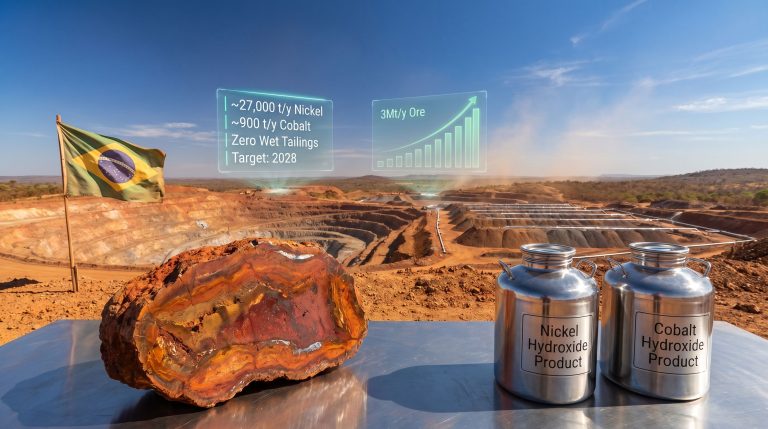
Canadian initiatives focus on both mining development and processing. Their Critical Minerals Strategy has committed billions for domestic supply chain development. Similarly, Brazil’s mining projects offer promising opportunities, particularly in the Minas Gerais region.
Investing in processing capacity remains the key challenge. Chinese authorities continue to fiercely guard their processing know-how. Thus, investments in jurisdictions with stable political environments are increasingly attractive. This aspect is fundamental to long-term control over the supply chain.
Government policies and joint ventures are now more intertwined than ever. Companies are establishing local processing capabilities while governments offer incentives. For example, partnerships not only support resource development but also foster mining industry evolution.
What Role Does Processing Capacity Play in Supply Chain Control?
The Magnet Manufacturing Bottleneck
The gap between mining and processing reveals where true control over supply chains lies. Although deposits exist globally, expertise in turning raw ore into high-grade compounds is limited. Currently, China controls around 85% of global rare earth processing capacity even though it holds only 35% of known reserves.
Establishing new processing facilities faces numerous barriers:
• Complex chemical separation processes
• Environmental compliance and radioactive byproduct management
• Requirement for a skilled, specialised workforce
• High capital investments and lengthy setup times
• Stringent quality control for defence and aerospace markets
Investment in a comprehensive facility can demand between $500 million and $2 billion over a 5-7 year period. As manufacturers prioritise value addition, the magnet-first strategy emerges, capturing higher margins and reducing reliance on imported processed materials.
Industry experts reveal that the true value in the supply chain lies in processing capacity. This insight is further supported by reports such as the industry disruption analysis.
Circular Economy Solutions
Recycling potential from end-of-life electronics remains largely untapped. Currently, global recycling rates for rare earth elements stay below 1%. This low figure is due more to technical challenges than material scarcity. Recycling presents a way to reduce primary mining dependencies significantly.
Urban mining opportunities are diverse. They include:
• Smartphone recycling to recover heavy rare earths
• Wind turbine blade recycling for permanent magnet components
• Electronic waste processing for phosphor compounds
• Recycling components from hybrid and electric vehicles
• Recovering rare earth magnets from computer hard drives
Innovative processes such as advanced hydrometallurgical methods and bioleaching are showing promise. Moreover, initiatives like battery recycling solutions offer hope in tackling electronic waste. Through these measures, companies are gradually shifting towards a circular economy.
How Are Companies Adapting to Geopolitical Supply Chain Risks?
Risk Mitigation Strategies
Corporate strategies increasingly focus on mitigating geopolitical risks. Manufacturers now adopt multi-layered approaches combining inventory management, supplier diversification, and technical innovation. This approach reduces vulnerability when disruptions occur. For example, aerospace companies maintain strategic 12-18 month inventories, while automotive firms target 6-9 month buffers.
New supplier diversification programmes require significant investment and time. Companies must qualify new partners, validate material quality, and establish long-term agreements. In addition, research on material substitution is ongoing. Technologies that reduce rare earth content are increasingly attractive among manufacturers.
Transparency in supply chains has improved due to blockchain and robust auditing programmes. These measures ensure companies understand hidden dependencies and vulnerabilities. Increasingly, corporate risk management incorporates practices that support resilient and adaptive supply chain structures.
Investment Implications for the Resource Sector
Investor preferences now reflect politically stable jurisdictions. Australian rare earth projects, for instance, command higher valuations compared to those in volatile regions. This trend drives capital towards policies that reward ESG compliance and political stability.
Key capital allocation trends include:
• Institutional investors prioritising stability
• Sovereign wealth funds targeting strategic resource assets
• Private equity focusing on downstream integration
• Pension funds favouring long-term supply security
Government incentive programmes, such as the United States Defense Production Act funding and the Canadian Critical Minerals Infrastructure Fund, substantially enhance project economics. Joint ventures, technology partnerships, and international collaborations thus become pivotal in reshaping resource investment frameworks.
What Does the Future Hold for Critical Mineral Geopolitics?
Scenario Planning for Supply Chain Disruptions
Strategic planning now anticipates multiple future scenarios. Best-case scenarios assume the development of alternative processing capacity within 5-7 years and technological breakthroughs in recycling. Conversely, worst-case scenarios predict complete export bans, military conflicts, and cascading industrial failures.
Key components of effective scenario planning include:
• Successful alternative processing development
• International cooperation agreements
• Technological breakthroughs in recycling
• Robust emergency response planning
Furthermore, forecasting models now integrate both potential disruptions and recovery timelines to help policymakers and industry leaders plan effectively.
Strategic Positioning for Market Participants
Market participants must balance cost and supply security. Long-term strategic planning involves:
• Negotiating favourable long-term supply agreements
• Diversifying supplier bases
• Engaging in technology development partnerships
• Ensuring compliance with evolving regulatory frameworks
Countries and companies that invest in processing capacity and forging diverse partnerships stand to gain the most. This is crucial in a world where geopolitical unrest and rare earth supply chains challenge traditional supply models.
In addition, policy advocacy is emerging as a critical component in securing favourable conditions for industry growth. This mindful approach allows businesses to prepare for potential future shifts and mitigate disruption risks effectively.
Frequently Asked Questions About Rare Earth Supply Chain Security
Which industries face the highest vulnerability to supply disruptions?
Defense contractors and aerospace manufacturers are highly vulnerable due to strict purity and limited substitution. Electric vehicle and renewable energy sectors also face significant risks given their dependency on permanent magnets and specialised components.
How long does it take to establish alternative supply sources?
Mining projects generally require 7-12 years from discovery to production, while processing facilities demand 5-7 years. Recycling operations may reach economic scale within 2-3 years, though challenges remain in scaling quickly.
What are the cost implications of supply chain diversification?
Diversification typically increases costs by 15-35% initially. Yet, over time, as alternative suppliers scale up, these premiums may decrease.
How effective are current government intervention strategies?
Government strategies show mixed effectiveness. Financial incentives and regulatory frameworks help attract investments, while diplomatic efforts offer temporary relief. Combining multiple tools yields the best results.
Building Resilient Critical Mineral Supply Chains
Lessons from Current Disruptions
Recent events reveal key early warning indicators. Trade flow data, export licence applications, and inventory levels signal emerging supply constraints. Early coordination among allied nations further reduces risks.
Effective coordination requires:
• Shared intelligence on vulnerabilities
• Coordinated investments in alternative development
• Standardised material specifications
• Emergency sharing agreements
• Joint research initiatives
Public–private partnerships have also proven valuable. For example, government support for projects like Lynas drives sustained growth and innovation across the sector.
Investment Framework for Stakeholders
Long-term investment in mining and processing requires careful geopolitical risk assessment. Factors that influence project viability include political stability, regulatory frameworks, infrastructure availability, and community acceptance.
Geographic diversification strategies must consider:
• Resource quality and processing complexity
• Stability and regulatory predictability
• Infrastructure and development costs
• Technical expertise and labour availability
• Environmental compliance and community support
Ultimately, robust planning and international cooperation will shape the future of supply chains, especially when geopolitical unrest and rare earth supply chains continue to define market dynamics.
By understanding emerging trends, adapting to disruption and leveraging innovative recycling methods, stakeholders can secure supply chains for future growth. This comprehensive approach ensures stability in a sector that underpins modern industry and global markets.
Looking to capitalise on critical minerals market volatility?
Discovery Alert's proprietary Discovery IQ model delivers real-time alerts on significant ASX mineral discoveries, instantly empowering subscribers to identify actionable opportunities ahead of the broader market. Begin your 30-day free trial today and secure your market-leading advantage in this rapidly evolving sector.