June 20, 2026
The Global Mining Sector's Strategic Pivot Toward Electrification Metals
The worldwide mining industry has entered a transformative phase where traditional commodity hierarchies are being reshuffled by forces far larger than individual corporate decisions. Energy transition requirements, technological infrastructure demands, and geopolitical supply chain considerations are collectively rewriting the fundamental economics of resource extraction. This systematic realignment represents one of the most significant shifts in mining industry evolution since the industrial revolution, with implications extending across financial markets, national security frameworks, and global development patterns.
Historical precedent suggests that commodity super-cycles typically emerge when multiple demand drivers converge with constrained supply capacity over extended timeframes. The current environment demonstrates precisely these conditions across base metals essential for modern technological infrastructure. Understanding these macro-level forces provides crucial context for evaluating individual corporate performance within the broader resource sector transformation.
When big ASX news breaks, our subscribers know first
How Copper Became BHP's Primary Revenue Driver in 2026
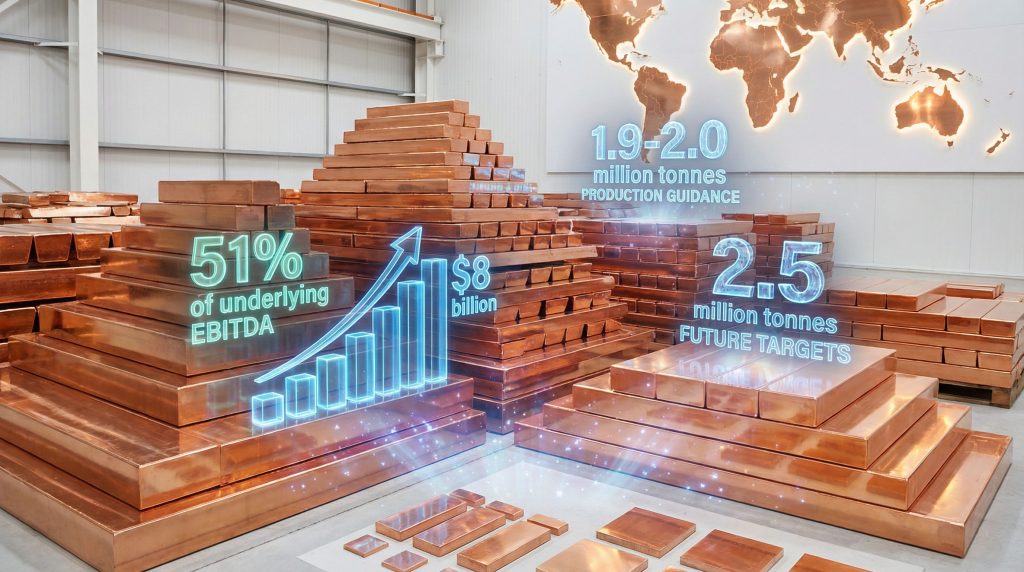
BHP's copper earnings milestone achievement of copper operations generating over 51% of underlying EBITDA represents a watershed moment that transcends quarterly financial reporting. This milestone signals the completion of a strategic transformation that management initiated over four years ago, positioning the company at the intersection of multiple secular growth themes.
The $8 billion in copper division EBITDA reflects a 59% year-over-year increase, driven by both volume expansion and margin enhancement. This performance demonstrates the effectiveness of systematic capacity building across BHP's copper asset portfolio, particularly at flagship operations in Chile and South Australia.
The Numbers Behind the Copper Revolution
Key Financial Metrics:
- EBITDA Contribution: Copper division delivered $8 billion in underlying EBITDA
- Margin Performance: Copper operations achieved margins exceeding 60%
- Revenue Growth: Overall company revenue increased 11% to US$27.9 billion
- Profit Enhancement: Net profit jumped 28% to US$5.64 billion
- Dividend Increase: Interim dividend of US$0.73 per share, up 46%
Strategic Production Positioning Over Four Years
Management's systematic approach to expanding copper production capacity by approximately 30% over the preceding four-year period demonstrates exceptional foresight regarding structural market dynamics. This capacity expansion strategy anticipated the convergence of supply constraints and demand acceleration that characterises current copper market conditions.
Production Trajectory:
- FY26 Guidance: 1.9-2.0 million tonnes copper output
- Long-term Target: 2.5 million tonnes annually by mid-2030s
- Growth Rate: 40% production increase targeted by 2035
- Capital Efficiency: US$11 billion annual capex through FY27
The production expansion timeline reflects careful coordination between operational optimisation, brownfield development, and strategic asset enhancement. Rather than pursuing aggressive acquisition strategies, BHP focused on extracting maximum value from existing world-class copper deposits through technological advancement and processing efficiency improvements.
What Does This Earnings Shift Mean for Global Commodity Markets?
The transition from iron ore dependency to copper-centric earnings at BHP mirrors broader structural changes affecting global commodity allocation patterns. These shifts carry implications extending far beyond individual mining companies to encompass national economic strategies and international trade relationships.
The Electrification Demand Multiplier Effect
Global copper consumption patterns are experiencing fundamental alteration driven by technological infrastructure requirements across multiple sectors simultaneously. This demand multiplication creates compounding effects that traditional commodity forecasting models often underestimate.
Infrastructure Copper Intensity Comparison:
| Technology | Copper Requirement | Multiplier Effect |
|---|---|---|
| Renewable Energy | 3-5x traditional power | Grid integration complexity |
| Electric Vehicles | 80kg vs 20kg conventional | 4x per unit increase |
| Data Centers | Extensive wiring requirements | AI computing acceleration |
| Grid Modernisation | Storage integration | Smart grid deployment |
Supply-Side Constraints Creating Market Tension
While demand accelerates across multiple sectors, supply-side challenges intensify due to geological, political, and economic factors that limit new production capacity development. Consequently, this creates structural market tightness that benefits established producers with expansion capability.
Critical Supply Constraints:
- Mine Depletion Cycle: Numerous established copper mines approaching end-of-life status
- Discovery Deficit: Limited pipeline of major copper discoveries entering production
- Geopolitical Concentration: Copper reserves concentrated in politically sensitive regions
- Development Timeline: Extended lead times for new mine development projects
The combination of accelerating demand and constrained supply creates market conditions typically associated with sustained price premiums and margin expansion for efficient producers. Furthermore, record high copper prices trading near US$13,000 per tonne reflect these underlying fundamentals rather than speculative positioning.
How BHP's Strategic Capital Allocation Maximises Shareholder Value
BHP's approach to funding copper expansion demonstrates sophisticated capital management that avoids traditional equity dilution while securing substantial growth capital through innovative financial engineering. This strategy preserves shareholder value while enabling strategic investment in high-return projects.
The $4.3 Billion Silver Streaming Innovation
The precious metals streaming agreement with Wheaton Precious Metals represents the largest upfront precious metals streaming transaction in market history. This financial structure demonstrates innovative thinking about portfolio optimisation and non-core asset monetisation.
Streaming Transaction Mechanics:
- Upfront Payment: US$4.3 billion immediate capital injection
- Asset Retention: BHP maintains operational control of Antamina mine
- Byproduct Focus: Silver streaming from non-core commodity production
- Share Preservation: No equity dilution or increased share count
Infrastructure Deal Unlocking Additional Capital
Combined with separate infrastructure arrangements, BHP expects to generate over US$6 billion in available capital for reinvestment in high-return copper and potash projects. This capital recycling approach demonstrates management's commitment to growth funding without shareholder dilution.
Capital Allocation Framework:
- Immediate Access: $6+ billion through streaming and infrastructure deals
- Operational Focus: Reinvestment in core copper and potash development
- Balance Sheet Strength: Maintained through cash flow generation
- Dividend Policy: 46% interim dividend increase demonstrates cash generation capacity
The streaming structure allows BHP to monetise non-strategic byproduct revenue while maintaining operational control over productive assets. This approach contrasts sharply with traditional alternatives such as equity raises, debt financing, or asset sales that would compromise long-term value creation potential.
What Are the Investment Implications of BHP's Copper Transformation?
The fundamental shift in earnings composition creates new valuation dynamics and risk-return profiles for equity investors analysing the mining sector. Understanding these changes becomes essential for portfolio construction and sector allocation decisions.
Valuation Premium for Copper-Focused Operations
Mining Sector Valuation Multiples:
| Mining Focus | P/E Ratio | EV/EBITDA | Dividend Yield | Rationale |
|---|---|---|---|---|
| Iron Ore Dominant | 8-12x | 4-6x | 6-8% | Cyclical demand patterns |
| Copper Dominant | 12-18x | 6-9x | 4-6% | Structural growth themes |
| Diversified Base | 10-15x | 5-7x | 5-7% | Portfolio balance |
Risk Factors Balancing Growth Opportunities
While copper-focused operations typically command premium valuations, investors must consider potential headwinds that could affect future performance. However, these risks must be balanced against the structural advantages of copper exposure.
Primary Risk Considerations:
- Chinese Demand: Iron ore consumption softening as infrastructure spending moderates
- Currency Impact: Australian dollar strength potentially compressing export margins
- Price Volatility: Copper price fluctuations affecting earnings predictability
- Capital Requirements: Substantial expenditure needed for production expansion
Analyst Sentiment and Price Target Analysis
Current analyst coverage reflects measured optimism tempered by valuation concerns following the stock's significant appreciation. For instance, many analysts recognise the business quality improvements while questioning near-term upside potential.
Analyst Consensus Breakdown:
- Buy Ratings: 4 analysts
- Hold Recommendations: 8 analysts
- Sell Ratings: 1 analyst
- Consensus Price Target: A$48-55 per share
- Current Trading: A$52.74 (near record highs)
The predominance of hold ratings suggests analysts recognise the fundamental improvement in business quality while questioning whether current valuations adequately reflect execution risks and market uncertainties.
How Does This Milestone Fit Into Global Energy Transition Trends?
BHP's copper earnings milestone aligns with broader macroeconomic shifts toward decarbonisation and digital infrastructure development, positioning the company at the intersection of multiple secular growth themes that extend across decades rather than business cycles.
The Copper Intensity of Economic Transformation
The transformation toward electrification requires unprecedented amounts of copper across the critical minerals energy transition. This creates sustained demand visibility that justifies substantial capital investment.
Copper Demand Evolution by Application:
| Sector | Current Share | 2030 Projection | Growth Driver |
|---|---|---|---|
| Construction | 28% | 22% | Emerging market urbanisation |
| Electrical Grid | 20% | 28% | Grid modernisation and storage |
| Transportation | 12% | 18% | EV adoption acceleration |
| Industrial Equipment | 16% | 14% | Automation efficiency gains |
| Consumer Electronics | 10% | 8% | Market maturation trends |
| Other Applications | 14% | 10% | Various specialised uses |
The projected shift toward electrical grid and transportation applications reflects the fundamental rewiring of global energy infrastructure. This transformation requires sustained copper supply growth over multiple decades, creating visibility for long-term demand that justifies substantial capital investment in production capacity.
Competitive Positioning in the Copper Supply Chain
BHP's enhanced copper production capacity positions the company among top-tier global producers with significant influence over pricing dynamics during periods of market tightness. This market position creates strategic optionality regarding supply allocation and customer relationship management.
Strategic Advantages:
- Scale Economics: Large-scale operations enabling cost leadership
- Geographic Diversification: Production assets across stable jurisdictions
- Quality Assets: World-class ore bodies with extended mine lives
- Operational Excellence: Proven track record of efficiency improvements
The next major ASX story will hit our subscribers first
What Should Investors Expect from BHP's Copper Strategy Going Forward?
The company's long-term copper development roadmap indicates continued emphasis on production growth and operational efficiency improvements across existing and planned operations. This strategic focus reflects management confidence in sustained demand growth exceeding supply capacity additions.
Production Expansion Timeline
Development Phases:
- Near-term (2026-2027): Optimise existing mine output and processing capacity
- Medium-term (2028-2032): Execute brownfield expansion projects at established operations
- Long-term (2033-2035): Achieve 2.5 million tonnes annual production target
Geographic Diversification Strategy
Current copper production concentration in Chile and South Australia creates both operational efficiency benefits and geopolitical risk exposure. Future expansion decisions may prioritise geographic diversification to reduce country-specific regulatory and political risks while maintaining operational excellence standards.
Strategic Considerations:
- Operational Efficiency: Leveraging existing infrastructure and expertise
- Risk Management: Balancing concentration benefits with diversification needs
- Capital Allocation: Maximising returns while managing geopolitical exposure
- Stakeholder Relations: Maintaining strong relationships across operating jurisdictions
Market Psychology and Investment Behavior Patterns
The transformation of BHP from an iron ore-dominant company to a copper-focused operation creates psychological shifts in investor perception that extend beyond fundamental analysis. Understanding these behavioural dynamics becomes crucial for timing investment decisions and portfolio allocation.
Investor Sentiment Factors:
- Growth Story Appeal: Copper's association with technology and clean energy themes
- Valuation Expansion: Premium multiples justified by long-term demand visibility
- Momentum Effects: Positive feedback loops following earnings milestones
- Risk Perception: Balancing growth opportunities against execution uncertainties
Moreover, the battery metals investment landscape continues to evolve, creating additional opportunities for diversified mining companies with copper exposure.
Capital Market Access and Financing Strategies
The mining sector's evolution has transformed how companies approach capital raising strategies for major expansion projects. BHP's streaming approach represents an innovative alternative to traditional equity or debt financing methods.
"The streaming arrangement allows us to monetise byproduct value while retaining operational control of our strategic assets," explained BHP's Chief Financial Officer. This approach demonstrates how established mining companies can fund growth without diluting existing shareholders.
Important Disclaimer: The analysis presented reflects current market conditions and publicly available information. Commodity investments carry inherent risks including price volatility, regulatory changes, and operational uncertainties. Future performance cannot be guaranteed based on historical results or current projections.
Conclusion: A New Era for Resource Sector Leadership
BHP's copper earnings milestone represents far more than a quarterly financial achievement. This transformation signals the emergence of a fundamentally different mining company aligned with 21st-century commodity demand patterns and global infrastructure requirements.
The strategic pivot from iron ore dependency to copper leadership positions BHP at the center of electrification and digitalisation trends that will define economic development over the coming decades. For investors, this evolution creates both compelling opportunities and increased complexity requiring sophisticated analysis of market dynamics, operational execution, and macroeconomic trends.
The company's innovative approach to growth funding through streaming arrangements and infrastructure deals demonstrates management sophistication in preserving shareholder value during strategic transitions. This financial engineering capability, combined with world-class operational assets, creates competitive advantages that extend beyond commodity price cycles.
The broader implications encompass global resource allocation patterns, supply chain security considerations, and the financial infrastructure supporting energy transition initiatives worldwide. As electrification accelerates and digital infrastructure expands, companies positioned at the intersection of these themes may command sustained premium valuations reflecting their strategic importance to economic transformation.
Investment Considerations for Long-term Portfolios:
- Secular Themes: Alignment with electrification and infrastructure modernisation trends
- Market Position: Enhanced competitive positioning in critical commodity markets
- Financial Strategy: Innovative capital allocation preserving shareholder value
- Risk Management: Balancing growth opportunities with operational and market uncertainties
The transformation demonstrates how traditional resource companies can evolve to capture value from fundamental economic shifts while maintaining operational excellence and financial discipline. For investors seeking exposure to global electrification themes, BHP's copper earnings milestone represents a significant strategic milestone worthy of careful analysis and consideration.
Could Your Portfolio Benefit from the Next Major Discovery?
BHP's strategic pivot to copper demonstrates the transformative potential when mining companies align with electrification trends, but individual discoveries can create even more dramatic returns for early investors. Discovery Alert's proprietary Discovery IQ model instantly identifies significant ASX mineral discoveries, providing subscribers with actionable insights into both short-term trading opportunities and long-term transformational discoveries. Begin your 14-day free trial today to position yourself ahead of market-moving announcements.