
June 19, 2026
Understanding Gold Investment Psychology in the Digital Era
Modern investors face unprecedented cognitive challenges when navigating precious metals exposure through traditional channels. The psychological burden of physical storage decisions, coupled with generational shifts toward digital asset familiarity, has created a fundamental transformation in how market participants approach gold investment strategies. This evolution reflects deeper behavioural patterns where convenience, liquidity preferences, and risk perception converge to reshape investment decision-making processes.
The emergence of digital gold investment mechanisms addresses core psychological barriers that have historically limited precious metals portfolio integration. Rather than confronting storage logistics or minimum investment thresholds, investors can now access gold price movements through tokenised instruments that eliminate traditional friction points while maintaining essential exposure benefits.
When big ASX news breaks, our subscribers know first
What Digital Gold Token Architecture Actually Delivers
Traditional precious metals investment requires investors to navigate complex custodial arrangements, insurance considerations, and physical storage logistics. These operational requirements create psychological barriers that extend beyond mere inconvenience, often triggering anxiety around security, accessibility, and cost management.
Eliminating Storage-Related Investment Friction
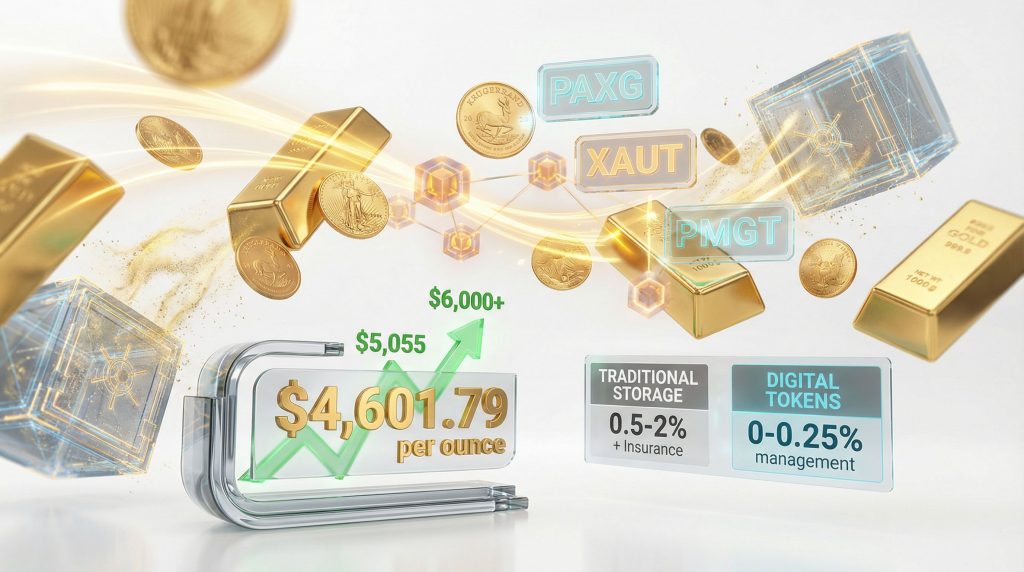
Physical gold ownership typically demands annual storage fees ranging from 0.5% to 2% of holdings value, plus comprehensive insurance coverage and security arrangements. Vault rental facilities impose minimum storage quantities, restrict access to business hours, and require advance notice for physical retrieval. These constraints create ongoing mental overhead for investors who must continuously evaluate storage arrangements against changing personal circumstances.
Tokenised gold products remove these considerations entirely. Digital tokens maintain real-time price synchronisation with spot gold markets through blockchain-based verification systems, enabling fractional ownership exposure with investments as low as $1. The 24/7 trading accessibility across global markets eliminates the temporal restrictions that characterise traditional precious metals trading.
Technical Infrastructure Behind Price Tracking
Gold-backed tokens operate through sophisticated price tracking mechanisms that connect blockchain protocols directly to precious metals market data feeds. Smart contracts automatically adjust token values based on spot price movements, creating seamless exposure without requiring active portfolio management decisions from investors.
The underlying technology employs multi-layer verification systems where token holders maintain cryptographic proof of ownership whilst custodians manage physical gold reserves through established vault networks. This architecture separates investment exposure from physical custody responsibilities, addressing the core psychological barriers that prevent many investors from pursuing precious metals allocation.
Analysing Cost Structures Across Gold Investment Methods
Institutional analysis reveals significant cost advantages when comparing digital gold tokens against traditional physical storage and exchange-traded alternatives. Moreover, these cost differentials extend beyond immediate fees to encompass liquidity access, minimum investment requirements, and operational complexity factors.
Comparative Investment Method Analysis
| Investment Method | Annual Storage Cost | Minimum Investment | Liquidity Access | Operational Complexity |
|---|---|---|---|---|
| Physical Vault Storage | 0.5-2% + Insurance | $50,000+ typical | Business hours only | High |
| Gold-Backed Tokens | 0-0.25% management | $10+ minimum | 24/7 global trading | Low |
| Gold ETFs | 0.4-0.6% expense ratio | 1 share minimum | Market hours only | Medium |
The cost structure analysis demonstrates that tokenised gold products typically charge between 0% to 0.25% in annual management fees, substantially lower than traditional vault storage arrangements. These savings compound over longer holding periods, creating meaningful differences in net investment returns.
Behavioural Drivers Behind Digital Asset Adoption
Investor psychology research indicates several key motivations driving the transition toward vault free to ride gold prices exposure. Primary among these is the elimination of what behavioural finance experts term "storage anxiety" – the persistent concern about physical asset security that affects decision-making even when adequate insurance coverage exists.
Generational preferences also influence adoption patterns. Investors comfortable with digital asset interfaces demonstrate higher satisfaction with tokenised gold products compared to traditional precious metals investors who prefer physical possession. This preference extends to portfolio diversification strategies, where younger investors seek gold exposure without the perceived complexity of custodial arrangements.
Furthermore, market volatility responses support digital adoption. During periods of economic uncertainty, investors prioritise instant liquidity access over physical possession rights, favouring instruments that enable rapid position adjustments without storage logistics constraints.
Current Market Leaders in Tokenised Gold Products
The tokenised gold sector has produced several established players, each offering distinct approaches to digital precious metals exposure. Understanding these products requires examining their backing mechanisms, custody arrangements, and redemption capabilities.
PAXG Token Structure and Institutional Features
Pax Gold (PAXG) operates through 1:1 backing arrangements with London Good Delivery gold bars stored across multiple Brink's vault locations spanning three continents. Each token represents one fine troy ounce of allocated gold, with full traceability to specific bar serial numbers and ownership records.
The institutional-grade custody structure appeals to investors seeking maximum security assurance. PAXG tokens maintain redeemability for physical gold delivery, though minimum redemption requirements typically exceed 430 tokens (approximately $2 million at current prices). High liquidity availability across major cryptocurrency exchanges, including Kraken and Binance, provides secondary market access for smaller position sizes.
XAUT Integration with Decentralised Finance
Tether Gold (XAUT) emphasises Swiss vault storage with London Bullion Market Association (LBMA) certification standards. The product architecture supports layer-2 blockchain compatibility, reducing transaction costs for frequent trading or portfolio rebalancing activities.
Integration with decentralised finance (DeFi) protocols enables yield farming opportunities where investors can earn additional returns on their gold exposure through lending markets or liquidity provision mechanisms. Real-time audit trails via blockchain verification provide transparency levels that exceed traditional custodial arrangements.
Alternative Token Products and Specialisation
Several niche products serve specific investor segments or regional preferences. Perth Mint Gold Token (PMGT) offers government-backed storage through the Western Australian government guarantee, providing sovereign risk mitigation for investors concerned about private custodian counterparty exposure.
GoldCoin (GOLD) focuses on direct ERC-20 wallet compatibility, simplifying storage and transfer processes for investors already familiar with Ethereum-based digital assets. DGX tokens emphasise insurance-backed custodial arrangements with additional coverage layers beyond standard vault protection.
Gold Market Dynamics and Digital Investment Implications
Contemporary gold market conditions directly influence digital token investment strategies and portfolio allocation decisions. Current pricing levels, institutional demand patterns, and macroeconomic factors create specific opportunities and risks for tokenised gold investors.
January 2026 Market Context and Price Drivers
Recent market data from the December 2025 quarter shows record high gold prices, with spot prices recently approaching $4,600 levels. This pricing environment reflects sustained institutional demand from central bank accumulation programs and continued retail investor interest amid monetary policy uncertainty.
Production data from major miners indicates healthy supply conditions, with companies like Vault Minerals reporting quarterly production of 76,520 ounces and year-to-date output reaching 168,607 ounces. All-in sustaining costs (AISC) averaging $2,865 per ounce year-to-date demonstrate profitable operations at current price levels, supporting continued production investment.
Consequently, Indian market consumption patterns continue supporting global demand fundamentals, while ETF inflow momentum suggests institutional confidence in gold's portfolio diversification benefits. These factors create favourable conditions for digital gold token adoption as investors seek efficient precious metals exposure methods.
Strategic Implications for Token Holders
Current market dynamics favour investors who can access gold exposure without traditional storage constraints. The elimination of physical custody requirements allows for more tactical allocation adjustments based on market conditions, rather than being constrained by vault access limitations or minimum withdrawal requirements. According to Yahoo Finance's analysis, institutional investors are increasingly recognising the advantages of digital gold exposure in today's market environment.
Digital tokens enable investors to respond quickly to price movements or portfolio rebalancing needs without the transaction friction associated with physical gold trades. This flexibility becomes particularly valuable during volatile market periods when rapid position adjustments may optimise risk-adjusted returns.
Risk Assessment and Limitation Analysis
Comprehensive evaluation of vault-free gold investment requires understanding both technological risks and operational limitations that may affect investment outcomes. These considerations extend beyond traditional precious metals investment risks to encompass blockchain-specific vulnerabilities and regulatory uncertainties.
Technical and Operational Risk Categories
Smart contract vulnerabilities represent the most significant technological risk for tokenised gold products. While established protocols undergo extensive security auditing, the possibility of undiscovered code vulnerabilities or exploitation attempts remains present. Historical incidents in the broader cryptocurrency sector demonstrate that even audited contracts can experience unexpected failures.
Custodian counterparty risk persists despite insurance coverage arrangements. Physical gold backing requires trusting third-party vault operators and custodial services, creating dependency on their operational continuity and financial stability. Insurance policies may not cover all potential loss scenarios or may involve lengthy claims processes during crisis situations.
In addition, blockchain network congestion can affect transaction costs and processing times, particularly during periods of high network utilisation. Ethereum-based tokens may experience significant fee spikes during network stress, potentially making small transactions economically unviable.
Redemption Constraints and Liquidity Considerations
Physical gold redemption typically requires minimum thresholds often exceeding $100,000 in token value, limiting access to actual metal delivery for smaller investors. Processing delays during high-demand periods can extend redemption timeframes beyond investor expectations, particularly during market stress scenarios when multiple holders may simultaneously request physical delivery.
Geographic restrictions affect delivery options, with many token programs limiting physical redemption to specific regions or requiring international shipping arrangements that increase costs and complexity. Tax implications vary significantly by jurisdiction and token type, requiring specialised advice for optimal holding structures.
Disclaimer: Digital gold tokens involve technological, regulatory, and counterparty risks that may result in partial or total loss of investment value. Investors should conduct thorough due diligence and consider their risk tolerance before investing in tokenised precious metals products.
The next major ASX story will hit our subscribers first
Evaluating Gold-Backed Tokens for Portfolio Integration
Systematic evaluation of tokenised gold products requires comprehensive due diligence frameworks that address custody security, operational transparency, and long-term viability factors. Successful portfolio integration depends on matching token characteristics with individual investment objectives and risk parameters.
Due Diligence Framework Development
Custodian reputation verification forms the foundation of token evaluation. Investors should examine vault operator track records, insurance coverage adequacy, and financial stability indicators. Third-party audit reports provide insight into reserve verification processes and custodial practice compliance with industry standards.
Audit frequency and reporting transparency distinguish higher-quality token products from those with limited oversight. Monthly or quarterly reserve attestations from reputable accounting firms provide greater confidence than annual reporting or self-certification approaches.
Furthermore, trading volume analysis across multiple exchanges indicates market acceptance and liquidity depth. Tokens with consistent trading activity across diverse platforms demonstrate better secondary market access compared to those concentrated on single exchanges or with irregular trading patterns.
Strategic Allocation Considerations
Portfolio allocation recommendations typically suggest precious metals exposure between 5-15% of total investment assets, though individual circumstances may justify different ranges. Tokenised gold enables more precise allocation targeting compared to physical gold investments that require larger minimum purchases.
Correlation analysis between gold tokens and traditional asset classes helps determine portfolio diversification benefits. The gold-stock relationship guide suggests gold maintains low correlation with equity markets during stress periods, though this relationship may vary with different token structures or custody arrangements.
Rebalancing triggers based on gold price volatility enable systematic portfolio management. Digital tokens facilitate more frequent rebalancing compared to physical gold, allowing investors to maintain target allocations with lower transaction costs and operational complexity.
Investment Considerations: Portfolio allocation decisions should reflect individual financial circumstances, risk tolerance, and investment time horizons. Past performance does not guarantee future results, and all investments carry risk of loss.
Technology Evolution and Future Market Development
Continued technological advancement in blockchain infrastructure and custody solutions will likely expand vault free to ride gold prices investment capabilities. Cross-chain interoperability development aims to reduce transaction friction across different blockchain networks, potentially lowering costs and improving user experiences.
Infrastructure Enhancement Trends
Advanced custody solutions incorporating multi-signature security protocols provide enhanced protection against single points of failure. These developments address investor concerns about private key management whilst maintaining the efficiency benefits of digital asset ownership.
Integration with traditional brokerage platforms expands tokenised gold access to investors who prefer conventional financial services interfaces. Major custody providers and asset managers are exploring digital gold product offerings that combine blockchain efficiency with traditional investment account structures.
Moreover, mobile-first interface development focuses on retail investor accessibility, simplifying the user experience for investors unfamiliar with cryptocurrency trading platforms. These improvements may accelerate adoption among traditional precious metals investors seeking digital alternatives.
Regulatory Framework Evolution
Central bank digital currency (CBDC) development may create new interaction possibilities between sovereign digital currencies and tokenised commodities. Regulatory clarity regarding digital asset classification continues evolving, potentially affecting tax treatment and institutional adoption patterns.
Enhanced consumer protection frameworks under development in major jurisdictions may require additional disclosure standards, custody insurance requirements, or operational transparency measures. International coordination on digital asset taxation could reduce jurisdictional complexity for global investors.
However, standardisation of audit and reporting requirements may emerge as the tokenised commodity sector matures, potentially improving investor confidence through consistent industry practices and transparency standards.
Addressing Common Investor Questions
Security Comparison: Digital Tokens vs Physical Vault Storage
Security evaluation requires comparing different risk categories rather than determining absolute superiority. Blockchain immutability provides protection against data manipulation or unauthorised ownership changes, whilst physical theft risks primarily affect vault operators rather than individual investors with proper insurance coverage.
Insurance coverage comparison reveals different protection mechanisms. Physical gold vault storage typically includes comprehensive coverage for theft, natural disasters, and custodian failure scenarios. Digital token insurance may focus on smart contract failures, custody provider issues, and cyber security breaches.
Consequently, regulatory oversight differs between jurisdictions and product types. Traditional vault storage operates under established precious metals industry regulations, whilst tokenised products may fall under evolving digital asset frameworks with varying consumer protection levels.
Physical Gold Redemption Mechanics
Token redemption for physical gold involves specific processes that vary by product and custodian. Most established tokens support redemption rights, though minimum quantities typically require substantial holdings (often 400+ ounces or equivalent token amounts).
Cost implications of physical delivery include shipping, insurance, handling fees, and potential customs duties for international deliveries. These costs may significantly exceed token management fees, making redemption economically viable primarily for large positions.
For instance, alternative exit strategies through exchange trading often provide better liquidity and lower costs for most investors. Secondary market trading eliminates delivery logistics whilst maintaining the ability to convert to other assets or currencies as needed.
How Does Current Market Performance Affect Token Values?
The current gold market performance directly impacts vault free to ride gold prices token valuations through real-time price synchronisation mechanisms. As shown in The Motley Fool's analysis, investors can benefit from these price movements without traditional storage concerns.
Network fees for token transactions vary with blockchain congestion and chosen transaction speed. Ethereum-based tokens may experience fees ranging from $5-50 during normal conditions, potentially increasing during network stress periods.
Annual storage cost comparison favours digital tokens for smaller positions but may favour physical storage for very large holdings. Break-even analysis typically shows digital tokens advantageous for investments below $500,000, though individual circumstances affect this threshold.
Hidden costs in traditional precious metals dealers include bid-ask spreads, delivery charges, insurance premiums, and storage setup fees that may not be immediately apparent in advertised pricing. Digital tokens typically offer more transparent fee structures with costs clearly disclosed in advance.
Looking ahead, the gold price forecast 2025 suggests continued strong performance, making vault free to ride gold prices strategies increasingly attractive for investors seeking efficient precious metals exposure.
Risk Warning: Cryptocurrency and digital asset investments carry substantial risk, including potential total loss of principal. Market volatility, regulatory changes, and technological risks may significantly impact investment value. This analysis is for educational purposes and does not constitute investment advice.
Ready to Capitalise on Mining Discovery Opportunities?
Discovery Alert's proprietary Discovery IQ model delivers real-time alerts on significant ASX mineral discoveries, instantly empowering subscribers to identify actionable opportunities ahead of the broader market. Understand why historic discoveries can generate substantial returns by visiting Discovery Alert's dedicated discoveries page and begin your 30-day free trial today to position yourself ahead of the market.