June 21, 2026
The global financial landscape continues to shift dramatically, with traditional monetary policies facing unprecedented challenges from inflation pressures and geopolitical tensions. Understanding the current gold price forecast requires examining multiple interconnected systems that influence monetary policy, geopolitical risk, and institutional behaviour. The current environment presents unique challenges for precious metals investors as traditional correlations shift and new market dynamics emerge.
Economic Forces Reshaping Gold Market Dynamics
Federal Reserve Policy and Interest Rate Mechanisms
The relationship between monetary policy and gold pricing operates through complex transmission mechanisms that extend beyond simple interest rate movements. When central banks adjust policy rates, the impact on precious metals unfolds through multiple channels simultaneously.
Recent market developments demonstrate these mechanisms in action. Following February 2026's unexpected employment weakness, with US employers cutting jobs and unemployment rising, traders increased Federal Reserve rate cut expectations. This labour market fragility prompted an immediate 1.8% intraday gold rally to $5,174.59 per ounce, showcasing how employment data directly influences precious metals through policy expectations.
The fundamental mechanism operates through opportunity cost calculations. Lower interest rates reduce the relative attractiveness of yield-bearing assets compared to non-yielding gold. This relationship becomes particularly pronounced when real interest rates (nominal yields minus inflation expectations) decline, making gold more attractive as an alternative store of value.
Key factors driving rate-gold correlations include:
• Real interest rate calculations incorporating inflation expectations
• Federal funds rate trajectory and timing of policy shifts
• Treasury yield curve dynamics across different maturities
• Market expectations embedded in federal funds futures pricing
Dollar Strength and Currency Relationships
The inverse relationship between dollar strength and gold prices represents one of the most reliable patterns in commodities markets. This correlation stems from gold's role as an alternative reserve asset and its pricing in US dollar terms globally.
Recent market action illustrates this dynamic clearly. Gold experienced weekly pressure as the dollar rallied during March 2026, contributing to a 2.3% weekly decline before employment data triggered the recovery. The dollar's strength creates headwinds for all dollar-denominated commodities, but particularly affects gold due to its reserve currency substitute role.
Currency relationships extend beyond simple dollar movements to encompass broader monetary system dynamics. Central banks worldwide increasingly diversify reserves away from dollar-denominated assets, creating structural demand for alternative stores of value including precious metals.
When big ASX news breaks, our subscribers know first
Central Banking Trends and Reserve Diversification
Institutional Gold Accumulation Patterns
Central bank behaviour represents a critical long-term driver of gold demand, operating independently of short-term trading dynamics. These institutions make strategic decisions based on multi-decade planning horizons, creating sustained demand floors for precious metals markets.
The current geopolitical environment accelerates reserve diversification trends. Recent analysis suggests that ongoing global trade disruptions and geopolitical tensions support safer asset allocation, including precious metals reserves. Central banks particularly value gold's liquidity, lack of counterparty risk, and historical stability during crisis periods.
Furthermore, the trend towards strategic gold investment reflects institutional recognition of precious metals' unique portfolio characteristics.
Factors influencing central bank gold demand:
• Reserve diversification away from single-currency dependence
• Geopolitical risk management across different time horizons
• Inflation hedging capabilities during monetary expansion periods
• Liquidity maintenance during international financial stress
De-dollarisation and Monetary System Evolution
The gradual shift away from dollar-centric international monetary arrangements creates structural changes in global reserve composition. This process, while gradual, represents a fundamental transformation in how nations manage foreign exchange reserves and conduct international trade.
Recent geopolitical developments accelerate these trends. The March 2026 escalation in Middle East conflicts, with President Trump stating intentions to avoid negotiations with Iran and demanding capitulation, signals extended geopolitical tensions that typically drive reserve diversification.
These monetary system changes operate on different timescales than cyclical gold demand, creating long-term baseline demand that supports price floors even during periods of reduced speculative interest.
Geopolitical Risk Premium in Precious Metals
Crisis-Driven Safe Haven Dynamics
Geopolitical events create immediate and sustained impacts on gold pricing through multiple channels. The current Middle East conflict demonstrates these mechanisms clearly, with oil prices surging 9.37% weekly for Brent crude and 15.11% for WTI crude as tensions escalate.
Gold's role during crisis periods extends beyond simple safe haven demand. The precious metal serves dual functions: inflation hedge against commodity price spikes and liquidity source during equity market stress. March 2026 market action showed gold initially pressured by oil-driven inflation concerns while simultaneously providing liquidity during global equity deterioration.
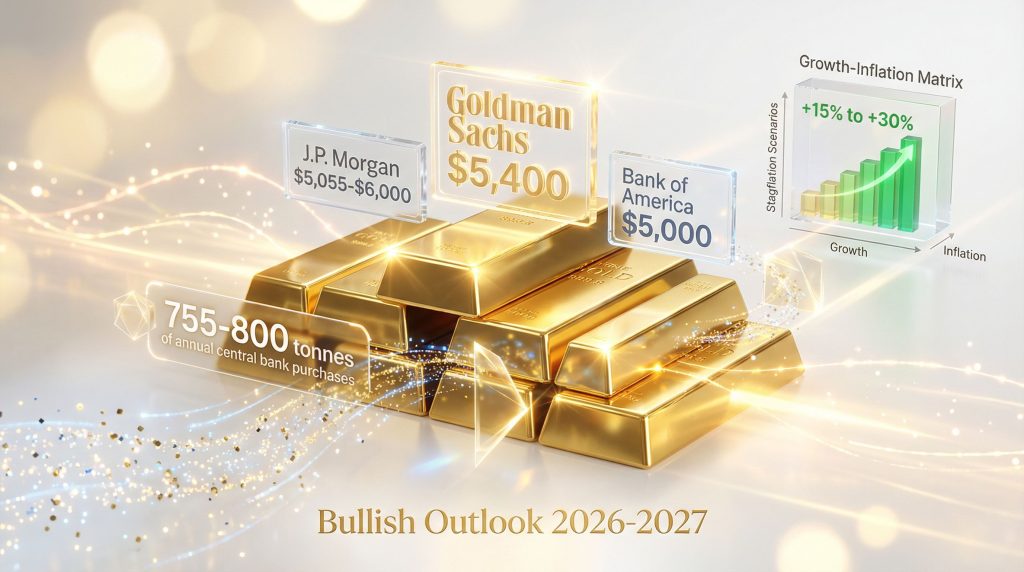
The significance of gold as inflation hedge becomes particularly relevant during periods of commodity price volatility. Additionally, understanding the broader context requires examining gold price forecasts from major financial institutions.
Crisis transmission mechanisms include:
• Inflation expectations from energy price spikes
• Portfolio rebalancing during risk-off periods
• Currency hedge demand during geopolitical uncertainty
• Central bank intervention and policy response expectations
Regional Conflict Impact Assessment
The current Iran-Israel conflict creates specific dynamics that extend beyond typical geopolitical risk premiums. Trump administration statements regarding extended conflict expectations, combined with demands for Iranian capitulation rather than negotiation, suggest prolonged tensions that maintain elevated risk premiums across commodity markets.
Aluminium prices experienced their biggest weekly gain since 2023 (approximately 7%) during the same period, indicating broad-based flight-to-safety across industrial and precious metals. This correlation demonstrates how geopolitical events create systematic risk that affects multiple asset classes simultaneously.
The regional conflict impacts extend through supply chain considerations, energy market disruptions, and broader Middle East stability concerns that influence global economic growth expectations.
Technical Analysis and Price Projection Frameworks
Current Market Structure Analysis
Gold's $5,174.59 current price level represents significant technical developments within historical context. The precious metal achieved nearly 20% year-to-date gains through early March 2026, indicating strong underlying momentum despite recent volatility.
Technical analysis reveals multiple support and resistance levels that influence short-term price action:
| Technical Level | Price Range | Significance |
|---|---|---|
| Immediate Support | $5,100-$5,150 | February consolidation base |
| Strong Support | $4,900-$5,000 | Major institutional accumulation |
| Resistance | $5,200-$5,300 | Recent high rejection levels |
| Major Resistance | $5,500-$5,600 | Psychological barrier zone |
Momentum and Volatility Patterns
Recent price action demonstrates the complex interplay between fundamental drivers and technical momentum. The 1.8% intraday rally followed by weekly consolidation suggests underlying strength despite external pressures from dollar strength and geopolitical uncertainty.
Volatility patterns indicate increased institutional interest, with larger intraday ranges reflecting greater participation from sophisticated market participants. This volatility expansion typically precedes significant directional moves in either direction.
However, the potential for a historic gold price surge remains a topic of considerable debate among analysts.
Key technical indicators suggest:
• Increased trading volumes during rallies versus declines
• Support level maintenance during external pressure periods
• Momentum divergences indicating potential trend continuation
• Options market positioning favouring upside participation
Economic Scenario Analysis for Precious Metals
What Are the Key Monetary Policy Scenarios?
Current economic conditions present multiple potential pathways that influence gold pricing through different mechanisms. The February 2026 employment weakness creates baseline expectations for monetary accommodation, while persistent inflation concerns from energy price increases complicate policy decisions.
Scenario 1: Accelerated Rate Cuts
Economic weakness accelerates, forcing aggressive Federal Reserve easing. This scenario typically benefits gold through reduced opportunity costs and increased monetary stimulus effects.
Scenario 2: Persistent Inflation Constraint
Energy price increases and supply chain disruptions maintain elevated inflation, limiting Fed flexibility for rate cuts while supporting gold price outlook as inflation hedge.
Scenario 3: Stagflation Environment
Combination of economic weakness and persistent inflation creates optimal conditions for gold appreciation, as traditional assets struggle with conflicting signals.
How Do Growth-Inflation Dynamics Affect Gold?
Different macroeconomic environments create varying impacts on gold performance based on the interaction between growth expectations and inflation dynamics:
| Economic Environment | Gold Impact Factors | Investment Implications |
|---|---|---|
| Low Growth/High Inflation | Strong positive | Maximum allocation justified |
| Low Growth/Low Inflation | Moderate positive | Defensive positioning appropriate |
| High Growth/Low Inflation | Neutral to negative | Reduced precious metals exposure |
| High Growth/High Inflation | Mixed signals | Tactical allocation decisions |
The current environment shows characteristics of potential stagflation, with employment weakness coinciding with energy-driven inflation pressures. This combination historically favours precious metals allocation within diversified portfolios.
Investment Strategy Framework Development
Portfolio Construction Methodologies
Modern portfolio theory applications to precious metals require understanding correlations across different market environments. Gold's relationship with other assets changes during stress periods, affecting optimal allocation percentages.
Strategic allocation considerations include:
• Base allocation levels during normal market conditions
• Tactical adjustments during crisis periods
• Rebalancing triggers based on correlation changes
• Time horizon considerations for different gold exposure vehicles
Risk Management Applications
Gold serves multiple risk management functions beyond simple portfolio diversification. The precious metal provides inflation protection, currency hedge capabilities, and crisis insurance that traditional assets cannot replicate.
Risk mitigation mechanisms:
• Real return protection during inflationary periods
• Currency debasement hedge during monetary expansion
• Liquidity provision during financial market stress
• Geopolitical insurance against systematic risks
What Investment Vehicles Should You Consider?
Different gold investment vehicles provide varying exposure characteristics, costs, and practical considerations:
Physical Gold Holdings
Direct ownership provides maximum control and eliminates counterparty risk but involves storage costs, insurance requirements, and liquidity considerations.
Exchange-Traded Funds
ETF structures offer liquidity and convenience while maintaining close gold price correlation, though management fees and tracking differences affect returns.
Mining Equity Exposure
Gold mining stocks provide leveraged exposure to metal prices but introduce operational, jurisdictional, and management risks independent of gold price movements.
Derivatives Strategies
Futures and options allow sophisticated positioning strategies but require active management and margin considerations.
The next major ASX story will hit our subscribers first
Supply Constraint Analysis and Market Structure
Mining Production Dynamics
Gold mining faces increasing production challenges that support long-term price appreciation independent of demand factors. Ore grade decline represents a fundamental constraint affecting global production costs and available supply growth.
The broader mining industry evolution creates additional context for understanding supply-side dynamics.
Production constraint factors:
• Declining ore grades at existing mining operations
• Increased extraction costs from deeper, more complex deposits
• Extended development timelines for new mining projects
• Regulatory and environmental compliance costs
• Infrastructure requirements in remote mining locations
Capital Investment and Development Cycles
Mining industry capital allocation patterns create multi-year lags between price signals and supply responses. Current underinvestment in exploration and development creates potential supply constraints that support higher future prices.
The mining development cycle typically requires 7-15 years from discovery to production, meaning current investment decisions determine supply availability in the late 2020s and 2030s. Recent focus on shareholder returns rather than growth investment may create future supply-demand imbalances.
Risk Assessment and Downside Protection
What Are the Potential Headwinds?
Despite favourable fundamental conditions, several factors could create headwinds for gold price appreciation:
Dollar Strength Scenarios
Renewed US economic outperformance relative to other major economies could strengthen the dollar significantly, creating pressure on dollar-denominated commodities including gold.
Real Rate Normalisation
Sustained higher real interest rates could increase opportunity costs of holding non-yielding assets, reducing gold's relative attractiveness compared to fixed-income alternatives.
Central Bank Policy Shifts
Changes in central bank gold accumulation patterns could remove a significant source of structural demand from the market.
Market Structure Vulnerabilities
Gold market structure contains potential vulnerabilities that could amplify price movements in both directions:
• ETF liquidation triggers during institutional selling
• Leverage unwinding in futures markets during margin stress
• Correlation breakdown during systematic financial stress
• Liquidity constraints during extreme market conditions
For additional insights on gold market dynamics, consider reviewing comprehensive market analysis from institutional investment firms.
Market Psychology and Behavioral Factors
Institutional vs Retail Behaviour Patterns
Different investor classes exhibit distinct behaviour patterns that influence gold market dynamics. Institutional investors typically base decisions on portfolio optimisation models and risk management requirements, while retail investors often respond to sentiment and momentum factors.
Recent market action demonstrates these differences clearly. The intraday 1.8% rally following employment data reflects institutional algorithmic responses to fundamental developments, while weekly volatility patterns suggest ongoing sentiment-driven positioning.
Behavioural pattern distinctions:
• Institutional focus on correlation and risk-adjusted returns
• Retail emphasis on price momentum and media coverage
• Central bank long-term strategic considerations
• Sovereign wealth fund allocation based on multi-decade planning
Sentiment Indicators and Contrarian Signals
Market sentiment indicators provide insights into potential inflection points and overcrowded positioning that could trigger reversals. Current sentiment metrics suggest mixed signals, with institutional interest increasing while retail enthusiasm remains moderate.
Key sentiment measures include:
• Commitment of Traders positioning in futures markets
• ETF flow patterns and institutional accumulation
• Options market skew and volatility expectations
• Survey data on professional and retail investor sentiment
Long-Term Structural Trends
Monetary System Evolution
The international monetary system continues evolving away from the post-Bretton Woods dollar standard toward a more multipolar arrangement. This gradual transformation creates structural demand for alternative reserve assets including gold.
Structural change drivers:
• Declining US share of global economic output
• Increasing importance of emerging market economies
• Digital currency development and central bank digital currencies
• Cryptocurrency adoption as alternative store of value
Demographic and Generational Shifts
Changing demographics influence precious metals demand through shifting savings patterns, inheritance transfers, and generational investment preferences. While younger investors often favour digital assets, institutional and sovereign demand continues supporting gold markets.
Important Note: This analysis contains forward-looking statements and projections that involve inherent risks and uncertainties. Past performance does not guarantee future results. Investors should conduct their own due diligence and consider consulting with qualified financial advisors before making investment decisions. Gold prices can be volatile and may decline as well as appreciate. Various factors beyond those discussed could materially affect actual outcomes and performance.
The gold price outlook for 2026-2027 depends on the complex interaction of monetary policy, geopolitical developments, and structural market changes. Current conditions suggest continued support for precious metals allocation within diversified portfolios, though investors must carefully consider individual circumstances, risk tolerance, and investment objectives when developing gold price outlook strategies.
Looking to Capitalise on Strategic Gold Investment Opportunities?
Discovery Alert's proprietary Discovery IQ model delivers real-time notifications on significant ASX mineral discoveries, including precious metals opportunities that align with current market dynamics. Access immediate insights into actionable investment opportunities whilst positioning yourself ahead of broader market movements during these pivotal economic conditions.