July 25, 2026
How Do Government Contract Cancellations Impact Mining Investment Climate?
The global mining sector operates within an increasingly complex web of regulatory oversight, where government decisions can reshape entire project portfolios overnight. When examining the patterns of contract terminations and project restructuring across emerging markets, several critical risk factors emerge that fundamentally alter investment decision-making frameworks. These dynamics become particularly pronounced in resource-rich nations experiencing political transitions, where inherited agreements face renewed scrutiny under different administrative priorities.
The intersection of regulatory governance and foreign investment in mining infrastructure reveals systematic vulnerabilities that extend far beyond individual project failures. Understanding these mechanisms provides crucial insights into how institutional risk assessment frameworks must evolve to address changing geopolitical landscapes and their impact on long-term resource development strategies.
Regulatory Risk Assessment Framework for Mining Projects
Contemporary mining investment evaluation increasingly requires sophisticated risk modeling that accounts for political transition periods and their effect on contract continuity. Recent developments in Latin American markets demonstrate how regulatory frameworks can shift dramatically during administrative changes, particularly affecting foreign-financed infrastructure projects.
| Region | Contract Cancellations (2020-2025) | Primary Risk Factors | Average Project Value (USD Million) |
|---|---|---|---|
| Andean Countries | 12 major projects | Political transitions, pricing disputes | 285 |
| Sub-Saharan Africa | 8 major projects | Regulatory changes, capacity issues | 420 |
| Southeast Asia | 6 major projects | Environmental compliance, community opposition | 310 |
| Central Asia | 4 major projects | Geopolitical tensions, financing disputes | 180 |
Due diligence gaps in initial contract approval processes reveal several systematic weaknesses:
- Congressional oversight deficiencies where foreign-financed projects bypass legislative approval mechanisms
- Technical specification review inadequacies particularly regarding cost benchmarking against international standards
- Performance monitoring frameworks that lack sufficient audit mechanisms during commissioning phases
- Technology transfer evaluation gaps where proprietary process premiums inflate project costs significantly
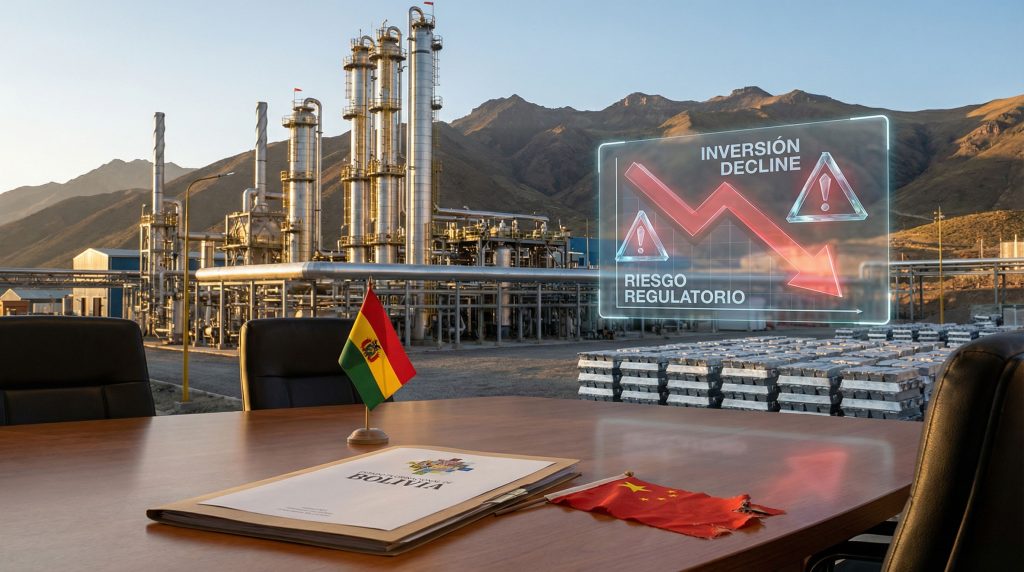
The Bolivia cancels zinc project with China case exemplifies these vulnerabilities, where a USD $350 million zinc refinement facility faced termination due to pricing concerns that exceeded international benchmarks by substantial margins. The facility's planned 150,000 metric tonne annual capacity represented significant capital intensity that regulatory authorities deemed excessive compared to modular processing alternatives.
Furthermore, these permitting challenges demonstrate how regulatory frameworks must evolve to address modern investment complexity. In addition, new approaches to streamlining approval processes, including executive order on permits, reflect changing policy priorities across different jurisdictions.
Legal Mechanisms for Project Termination in Resource Sectors
Mining contract termination procedures vary significantly across jurisdictions, but several common legal frameworks govern how governments can dissolve agreements with foreign contractors. Understanding these mechanisms becomes essential for investment risk modeling, particularly when projects involve Export-Import Bank financing or other sovereign guarantee structures.
Congressional approval requirements for foreign-financed projects create specific vulnerability windows:
- Initial approval bypassing during negotiation phases
- Retrospective legislative review triggered by political transitions
- Financing source scrutiny particularly for state-backed foreign lending institutions
- Technical compliance auditing that can identify specification or performance deficiencies
Legal Precedent Analysis: Contract cancellation patterns in resource sectors typically follow structured escalation procedures, beginning with corrective demand periods, progressing through technical audit phases, and culminating in termination decisions when performance gaps cannot be resolved through contractor remediation efforts.
The Mutún siderurgic complex case illustrates how governments differentiate between complete project cancellation and corrective demand strategies. Despite the USD $546 million facility experiencing operational deficiencies, authorities opted for contractor correction requirements rather than termination, suggesting project materiality influences enforcement approaches.
However, identifying investment red flags early in project development can help prevent such severe outcomes. Moreover, understanding financing mechanisms like US ExIm loan insights becomes crucial for project risk assessment.
When big ASX news breaks, our subscribers know first
What Drives Overpricing Disputes in International Mining Contracts?
International mining contract disputes increasingly center on cost structure verification, where complex pricing mechanisms can obscure significant premiums above market rates. These disputes reflect deeper challenges in establishing transparent benchmarking systems for specialized processing equipment and technology transfer arrangements, particularly when projects involve proprietary technologies from single-source suppliers.
The emergence of overpricing concerns in major infrastructure projects signals broader market dynamics where traditional cost estimation methods may inadequately account for emerging market risk premiums, financing cost embedding, and technology licensing arrangements that can substantially inflate project valuations.
Cost Structure Analysis in Large-Scale Processing Facilities
Contemporary zinc processing infrastructure development faces significant cost variation depending on technological approaches, geographic factors, and financing structures. International benchmarking reveals substantial disparities in capital expenditure requirements across different regions and project configurations.
| Facility Type | Typical Capex Range (USD/tonne annual capacity) | Technology Premium Range | Geographic Risk Premium |
|---|---|---|---|
| Traditional Fixed Plant | $1,800-$2,800 | 15-25% above baseline | 10-20% for remote locations |
| Modular Processing | $1,200-$2,200 | 5-15% above baseline | 5-15% for remote locations |
| Integrated Smelting | $2,500-$3,500 | 20-35% above baseline | 15-30% for remote locations |
| Specialized Concentrate | $1,500-$2,500 | 10-20% above baseline | 10-25% for remote locations |
Technology transfer premiums represent a critical component often embedded within equipment pricing:
- Proprietary process licensing can add 15-30% to baseline equipment costs
- Installation and commissioning services frequently carry 25-40% markups above standard rates
- Operational knowledge transfer may require ongoing royalty arrangements adding 3-7% to annual operating costs
- Maintenance and technical support agreements can incorporate 20-35% premiums above competitive market rates
The cancelled Bolivian zinc project's USD $350 million valuation for 150,000 tonnes annual capacity implies approximately USD $2,333 per tonne, placing it within competitive ranges but potentially reflecting inflated technology premiums or embedded financing costs that regulatory review identified as excessive.
Due Diligence Failures in Contract Evaluation
Systematic overpricing often results from inadequate independent verification processes during contract negotiation phases. These failures typically manifest through insufficient technical specification review, limited competitive benchmarking, and inadequate separation of equipment costs from financing arrangements.
Independent cost verification methodologies require several critical components:
- Third-party engineering assessments utilising international design firms familiar with regional conditions
- Equipment pricing verification through multiple supplier quotations independent of primary contractor arrangements
- Technology licensing cost separation to identify proprietary process premiums distinct from standard equipment pricing
- Financing cost unbundling to distinguish project capital costs from embedded lending premiums
Currency fluctuation impacts create additional complexity in long-term project cost evaluation. Multi-year construction timelines expose projects to exchange rate volatility that can significantly alter effective pricing, particularly for equipment sourced from countries with appreciating currencies relative to local project currencies.
Cost Verification Best Practice: How to identify overpricing in mining contracts requires systematic comparison against three independent benchmarks – recent comparable projects in similar jurisdictions, equipment supplier quotations independent of primary contractors, and feasibility studies from recognised international engineering firms with regional experience.
The Huanuni tin processing facility operating at only 13% of design capacity illustrates how cost structure problems can persist beyond construction phases, suggesting either inadequate technology specification matching local ore characteristics or insufficient operational knowledge transfer during commissioning processes.
Why Are Chinese Mining Investments Facing Increased Scrutiny?
The evolving landscape of international resource partnerships reflects broader geopolitical realignments where traditional investment patterns face systematic reevaluation. This shift encompasses not merely bilateral relationship changes but fundamental modifications in how resource-rich nations structure their international development strategies and evaluate long-term partnership frameworks.
Understanding these dynamics requires examining both performance-based factors and strategic positioning considerations that influence government decisions regarding foreign infrastructure investments, particularly those involving state-backed financing mechanisms and turnkey project delivery models.
Geopolitical Shift Patterns in Resource Partnerships
Recent political transitions across Latin America have catalysed significant reassessment of resource development strategies, with particular focus on diversifying international partnerships beyond traditional bilateral arrangements. This trend reflects broader strategic considerations regarding technological sovereignty, operational control, and long-term economic dependency patterns.
| Investment Pattern | 2015-2020 (USD Billion) | 2021-2025 (USD Billion) | Projected 2026-2030 | Primary Shift Drivers |
|---|---|---|---|---|
| Chinese Mining Investment | 45.2 | 38.7 | 32.1 (projected) | Performance issues, political transitions |
| North American Investment | 18.3 | 24.6 | 31.2 (projected) | Diversification strategies, technology preferences |
| European Investment | 12.1 | 15.8 | 19.4 (projected) | ESG compliance, operational standards |
| Australian Investment | 8.7 | 12.3 | 16.8 (projected) | Technical expertise, governance frameworks |
Western alternative investment initiatives have gained traction through several mechanisms:
- Technical expertise positioning emphasising operational efficiency and knowledge transfer quality
- Environmental and social governance standards that align with international best practices
- Flexible financing arrangements that avoid heavy sovereign debt obligations
- Modular technology approaches that reduce capital intensity and operational complexity
Policy changes under new political administrations frequently target contract review processes, with particular focus on inherited agreements that may not align with current strategic priorities. The Bolivia cancels zinc project with China decision reflects this broader pattern where administrative transitions trigger systematic contract reevaluation.
Performance Issues in Sino-Bolivian Mining Projects
Operational performance data across multiple Chinese-constructed mining facilities reveals systematic challenges that extend beyond individual project issues. These patterns suggest deeper structural problems in technology transfer, operational training, and performance accountability mechanisms that affect project viability beyond initial construction phases.
Capacity utilisation problems manifest across multiple facilities through several common factors:
- Technology specification mismatches where equipment design inadequately accounts for local ore characteristics
- Operational knowledge transfer deficiencies during commissioning and handover processes
- Maintenance protocol inadequacies that lead to accelerated performance degradation
- Quality control system gaps that affect both output quantity and product specification compliance
The Mutún siderurgic complex trajectory illustrates these challenges, where a nearly two-decade development effort finally achieved operational status in February 2025, only to require corrective measures within the first year of state management. This pattern suggests systematic issues in project handover procedures and operational sustainability frameworks.
Performance Analysis Insight: Common performance gaps in international mining ventures typically emerge during the transition from contractor operation to client management, when inadequate knowledge transfer becomes apparent through declining capacity utilisation and quality control issues.
Technical audit findings across multiple facilities indicate recurring problems with equipment specification appropriateness for local conditions, suggesting insufficient pre-construction geological and operational analysis during project design phases. Nevertheless, successful international operators demonstrate that effective global expansion strategy can overcome these challenges through proper planning and execution.
How Do Zinc Market Dynamics Influence Project Viability?
Global zinc processing capacity distribution significantly impacts regional project viability, particularly for countries seeking to develop domestic refining capabilities rather than exporting raw concentrates. Understanding these market dynamics becomes crucial when evaluating the strategic value of processing infrastructure investments versus alternative resource monetisation approaches.
The interaction between global supply chains, processing technology costs, and regional demand patterns creates complex decision matrices that influence both project feasibility and long-term economic returns from mineral resource development strategies.
Global Zinc Processing Capacity and Demand Projections
Contemporary zinc processing infrastructure operates within a highly concentrated global framework where capacity distribution affects pricing power, technology access, and strategic supply security for consuming regions. This concentration creates both opportunities and vulnerabilities for emerging market processing development.
| Region | Current Capacity (Million MT/year) | Market Share (%) | Projected 2030 Capacity | Key Technology Providers |
|---|---|---|---|---|
| China | 5.28 | 40.0% | 6.2 | Domestic + International |
| Europe | 2.64 | 20.0% | 2.8 | European + North American |
| North America | 1.98 | 15.0% | 2.4 | North American + European |
| Other Asia | 1.32 | 10.0% | 1.8 | Mixed International |
| Latin America | 0.66 | 5.0% | 1.1 | Chinese + Western |
| Africa/Middle East | 0.66 | 5.0% | 0.9 | Chinese + European |
| Oceania | 0.66 | 5.0% | 0.8 | Western Technology |
Market concentration risks in zinc processing create several strategic vulnerabilities:
- Technology dependency where processing equipment relies on limited supplier networks
- Pricing influence concentrated in regions with dominant processing capacity
- Supply chain disruption vulnerability affecting both concentrate imports and refined product exports
- Environmental standard variations creating competitive disparities between processing regions
Strategic importance of processing capabilities versus raw material exports becomes particularly relevant for resource-rich nations seeking to maximise value-added economic activity. Processing infrastructure can generate significantly higher employment, technology transfer, and downstream industrial development compared to concentrate export strategies.
Alternative Technology Solutions for Zinc Processing
Modular processing plant advantages represent a significant technological evolution that addresses many traditional barriers to processing infrastructure development in emerging markets. These approaches offer scalability, reduced capital intensity, and operational flexibility that conventional fixed-plant designs cannot provide.
Capital efficiency comparisons reveal substantial differences between processing approaches:
- Traditional fixed plants require USD $1,800-$2,800 per tonne annual capacity with 3-5 year construction timelines
- Modular systems achieve USD $1,200-$2,200 per tonne capacity with 18-30 month deployment timelines
- Hybrid approaches combining fixed infrastructure with modular components can optimise costs at USD $1,500-$2,400 per tonne capacity
- Technology licensing arrangements can reduce capital requirements by 15-25% through partnership structures rather than turnkey procurement
Technology Assessment Scenario: Cost-benefit analysis of different processing approaches must account for operational flexibility, scalability potential, technology transfer quality, and long-term maintenance requirements rather than focusing solely on initial capital expenditure comparisons.
The cancelled zinc project's evaluation of modular alternatives suggests recognition that traditional fixed-plant approaches may carry excessive capital costs for Bolivian market conditions, where processing volumes may require scalability rather than maximum initial capacity. Furthermore, recent developments including Bolivia's mining industry transformation demonstrate the government's commitment to more cost-effective processing solutions.
What Are the Broader Implications for Mining Sector Governance?
Contemporary mining sector governance increasingly requires sophisticated institutional frameworks that balance resource nationalism objectives with international investment attraction. This evolution reflects broader recognition that sustainable resource development demands transparent, accountable, and technically competent oversight mechanisms that protect national interests while maintaining investor confidence.
The intersection of regulatory enforcement, technical compliance, and investment climate management creates complex policy challenges where government decisions regarding individual projects can significantly impact broader sector reputation and future capital access.
Audit and Compliance Framework Development
Effective mining contract oversight requires multi-layered audit systems that address technical performance, financial compliance, and operational sustainability across project lifecycles. These frameworks must balance rigorous oversight with operational efficiency to avoid creating bureaucratic barriers that discourage legitimate investment.
Technical audit requirements for operational facilities encompass several critical dimensions:
- Design specification verification ensuring equipment and processes match approved technical parameters
- Performance monitoring systems that track capacity utilisation, product quality, and operational efficiency metrics
- Environmental compliance assessment covering emissions, waste management, and resource utilisation standards
- Safety protocol evaluation addressing worker protection, community safety, and emergency preparedness procedures
Legal review processes for inherited contracts present particular challenges where new administrations must evaluate agreements negotiated under different political and economic conditions. These reviews require careful balance between legitimate contract modification needs and maintaining legal stability that supports future investment confidence.
Governance Best Practice: Best practices for mining contract oversight include establishing independent technical review committees, implementing transparent audit reporting mechanisms, creating stakeholder consultation processes, and maintaining consistent regulatory interpretation across political transitions to preserve institutional credibility.
Compliance framework development must address several systematic challenges:
- Technical expertise requirements within government oversight agencies
- Independent verification capabilities that avoid conflicts of interest with project proponents
- Regulatory consistency across political transitions and administrative changes
- Stakeholder engagement processes that balance community concerns with operational requirements
Investment Attraction Strategies Post-Contract Cancellation
Mining jurisdictions facing contract disputes must carefully manage reputation rehabilitation while demonstrating improved governance standards. This process requires clear communication regarding regulatory expectations, transparent dispute resolution mechanisms, and evidence of institutional capability improvements.
Reputation management for mining jurisdictions involves several strategic components:
- Transparent communication regarding regulatory changes and their rationale
- Demonstration of technical competence in contract evaluation and oversight processes
- Consistent policy application showing fairness across different investor nationalities and project types
- Investment promotion initiatives that highlight improved governance frameworks and institutional capabilities
Diversification of international partnerships requires active engagement with multiple investor communities, technical assistance programmes, and bilateral investment treaty negotiations that provide legal protection frameworks for foreign investors while preserving national sovereignty over resource development decisions.
Common investor concerns about regulatory stability that must be addressed include:
- Contract sanctity and conditions under which agreements might face modification
- Dispute resolution mechanisms providing fair and efficient conflict resolution procedures
- Regulatory predictability regarding environmental, tax, and operational requirement changes
- Technical standard consistency ensuring evaluation criteria remain stable across political cycles
The next major ASX story will hit our subscribers first
How Might This Decision Reshape Bolivia's Mining Strategy?
The strategic implications of contract cancellation decisions extend far beyond individual project outcomes, potentially catalysing comprehensive reevaluation of resource development frameworks and international partnership strategies. This process involves balancing immediate economic pressures with long-term development objectives while managing complex political and social considerations.
Understanding these broader strategic dimensions requires examining how resource nationalism policies can coexist with international investment attraction, particularly in contexts where mineral wealth potential significantly exceeds current production levels and economic development needs.
Resource Nationalism vs. International Investment Balance
Contemporary resource nationalism strategies increasingly focus on maximising domestic value creation while maintaining access to international markets, technology, and capital. This approach requires sophisticated policy frameworks that protect national interests without creating barriers that discourage essential foreign investment and technical expertise.
Policy frameworks for protecting national interests encompass several key mechanisms:
- Strategic sector identification defining which resources and processing capabilities require domestic control
- Technology transfer requirements ensuring foreign investment contributes to domestic capability development
- Local content mandates promoting domestic supplier development and employment creation
- Revenue optimisation frameworks maximising government receipts through taxation, royalties, and participation arrangements
Attracting "tier-one" mining companies requires demonstrating regulatory stability, technical competence, and commercial attractiveness that differentiate jurisdictions from higher-risk investment destinations. This positioning becomes particularly challenging for countries with histories of resource sector interventions or community opposition to large-scale mining operations.
| Development Metric | Current Status | Potential with Optimal Development | Gap Analysis |
|---|---|---|---|
| Annual Mineral Export Revenue | $2.1 billion | $8.7 billion | Infrastructure, processing capacity |
| Mining Sector Employment | 125,000 direct jobs | 280,000 direct jobs | Investment attraction, project development |
| Value-Added Processing | 15% of production | 45% of production | Technology transfer, capital investment |
| Government Mining Revenue | $420 million/year | $1.2 billion/year | Policy optimisation, production scaling |
Bolivia's mineral wealth potential includes significant reserves of lithium, zinc, tin, silver, and other strategic minerals that could support substantially expanded production with appropriate investment and technology deployment. However, realising this potential requires balancing resource control objectives with investment climate requirements.
Economic Recovery Through Mining Sector Reform
Mining sector reform strategies must address multiple interconnected challenges including foreign exchange generation, infrastructure development, and long-term competitiveness while managing social and environmental concerns that affect project viability and community acceptance.
Foreign exchange generation priorities become critical in economic crisis contexts where:
- Export diversification reduces dependency on single commodity price cycles
- Value-added processing increases export revenue per unit of raw material extraction
- Technology import efficiency optimises foreign exchange utilisation for essential equipment and expertise
- Investment capital attraction provides development financing without excessive sovereign debt accumulation
Infrastructure development requirements extend beyond individual mining projects to encompass transportation networks, power generation capacity, water management systems, and telecommunications infrastructure that support broader economic development objectives.
Long-term competitiveness factors that influence mining sector development success include:
- Regulatory framework stability that provides predictable operating conditions across political cycles
- Technical education systems that develop domestic expertise in mining operations, maintenance, and management
- Environmental management capabilities that meet international standards while protecting local communities
- Social licence maintenance through effective community engagement and benefit-sharing arrangements
Strategic Development Note: Economic recovery through mining sector reform requires coordinated approaches that simultaneously address immediate revenue generation needs and long-term institutional development objectives, while maintaining balance between resource nationalism and international investment requirements.
The Bolivia cancels zinc project with China decision represents part of this broader strategic recalibration, where immediate contract disputes serve as catalysts for comprehensive evaluation of resource development strategies and international partnership frameworks. Success in this process depends on demonstrating improved governance capabilities while maintaining openness to legitimate foreign investment and technical cooperation.
Additionally, understanding broader mining project financing trends becomes essential for developing effective reform strategies that attract international capital while maintaining national sovereignty over resource development.
Disclaimer: This analysis is based on publicly available information and industry assessments. Mining sector investments carry significant risks including commodity price volatility, regulatory changes, and operational challenges. Specific investment decisions should be based on independent due diligence and professional financial advice. Political and regulatory developments in resource sectors can change rapidly and significantly impact project viability and investment returns.
Want to Stay Ahead of ASX Mining Discoveries Before Major Market Moves?
Discovery Alert's proprietary Discovery IQ model delivers instant notifications on significant ASX mineral discoveries, empowering investors to identify actionable opportunities before broader market recognition. With historic discoveries generating substantial returns, start your 14-day free trial today to position yourself ahead of contract cancellations and market shifts that reshape mining investment landscapes.