May 15, 2026

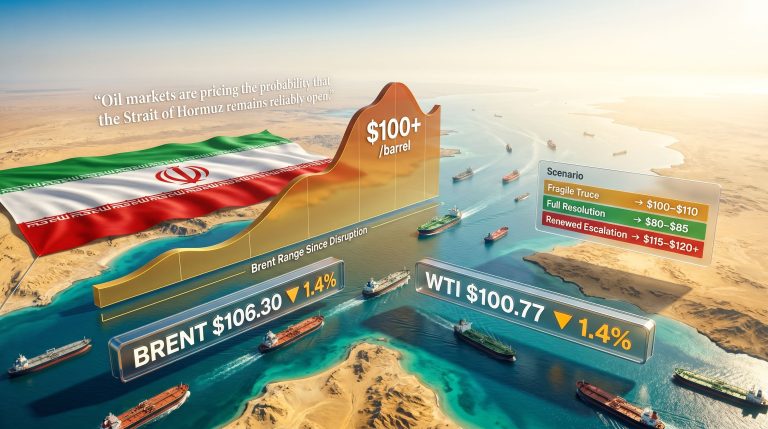
Global maritime trade faces unprecedented vulnerability as supply chain dependencies converge with geopolitical instability across critical shipping corridors. The interconnected nature of modern commerce has created systemic exposure points where disruptions amplify through complex economic networks, transforming localised tensions into worldwide financial transmission mechanisms. A Hormuz and Suez trade shock demonstrates how maritime chokepoint economics operate beyond simple supply and demand calculations, creating cascading effects throughout international commerce.
Understanding Critical Maritime Bottlenecks in Global Commerce
Maritime chokepoints represent strategic geographical locations where shipping traffic concentrates due to natural topography and infrastructure limitations. These corridors become critical economic infrastructure when alternative routes prove either impractical or prohibitively expensive for commercial operations.
The Strait of Hormuz handles approximately 20% of global petroleum flows, representing roughly 17 to 20 million barrels daily from Gulf producers according to U.S. Energy Information Administration data. This narrow waterway simultaneously serves as the primary export route for liquefied natural gas shipments from Qatar, making it a dual-purpose energy corridor with global implications.
The Suez Canal facilitates between 12% to 15% of worldwide trade volumes and nearly 30% of global container traffic. This artificial waterway connects Asian manufacturing centres with European and African markets, creating dependencies that extend far beyond simple transit statistics.
Economic Concentration Risks in Maritime Infrastructure
Historical analysis reveals that chokepoint disruptions create immediate price volatility through multiple transmission mechanisms. Furthermore, these trade war impacts demonstrate similar economic cascade patterns during geopolitical tensions.
• Energy market speculation drives futures pricing within 24-48 hours of disruption announcements
• Shipping capacity constraints emerge as vessels reroute through longer alternative corridors
• Insurance premium increases reflect elevated maritime risk assessments
• Inventory management adjustments occur as companies prepare for extended supply delays
The 2024-2025 Red Sea shipping disruptions demonstrated these mechanisms in practice. Egyptian President Abdel-Fattah el-Sisi documented monthly revenue losses of approximately $800 million during peak disruption periods. Annual Suez Canal revenues declined by nearly 60% throughout 2024, creating a cumulative shortfall approaching $7 billion.
Geographic Vulnerabilities Beyond Direct Transit
While only 13% of African continental imports pass directly through the Strait of Hormuz, the economic transmission effects extend through energy pricing mechanisms that affect all petroleum-importing economies. This demonstrates how chokepoint vulnerabilities operate through price transmission rather than physical route dependency alone.
Regional variations in chokepoint exposure create differential vulnerability patterns across economies. East African nations show particularly high Suez Canal dependencies according to analysis from shipping industry sources:
| Country | Suez Trade Dependency | Primary Risk Factors |
|---|---|---|
| Sudan | 34% of external trade | Highest direct exposure to route disruptions |
| Djibouti | 31% of external trade | Port economy vulnerability |
| Kenya | 15% of external trade | Manufacturing input dependencies |
| Tanzania | 10% of external trade | More diversified routing options |
When big ASX news breaks, our subscribers know first
Amplification Effects of Simultaneous Chokepoint Disruptions
Single chokepoint disruptions typically activate alternative routing mechanisms that absorb some commercial traffic, though at higher costs and longer transit times. However, simultaneous disruptions across multiple corridors eliminate backup options and create exponential rather than additive economic pressures.
Capacity Constraint Multiplication
When both Hormuz and Suez face simultaneous disruptions, the global shipping system loses flexibility that normally helps absorb individual chokepoint closures. The Cape of Good Hope route around Africa becomes the primary alternative for Asia-Europe trade, but this corridor lacks sufficient infrastructure capacity to handle displaced traffic volumes efficiently.
Route diversions add thousands of additional miles to standard shipping journeys, increasing both transit time and fuel consumption. These extensions create cascading effects throughout supply chain networks that depend on predictable delivery schedules for inventory management and production planning.
Financial Market Amplification Mechanisms
Dual disruptions trigger multiple financial transmission channels simultaneously. Moreover, tariff market effects demonstrate how economic policies compound these market pressures during trade disruptions.
• Energy futures markets price in supply risk premiums that exceed simple volume displacement calculations
• Currency markets react to anticipated trade balance deterioration in import-dependent economies
• Commodity markets incorporate expected logistics cost increases across multiple product categories
• Insurance markets reassess maritime risk models based on coordinated threat scenarios
Historical precedents suggest that coordinated chokepoint threats produce market reactions disproportionate to actual supply disruptions, as traders and policymakers prepare for extended crisis scenarios rather than temporary inconveniences.
Primary Economic Transmission Pathways
Economic shocks from chokepoint disruptions transmit through three primary channels: energy pricing, maritime freight costs, and currency pressures. Each mechanism operates on different timescales and affects distinct economic sectors.
Energy Market Transmission Dynamics
Energy price volatility represents the most immediate transmission mechanism from chokepoint disruptions. Oil and liquefied natural gas markets respond rapidly to supply route uncertainty, often before actual physical disruptions occur.
Price transmission operates through multiple stages. In addition, oil price movements demonstrate how geopolitical tensions translate into market volatility:
- Futures market speculation within hours of geopolitical developments
- Spot market adjustments as traders hedge against supply interruptions
- Refined product pricing changes within weeks as higher crude costs pass through refineries
- End-user cost increases affecting transportation, electricity generation, and industrial processes
For African economies heavily dependent on petroleum imports, these price escalations create immediate fiscal pressures. Most West and East African nations remain net importers of refined petroleum products, making them vulnerable to global energy price shocks regardless of their direct chokepoint exposure.
Maritime Freight Cost Escalation
Shipping cost increases from route diversions affect all traded goods, not just energy commodities. When vessels must transit around Africa instead of through Suez, the additional distance, fuel consumption, and time requirements translate into higher freight rates across all cargo categories.
Container shipping faces particular challenges during chokepoint disruptions:
• Capacity utilisation increases as longer routes reduce effective fleet availability
• Port congestion develops at alternative terminals not designed for redirected traffic volumes
• Schedule reliability deteriorates as supply chains adapt to longer, more variable transit times
• Insurance costs rise to cover elevated maritime security risks
These freight cost increases eventually pass through to consumer prices, creating imported inflation pressures that affect domestic economic stability.
Currency and Trade Balance Pressures
Import-dependent economies face currency pressure when chokepoint disruptions increase the cost of essential imports. Higher energy and freight costs require additional foreign exchange expenditures, creating downward pressure on domestic currencies.
This currency weakness can create self-reinforcing cycles:
• Import costs rise further as domestic currency weakens against major trading currencies
• Foreign exchange reserves decline as central banks intervene to support currency stability
• Inflation expectations increase as consumers anticipate higher prices for imported goods
• Capital flows reverse as investors seek more stable economic environments
The International Monetary Fund has documented how past energy shocks led to wider fiscal deficits across sub-Saharan Africa, driven by higher energy spending and more expensive imports creating budget pressures that persist beyond the initial disruption period.
African Economic Vulnerabilities and Exposure Patterns
African economies demonstrate varying degrees of vulnerability to chokepoint disruptions based on their import dependency structures, foreign exchange reserve adequacy, and alternative supply route availability. Understanding these differential exposures helps identify which nations face the greatest economic risks.
Energy Import Dependency Assessment
Most African economies maintain significant exposure to global energy price volatility through their reliance on imported petroleum products. This dependency creates vulnerability to chokepoint disruptions even for countries with minimal direct trade through affected corridors.
Energy import costs typically represent substantial portions of government budgets and foreign exchange expenditures for African nations. When global energy prices spike due to chokepoint disruptions, these import bills expand rapidly, creating fiscal pressures that can persist for months or years depending on government subsidy policies and economic adjustment mechanisms.
Trade Route Dependency Analysis
Regional variations in Suez Canal dependency create differential exposure patterns across African economies. Nations with higher percentages of trade flowing through this corridor face more immediate logistics disruptions when alternative routing becomes necessary.
Sudan emerges as the most exposed African economy with approximately 34% of external trade transiting through Suez. This high dependency ratio means that extended disruptions would force significant portions of Sudanese trade onto alternative routes with substantially higher costs and longer delivery times.
Djibouti's economy shows particular vulnerability through its 31% Suez trade dependency combined with its role as a regional port hub. Disruptions affecting shipping through Suez would directly impact Djibouti's port revenues and logistics services sector, creating both direct economic losses and reduced regional trade facilitation capacity.
Kenya maintains a 15% trade dependency on Suez routing, primarily affecting manufacturing inputs and consumer goods imports. While lower than Sudan or Djibouti, this exposure still represents significant economic risk for Kenya's industrial sector and urban consumers.
Tanzania shows relatively lower vulnerability with 10% of trade through Suez, suggesting greater routing flexibility and potentially lower adjustment costs during extended disruptions.
Foreign Exchange Reserve Adequacy
The ability of African economies to weather chokepoint disruptions depends significantly on their foreign exchange reserve positions relative to import requirements. Countries with limited reserves face greater pressure when import costs increase due to higher energy prices and freight charges.
Reserve adequacy becomes critical during disruption periods when:
• Import bills increase due to higher global prices and alternative routing costs
• Currency depreciation pressures require central bank intervention to maintain stability
• Capital flight risks emerge as investors seek more stable economic environments
• Debt servicing costs potentially rise if currency weakening affects foreign currency obligations
Nations with stronger reserve positions can better absorb temporary cost increases while maintaining currency stability and economic confidence during disruption periods.
Sectoral Impact Cascade Effects
Economic disruptions from chokepoint closures transmit through different sectors at varying speeds and intensities. Understanding these sectoral transmission patterns helps predict where economic pressures will emerge and how they might compound over time.
Transportation and Logistics Sector Impacts
Transportation networks face immediate pressure from chokepoint disruptions through multiple channels. Higher fuel costs affect all modes of domestic transport, while port congestion from rerouted international shipping creates bottlenecks throughout logistics networks.
Fuel cost increases impact transportation operations through:
• Direct operating cost pressures as diesel and petrol prices rise with global oil market volatility
• Route optimisation challenges as companies adjust delivery patterns to minimise fuel consumption
• Fleet utilisation changes potentially reducing service frequency to maintain profitability margins
• Price transmission to consumers through higher shipping and delivery charges
Port operations experience disruptions when shipping routes change due to chokepoint closures. Alternative routing concentrates traffic at ports not originally designed to handle redirected volumes, creating congestion that delays both imports and exports.
Manufacturing and Industrial Effects
Manufacturing sectors face compound pressures from chokepoint disruptions through both energy cost increases and supply chain disruptions. Energy-intensive industries bear particularly heavy cost pressures when global energy prices spike.
Production scheduling becomes more challenging when supply chain timing becomes unpredictable. Consequently, these disruptions affect multiple aspects of manufacturing operations:
• Raw material deliveries face delays when shipping routes extend through longer alternative corridors
• Inventory management strategies require adjustment to account for increased supply uncertainty
• Production planning must accommodate less predictable input availability and cost structures
• Export competitiveness may decline as production costs increase relative to international competitors
These manufacturing disruptions can persist beyond the initial chokepoint crisis as supply chains gradually readjust to new routing patterns and cost structures.
Agricultural and Food Security Implications
Agricultural sectors face particular vulnerability through fertiliser import disruptions and higher transportation costs for both inputs and outputs. Many African countries depend on imported fertilisers for crop production, making them sensitive to both price increases and delivery delays.
Fertiliser supply chain disruptions create cascading effects through agricultural systems:
• Input cost increases directly affect farmer profitability and planting decisions
• Application timing disruptions can reduce crop yields if fertiliser deliveries arrive after optimal application windows
• Food production impacts may emerge in subsequent growing seasons as reduced input use affects yields
• Rural economic pressures develop as agricultural communities absorb higher production costs
Food commodity price transmission occurs as higher transportation costs for agricultural exports affect producer prices, while increased import costs for food products contribute to consumer price inflation.
Policy Response Framework and Resilience Building
Governments and central banks face complex trade-offs when responding to chokepoint disruption impacts. Policy responses must balance immediate crisis management with longer-term structural adjustments that build economic resilience against future shocks.
Fiscal Policy Response Options
Government fiscal responses typically focus on minimising immediate economic disruption while managing budgetary constraints. Energy subsidy expansion represents a common response mechanism, though it creates fiscal sustainability challenges during extended disruptions.
Subsidy policy trade-offs include:
• Consumer protection through fuel price stabilisation versus fiscal sustainability concerns
• Targeted support for critical sectors versus broad-based economic assistance
• Short-term crisis management versus longer-term structural adjustment investment
• Debt sustainability considerations when expanded spending occurs during revenue pressures
Strategic petroleum reserve utilisation offers temporary supply buffer capacity, though reserve adequacy varies significantly across African economies. Countries with limited storage capacity face greater immediate pressure from global price volatility.
Central Bank Policy Considerations
Central banks must navigate competing priorities between inflation control, currency stability, and economic growth support during chokepoint disruptions. Import-driven inflation creates particular challenges for monetary policy frameworks focused on domestic price stability.
Key policy dilemmas include:
• Interest rate responses to imported inflation versus domestic economic growth objectives
• Foreign exchange intervention to support currency stability versus reserve conservation
• Inflation targeting flexibility when price increases originate from external supply shocks
• Financial stability concerns if economic disruption affects banking sector asset quality
The effectiveness of these responses depends largely on the duration and severity of chokepoint disruptions, as well as the underlying strength of domestic economic fundamentals.
The next major ASX story will hit our subscribers first
Alternative Infrastructure and Supply Diversification
Building resilience against chokepoint disruptions requires developing alternative transportation routes and reducing dependency on vulnerable supply chains. These structural adjustments typically require significant time and investment but provide longer-term protection against future shocks.
Maritime Route Diversification Strategies
Developing alternative shipping corridors requires substantial infrastructure investment and international coordination. The Cape of Good Hope route around Africa offers the primary alternative to Suez transit, though current port and logistics infrastructure limits its capacity to absorb major traffic diversions.
Infrastructure requirements for route diversification include:
• Port capacity expansion at alternative terminals to handle redirected shipping volumes
• Logistics network development connecting alternative ports to inland distribution centres
• Fuel and maintenance facilities adequate to service increased maritime traffic
• Regional coordination mechanisms to optimise traffic flows across multiple countries
Overland transport corridors represent another diversification option, though they typically involve higher per-unit costs and capacity limitations compared to maritime alternatives.
Energy Supply Diversification Options
Reducing vulnerability to energy price shocks requires diversifying supply sources and accelerating domestic energy production capacity. Renewable energy development offers particular promise for reducing import dependency over medium to long-term timeframes.
Energy diversification strategies include energy transition challenges that many countries face when implementing sustainable alternatives:
• Renewable energy acceleration to reduce petroleum import requirements for electricity generation
• Regional energy cooperation and grid integration to optimise supply security across multiple countries
• Strategic storage expansion to provide buffer capacity during global supply disruptions
• Energy efficiency improvements to reduce overall import requirements and economic exposure
These structural adjustments require significant upfront investment but provide sustained protection against future chokepoint disruption impacts.
Long-Term Structural Economic Changes
Extended or repeated chokepoint disruptions can drive permanent changes in global supply chain organisation and trade patterns. These structural shifts may persist long after immediate crisis situations resolve, creating new economic geography patterns with lasting implications for African economies.
Supply Chain Reconfiguration Trends
Businesses increasingly prioritise supply chain resilience over pure cost optimisation when repeated disruptions demonstrate the risks of excessive concentration in vulnerable corridors. This shift toward resilience-focused supply chain design can create both opportunities and challenges for African economies.
Emerging supply chain trends include:
• Nearshoring initiatives bringing production closer to final markets to reduce transportation risks
• Inventory strategy adjustments increasing safety stock levels to buffer against delivery uncertainties
• Supplier diversification reducing dependency on single-source relationships vulnerable to regional disruptions
• Technology adoption improving supply chain visibility and enabling faster responses to disruption events
These changes can create opportunities for African manufacturers and suppliers positioned to serve as alternative sources for global supply chains seeking diversification away from traditional concentration points.
Energy Transition Acceleration
Crisis-driven energy security concerns often accelerate renewable energy investment and energy independence initiatives. Chokepoint disruptions highlight the economic risks of heavy reliance on imported fossil fuels, creating political and economic incentives for domestic energy development.
Energy transition acceleration mechanisms include:
• Crisis-motivated investment in renewable energy projects as insurance against future import disruptions
• Policy framework development prioritising energy security alongside climate objectives
• Regional cooperation expansion on renewable energy projects and grid integration
• Technology cost reductions making renewable alternatives increasingly competitive with imported fossil fuels
These structural shifts toward greater energy independence can provide lasting benefits beyond immediate crisis response, though they require sustained investment and policy commitment over multiple years.
Building Economic Resilience Against Future Maritime Disruptions
Developing comprehensive resilience against chokepoint disruptions requires integrated approaches combining early warning systems, strategic reserve management, and international cooperation frameworks. Effective resilience building addresses both immediate crisis response capabilities and longer-term structural vulnerability reduction.
Early Warning and Monitoring Systems
Economic resilience benefits from sophisticated monitoring systems that track chokepoint vulnerability indicators and provide early warning of potential disruption scenarios. These systems enable proactive preparation rather than reactive crisis management.
Effective monitoring frameworks include:
• Geopolitical risk assessment tracking tensions in chokepoint regions and their potential for commercial disruption
• Economic indicator monitoring measuring trade dependency, reserve adequacy, and sector vulnerability levels
• Supply chain tracking identifying critical import dependencies and alternative sourcing options
• Market intelligence systems providing early warning of price volatility and supply availability changes
Early warning capabilities enable businesses and governments to begin contingency preparations before disruptions occur, potentially reducing their ultimate economic impact.
Strategic Reserve and Buffer Capacity Planning
Strategic reserves provide crucial buffer capacity during chokepoint disruptions, though optimal reserve levels must balance security objectives against storage costs and opportunity costs of capital tied up in inventory.
Reserve planning considerations include:
• Critical commodity identification focusing limited resources on goods with highest economic impact during disruptions
• Storage capacity optimisation balancing accessibility, security, and cost considerations
• Regional cooperation opportunities sharing reserve costs and coordinating release policies across multiple countries
• Private sector integration leveraging commercial inventory as supplement to government reserves
Financial buffer mechanisms also provide resilience against import cost increases, though they require careful design to avoid moral hazard problems and maintain fiscal sustainability.
Understanding Maritime Trade Shock Transmission
How rapidly do chokepoint disruptions affect different price levels?
Price transmission from chokepoint disruptions operates through multiple channels with different timing characteristics. Energy markets typically show the fastest response, with futures markets reacting within 24-48 hours of disruption announcements as traders hedge against potential supply shortages.
Retail energy prices adjust more gradually, typically requiring 2-4 weeks for wholesale price changes to pass through distribution networks to consumers. This delay reflects existing inventory buffers and pricing contract structures that smooth short-term volatility.
Consumer goods face longer transmission periods, generally 4-8 weeks from initial disruption to retail price impacts. This extended timeline reflects the time required for higher transportation costs to work through supply chains and reach final consumers, though it varies significantly based on inventory levels and supply chain integration.
What factors determine vulnerability levels across different countries?
Country vulnerability to chokepoint disruptions depends on multiple interconnected factors that determine both immediate impact severity and adjustment capacity. Import dependency ratios for critical commodities represent the most direct vulnerability measure, particularly for energy products that lack readily available substitutes.
Foreign exchange reserve adequacy provides crucial buffer capacity against import cost increases. Countries with reserves covering several months of essential imports can better absorb temporary price spikes without immediate currency crisis or policy adjustment requirements.
Alternative supply route availability and cost differentials determine adjustment flexibility during extended disruptions. Nations with diverse routing options and well-developed alternative corridors face lower adjustment costs than those dependent on single chokepoint routes.
Economic structure diversification also affects vulnerability, as countries with broader economic bases can better absorb sector-specific shocks than those heavily dependent on particular industries or trade relationships.
How long do economic impacts typically persist after chokepoint reopening?
Economic impact duration varies significantly based on disruption length, severity, and the structural adjustments triggered during the crisis period. For instance, US tariffs and inflation demonstrate how trade disruption effects can persist beyond initial policy implementations.
Immediate price effects typically reverse relatively quickly once physical supply routes reopen, though complete price normalisation may require several weeks to months.
Structural supply chain adjustments often persist 12-24 months beyond initial disruptions as companies implement new supplier relationships, inventory strategies, and routing arrangements developed during the crisis. These changes may become permanent if they provide improved resilience or cost advantages.
Policy responses frequently require multi-year implementation periods for structural resilience improvements. Infrastructure development, strategic reserve building, and energy diversification initiatives typically extend well beyond immediate crisis periods, creating lasting changes in economic vulnerability patterns.
The psychological impact on business planning and investment decisions can persist even longer, as companies and governments incorporate chokepoint disruption scenarios into their long-term risk management and strategic planning processes. This represents a fundamental shift in how Hormuz and Suez trade shock scenarios influence global commerce planning.
According to recent analysis, the interconnected nature of modern maritime trade means that disruption effects can cascade through multiple economic sectors simultaneously, amplifying the overall impact beyond simple route closure calculations.
Disclaimer: This analysis presents scenarios and projections based on available economic data and historical precedents. Actual impacts from potential chokepoint disruptions may vary significantly depending on specific circumstances, policy responses, and global economic conditions. Readers should consult current economic data and expert analysis for investment and policy decisions.
Ready to Position Ahead of Global Trade Disruptions?
Discovery Alert's proprietary Discovery IQ model delivers real-time alerts on significant ASX mineral discoveries, helping investors identify actionable opportunities during market uncertainty and global supply chain disruptions. Explore how major mineral discoveries can provide portfolio diversification during volatile periods, and begin your 14-day free trial today to secure your market-leading advantage.